2025's Guide to Start a Digital Marketing Blog: Wegic Tutorial
Discover what a digital marketing blog is, its key benefits, how to start one, and top SEO blogging tips. Perfect for beginners in 2025.
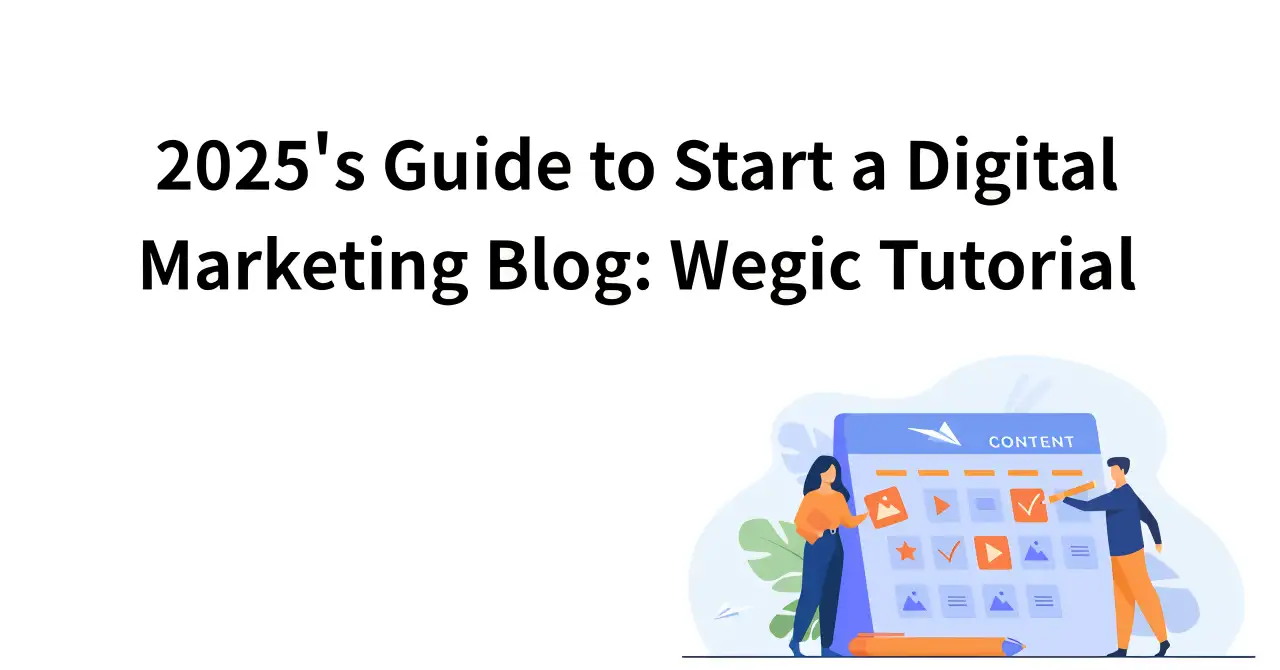
What is Digital Marketing?
-
SEO (search engine optimization): making your website appear higher in search engines like Google;
-
Social media marketing: creating communication with the audience using such sources as Weibo, Xiaohongshu, LinkedIn, and so on;
-
Email marketing: emailing personalized messages to subscribers in order to increase conversion.
-
Content marketing: spreads useful information to users with the help of articles, videos, charts, etc.
Why are SEO Blogs Essential for Digital Marketing?

-
Important SEO advantages. Search engines like websites that contain a lot of content and are constantly updated. By addressing additional keywords on your seo blogs, you can exercise greater visibility on search engines.
-
Create brand trust. As per research conducted by the Content Marketing Institute, out of every five B2B purchasers, four of them will consult the content of company seo blogs, prior to decision making. Via your articles, the readers will get to know whether you truly understand their needs and whether you are reliable.
-
Effective mobilisation of traffic. Luring users to subscribe to emails, push CTA buttons, or visit pages with goods through blogs is not expensive but has a high conversion value.
-
Support social media content. Your blog can be a source of social media content that drives readers back to your website.
-
Long-term asset building. Unlike advertising, whereby it becomes invalid as soon as it ceases, a good quality digital marketing blog post is able to generate traffic even after a number of years.
How to Start a Digital Marketing Blog?
Step 1: Determine the Topics and Target Audience
Step 2: Register a Domain Name and Build a Blog Website
-
The first one is purchasing a domain name (cost of approximately 70-130 dollars a year) and registering on a site like GoDaddy or Namecheap;
-
Then purchase a hosting space (get recommended SiteGround and Bluehost for 100-150$/year);
-
Then manually upload WordPress, set up SSL certificates, themes, and plugins;
-
Find speed with the help of GTmetrix or Google PageSpeed Insights.
-
Make it responsive and adapt to both tablets and mobile phones;
-
Regularly patch vulnerabilities, utilize manual backups, and handle updates.
-
You do not have to have any knowledge of how to design or code.
-
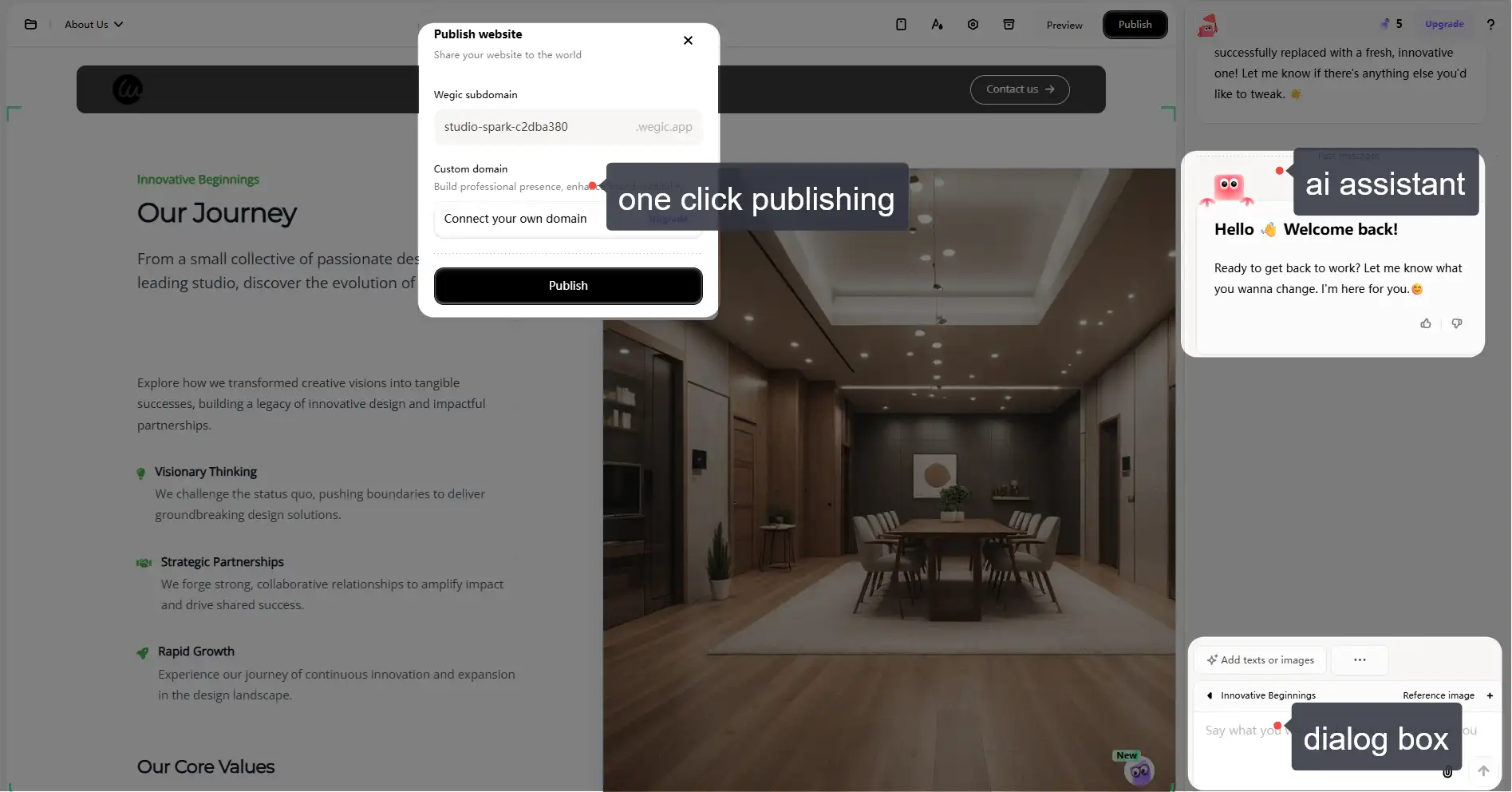
Create an account on Wegic. Just chat with AI and mention what your industry and objectives are, and the system will even automatically assist you in creating the framework of the site, designing web pages, and initial content.
-
Free URL address. Assist users in custom domains.
-
All websites have a responsive design, which means that they are automatically optimized for mobile phones, tablets, and PCs.
-
Not necessary to invest in hosts, CDNs, and cache tools. Easy-to-use one-stop websites.
-
The Wegic price is only $23.9/month, consisting of the costs of website hosting, security, and technical support.
Step 3: Develop a Content Plan and Create High-quality Content
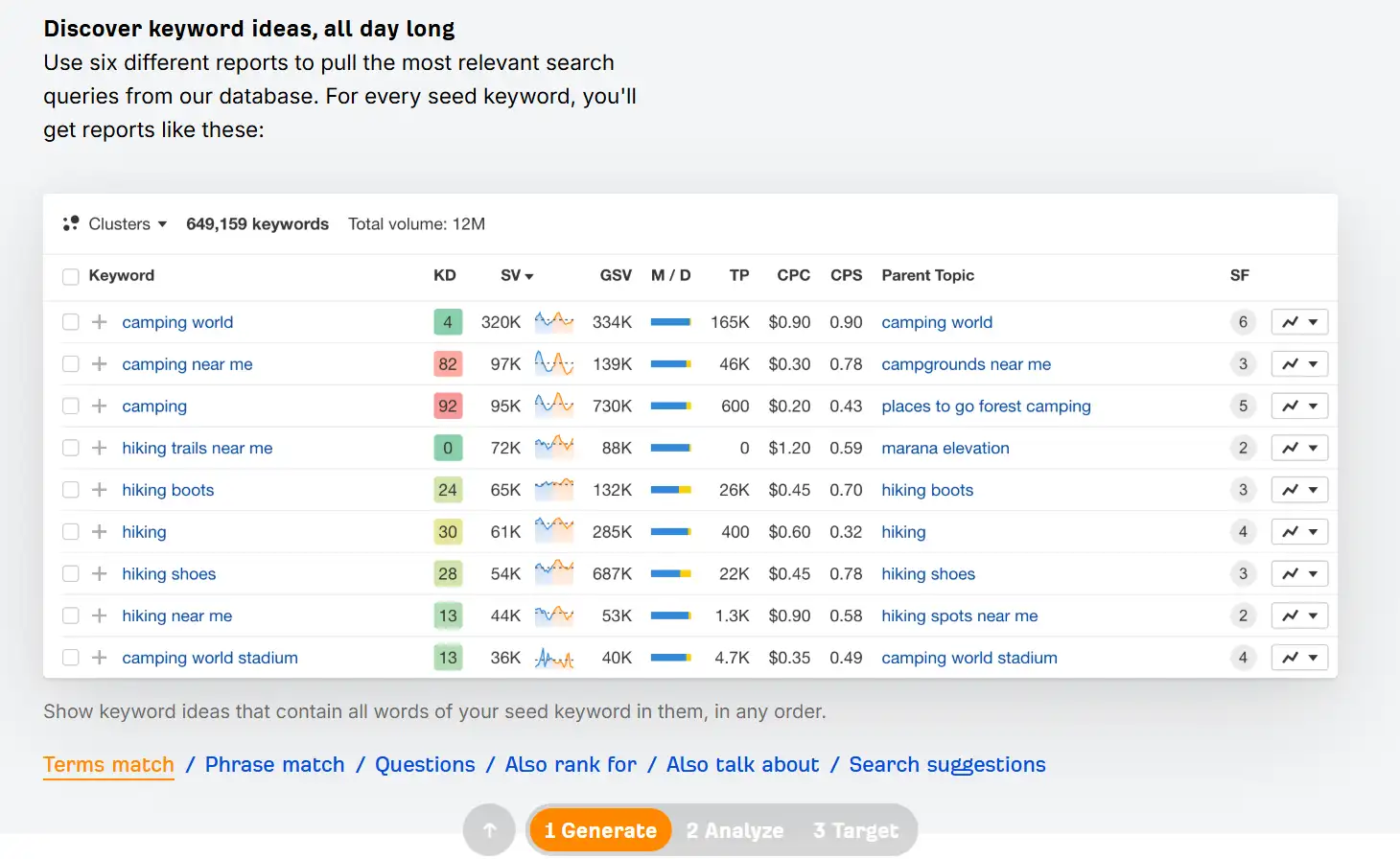
-
An example of the title: How are the cross-border e-commerce brands going to advertise on TikTok in 2025?
-
Bad example: "What is the way to advertise?"
Step 4: Perform Basic SEO Optimization
-
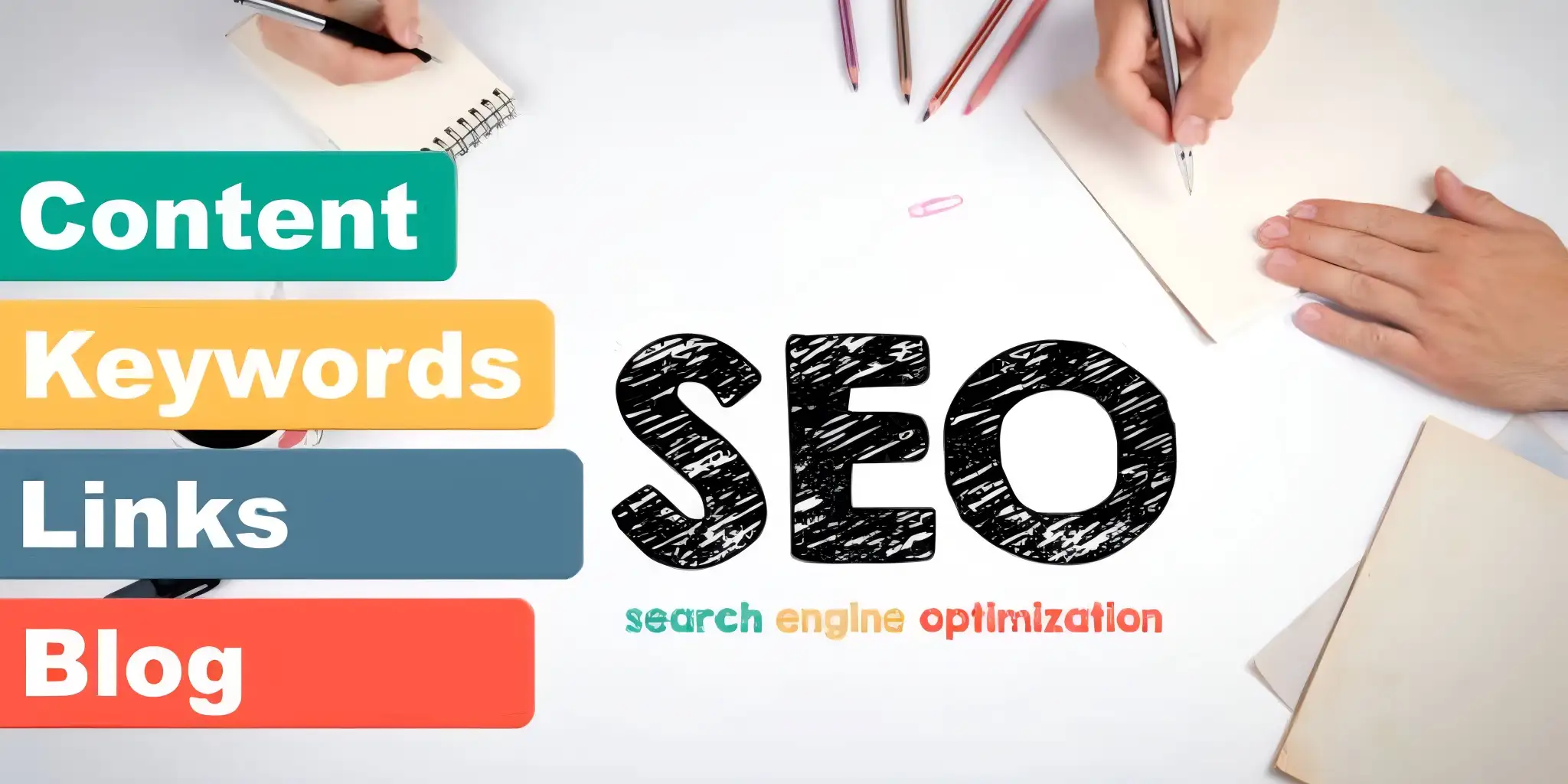
Title: Digital marketing blog topics should refer to the key term in order to include it in the title and make it less than 60 characters so that the title may be completely displayed in search results.
-
Meta description: Click-through rate can be raised with a good description. It is suggested that the description should be 150-160 characters, where the essence of the article can be communicated.
-
URL composition: Should keep it non-complicated and have a decent chance of using keywords.
-
The keyword density must be maintained at 2-3 percent, but should not be loaded
-
Separate paragraphs by using an H2/H3 tree structure to make them easy to crawl and read.
-
Establish sensible internal links to connect new content with old content and maximize the site structure.
-
You have to compress the images, and the alt tags must be defined to aid search using images and to provide better accessibility.
Step 5: Promote Your Blog and Build Traffic Channels
-
Social media: put articles into various forms of content and post them on websites like LinkedIn and Twitter;
-
Email subscription: with the help of tools like ConvertKit, create the email list and send notifications about new articles to regular readers.
-
Industry community: The post related to a blog in the industry community should be discussed in forums like Reddit, Quora, and so on, citing the article to answer the challenges of the users, and the link should be placed to promote directions to visit.

-
Writing on blogs of other subjects to offer content or even resources;
-
Join the podcasts, Internet tables, and other actions in the industry to bring your website links to the forefront.
-
The vertical KOLs will be cooperating in promoting each other to increase the user base.
Step 6: Monitor Data and Continue to Optimize
-
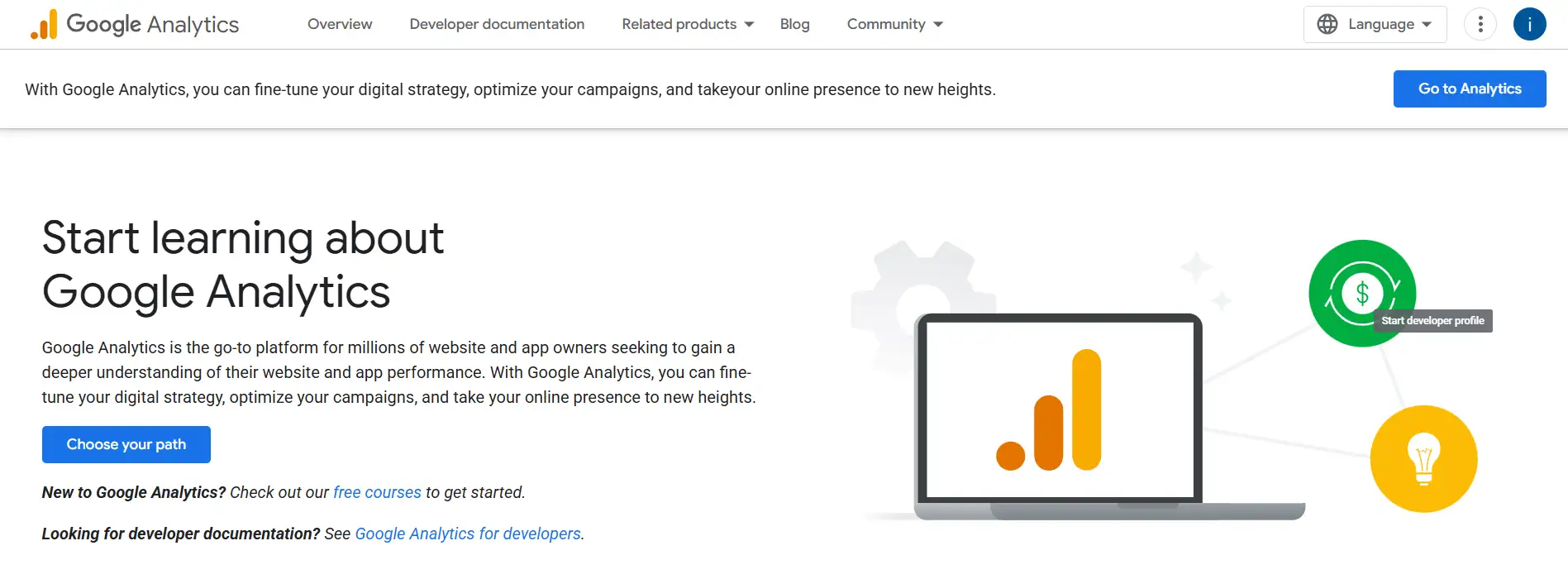
Traffic source: check to see if the traffic is linked to the search engines, social media, typing the URL, or via web-based links.
-
Bounce rate: The bounce rate is high, so probably something is wrong with the content or the structure of the page is not so friendly.
-
Average stay time: The more engaged the reader is, the longer the reader is more engaged;
-
User behavior pathway: does the user go on reading other pages, or does he/she stop at one article reading?
Step 7: Explore Ways to Monetize Your Blog

-
Affiliate Marketing: Select goods that correlate with your content a lot in order to promote them, e.g., SEO tools (SEMrush, Ahrefs), site building platforms (Wegic), SaaS software, etc,. And the relevant commissions are quite high.
-
Advertising revenue: consider advertising by applying with Google AdSense when your blog receives a specific amount of traffic that assumes a significant scope (e.g., 500 or more visitors on a daily basis).
-
Monetized products or services: Offer online courses, e-books, membership material, or present consulting services. For example, build a Teachable paid course platform.
-
Sponsorship and cooperation: Sponsorship and cooperation will also emerge: when the weight of your blog becomes great, brands will actively offer to cooperate, and you can earn from articles or conduct a special marketing.
Discover the Power of AI in Digital Marketing Blog

Conclusion
Escrito por
Kimmy
Publicado el
Jun 25, 2025
Compartir artículo
Leer más
Marketing
How Boutique Furniture Stores Use Instagram-Integrated Galleries to Sell Cute Aesthetics
Mar 5, 2026
Marketing
How Eco-Tourism Consultants Use Immersive Visual Storytelling to Inspire Green Travel
Feb 26, 2026
Marketing
How Freelance Dance Instructors Use Online Booking Pages to Fill Classes Automatically
Feb 27, 2026
Marketing
How Custom Welding Specialists Use SEO Service Pages to Land High-Value Fabrication Jobs
Feb 26, 2026
Marketing
How Niche Grocery Stores Use Smart Inventory Categories to Simplify Holiday Shopping
Mar 5, 2026
Marketing
How Boutique Real Estate Developers Use AI-Generated Project Sites to Secure Early Investors
Feb 26, 2026
Marketing
How Drone Service Providers Use High-Fidelity Galleries to Land Enterprise Contracts
Feb 26, 2026
Nuestro último blog
¡Páginas web en un minuto, impulsadas por Wegic!
Con Wegic, transforma tus necesidades en sitios web impresionantes y funcionales con AI avanzada