High-end clients, the ones with budgets for full-home renovations or commercial spaces, expect a certain level of professionalism. Sending a social media link feels casual and risky to them. They want to see a brand, not just a feed.
Imagine you just finished a stunning renovation for a penthouse downtown. The lighting is perfect, the textures are rich, and the custom joinery is flawless. You take incredible photos. A week later, a potential client contacts you. They are looking to redesign a luxury villa. They ask, "Do you have a portfolio I can look at?"
You hesitate. You don’t have a proper website yet. So, you send a link to your Instagram profile or a Behance page. You wait for a reply, but the phone never rings.
Why did they ghost you? It wasn’t your design skills. It was the presentation.
As an interior designer, your digital presence acts as your storefront. If your storefront looks temporary or messy, wealthy clients assume your service will be the same. They worry you lack the infrastructure to handle their massive project. You need a space that you own, where high-resolution images load fast and look sharp.
Trust Factors: Why You Need a Professional Portfolio Website
You might think your work speaks for itself, but data suggests otherwise. High-net-worth individuals buy trust first, then aesthetics.
Recent industry research clearly shows that digital research is a foundational step in consumer decision-making. According to a 2024 study by Reputation/Prodege, 54% of U.S. consumers trust online reviews more than recommendations from friends and family, and 77 % say they find online reviews to be mostly trustworthy, underscoring how digital reputation influences consumer trust.
For a creative professional, the stakes are even higher. A slow-loading site that compresses your beautiful 4K photos into blurry squares is a dealbreaker. It tells the client you don’t care about details.
This is where the concept of how interior designers can use AI and interactive galleries comes into play. It isn't just about dumping photos on a page. It is about creating an experience. When a client visits your site, they should feel like they are walking through the home you designed.
Static images are flat. Interactive elements, like sliders that show "Before and After" transformations, engage the brain and keep the client on your page longer.
The longer they stay, the more likely they are to inquire. You need to move from a static archive to an interactive portfolio gallery that tells a story.
How to Build Interactive Portfolio Galleries That Attract Clients
This section will guide you through building a portfolio that actually converts visitors into paying clients. We will skip the generic advice and focus on actionable steps.
Step 1: Curation Over Collection
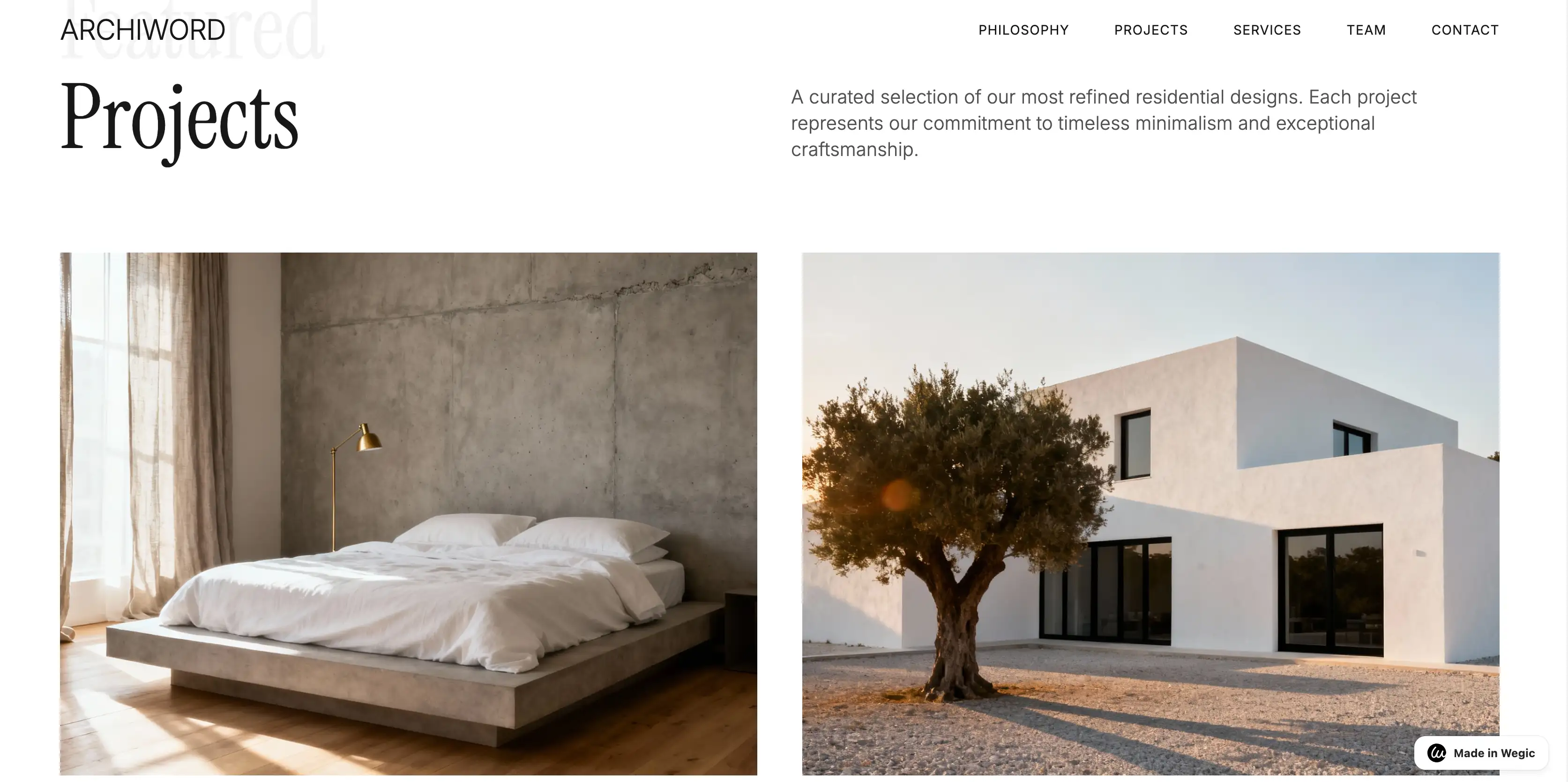
The biggest mistake designers make is showing everything. A luxury client does not want to see the budget bedroom refresh you did five years ago. They only want to see the work that matches their aspirations.
Action: Pick your top 5 projects. Only use projects that represent the type of work you want to get, not just the work you have done. If you want commercial jobs, hide the residential nurseries.
For
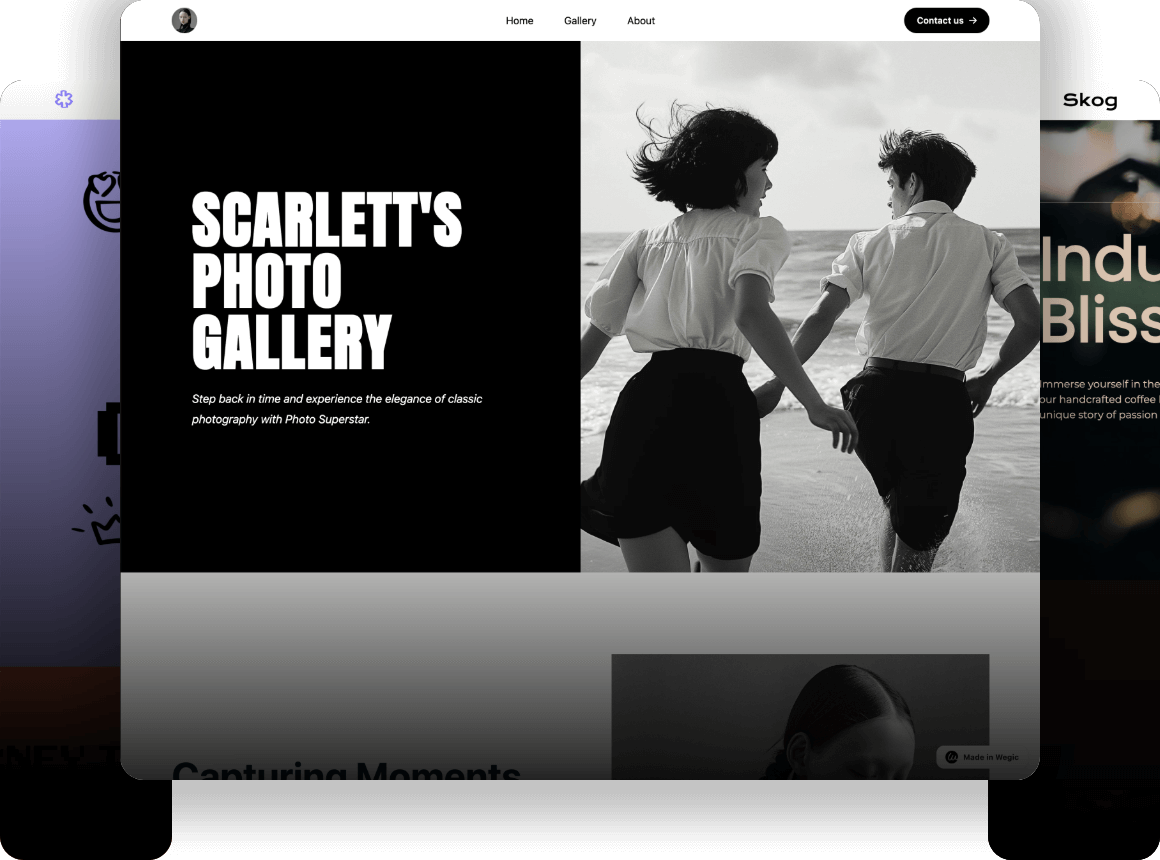
portfolio design, clarity is king. Each project needs a dedicated case study page. Do not just put a gallery grid. Treat your images with the same care you would see in a high-end
photography portfolio, where every shot is deliberate. Write a short narrative. What was the client's problem? How did you solve it? This shows your problem-solving skills, which is what high-end clients are actually paying for.
Step 2: The Magic of "Before and After"
Nothing proves your value like a transformation. However, putting two photos side-by-side is boring.
Action: Use an interactive slider. This allows the user to drag a line across the image, revealing the new design over the old chaos. It is satisfying to use and visually proves your impact instantly.
This is a prime example of interactive portfolio galleries. It turns a passive viewer into an active participant. When they physically interact with your work, they remember it better. It shows you understand modern presentation standards.
Step 3: Leveraging AI for Layout and Copy
Many designers struggle with writing descriptions or organizing layouts. They are visual thinkers, not writers or coders. This is a perfect scenario for how an interior designer can use AI.
Action: Use AI tools to help structure your case studies. You can input your raw notes—"client wanted a moody vibe, we used walnut wood and brass"—, and asked an AI to write a sophisticated project description.
Furthermore, AI can help you select the best color palette for your website based on your uploaded photos. It ensures your branding doesn't clash with your interior work.
Step 4: Speed and Image Quality
This is the technical hurdle that ruins most portfolios. You have 20MB of photos from a professional photographer. If you upload them directly to a standard builder, the site will take 10 seconds to load. The client will leave after 3 seconds.
If you compress them too much, the textures look muddy. The velvet sofa looks like cotton. The marble looks like plastic.
Action: You need a portfolio website solution that handles "lazy loading" and smart compression. This means the site only loads images as the user scrolls down, keeping the initial load time fast. You must find a balance where the image is crisp on a retina screen but doesn't crash a mobile phone browser.
Every interior designer faces this trade-off. But the top-tier designers use platforms such as Wegic that manage this optimization automatically, ensuring the velvet looks like velvet every time.
Step 5: The "About Me" That Sells
High-end clients hire the person, not just the company. Your "About" page shouldn't just be a resume.
Action: Include a professional portrait, but also a video introduction if possible. Talk about your philosophy. Why do you love design?
Also, explain your process. Use a timeline graphic. Wealthy clients value their time and want to know exactly how you work. Do you handle procurement? Do you manage contractors? Make it clear. This transparency builds the confidence needed to sign a large contract. Learning
how to make a marketing portfolio website effectively can help you position these personal elements to close deals faster.
Using the Wegic Website Builder to Create a Studio-Quality Site
You might be reading the steps above and thinking, "I design rooms, I don't write code. How do I build sliders and optimize image compression?"
Doing this manually on WordPress or older platforms is a headache. You have to buy plugins, hire developers, and constantly update software. This is why many designers stick to Instagram and lose clients.
There is a better way. This is where the Wegic website builder changes the game for non-tech creatives.
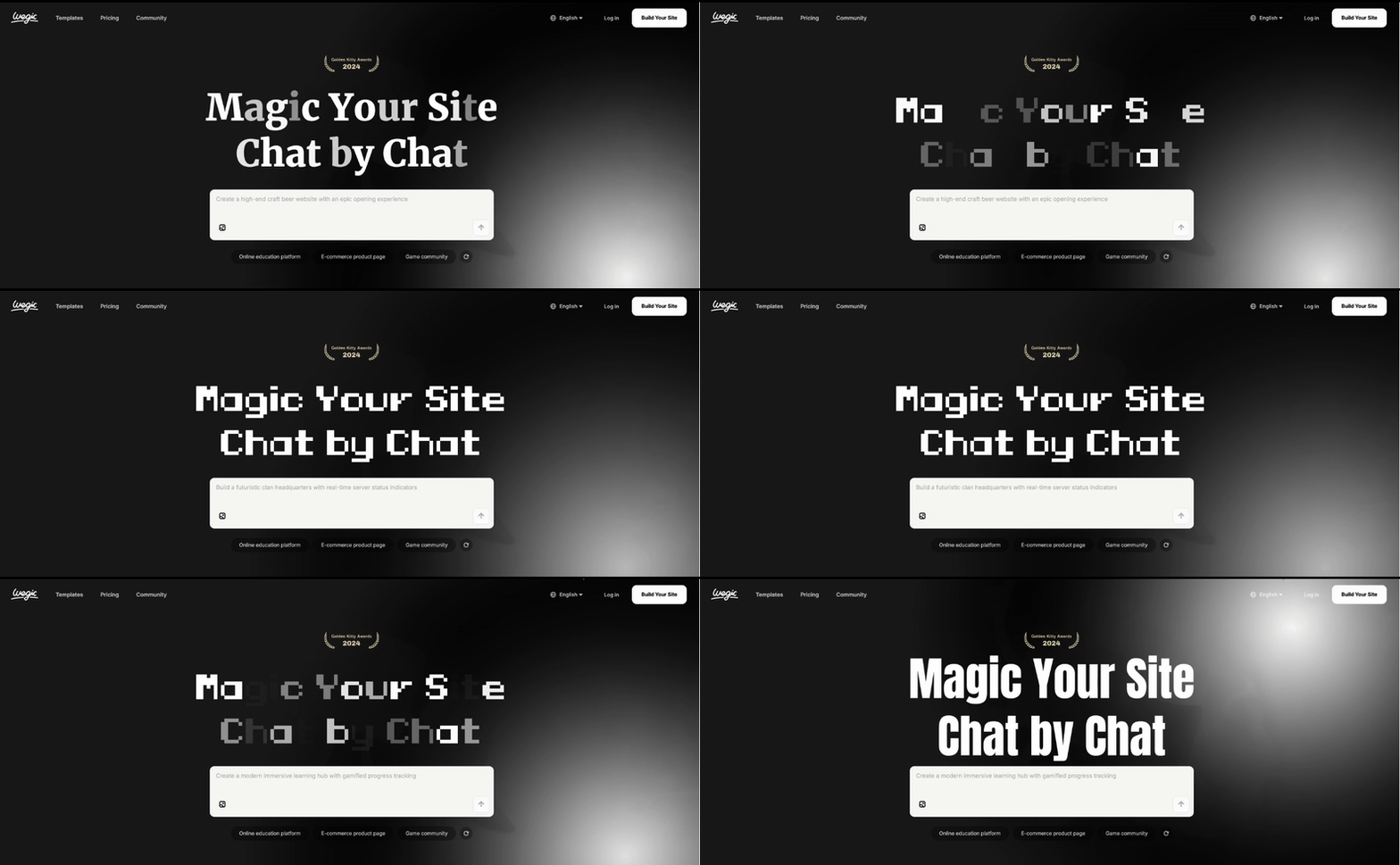
Wegic builds stunning interior design websites — effortlessly.
Why Wegic Works for Designers:
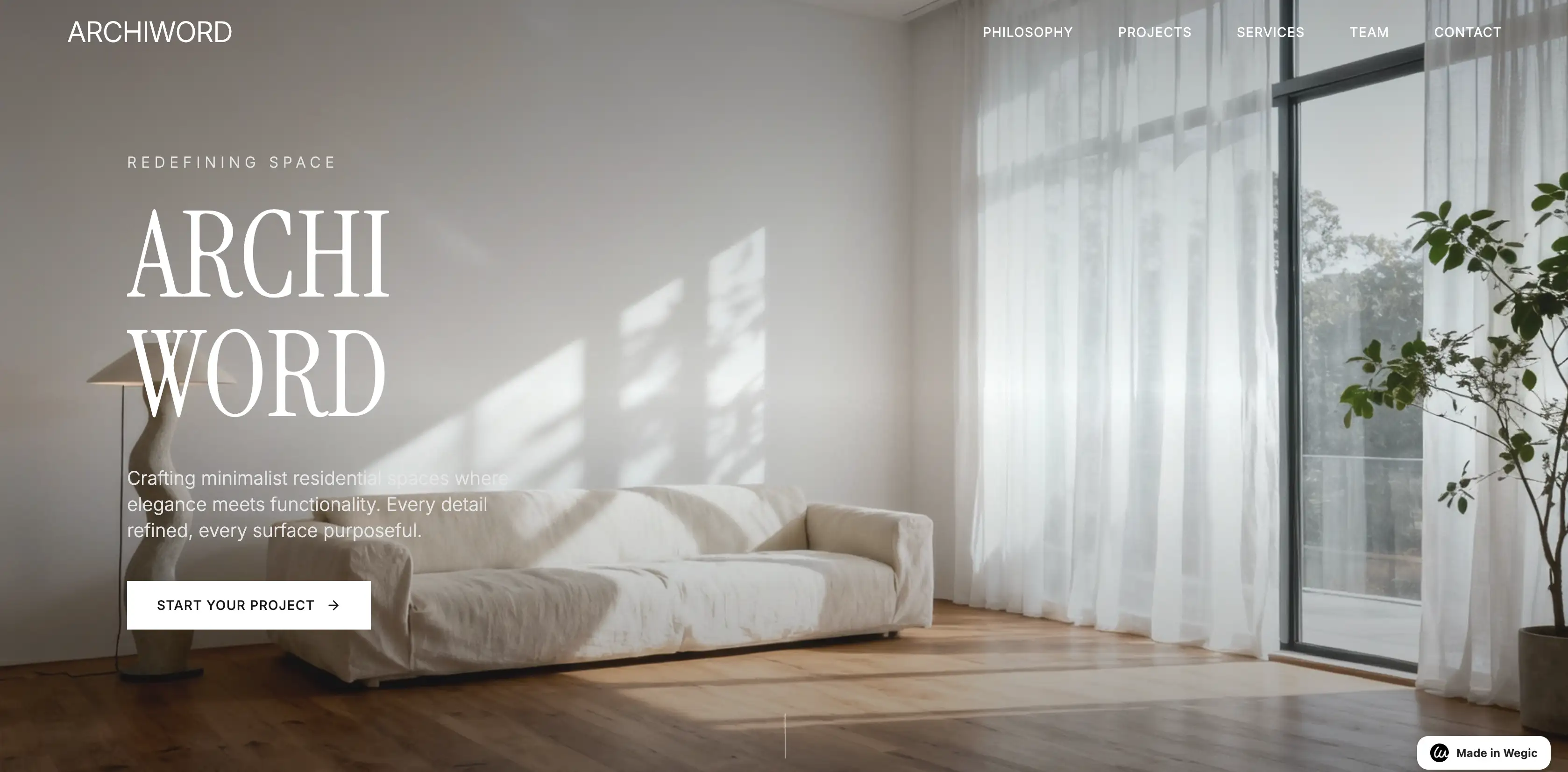
1.Immersive Design Engine: Wegic is built for visuals. It does not compress your images into oblivion. It uses smart technology to serve high-definition images that load instantly. Your textures, lighting, and colors are rendered exactly as you intended.
2.Conversational AI Building: You don't drag and drop boxes for hours. You just talk to Wegic. You can say,"Create a gallery for my Modern Victorian project with a masonry layout," and it does it. This is the most practical example of how an interior designer can use AI to save time.
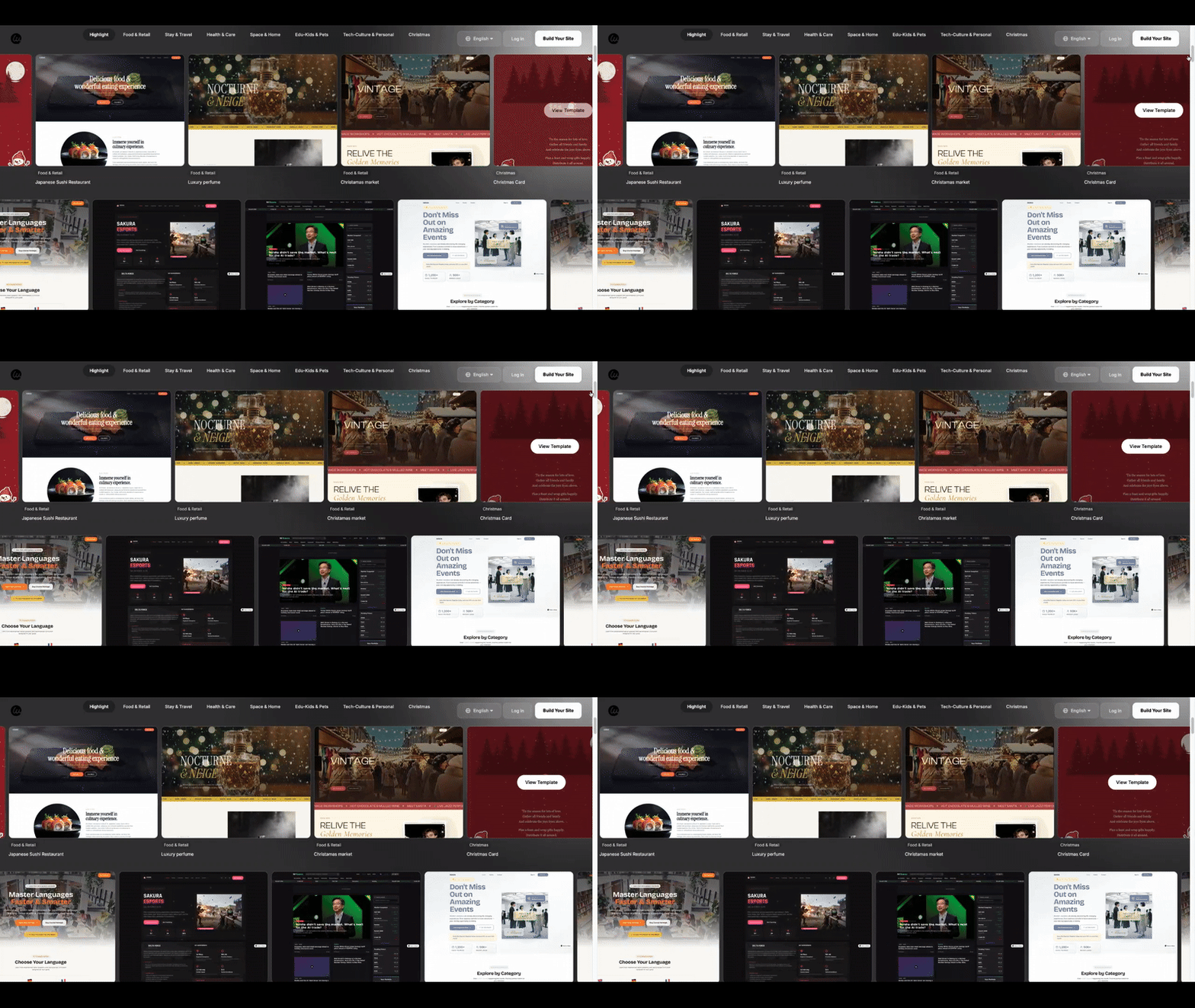
3.Built-in Interactive Features: Remember the "Before and After" sliders? Wegic has these features ready to go. You don't need to buy extra code. You can even get started with
free website design in Wegic to see how these
interactive portfolio galleries feel like a high-end digital magazine.
How to Use Wegic:
Step 1: Upload your best project photos.
Step 2: Tell the AI your style (e.g., "Minimalist, luxury, serif fonts").
Step 3: Ask for specific sections like "Client Testimonials" or "Process Timeline."
Step 4: Publish.
Wegic acts as your technical partner. It handles mobile optimization, SEO basics, and speed. You focus on the interiors; the Wegic website builder handles the digital exterior. It removes the barrier between you and a professional agency-level website.
Your Weekend Checklist for Better Portfolio Design
Don't let another high-budget client slip away because your online presence wasn't ready. A professional site is an investment that pays for itself with one signed contract.
Your Weekend Checklist:
1.Select: Choose your top 3-5 best projects.
2.Gather: Get the high-res files and write 3 bullet points about the "problem and solution" for each.
3.Build: Go to Wegic. Chat with the AI to set up your structure. If you need help, follow a simple
Wegic tutorial to get your site live in minutes.
4.Refine: Upload your photos and check how they look on your phone.
5.Launch: Put the new link in your Instagram bio and email signature.
Ready to upgrade your brand? Stop relying on social media algorithms. Build a home for your work that is as beautiful as the homes you design. Try the Wegic website builder today and see how fast you can turn your portfolio into a client magnet.
Everything you need to build with Wegic — 👇 click to sign up and see the magic of the AI website team!
Frequently Asked Questions
Q1: How often should an interior designer update their portfolio?
You should update your portfolio every time you complete a major project that aligns with your target market. At a minimum, review it twice a year to remove older work that no longer represents your style. Keeping content fresh signals that you are active and in demand.
Q2: Do I really need a website if I have a large Instagram following?
Yes. Social media is for discovery; a website is for conversion. High-budget clients need to verify your legitimacy, see high-resolution details, and understand your process before trusting you with their property. A portfolio website provides that depth.
Q3: How can I use AI to improve my portfolio?
You can use AI to write compelling project descriptions, edit photos for better lighting, or use website builders like Wegic to automatically generate layouts. Learning how interior designers can use AI can save you hours of administrative work.
Q4: What is the most important feature of a portfolio website?
Speed and image quality. If your site is slow, clients leave. If images are blurry, they assume your work is low quality. Prioritize a platform that optimizes high-resolution images for fast loading.
Q5: Should I include pricing on my website?
It depends. For high-end custom work, it is usually better to avoid specific prices. Instead, mention your"typical project minimum" to filter out clients with budgets that are too low, while encouraging serious inquiries to contact you for a quote.