In 2022, over 31 million small businesses operated in the United States, with approximately 64% having an active website, reflecting a strong trend of adopting website builder platforms to establish a digital presence. (Source: businessresearchinsights, 2025) Many small businesses use some popular website builders like Wix, Squarespace, and Shopify. Although these tools are easy to start with, 2026 they also have some common problems. Prices keep going up, designs can feel limited, and it's often hard to grow or change your website as your business grows. Today, small businesses need more than just a basic website. They want lower costs, more flexibility, and platforms that work better with SEO and AI-powered search. A website should help bring traffic and customers, not hinder the business.
Because of this, more owners are looking for alternatives to website builders for small businesses. New small business website building platforms offer better control, smarter tools, and more room to scale. In this guide, we'll explore the best business website builder alternatives and show you modern website builder for small business alternatives that are easier to use, more flexible, and better prepared for the future.
#01 What Makes a Website Builder for Small Business Alternatives in 2026
In 2026, a good website is more than just a few nice pages. The global website builder platforms market stood at USID 2.27 billion in 2025 and is set to expand to USD 2.36 billion in 2026, eventually reaching USD 3.21 billion by 2035, driven by a CAGR of 3.9%. (Source: businessresearchinsights, 2025) For small businesses, the right platform should be easy to use, affordable, and ready to grow with the business. This is why many owners are now looking some website builder for small business alternatives.
1. Ease of use is very important
Most small business owners are not developers. A good platform is now popular to use no-code or low-code, so even if you don't have technical skills, you can build and edit your site. The best easy website builder alternatives and beginner-friendly website builders support you in dragging, dropping, and publishing in minutes.
2. Pricing must be clear and fair
Many popular builders raise prices or lock key features behind expensive plans. Modern business website builder alternatives focus on simple pricing, so small businesses know exactly what they are paying for and can control costs as they grow.
3. SEO and performance really matter
In 2026, websites have become popular to work well with search engines and AI search tools. Strong
small business website building platforms offer fast loading speeds, clean code, and easy
SEO settings. This helps your site show up in search results and reach more customers.
4. Templates should be flexible, not limiting
Good small business website builder alternatives give you modern templates, but also let you change layouts, colors, and content freely. Your website should match your brand, not look like everyone else's.
5. The platform must grow with your business.
The best website builder for small business alternatives support extra tools like eCommerce, CRM, forms, and APIs. This means you don't need to switch platforms when your business gets bigger.
In short, the best platforms in 2026 are simple, flexible, and built for long-term growth.
#02 Best Website Builder Alternatives for Small Businesses in 2026
In 2026, more business owners are moving away from traditional tools and exploring alternatives to website builders for small businesses. Today's small business website building platforms are built for different needs, budgets, and skill levels. In the next sections, we'll recommend seven platforms, each designed for a specific business use case.
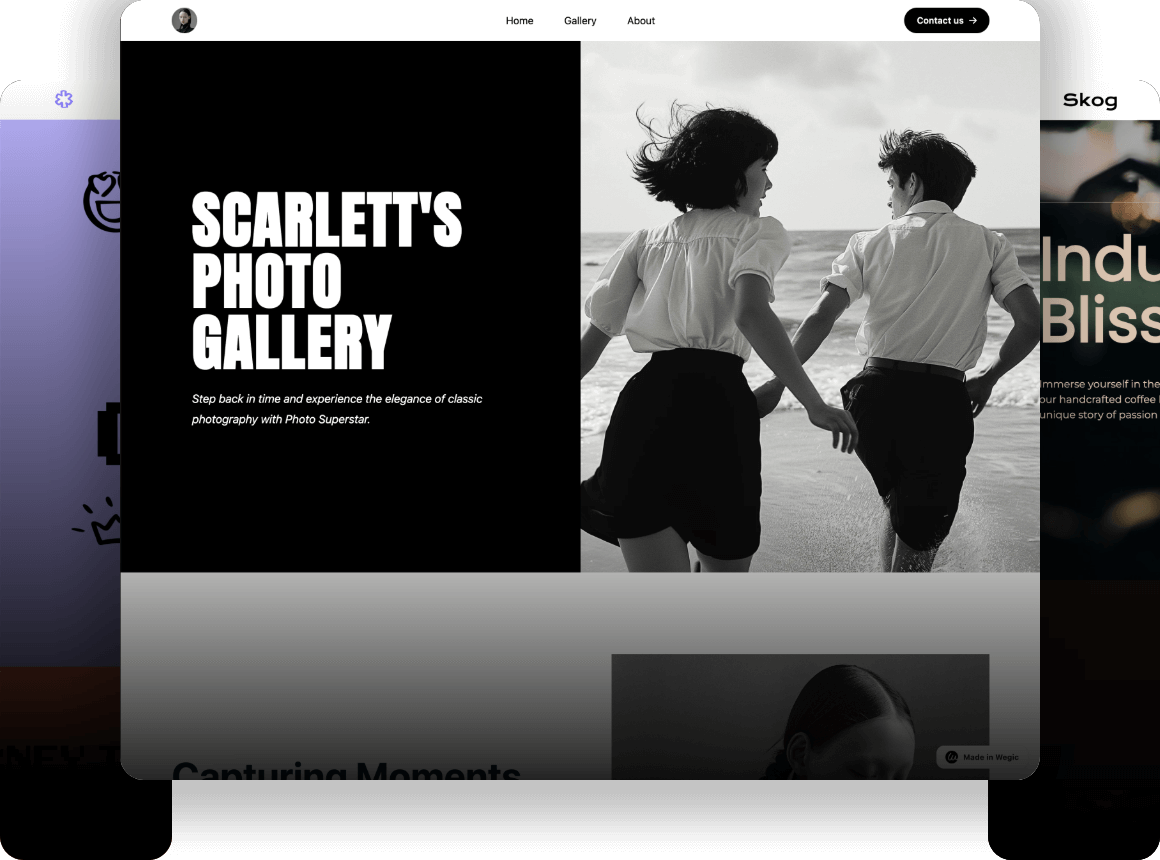
1. Wegic: AI website builder
Wegic is strong
beginner-friendly website builders alternative because it uses AI to build websites from start to finish with very little effort. You don't need to learn design tools or code. Just chat with the AI, and it creates your site automatically.
Just chat with the AI, create your site now👇
This makes it a smart choice compared to traditional builders who take more time and work.
Who is it suitable for: Wegic is best for solo business owners, small local service businesses, and startups that need a quick website or MVP. It is also great for people with no technical background who want to get online fast.
Key features: Wegic offers chat-based website creation, automatic design matching, and AI-written content. You just tell AI what you want. It also helps with updates and basic maintenance, which saves time and money.
Example: Wegic is often described as an AI website team. You simply explain your business in a chat, and it builds and maintains your website for you.
2. Webflow: Design & Customization First
Webflow is one of the strongest business website builder alternatives because it gives small businesses much more design freedom than basic drag-and-drop tools. Instead of being stuck with simple templates, you can fully control how your website looks and works, without hiring a developer.
Who is it suitable for: Webflow is great for small and medium businesses that care about branding, clean design, and interactive pages. It works well for marketing websites, creative studios, and businesses that plan to grow and need more advanced features later. This makes it one of the most powerful small business website builder alternatives.
Key features: Webflow offers visual design that works like "code you can see," giving precise control over layouts and animations. It includes built-in hosting, a CMS for managing content, and strong SEO and performance tools to help websites load fast and rank better.
Example: Many businesses use
Webflow to build a custom-looking website with high performance, while still managing everything in one platform.
3. Framer: Designer tool
Framer is one of the best alternatives to website builders for small businesses because it combines design and publishing in one place. Instead of designing in one tool and building in another, you can create your website and put it online at the same time. This saves time and keeps things simple.
Who is it suitable for: Framer is a great choice for creative studios, freelance designers, and small businesses that care about visuals and smooth animations. It works well for teams that want designers to lead the process but still launch websites fast. Among modern small business website building platforms, Framer stands out for design-focused teams.
Key features: Framer is driven by design first. It offers high-quality animations, built-in CMS, SEO tools, and basic analytics. You can start with a free plan, build a demo page, and upgrade when you're ready to go live.
Example: Framer follows the idea of "design is the website," letting users design and publish beautiful, fast websites from one platform.
4. Duda: Professional & Agent
Duda is one of the top business website builder alternatives because it is made for professionals, not just single users. Unlike basic builders, Duda helps teams build, manage, and deliver many websites at once. This makes it a strong choice for agencies working with small business clients.
Who is it suitable for: Duda is best for digital agencies, web designers, and teams that manage many small business websites. It is also great for companies that need white-label tools and client dashboards. Among modern small business website building platforms, Duda is built for scale and teamwork.
Key features: Duda offers white-label branding, team collaboration tools, dynamic pages, and strong integrations with CRM and marketing platforms. It also supports smooth client handoff, making website delivery easy and professional.
Example: Many agencies use Duda to build and manage websites for small businesses under their own brand.
5. WordPress – Self-Hosted CMS
WordPress.org is one of the most powerful small business website builder alternatives because it gives you full control over your website. You are not locked into one company or pricing plan. You can choose your own hosting, design, and features, and grow your site any way you want.
Who is it suitable for: WordPress is best for small businesses that need special features, such as online courses, memberships, forums, or eCommerce stores. It works well for B2B companies and shop owners who don't mind paying for hosting or getting some technical help. Compared to many easy website builder alternatives,
WordPress gives much more freedom.
Key features: WordPress offers thousands of plugins and themes, strong SEO tools, and full access to the website's backend. You can move your site anytime, which means you are not locked into a single platform.
Example: Many growing small businesses use WordPress these beginner-friendly website builders to build flexible websites that can change and scale over time.
6. Tilda: Block/Content-First Builder
Tilda
Tilda is one of the most popular easy website builder alternatives because it usually uses simple blocks to build pages. You don't need to start from a blank screen; instead, you can choose ready-made modules and tell your story step by step. This makes creating a website feel natural and not stressful.
Who is it suitable for: Tilda is great for small businesses that focus on content and branding. It works well for creators, marketers, and shop owners who want to build landing pages or story-style product pages quickly, without technical skills.
Key features: Tilda offers many pre-designed blocks, an easy editor, and tools for creating long pages, even some simple online stores. You can change text, images, and layouts easily to match your brand.
Example: Many small brands use Tilda to create clean, story-driven websites. This platform can explain its products in a clear and engaging way.
7. Dorik: Lightweight & Quick to Land
Dorik
Dorik is a great choice when you don't need a big or complex website. It focuses on speed, simplicity, and low cost. For small businesses that only need a single page or a simple site, Dorik works better than full-featured builders and saves money.
Who is it suitable for: Dorik is perfect for personal brands, small shops, and businesses that need a quick
landing page, booking page, or event page. It is especially helpful for beginners who want something simple and fast.
Key features: Dorik offers quick setup, clean templates, and easy tools to add forms or payments. As a simple and lightweight platform, it is also one of the most beginner-friendly website builders available.
Example: Many users choose Dorik to launch a simple website in one day, with almost no setup or maintenance needed.
In 2026, small businesses won’t have to rely only on traditional website builders. Tools like Wegic use AI to quickly create websites automatically. Webflow and Framer give more freedom for design, interactive features, and so on. These small business website building platforms and easy, beginner-friendly website builder alternatives provide options for all budgets, skills, and business needs.
#03 Comparison Table: Traditional Website Builders vs Modern Alternatives
When small businesses look for a website in 2026, it's important to see how traditional builders compare to modern alternatives to website builders for small businesses. Modern small business website building platforms often give more flexibility, better performance, and tools that grow with your business. Here's a clear comparison to help decide which option fits your needs.
Modern platforms give small businesses more control and options. Choosing the right one depends on your goals, budget, and how much you want to grow. Using these modern small business website building platforms instead of traditional builders can save time, improve SEO, and make your site easier to update and expand over time.
Conclusion
Website builders are not the only way for small businesses to make a website. Many business owners now use more flexible tools that are easier to change and grow. The beginner-friendly website builders for small business alternatives can save money and time, help your site look better, and get more visitors. Platforms like Wegic, Webflow, Framer, Duda, WordPress, Tilda, and Dorik have different features for different needs. Using these small business website builder alternatives means your website can grow with your business, stay simple to manage, and help you reach more customers. In the end, picking the right alternative is the smart long-term solution for building a successful online presence. Try it now. Embrace Wegic, a modern AI website building platform!
FAQ
1. What are the best alternatives to website builders for small businesses in 2026?
Some of the best options are Wegic, Webflow, Framer, Duda, WordPress, Tilda, and Dorik. Each one works well for different types of businesses and skill levels.
2. Which beginner-friendly website builder is best for small businesses?
Wegic, Dorik, and Tilda are very easy to use. You don't need coding skills and can make a website fast.
3. Do small businesses still need website builders in 2026?
Yes, but they don't have to use the old ones. Modern alternatives give more flexibility, better tools, and help your business grow.
4. Can I make an online store with these alternatives?
Yes! Now, many platforms like WordPress, Webflow, and Duda let you add online shops easily.
5. How much do website builder alternatives cost?
This is not certain. Some platforms have free or low-cost plans like Dorik and Tilda, and Wegic supports some free credit to try it. But Webflow or WordPress may need hosting or paid tools.
6. Can I switch platforms later if I grow my business?
Yes. Many modern alternatives let you move your site or export content, so your website can grow with your business.