Why Every Life Coach Needs a Professional Website
A professional website is one of the most valuable tools for growing a life coaching business. It serves as a central hub where potential clients can learn about your coaching philosophy, areas of expertise, and the results you help people achieve. A well-designed website also builds trust by showcasing your story, client testimonials, certifications, and success stories before a discovery call even takes place. With clear service pages, an easy online booking system, and valuable blog content, your website can guide visitors through every stage of the decision-making process. Whether you're an executive coach, career coach, wellness coach, or mindset coach, a professional website helps strengthen your personal brand, attract qualified leads, and turn interested visitors into paying clients.
What Makes the Best Life Coach Websites Stand Out
The best life coach websites combine authentic personal branding with a clear message that speaks directly to their ideal clients. Rather than simply describing coaching services, they communicate a unique coaching philosophy, showcase real client testimonials, and highlight meaningful success stories that build trust from the very first visit. Effective coaching websites also make it easy for visitors to take action with clear calls to action, simple online booking options, and well-organized service pages. Combined with warm, professional visuals, consistent branding, and a mobile-friendly design, these elements create a welcoming online experience that encourages visitors to connect, book a discovery session, and begin their coaching journey.
10 Best Life Coach Website Examples
The best life coach websites do more than showcase beautiful designs—they create meaningful connections with potential clients. From compelling personal stories and authentic branding to seamless booking experiences and inspiring testimonials, each website demonstrates a unique approach to building trust and encouraging action. Whether you're creating your first coaching website or looking to refresh an existing one, these life coach website examples offer valuable inspiration for design, content, and user experience. Explore how successful coaches present their expertise, communicate their value, and turn website visitors into loyal clients.
Personal Branding Life Coach Websites
For life coaches, a website is more than a digital portfolio—it's an extension of your personal brand. The most successful personal branding websites clearly communicate who the coach is, who they help, and the transformation they offer. They combine authentic storytelling, consistent visual identity, and strategic calls to action to build trust before a potential client ever books a session. The following examples demonstrate how leading life coaches use their websites to establish credibility, share their expertise, and create meaningful connections with their audience.
Tony Robbins
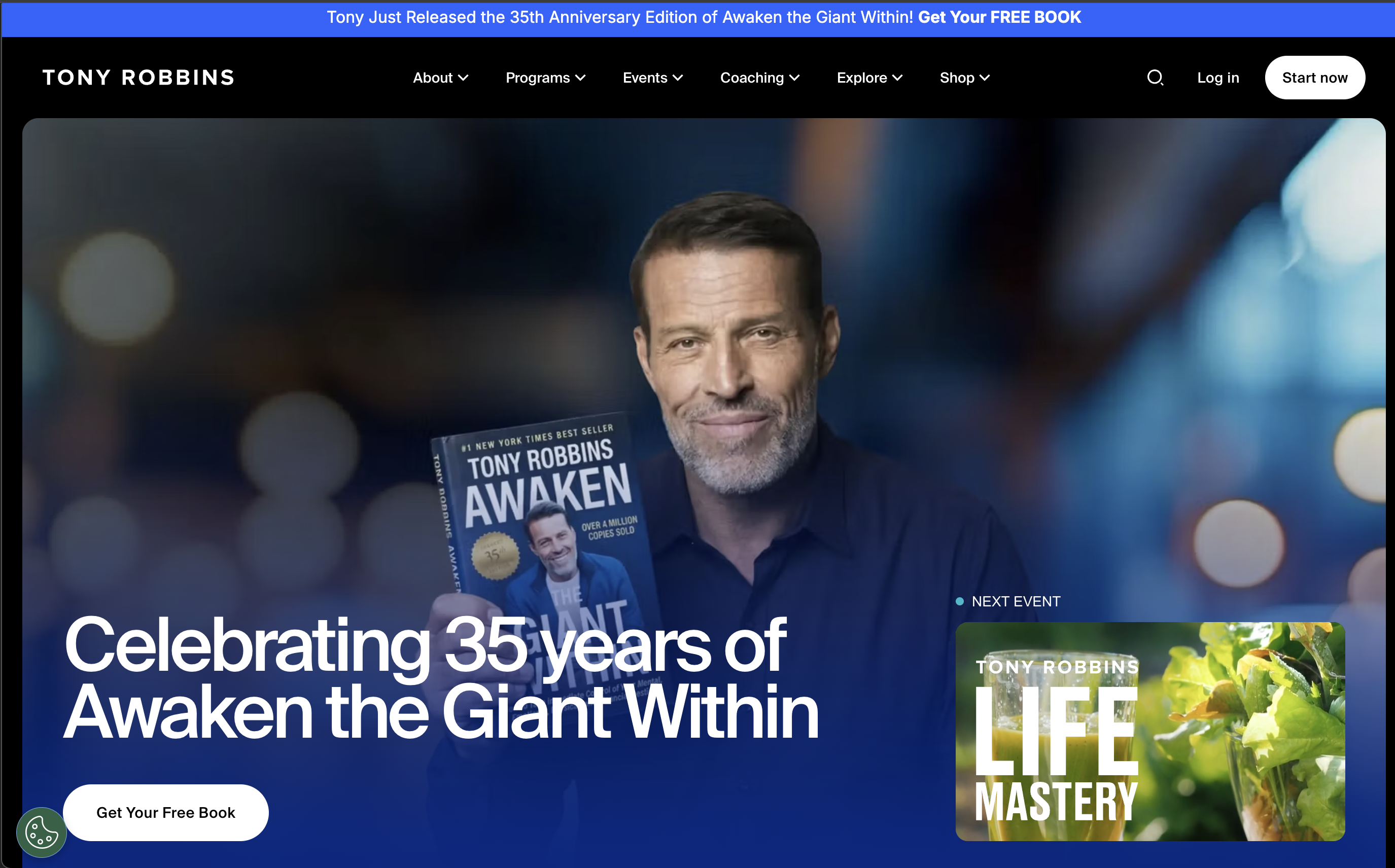
Tony Robbins is one of the world's most influential life and business coaches, and his website is a masterclass in personal branding. Rather than functioning as a simple coaching website, it serves as a complete digital ecosystem where visitors can explore live events, coaching programs, books, podcasts, online courses, and free resources. Every page reinforces Tony's authority while guiding users toward the next step in their personal development journey.
Why it works:
- The homepage immediately establishes credibility with a powerful value proposition, high-quality visuals, and messaging that reflects Tony Robbins' decades of coaching experience.
- Multiple pathways—including events, coaching, books, assessments, and free resources—allow visitors to engage with the brand based on their interests and stage of the customer journey.
- Social proof is integrated throughout the website with client success stories, media recognition, testimonials, and statistics that reinforce trust and demonstrate real-world impact.
- Strong calls to action are strategically placed across the site, encouraging visitors to book coaching sessions, register for events, or access free resources without feeling overly promotional.
- Despite offering a wide range of products and services, the website maintains intuitive navigation, consistent branding, and a mobile-friendly experience that makes exploring the platform effortless.
Best takeaway: Build a website that goes beyond selling your coaching services. By combining valuable content, educational resources, and multiple ways to engage, you can strengthen your personal brand, build long-term trust, and create more opportunities to convert visitors into clients.
Marie Forleo
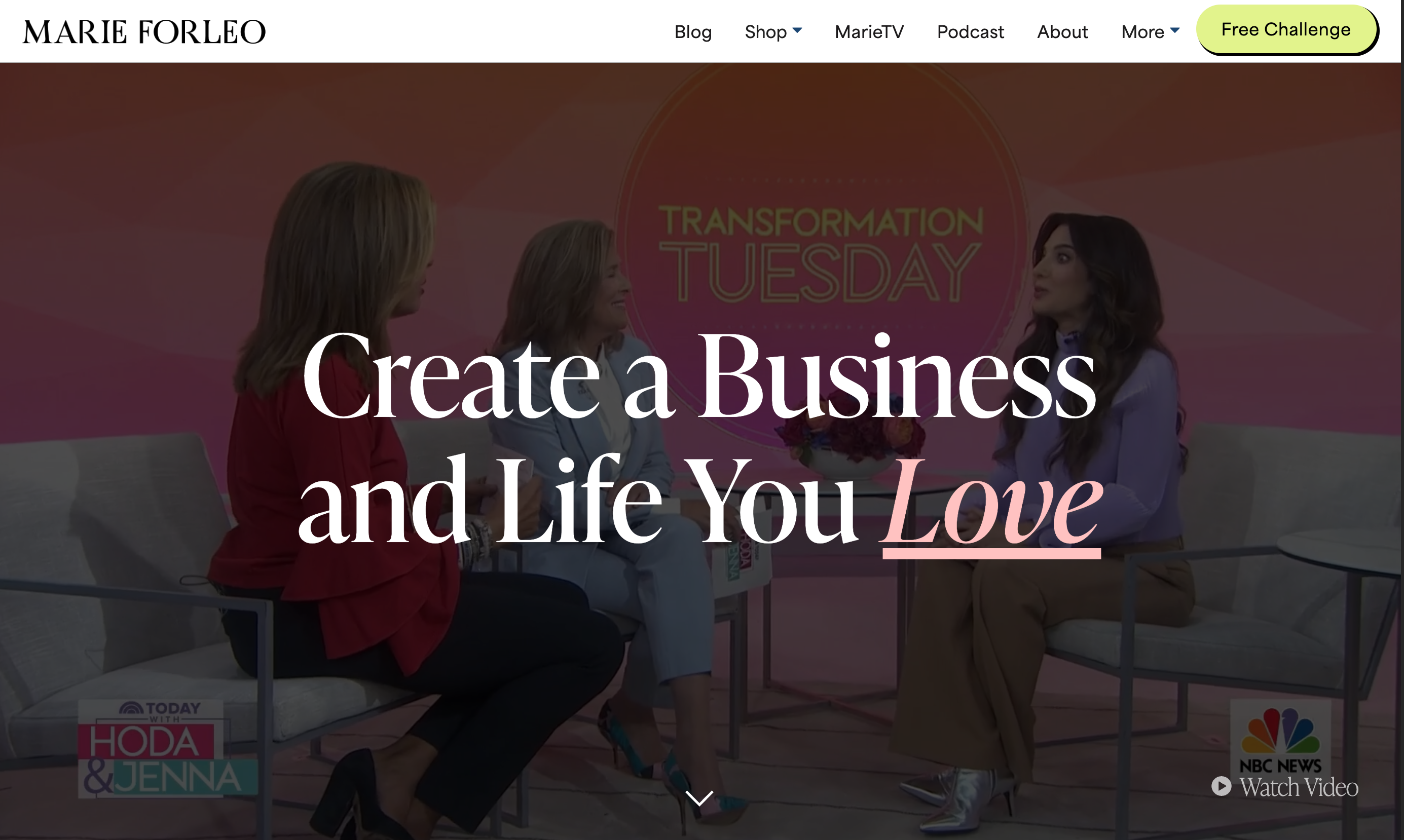
Marie Forleo is an entrepreneur, life coach, and bestselling author whose website seamlessly blends personal branding with content marketing. Instead of focusing solely on coaching services, the site offers a rich ecosystem of educational resources—including articles, videos, podcasts, newsletters, and online programs—that nurture visitors before introducing paid offerings such as B-School. This thoughtful user journey makes the website an excellent example of how valuable content can build trust and drive long-term business growth.
Why it works:
- The homepage immediately highlights Marie's personality and mission, creating an authentic connection that makes visitors feel like they're learning from a trusted mentor rather than being sold a service.
- Free resources such as blog articles, MarieTV episodes, podcasts, and email newsletters encourage visitors to engage with the brand before considering premium coaching programs or courses.
- Educational content naturally leads users toward flagship offers like B-School, demonstrating an effective content marketing strategy that guides visitors through every stage of the customer journey.
- Warm photography, approachable copywriting, and consistent branding create a welcoming experience that reflects Marie's optimistic and empowering coaching style.
- Clear calls to action are thoughtfully integrated throughout the website, making it easy for visitors to subscribe, explore resources, or enroll in programs without disrupting the browsing experience.
Best takeaway: Don't make your website just a place to sell coaching services. Use valuable content, free resources, and educational experiences to build trust first, then naturally guide visitors toward your coaching programs and digital products.
Mel Robbins
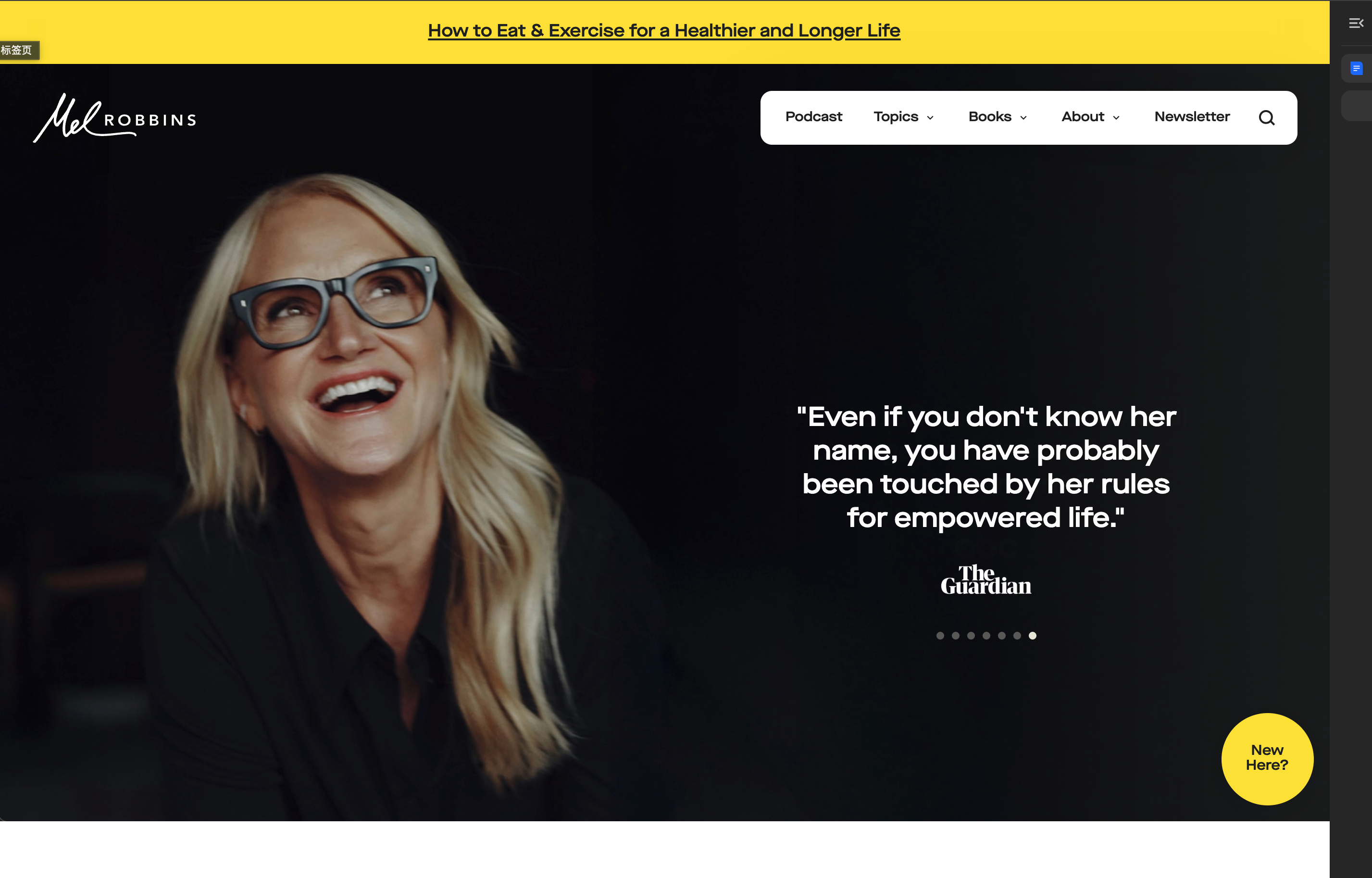
Mel Robbins is a bestselling author, podcast host, and personal development expert whose website is built around educating and inspiring people through accessible, science-backed content. Instead of leading with coaching services, the website centers on her podcast, bestselling books, newsletter, and practical tools, creating an engaging resource hub that encourages visitors to return regularly. This content-first approach makes it an excellent example of how life coaches can build long-term relationships with their audience while strengthening their personal brand.
Why it works:
- The homepage highlights Mel's most valuable content—including her podcast, books, and newsletter—making it easy for first-time visitors to start learning before making a purchase or commitment.
- Practical, action-oriented messaging reinforces Mel's coaching philosophy, helping visitors feel that personal growth is achievable through simple, research-backed strategies.
- The website organizes podcasts, books, and educational resources into clearly structured sections, allowing users to quickly find content that matches their interests and challenges.
- Consistent branding, approachable photography, and conversational copy create a friendly, trustworthy experience that reflects Mel's authentic communication style.
- Clear calls to action encourage visitors to subscribe to the newsletter, listen to the podcast, or explore bestselling books, creating multiple opportunities to engage with the brand over time.
Best takeaway: Position your website as a valuable resource, not just a promotional platform. By consistently sharing helpful content through blogs, podcasts, newsletters, or videos, you can build trust, grow your audience, and naturally guide visitors toward your coaching services
Minimalist & Wellness Life Coach Websites
Minimalist and wellness-focused coaching websites often prioritize clarity, authenticity, and emotional connection over complex visuals. Instead of relying on bold animations or extensive content, they use thoughtful layouts, calming color palettes, and personal storytelling to create a welcoming experience. The following examples demonstrate how simplicity, strong branding, and user-centered design can help life coaches build trust and encourage visitors to take the next step.
Lauren Miura
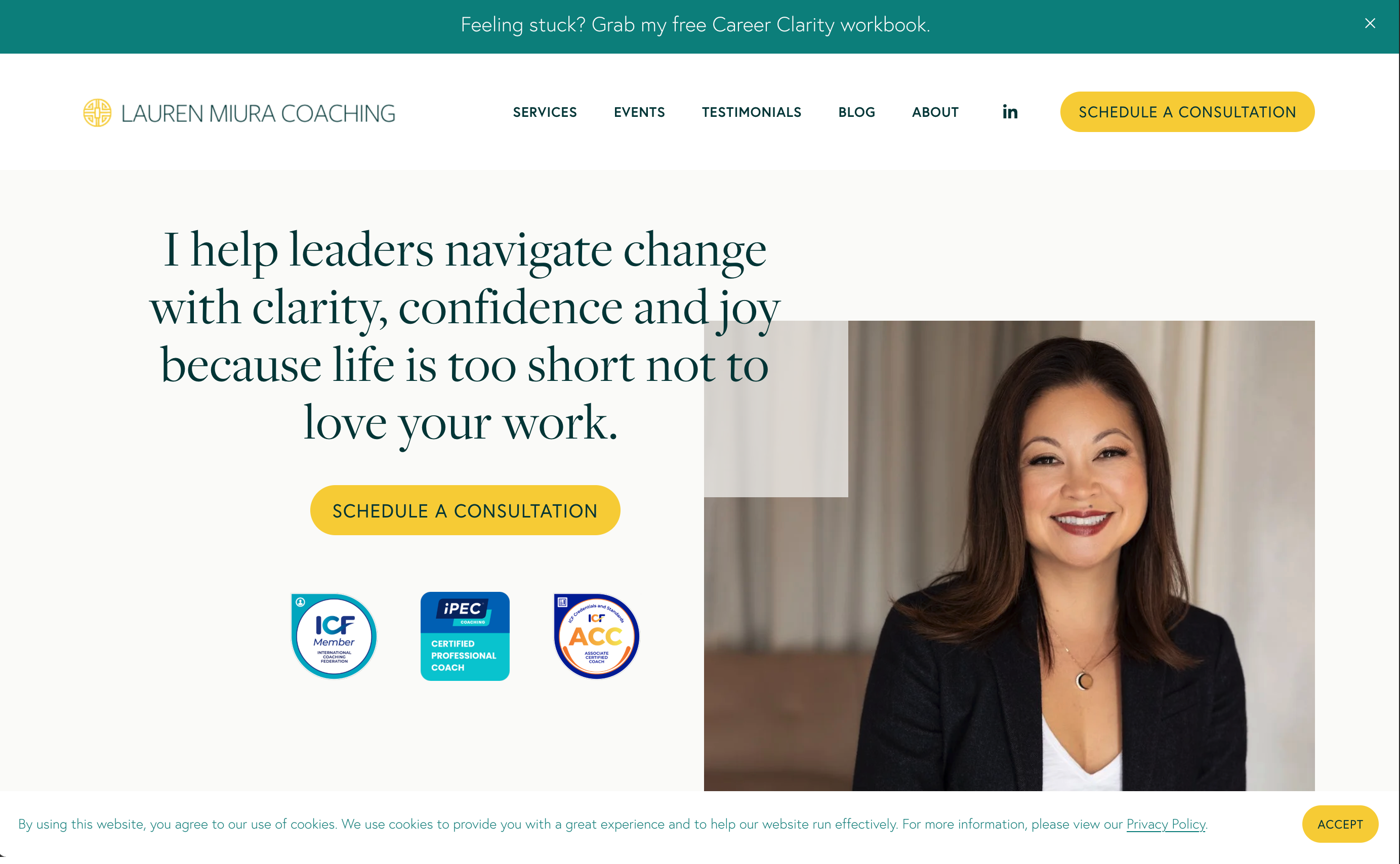
Lauren Miura's website is a great example of how minimalist design can enhance a personal coaching brand. The clean layout, generous white space, and elegant typography create a calm, distraction-free experience that allows visitors to focus on her message and coaching services. Every design element reflects simplicity and professionalism, making the website feel approachable while reinforcing trust.
Why it works:
- A minimalist layout with generous white space creates a clean and relaxing browsing experience.
- Soft colors and refined typography establish a premium yet approachable visual identity.
- Concise messaging clearly communicates Lauren's coaching niche and value proposition.
- Professional photography adds personality while maintaining a polished, consistent brand image.
- Simple navigation and well-placed calls to action make it easy for visitors to learn more or book a consultation.
Best takeaway: A minimalist website doesn't have to feel empty. Thoughtful design, clear messaging, and consistent branding can create a powerful first impression while keeping visitors focused on your coaching services.
Nicole Oran
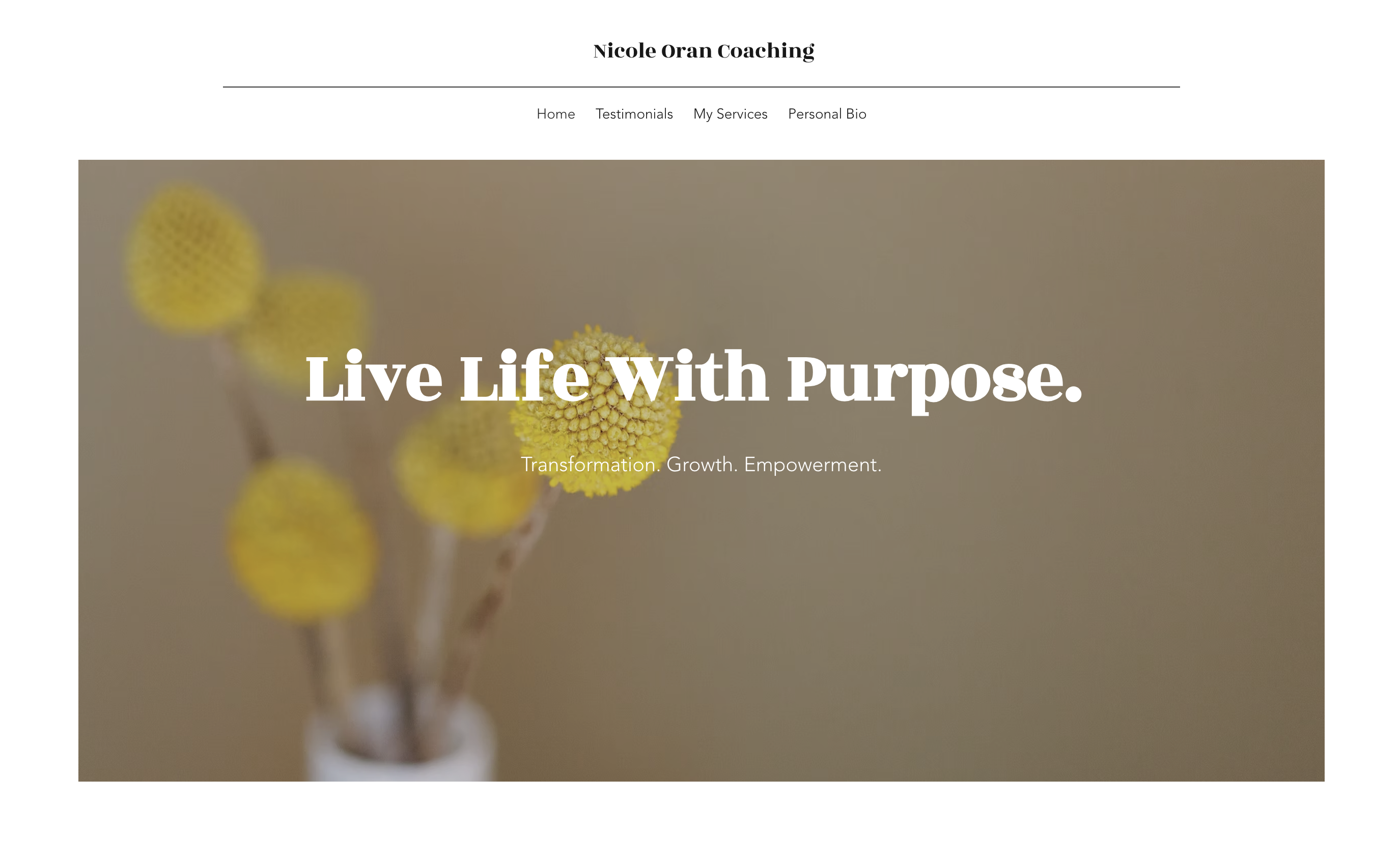
Nicole Oran's website combines creative branding with a highly personal user experience. Rather than presenting herself as a traditional coach, she uses engaging visuals, conversational copy, and expressive design to reflect her personality and coaching style. The result is a memorable website that feels authentic and immediately connects with its target audience.
Why it works:
- A distinctive visual identity helps the website stand out while remaining easy to navigate.
- Conversational copywriting creates an authentic and approachable tone throughout the site.
- Personal storytelling builds an emotional connection before introducing coaching services.
- Service pages are concise and well-organized, allowing visitors to quickly understand how Nicole can help.
- Clear calls to action encourage visitors to get in touch without creating unnecessary friction.
Best takeaway: Let your personality shape your website. Authentic branding and conversational messaging can help you attract clients who genuinely connect with your coaching style.
Gabby Bernstein
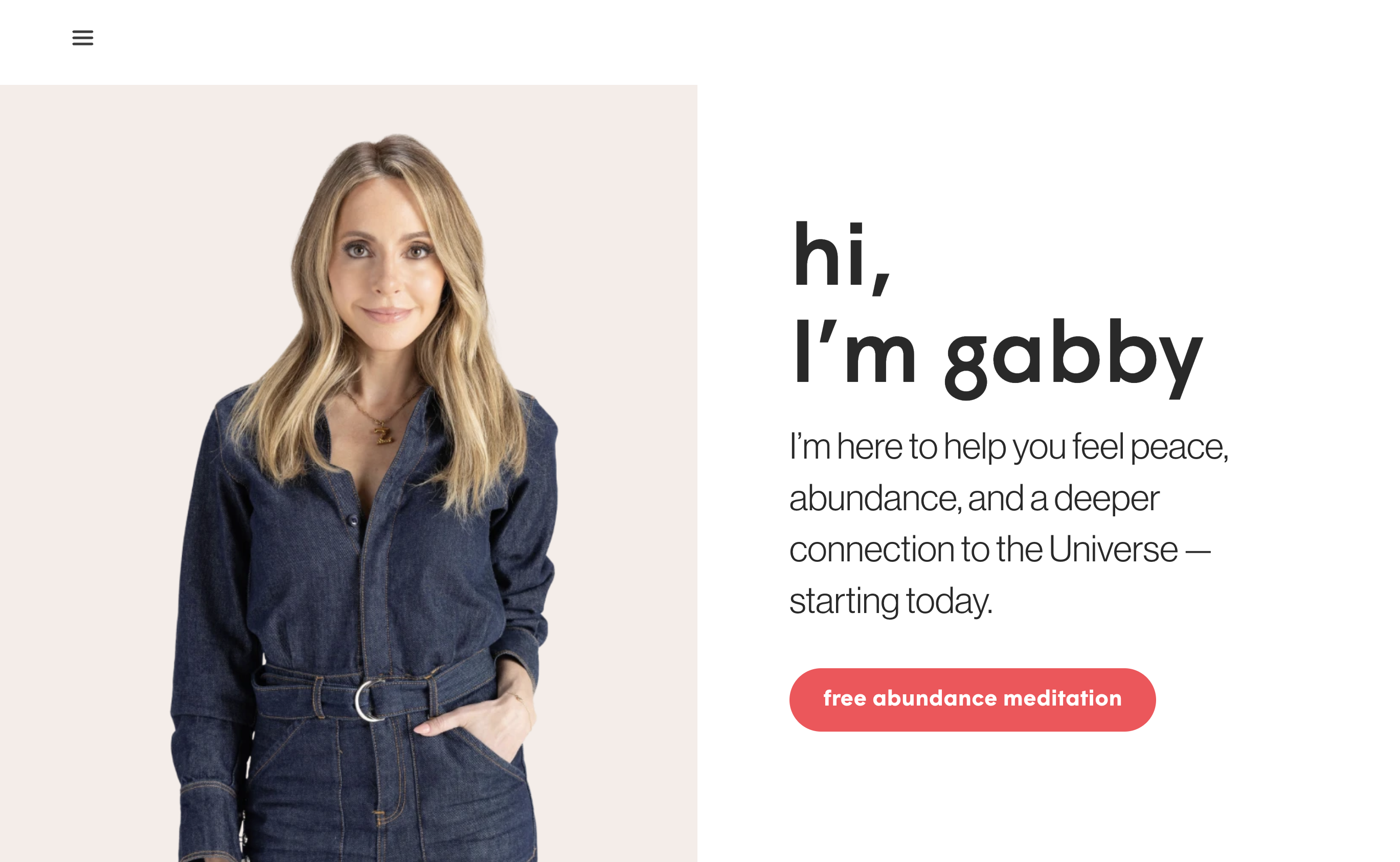
Gabby Bernstein's website reflects the warmth and positivity of her wellness-focused brand. With calming visuals, uplifting messaging, and a strong emphasis on community, the website encourages visitors to explore books, courses, events, and free resources while building a lasting relationship with the brand.
Why it works:
- Warm colors, lifestyle photography, and clean layouts create an inviting atmosphere.
- Inspirational messaging reinforces the brand's mission and coaching philosophy.
- A variety of content—including books, courses, podcasts, and events—provides multiple ways for visitors to engage.
- Community-focused resources encourage long-term relationships rather than one-time interactions.
- Consistent branding across every page creates a cohesive and trustworthy user experience.
Best takeaway: A coaching website should make visitors feel welcomed. Combining inspirational content with community-focused resources helps build stronger relationships and long-term trust.
Living the Life Coaching
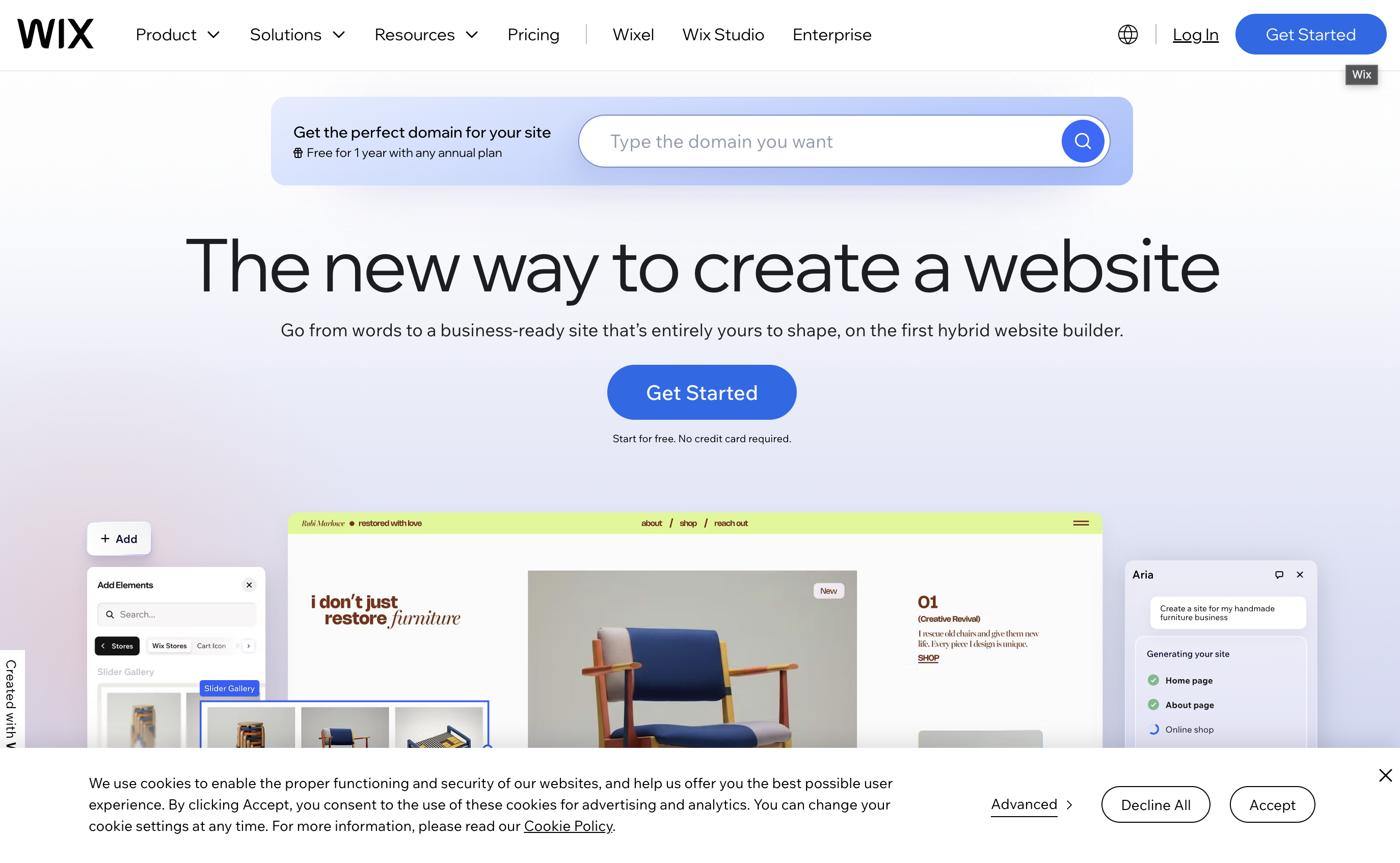
Living the Life Coaching demonstrates how thoughtful user experience can make a coaching website feel approachable and easy to navigate. The website combines warm visuals, straightforward messaging, and intuitive page layouts to guide visitors naturally from learning about the coach to booking a session.
Why it works:
- A clean information hierarchy makes it easy to understand the services offered.
- Warm imagery and friendly copy create a supportive, welcoming first impression.
- Testimonials and coaching information are integrated naturally throughout the site to reinforce credibility.
- Clear navigation helps visitors quickly find key pages such as services, about, and contact.
- Prominent booking and contact buttons simplify the path to becoming a client.
Best takeaway: Great user experience is about reducing friction. A clear layout, friendly messaging, and simple booking process can significantly improve visitor confidence and conversion.
Business & Modern Life Coach Websites
Business and modern coaching websites are designed with one clear goal in mind—conversion. Unlike personal branding or wellness-focused sites, these websites prioritize lead generation, structured service offerings, and clear calls to action. They often focus on helping clients achieve measurable outcomes such as career growth, business performance, or leadership development. The following examples show how strategic design, persuasive messaging, and simplified user journeys can turn visitors into qualified coaching leads.
Martha Beck
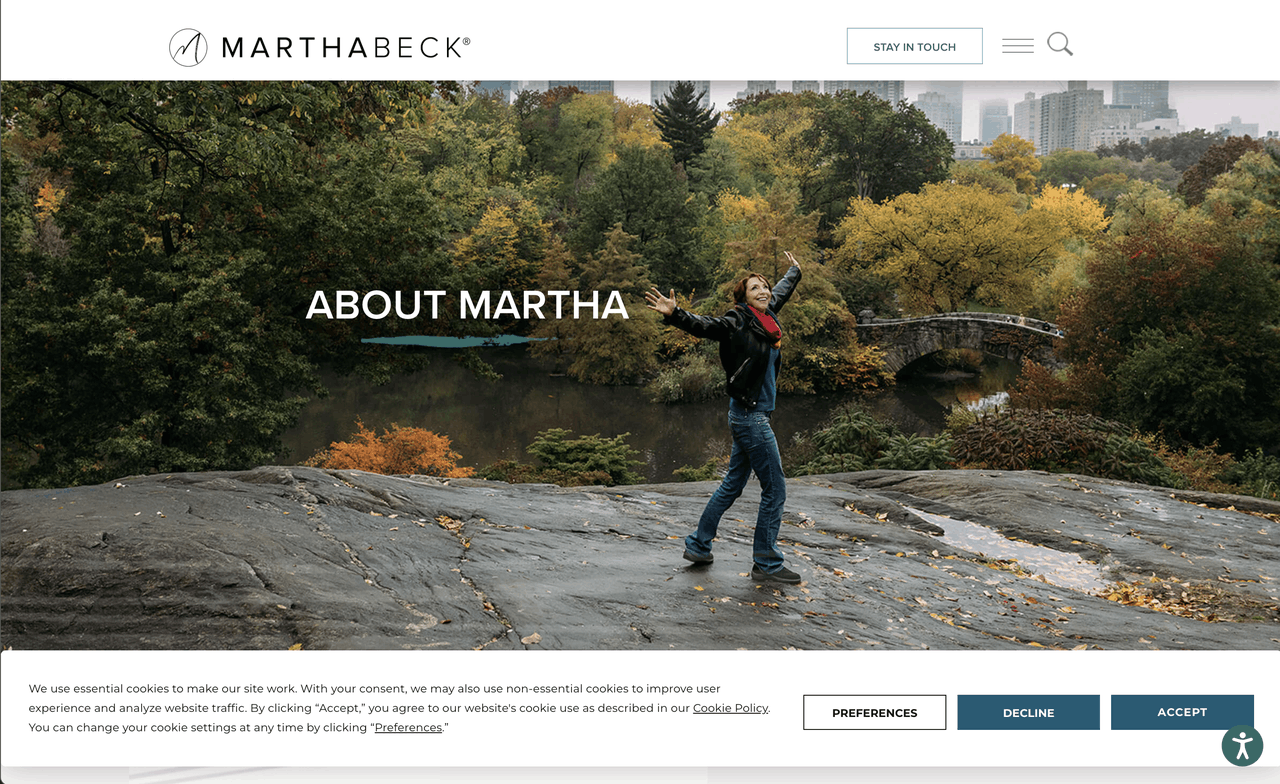
Martha Beck's website represents a high-trust, authority-driven coaching brand focused on personal growth and life transformation. As a bestselling author and renowned life coach, her site combines thought leadership content with structured service offerings, making it easy for visitors to understand her expertise and engage with her programs.
Why it works:
- Strong authority positioning supported by bestselling books, media features, and coaching credentials builds immediate trust.
- Clear segmentation of services, including coaching programs, workshops, and resources, helps users quickly identify relevant offerings.
- Long-form content and educational materials reinforce her role as a thought leader in the coaching industry.
- Simple navigation ensures visitors can move easily between learning content, programs, and contact options.
- Consistent branding and professional visuals create a credible and premium coaching experience.
Best takeaway: Authority-driven coaching websites work best when expertise is clearly supported by structured offerings and educational content that reinforces trust.
Noom
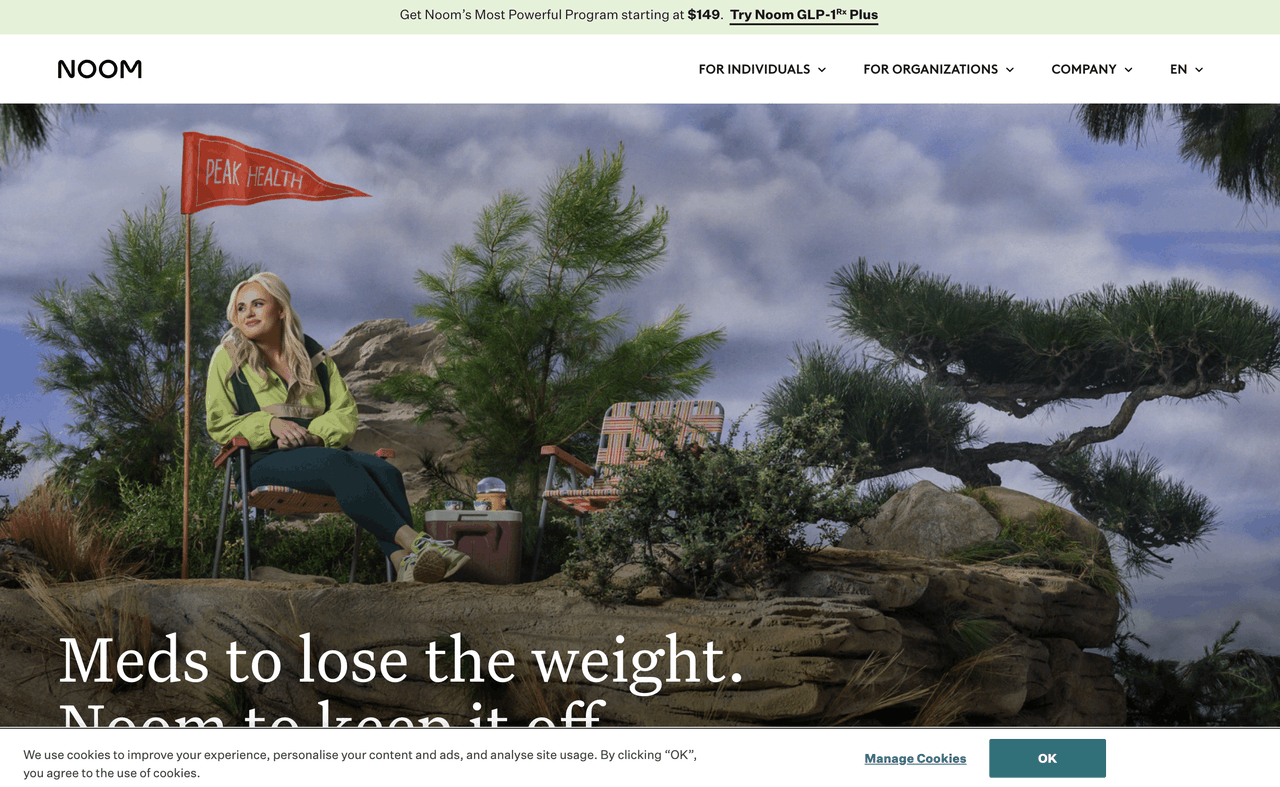
Noom is a behavior-change platform that combines coaching, psychology, and digital tools to help users build healthier habits and achieve long-term lifestyle goals. While not a traditional life coaching website, its product experience demonstrates how structured coaching systems can be translated into a highly effective digital journey focused on engagement, retention, and measurable outcomes.
Why it works:
- The onboarding experience is highly structured, guiding users through a step-by-step process that personalizes their coaching journey from the very beginning.
- Behavioral psychology principles are integrated into the platform, making habit formation feel simple, achievable, and data-driven.
- Clear goal-setting and progress tracking features keep users motivated and continuously engaged with the system.
- The interface is clean, mobile-first, and designed for daily interaction, ensuring users can easily stay consistent with their coaching plan.
- Strong conversion flows encourage users to start with a free assessment before gradually transitioning into paid coaching and subscription plans.
Best takeaway: Modern coaching websites can learn from Noom by turning coaching into a structured, guided experience. Instead of relying only on content or branding, focus on designing a step-by-step system that helps users take action and see measurable progress.
Phase 20
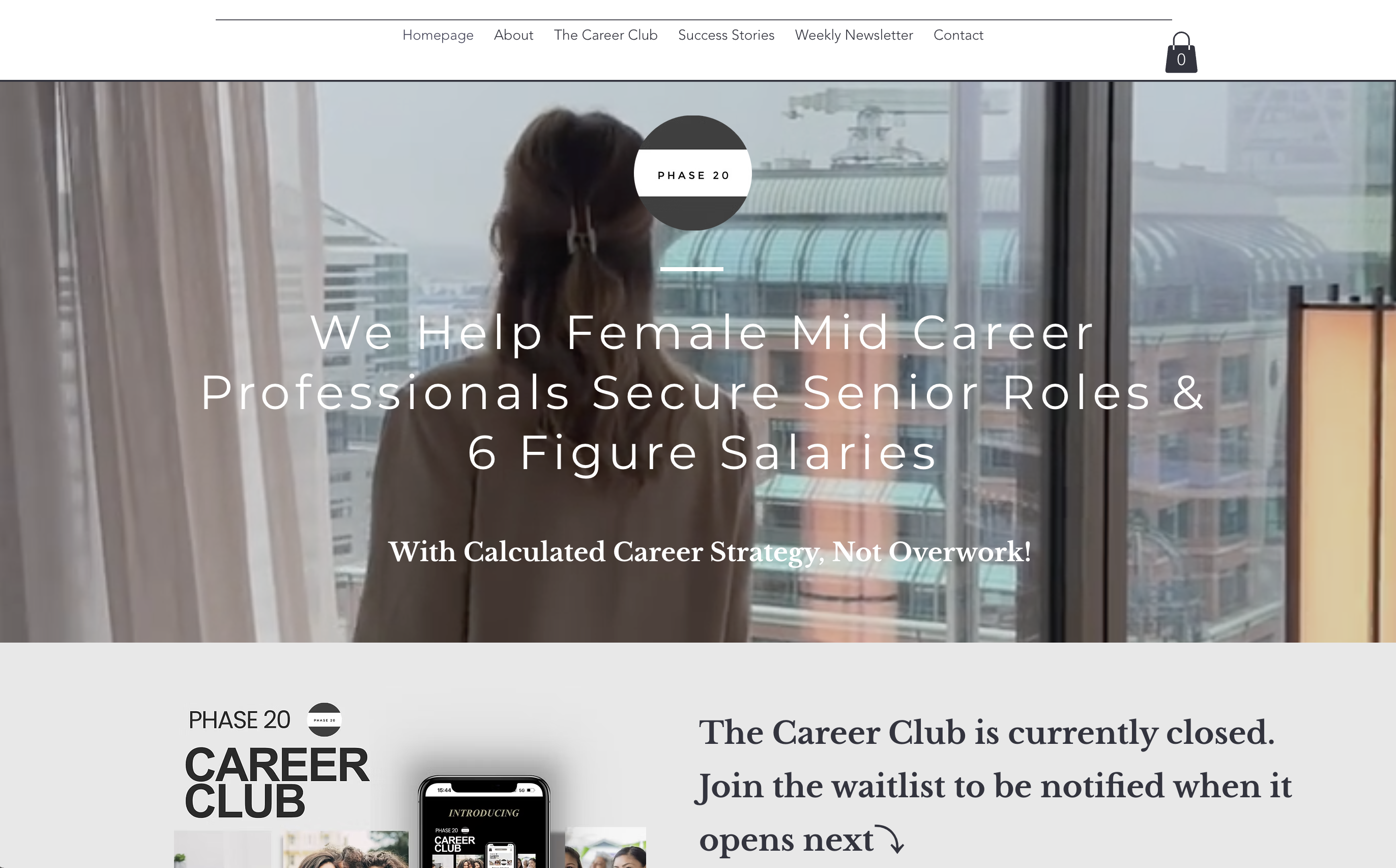
Phase 20 is a modern coaching website that focuses on career development, leadership growth, and structured coaching programs. Its design emphasizes clarity and forward momentum, using a clean UI and strong messaging to guide visitors through the coaching process.
Why it works:
- A modern, minimal interface highlights key information without overwhelming users.
- Clear positioning around career and leadership coaching makes the target audience immediately obvious.
- Structured program descriptions help visitors understand the coaching journey step by step.
- Strong visual hierarchy and typography improve readability and guide attention toward key actions.
- Strategic placement of booking and inquiry buttons supports a smooth conversion path.
Best takeaway: Modern coaching websites perform best when they combine clarity, structure, and a focused user journey that leads directly to conversion.
Use Social Proof to Build Trust
One of the biggest lessons from these life coach website examples is the importance of social proof. Coaching is a highly personal service, and potential clients want reassurance before committing to a program or booking a discovery session. Client testimonials, success stories, case studies, media features, certifications, and recognizable brand partnerships all help establish credibility and reduce uncertainty. Instead of simply telling visitors you're an experienced coach, let real results and authentic client experiences demonstrate the value of your coaching services.
Build a Strong Personal Brand
Your website should reflect who you are as a coach and what makes your approach unique. The most effective life coach websites clearly communicate their coaching philosophy, target audience, and personal story to create an authentic connection with visitors. Consistent branding, professional photography, and a clear value proposition help potential clients quickly understand how you can support their goals and why they should choose your coaching services.
Use Social Proof to Build Trust
Trust is one of the most important factors when choosing a life coach. Including client testimonials, transformation stories, media features, certifications, or professional credentials helps reassure potential clients that your coaching delivers real results. Rather than simply describing your expertise, use authentic feedback and measurable outcomes to demonstrate your credibility and encourage visitors to take the next step, whether that's booking a discovery call or contacting you for more information.
Frequently Asked Questions
What should a life coach website include?
A great life coach website should clearly explain who you help, the coaching services you offer, and the results clients can expect. Essential pages include an About page, Services, Testimonials, Contact page, and an easy way to book a discovery session. Adding a blog, FAQs, and client success stories can also improve your website's credibility, user experience, and search engine visibility.
Can I build a life coach website without coding?
Yes. Many modern website builders allow you to create a professional coaching website without any coding experience. With customizable templates, drag-and-drop editing, AI-powered design tools, and built-in booking features, you can launch a website that reflects your personal brand while saving time and development costs.
How do I get more clients through my life coach website?
To attract more coaching clients, focus on building trust and making it easy for visitors to take action. Clearly communicate your niche, showcase client testimonials, publish helpful content that answers your audience's questions, and include strong calls to action throughout your website. A fast, mobile-friendly website with a simple booking process can also improve conversions and help turn more visitors into paying clients.
Build Your Life Coach Website with Wegic
Creating a professional life coach website doesn't have to be complicated. Whether you're launching your first coaching business or refreshing an existing website, Wegic helps you design a beautiful, conversion-focused website that reflects your personal brand—without the need for coding or design experience.
Create a Personalized Coaching Website
Every coach has a unique story, coaching style, and target audience. Wegic helps you create a personalized website that showcases your expertise, services, testimonials, and booking options in a layout tailored to your brand. Whether you're a life coach, executive coach, wellness coach, or career coach, you can build a website that connects with your ideal clients.
Build Trust Through Beautiful Design
A well-designed website helps visitors feel confident about working with you. Wegic combines modern layouts, responsive design, and clear content structure to create a professional online presence that highlights your coaching philosophy and encourages visitors to book a discovery session. From compelling landing pages to mobile-friendly experiences, every element is designed to support trust and conversions.
Explore More Templates and Resources
Looking for more inspiration? Browse the Wegic portfolio to discover professionally designed coaching websites, explore our templates to kickstart your next project, and visit the blog for practical tips on website design, SEO, branding, and growing your coaching business online.