The Ultimate Beginner's Guide: Starting Your Travel Blog
Discover how to start a travel blog, with actionable steps, SEO strategy, and content tips tailored for any beginner travel blog looking to grow in 2025.
In an era of rapidly developing digital content, the way people document their travels is constantly evolving. From traditional paper diaries and photo albums to social media snapshots, information recording has become increasingly fragmented. However, as more travelers seek deeper expression and systematic archiving, travel blogs—a platform that combines storytelling, practical information, and personal brand building—are experiencing a revival.
Especially during the global travel recovery period after the pandemic, more and more people are searching for "how to start a travel blog." This trend stems not only from the personal desire to express oneself but also from the popularity of content platforms and AI tools, which have significantly lowered the barrier to content creation. Besides, you can see lots of travel blog examples with a click. According to Statista, there are now over 600 million blogs worldwide as of 2024, with travel blogs increasing to 6% of that total. Many of these are deeply tied to the travel industry, from airlines and hotels to experience-based services, creating massive potential for audience reach and monetization.
Today, blogging isn't just for professionals. Any traveler with a story to tell and the ability to share it in a thoughtful, organized way can use a travel blog to build their online presence and influence, one post at a time. Whether you're looking for travel blogging tips or thinking about launching your beginner travel blog, the timing has never been better.
What Exactly Is a Travel Blog
1.The Modern Blog
In the early days of the internet, blogs were simple online diaries—used to share personal thoughts, daily updates, or reflections. But as digital content matured, so did the blog. Today, a blog is a structured, searchable platform designed for long-term content publishing and personal brand building.
Unlike social media posts that disappear into the feed, blog content is built to last, be discovered, and grow in value over time.
Core traits of a blog include:
- Chronological publishing with a consistent update rhythm
- Open accessibility and search engine indexing
- A distinct, personal voice and style
- The ability to attract an audience, share, and build authority
2.So, What Is a Travel Blog?
A travel blog is a specialized form of blogging dedicated to sharing travel stories, tips, and experiences. It can take the form of written posts, rich photo stories, videos, or even podcasts. Some travel blogs serve as personal travel journals, while others are built for public sharing, community building, or brand partnerships.
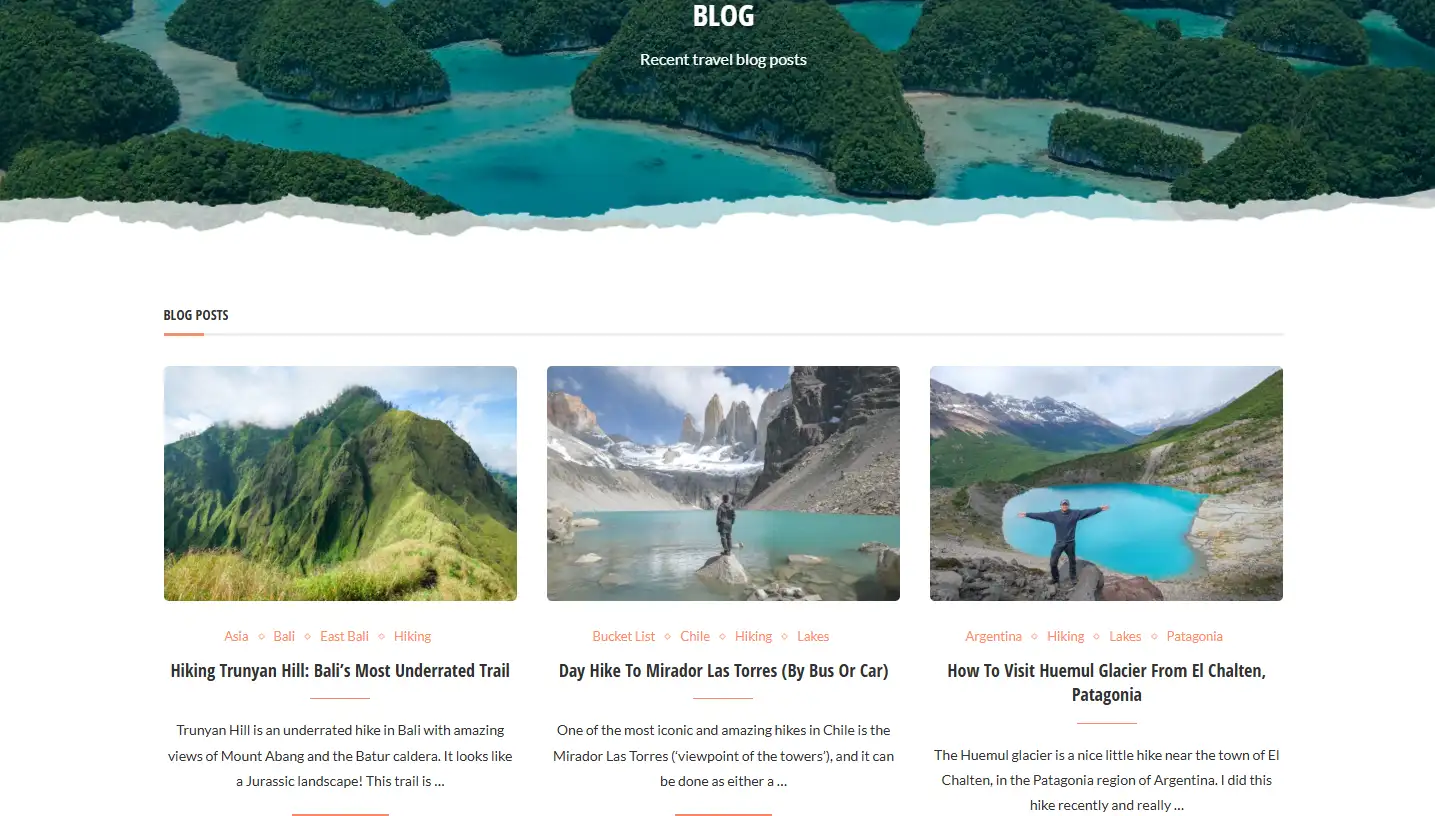
At its core, a travel blog helps you:
- Share practical travel info like hotel tips, visa updates, and route planning
- Build an emotional connection through immersive storytelling
- Deliver visual inspiration using high-quality photos and videos
- Develop your brand and attract opportunities for collaboration or monetization
- Archive your experiences in a structured way for future reference or content reuse
The resurgence of blogging proves that knowing how to start a travel blog today isn’t just about storytelling—it’s about building digital capital that lasts.
3.Why Travel Blogs Still Matter Today
More and more travel lovers are launching their blogs—not just to document their trips, but to:
- Build a portfolio of their writing, photos, or travel insights
- Connect with readers and receive direct feedback
- Shape a professional personal brand
- Partner with tourism boards, airlines, or global brands
- Promote services like custom itineraries, digital products, or travel photography
Some travel blogs have grown into full-time careers—like Nomadic Matt, Kara and Nate, or The Culture Trip—each drawing millions of visitors every year. So yes, travel blogging is still alive—and thriving. It's more than just self-expression: it's a strategic content asset with the power to build influence, unlock opportunities, and sustain long-term digital growth.
How to Start a Travel Blog
So you've decided to start a travel blog—great! But where do you begin? Setting up a blog is more than just picking a platform or writing your first post. From content strategy to SEO, from visual branding to publishing systems, each decision shapes your blog's long-term success.
Step 1: Define Your Niche and Audience
This is the step most beginners skip—but it's the one that matters most. Without a clear focus, it's easy to publish inconsistently, confuse readers, and lose momentum.
Start by asking:
- Who are you writing for? Students, solo travelers, families, luxury vacationers?
- What's your travel style? Minimalist? Cultural immersion? Luxury escapes?
- Do you offer a unique lens? Photographer? Local culture geek? Culinary explorer?
- Do you lean toward practical guides or emotional storytelling?
Need inspiration? Here are blog topic ideas:
- "100 Days in Japan" – a deep-dive travel series
- "10 Hidden Villages Around the World" – themed exploration
- "Southeast Asia vs. Middle East: Which Is Better for Budget Travel?" – comparative insight
- "30 Places to Visit Before 30" – aspirational listicles
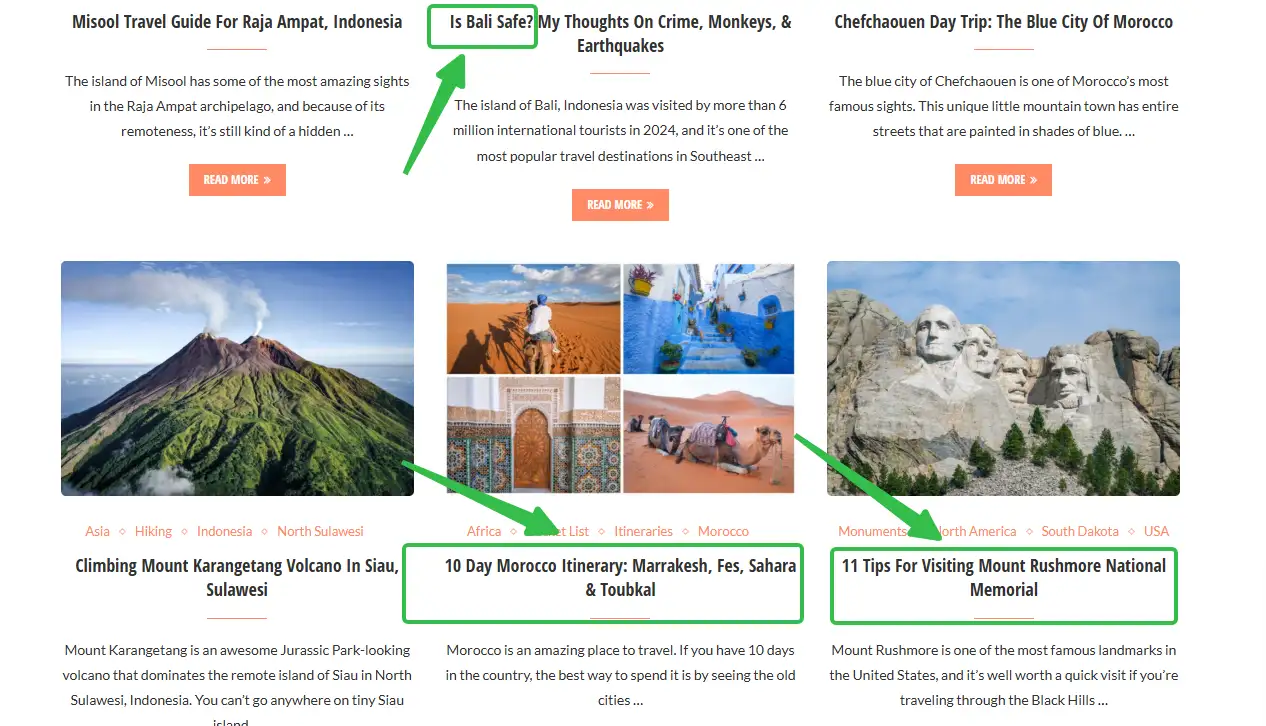
This foundational clarity is what separates a forgotten beginner travel blog from one that gains traction with smart travel blogging tips and SEO.
Step 2: Pick Your Platform and Build Your Brand
Choosing the right platform isn't just about ease of use—it's about control, SEO, and long-term growth.
| Platform | Best For | Pros | Limitations |
| WordPress.org | Bloggers serious about growth | Full control, scalable, SEO-friendly | Steeper learning curve |
| Wix / Squarespace | Visual creators | Fast setup, elegant templates | Limited SEO and export flexibility |
| Medium / Substack | Quick starters | Built-in audience, easy publishing | Less control, poor for branding |
Smart domain tips:
- Keep it short, simple, and relevant
- Use travel-related keywords (e.g., nomad, journey, wander)
- Secure a .com domain and consistent usernames across platforms
From day one, treat your blog like a brand. Choose a name, design a logo, and apply a color scheme—even if you haven't monetized yet.
Step 3: Write with Purpose, Structure for Search
A blog lives and dies by its content. Strong blogs don't just tell stories—they organize information for real-world use and search engine visibility.
Your content should do more than express—it should inform, answer, and convert.
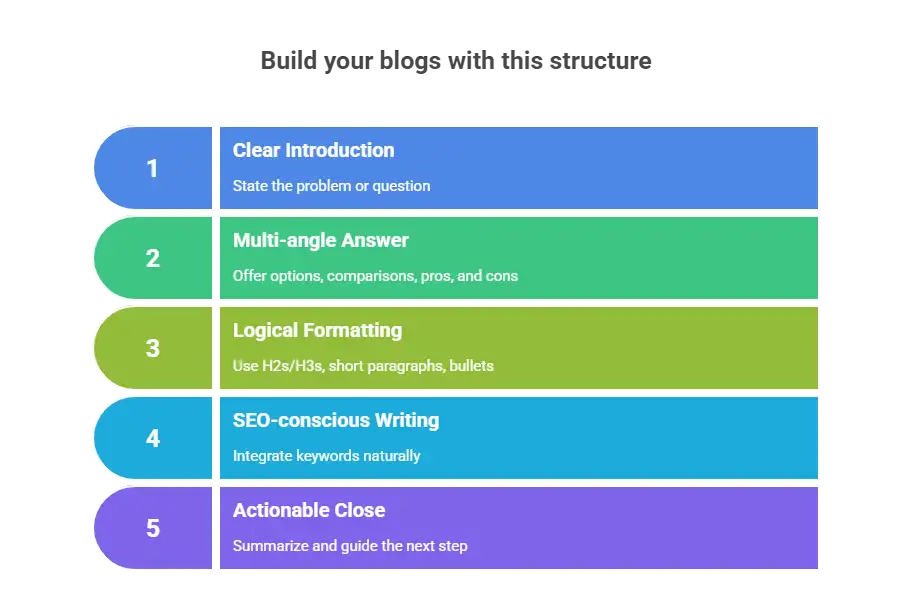
Build your articles with this structure:
- Clear introduction: state the problem or question
- Multi-angle answer: offer options, comparisons, pros, and cons
- Logical formatting: use H2s/H3s, short paragraphs, bullets
- SEO-conscious writing: integrate keywords naturally (1 every ~150 words)
- Actionable close: summarize and guide the next step (subscribe, download, comment)
Don't think of yourself as a travel writer—you're building an information system for future travelers. A beginner travel blog lives and dies by its content, especially if you want to compete on search and grow your audience fast.
Step 4: SEO—Make Your Blog Discoverable
Great content is wasted if no one finds it. SEO is the engine behind sustainable blog traffic. Especially with Google's shift toward AI-generated summaries (AI Overviews), structure and clarity are more crucial than ever.
Basic SEO tactics:
- Include a main keyword in the title (e.g., how to start a travel blog)
- Write a custom meta description (~150 characters) with secondary keywords
- Answer the core question in the first paragraph
- Use clear H2/H3 subheadings for easy scanning
- Add image alt text + short captions to support search indexing
- Use internal links (to your content) and external links (to reliable sources)
Step 5: Grow Your Blog Beyond Publishing
Hitting "publish" is just the beginning. To build an audience, you need active distribution and engagement strategies.
Ways to grow your reach:
- Repurpose content for other platforms (e.g., LinkedIn, Reddit, Xiaohongshu)
- Build an email list for loyal reader retention
- Enable RSS or use Wegic's auto-update feature to keep content flowing
- Create a content calendar to plan your posts and keep a consistent voice
- Repurpose articles into scripts, videos, or multilingual versions using AI
A real travel blog isn't just a journal. It's a blend of strategy, structure, and systems. From the very first post, you're building a professional digital asset that can grow, attract partnerships, and scale into something bigger. This is what "how to start a travel blog" really means. Creating repeatable systems for content repurposing is one of the most overlooked travel blogging tips for building long-term momentum.
How to Keep Your Travel Blog Alive, Engaging, and Growing
If you're wondering why many beginner travel blog projects fizzle out, it's usually due to a lack of structure, not passion. Starting a travel blog is easy. Turning it into a sustainable, valuable digital asset? That takes structure, strategy, and a long-term mindset. Most blogs don't fail because their authors give up—they fail because they lack a clear system. Here's how to avoid that, with actionable tips across four key pillars: content design, SEO, reader relationships, and publishing rhythm.
1.Structure Your Content Like a Service, Not a Diary
Too many blogs fall into the trap of "this is what I did." But readers don't just want your story—they want help making decisions.
Shift from personal narrative to decision-focused guidance.
- Instead of "I went here," say "Here are three routes for different budgets."
- Instead of "I stayed here," say "Which type of traveler is this place best for—and why?"
- Instead of "The food was great," explain "When to go, what to order, and how much to expect."
Your blog should answer real travel questions—before your readers ask them. Structure your posts with layers of information:
- Local context (culture, geography, requirements)
- Option comparisons (cost, time, vibe)
- Audience fit (families, solo travelers, luxury seekers)
- Risks and pro tips
This strategic shift is what turns your diary into a valuable, searchable hub—and a key piece of learning how to start a travel blog that scales.
2.Think SEO
SEO isn't about stuffing keywords—it's about making your beginner travel blog content scannable, discoverable, and valuable across platforms. SEO Essentials:
- Use proper H2/H3 headings to organize your ideas
- Place your main keyword (like how to start a travel blog) in the title, intro, and meta description
- Aim for 1,200+ words to rank better in AI summaries and rich snippets
- Tag all images with descriptive ALT text
- Add internal links to related posts to build authority in your niche
Every blog post should link to at least 2 others—create content clusters to boost your topical authority.
3.Build Real Relationships
Your blog is not a one-way street. It's the start of a conversation. Tips to nurture your audience:
- Add "Next Post" suggestions or email signups at the end of articles
- Ask for comments, and reply to everyone
- Turn reader questions into future blog posts
- Use Wegic or similar tools to build content + email, + community funnels
- Offer perks for loyal readers, like early access or exclusive content
The goal? Convert clicks into community.
4.Plan Like a Publisher
You don't need more motivation. You need a system. Most blogs go quiet after 3 months, not from burnout, but from chaos. Operationalize your content:
- Create a quarterly theme + content calendar
- Break one blog post into multiple formats (social posts, videos, short guides)
- Use AI to generate outlines, optimize headlines, and check SEO
- Set recurring columns (e.g., Monthly Hidden Gem, Seasonal Guides)
- Track performance and iterate based on data
A great travel blog isn't just written—it's architected. It's a system of design, structure, reader value, and long-term planning. Ready to go from blogger to digital publisher? Explore Wegic and turn your travel stories into a content ecosystem built for growth.
Wegic AI
For those just learning how to start a travel blog, tools like Wegic simplify complex tasks and save you countless hours per week. Wegic isn't just a tool—it's your AI-powered blogging partner, built to simplify content creation and help your travel blog scale with structure, clarity, and speed.
| Feature | What It Does | Why It Matters |
| Topic Assistant | Recommends article titles and outlines based on keywords, trends | Saves time brainstorming and boosts engagement potential |
| SEO Analyzer | Optimizes tags, keyword usage, and blog structure | Improves rankings and increases visibility in Google & AI search previews |
| AI Writing Assistant | Generates SEO-ready drafts with clean formatting and clear sections | Speeds up writing and ensures consistency |
| Multi-Platform Publishing | One-click distribution to WordPress, Xiaohongshu, WeChat & more | Expands your reach while cutting manual workload |
Wegic, your blogging tools, helps with rewriting old posts, generating visuals, and optimizing metadata, making it ideal for creators who want to grow a long-term content asset, not just a blog.
Click here to build your site👇

Conclusion
"How to start a travel blog" is never just a technical process—it's the start of a content strategy. You need to choose the right platform, build a thoughtful structure, deliver high-quality content, understand your readers, master SEO, and shape your brand—all while thinking long term.
More importantly, in a world dominated by algorithms and content overload, individual creators can only stand out by using structured expression and intelligent tools. That's where AI tools like Wegic come in—helping bloggers with topic generation, assisted writing, SEO enhancement, multi-channel publishing, and even monetization workflows. Writing a blog isn't a passing whim—it's a serious act of building a content system. Choosing the right way to start is your first real step toward sustainable growth in the content ecosystem.
Written by
Kimmy
Published on
Mar 17, 2026
Share article
Read more
Our latest blog
Webpages in a minute, powered by Wegic!
With Wegic, transform your needs into stunning, functional websites with advanced AI
Free trial with Wegic, build your site in a click!
What kind of website do you want to build?