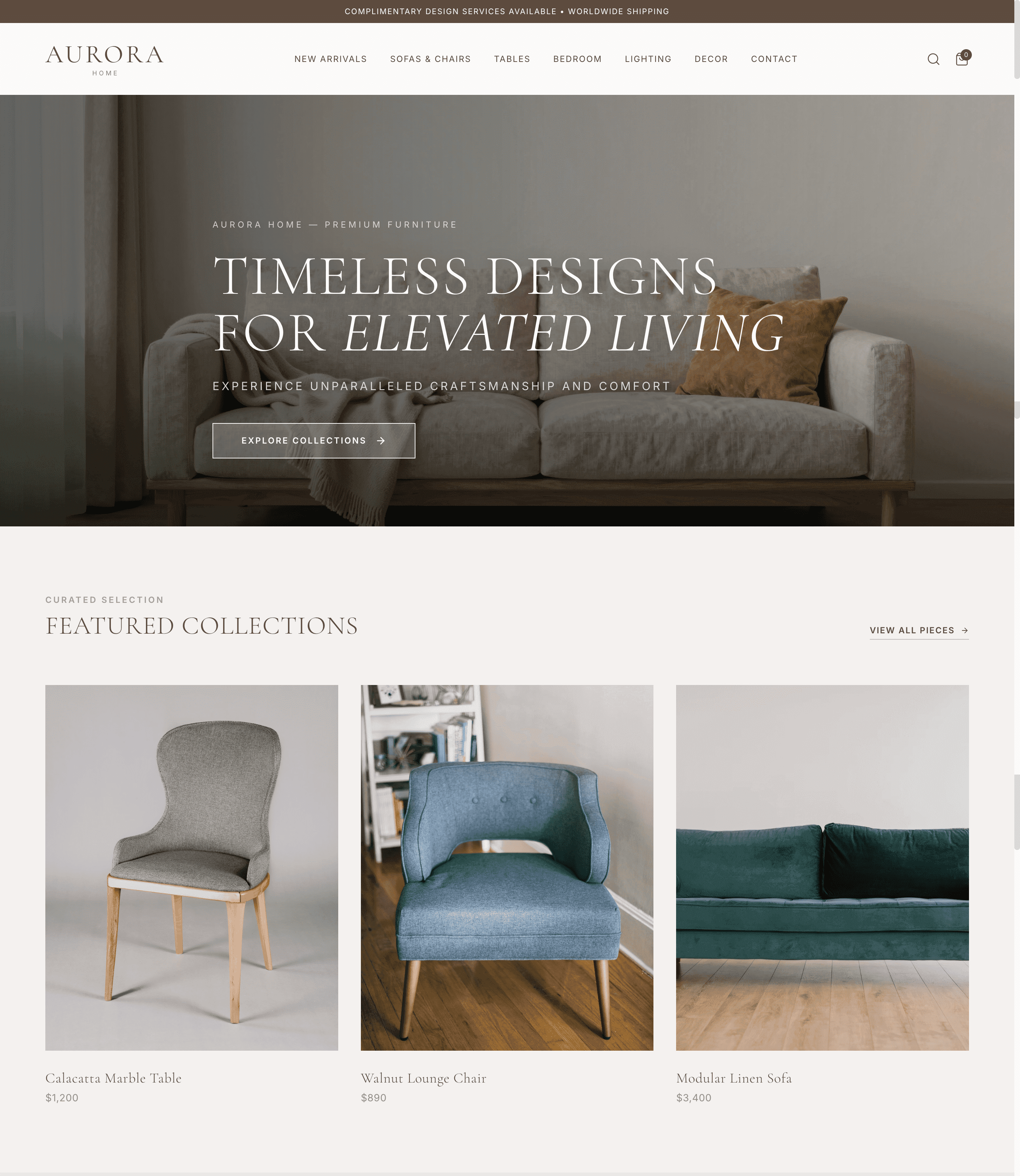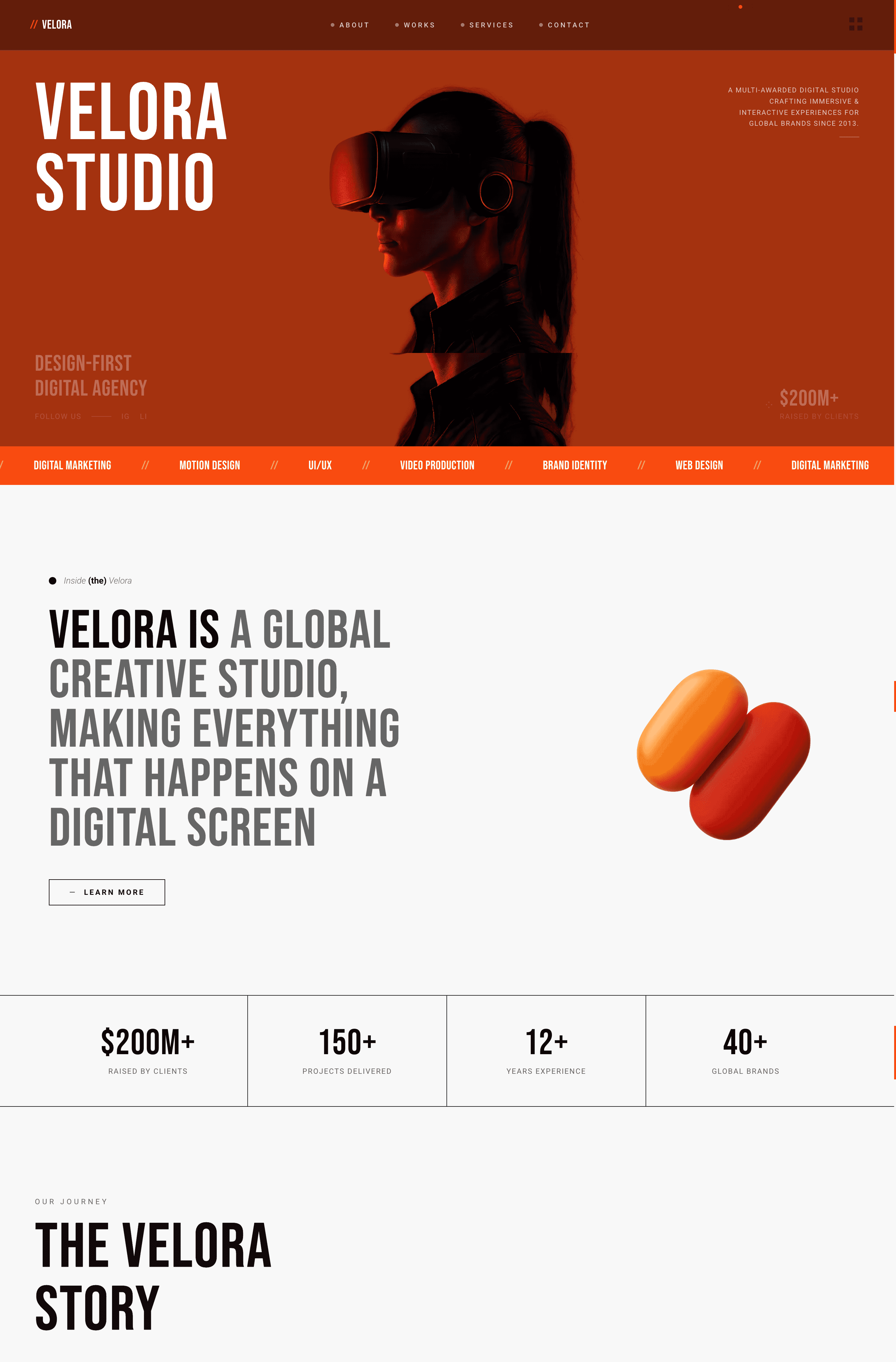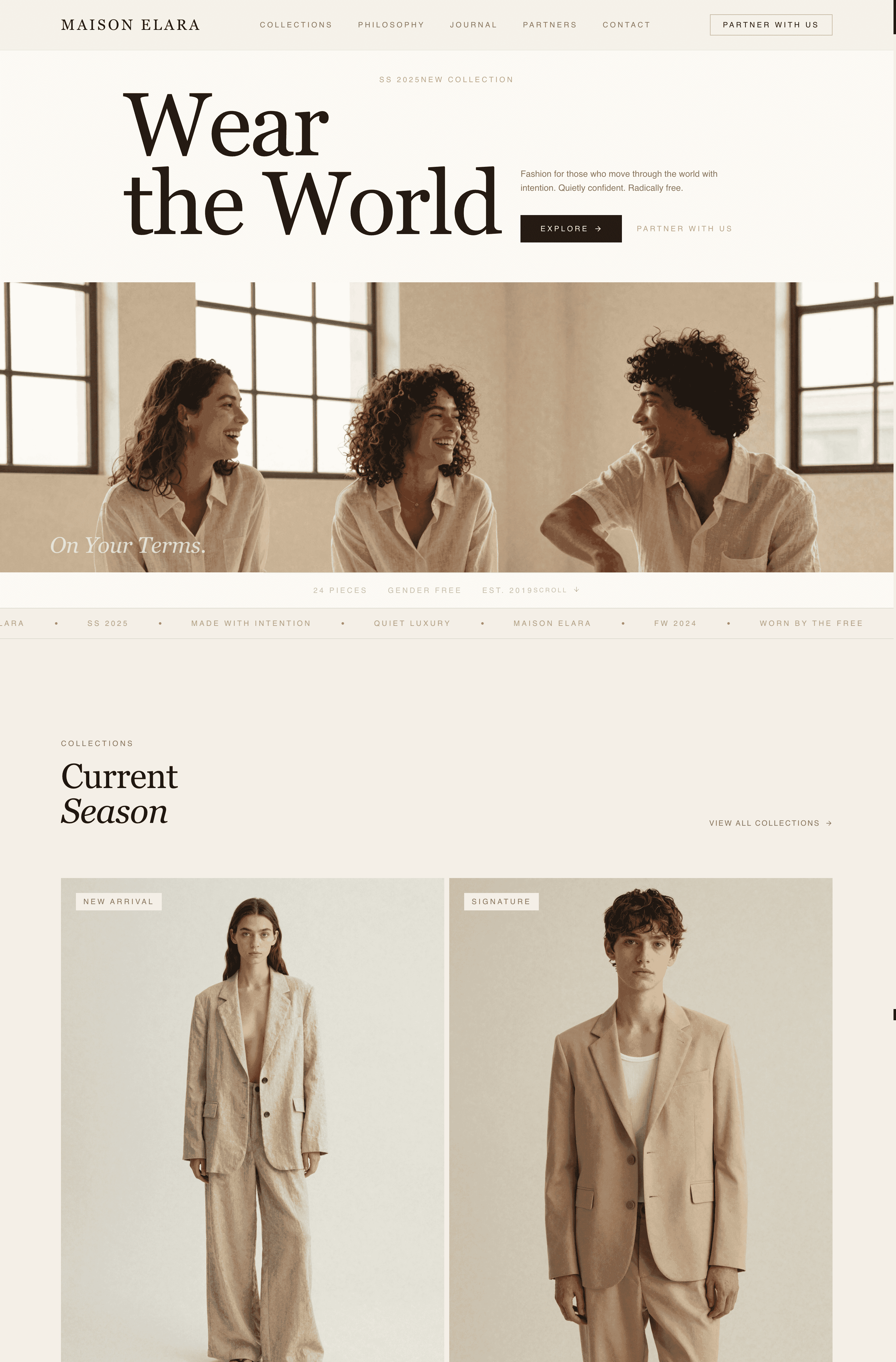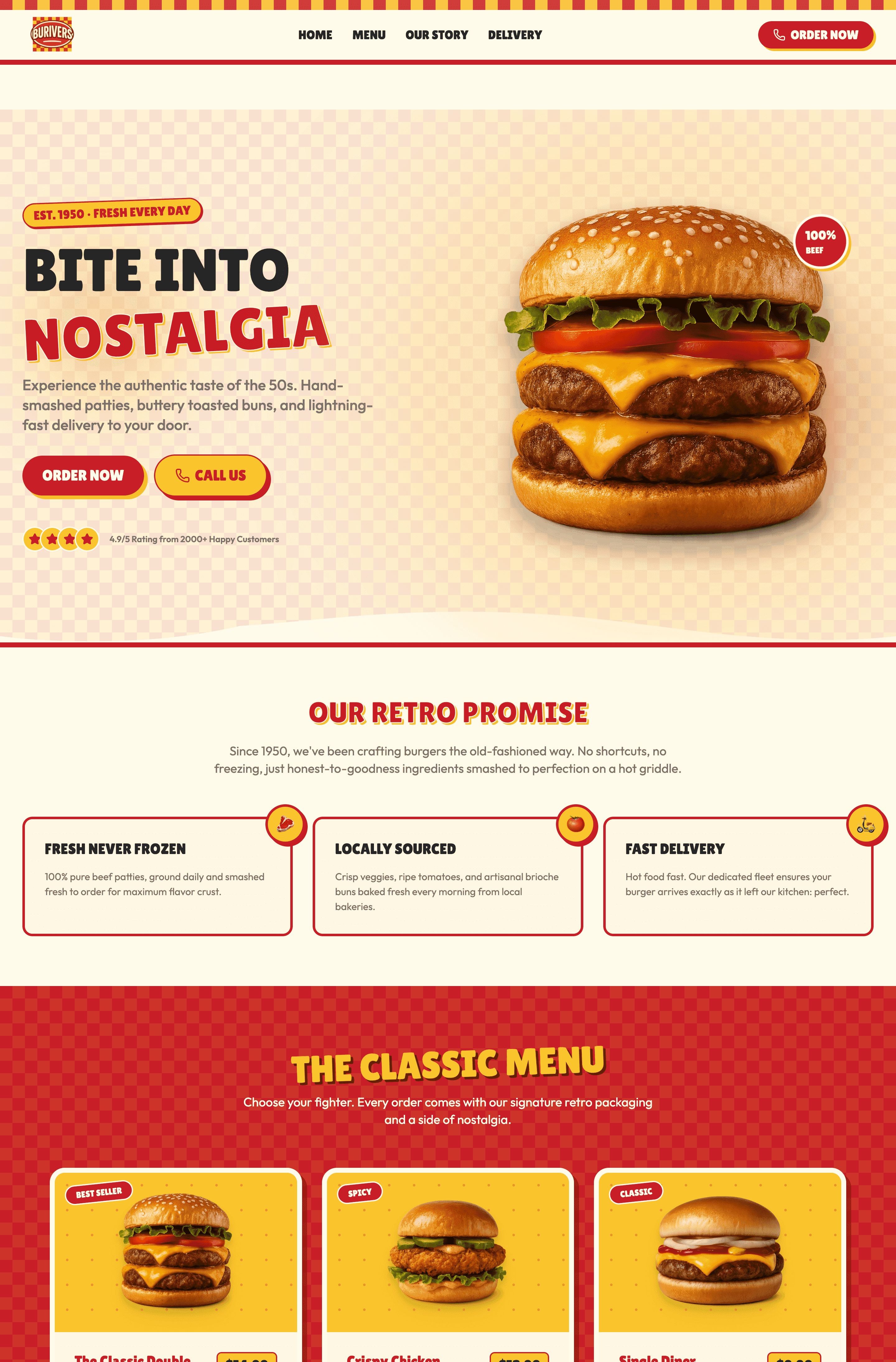
GoDaddy's website builder has powered millions of small business sites since its redesign, offering drag-and-drop simplicity and industry-specific templates. As we move deeper into 2026, AI website builders like Wegic are transforming the game by letting you create fully customised, professional sites through simple conversation. According to Webrocket, about 5.78 million people now prioritise mobile-first design. A responsive website matters, making it important to build such a site easily against the backdrop of AI tools.
Now we have an AI tool; looking at real GoDaddy website examples can save you hours of guesswork when planning your own site. This article showcases 20 handpicked GoDaddy website design examples from real businesses, breaking down what makes each one effective and where they fall short.
20 Outstanding GoDaddy Website Design Examples Across Industries
Understanding how real businesses use GoDaddy's platform reveals both its strengths and practical limitations. These examples span diverse sectors, each demonstrating specific design choices that either enhance user experience or expose the constraints of template-based builders.
DESTIHL Brewery
DESTIHL represents one of the more content-rich GoDaddy websites, featuring over 20 pages covering their craft beer selection, restaurant menus, events calendar, and sustainability initiatives. The site effectively uses high-quality e-commerce photography to showcase its brewing process and venue atmosphere. Navigation remains intuitive despite the extensive content, with clear category separation between beers, food, and events.
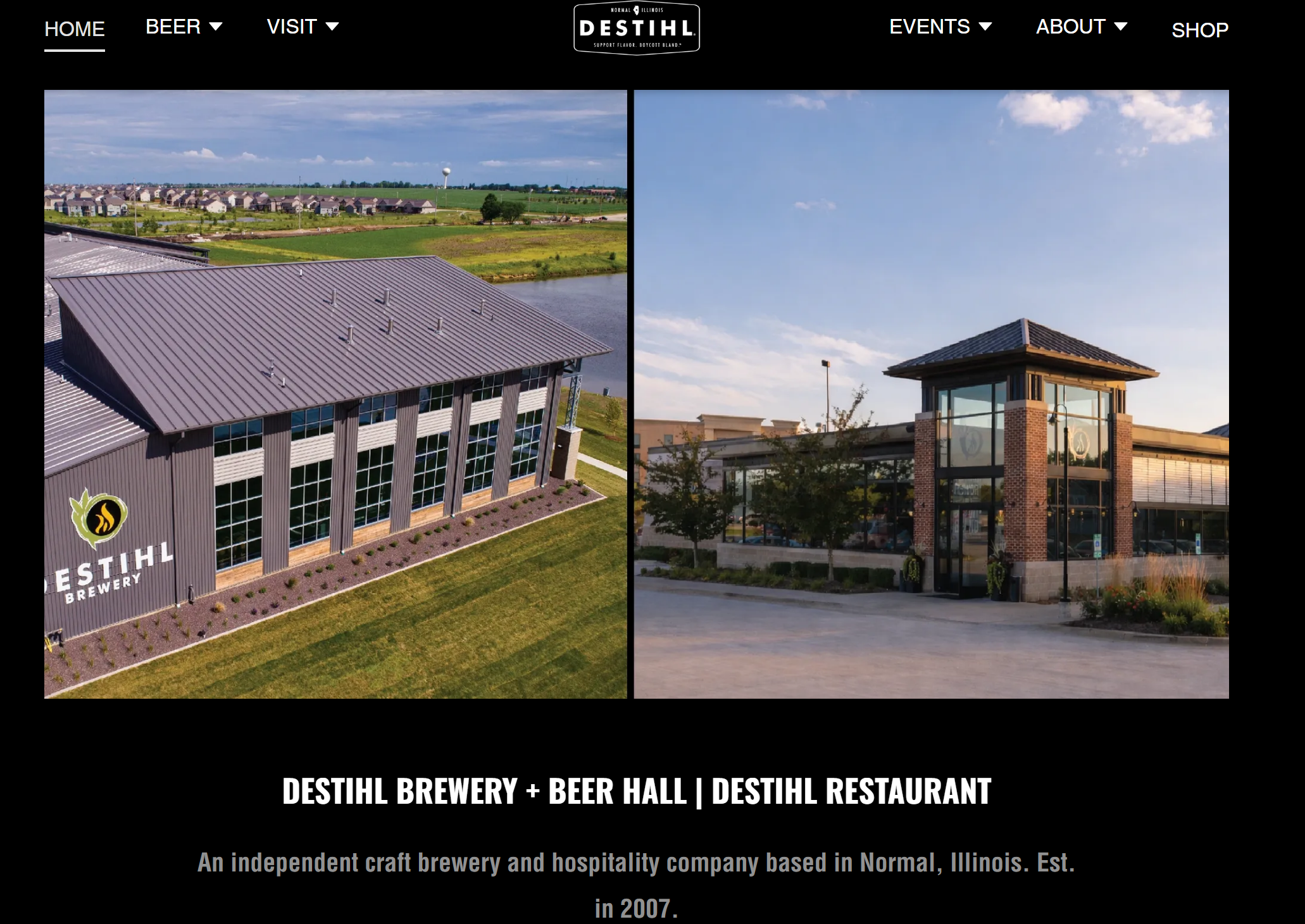
What stands out here is the strategic use of visual hierarchy. The homepage immediately establishes brand identity through bold imagery while maintaining fast load times. However, the template structure becomes apparent in the rigid grid layout, which limits creative storytelling opportunities that a custom-built or AI-generated site could provide.
Julie Janney Fine Art
Julie Janney's portfolio site demonstrates how artists can effectively showcase visual work within GoDaddy's framework. The Colorado-based painter organised her work into clear categories: trees, flowers, cacti, and abstract designs, making it easy for potential buyers to browse specific themes. The clean, gallery-style layout puts artwork front and centre without unnecessary distractions.
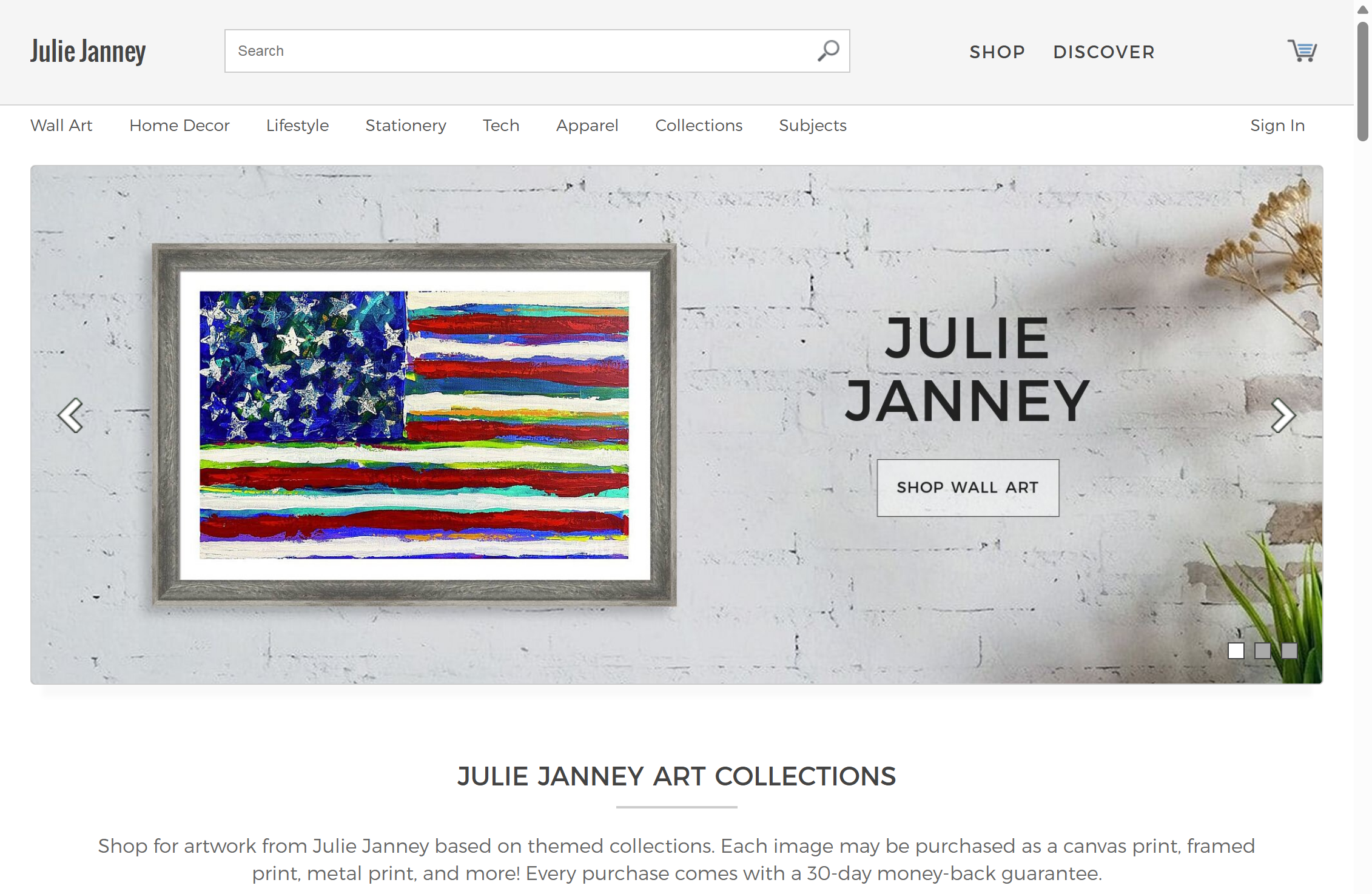
For creative professionals, this example proves that simplicity often wins. The site includes essential contact information and an about section that builds a personal connection.
St. Paul's Episcopal Church
This community organization site prioritizes accessibility and immediate information delivery. Visitors see service times and a welcoming church photo right at the top, followed by upcoming events and ways to get involved. The straightforward approach works perfectly for the target audience, community members seeking basic information quickly.
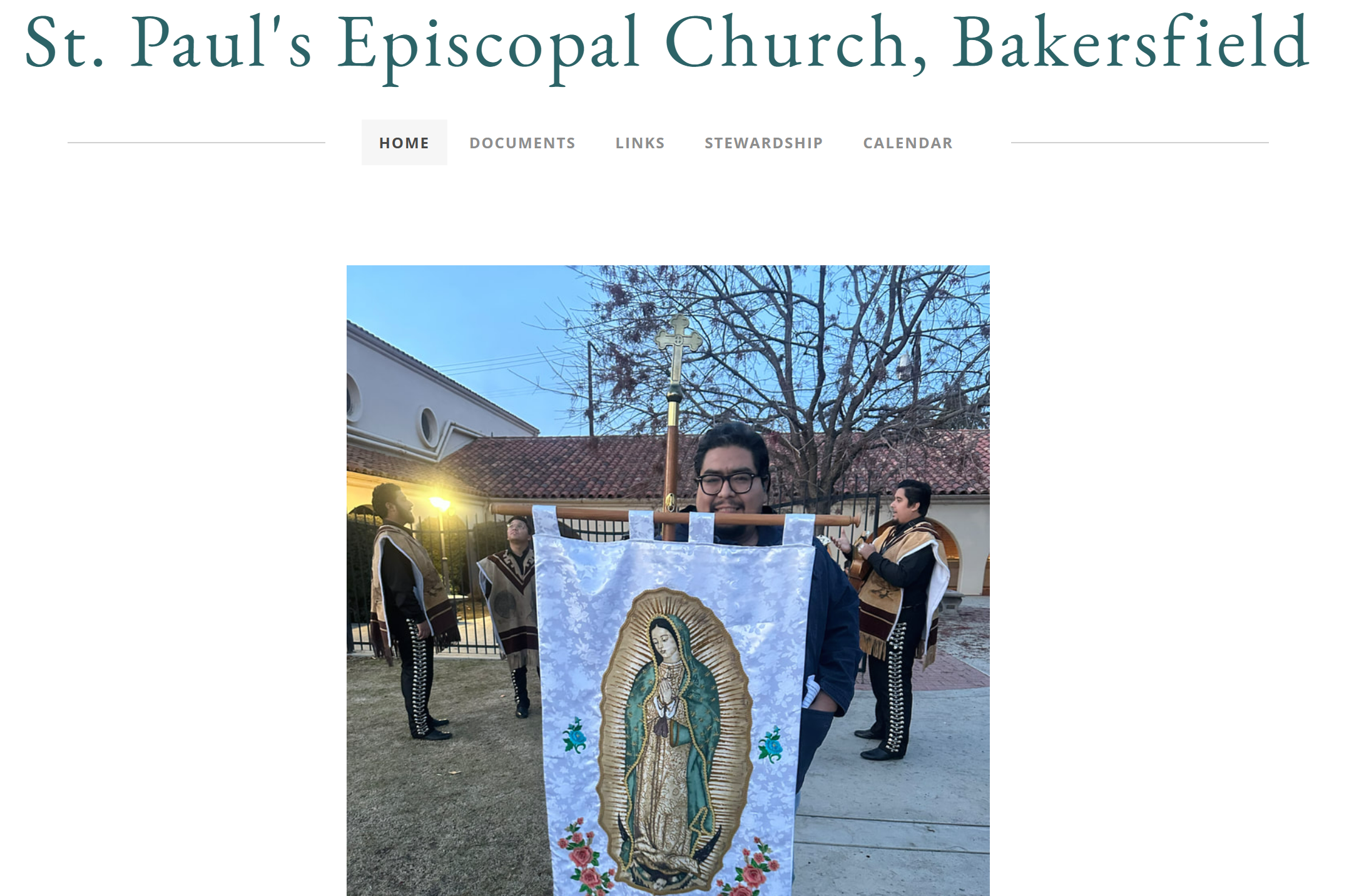
The design philosophy here aligns with the organization's needs: clarity over creativity. The site functions as a digital bulletin board, which is exactly what a local church requires. However, organizations looking to create more engaging storytelling experiences or integrate advanced features like donation tracking might find the platform limiting.
The Nonprofit Project
This non-profit conference site uses GoDaddy's builder to create awareness around suicide prevention while facilitating event registration and community connection. The design balances sensitivity with functionality, using calming colors and clear calls-to-action for involvement opportunities.
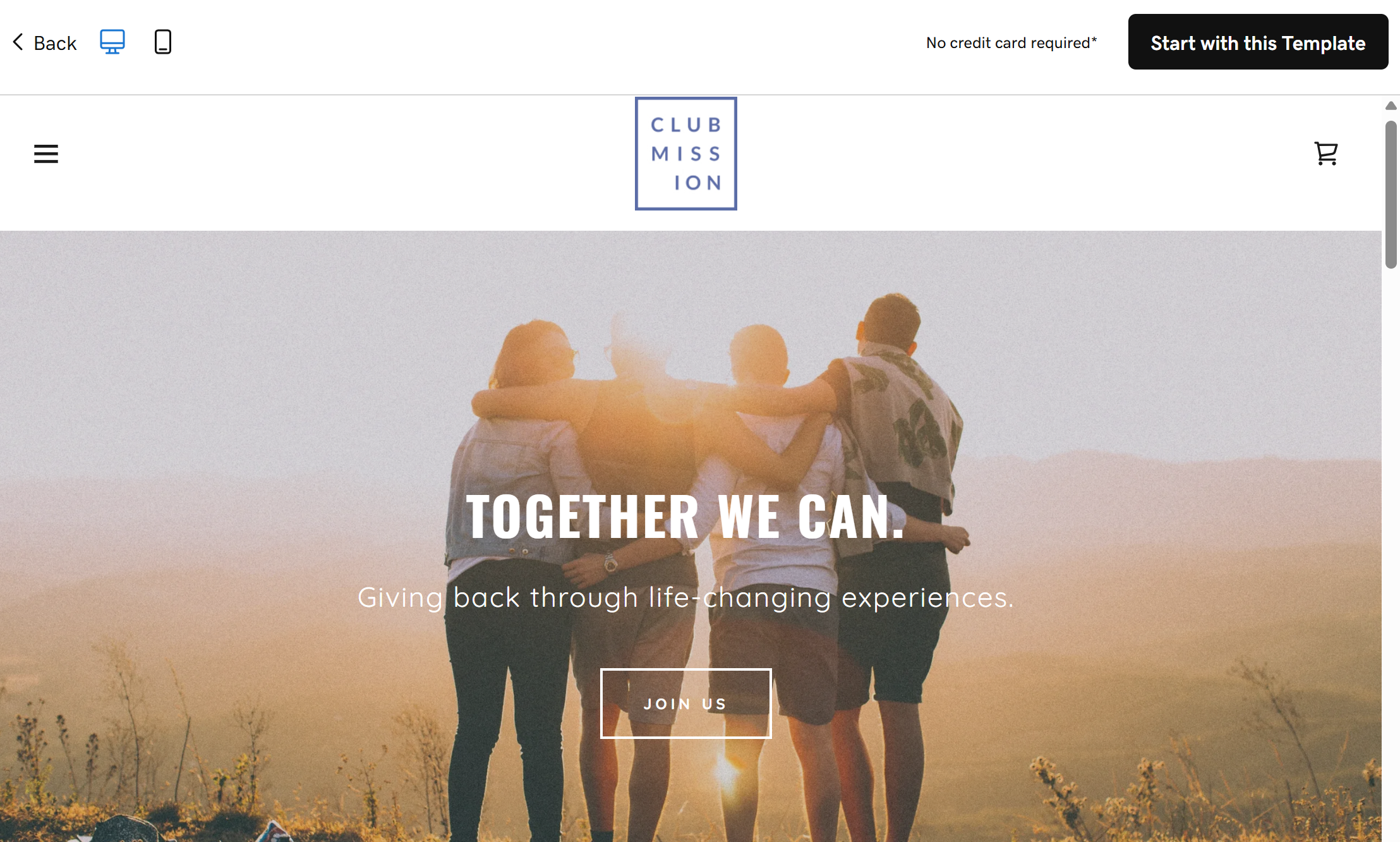
The site demonstrates how mission-driven organizations can leverage templates effectively when the message matters more than cutting-edge design. Social media integration helps extend reach beyond the website itself.
Crescent Flight Ops
Crescent Flight Ops showcases how service-based businesses can establish credibility through professional presentation. Despite working within GoDaddy's block-style templates, they differentiated their site through a distinctive colour palette and strategic use of mixed media, combining photos, icons, and text blocks to maintain visual interest.
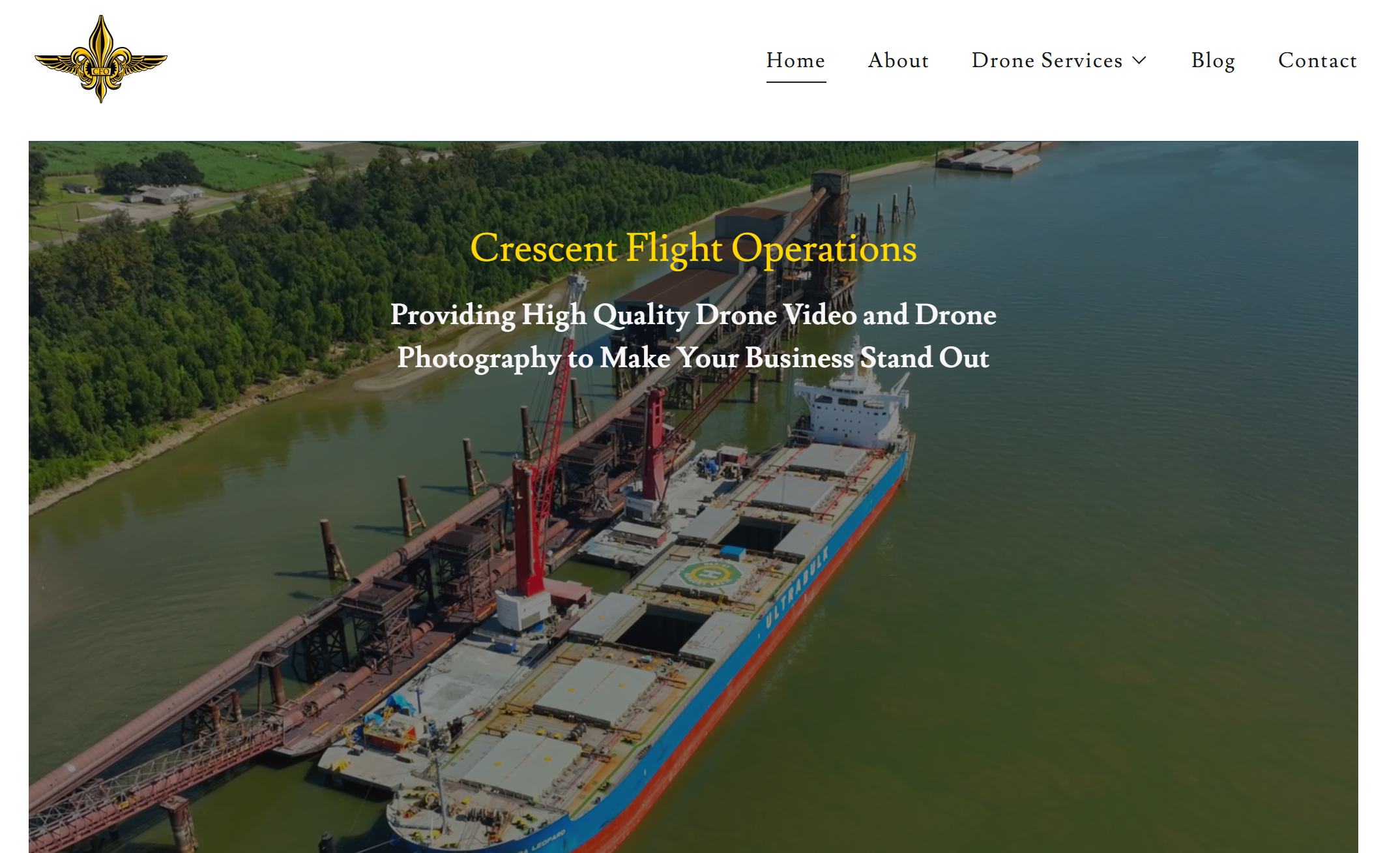
This example illustrates an important principle: customisation within constraints. While the underlying structure remains template-based, thoughtful content choices create a unique brand experience. However, businesses competing in crowded service industries might struggle to stand out when competitors use similar structural frameworks.
Better Living Shopping
Better Living Shopping demonstrates GoDaddy's e-commerce capabilities with organised product categories, customer ratings, and clear navigation. The site includes essential trust signals like product reviews and secure checkout indicators, which are crucial for converting browsers into buyers.
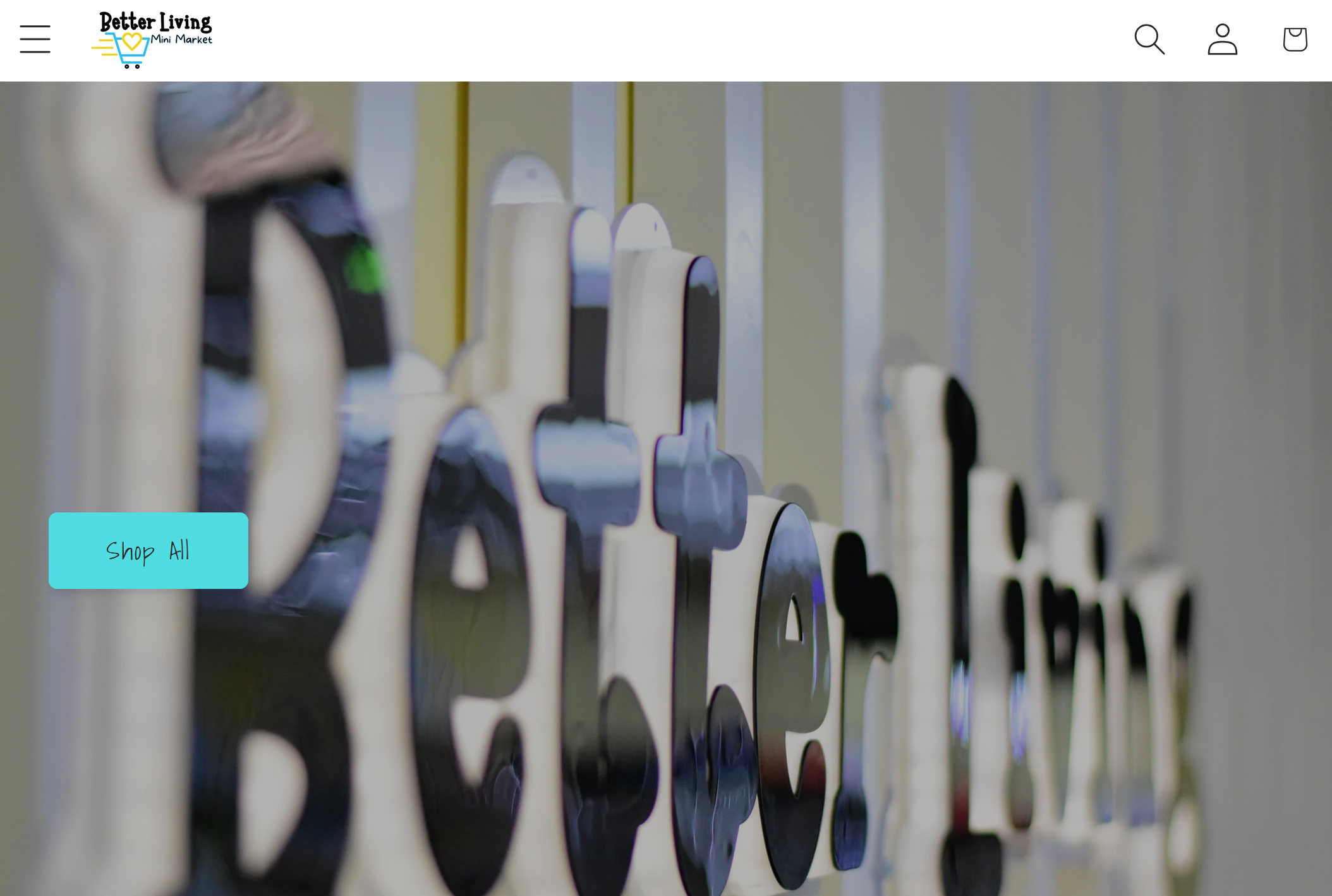
Stores requiring advanced features like dynamic pricing, inventory management, or personalised product recommendations may find themselves constrained by the platform's capabilities.
My Model House
My Model House creates 1/100 scale architectural models for architects, builders, and homeowners. Their GoDaddy site effectively showcases their specialised service through detailed project photos and clear explanations of the custom model creation process.
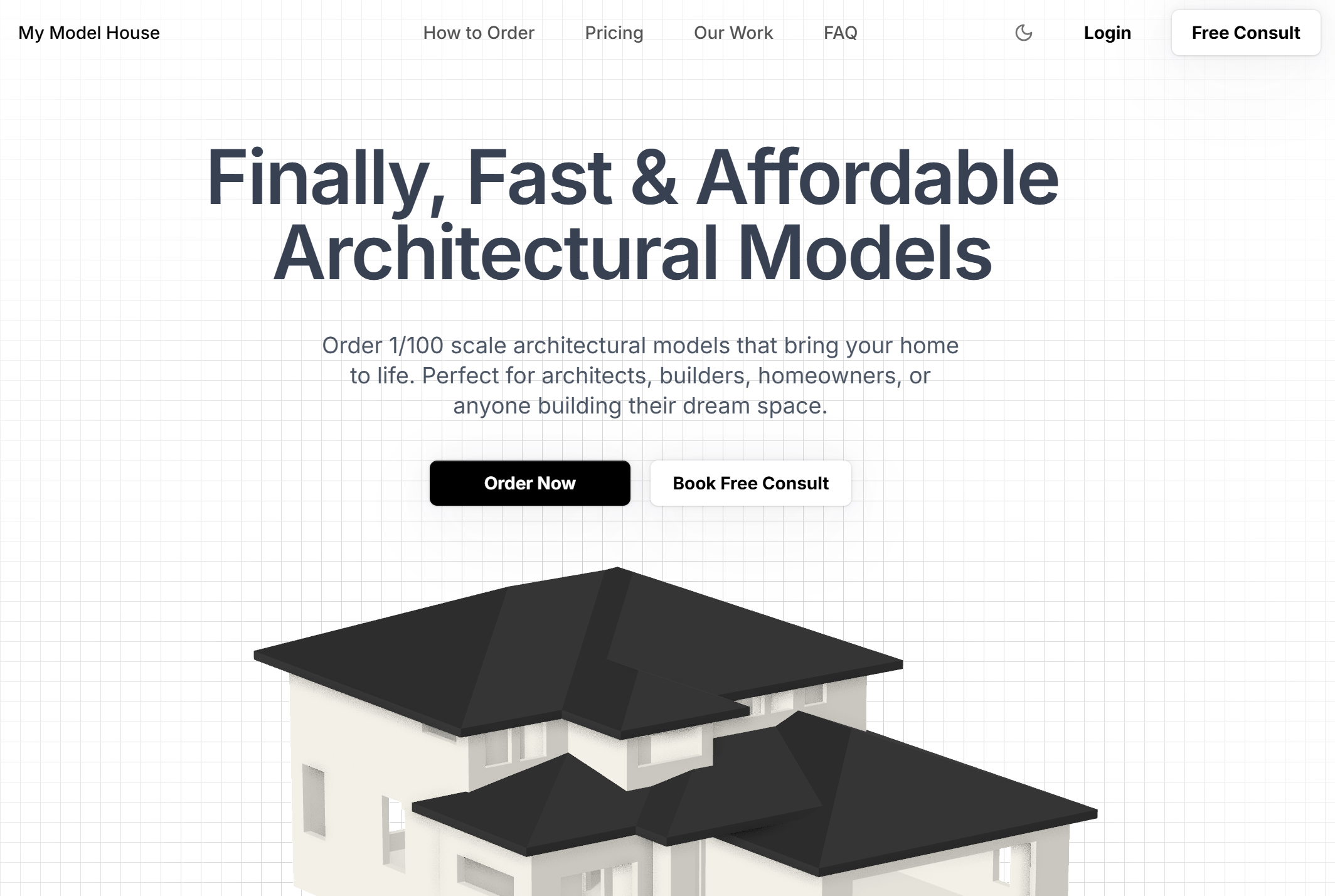
This niche business example proves that even specialised services can find success with straightforward website builders. The focus remains on portfolio presentation and contact conversion rather than complex functionality.
Simon Kim
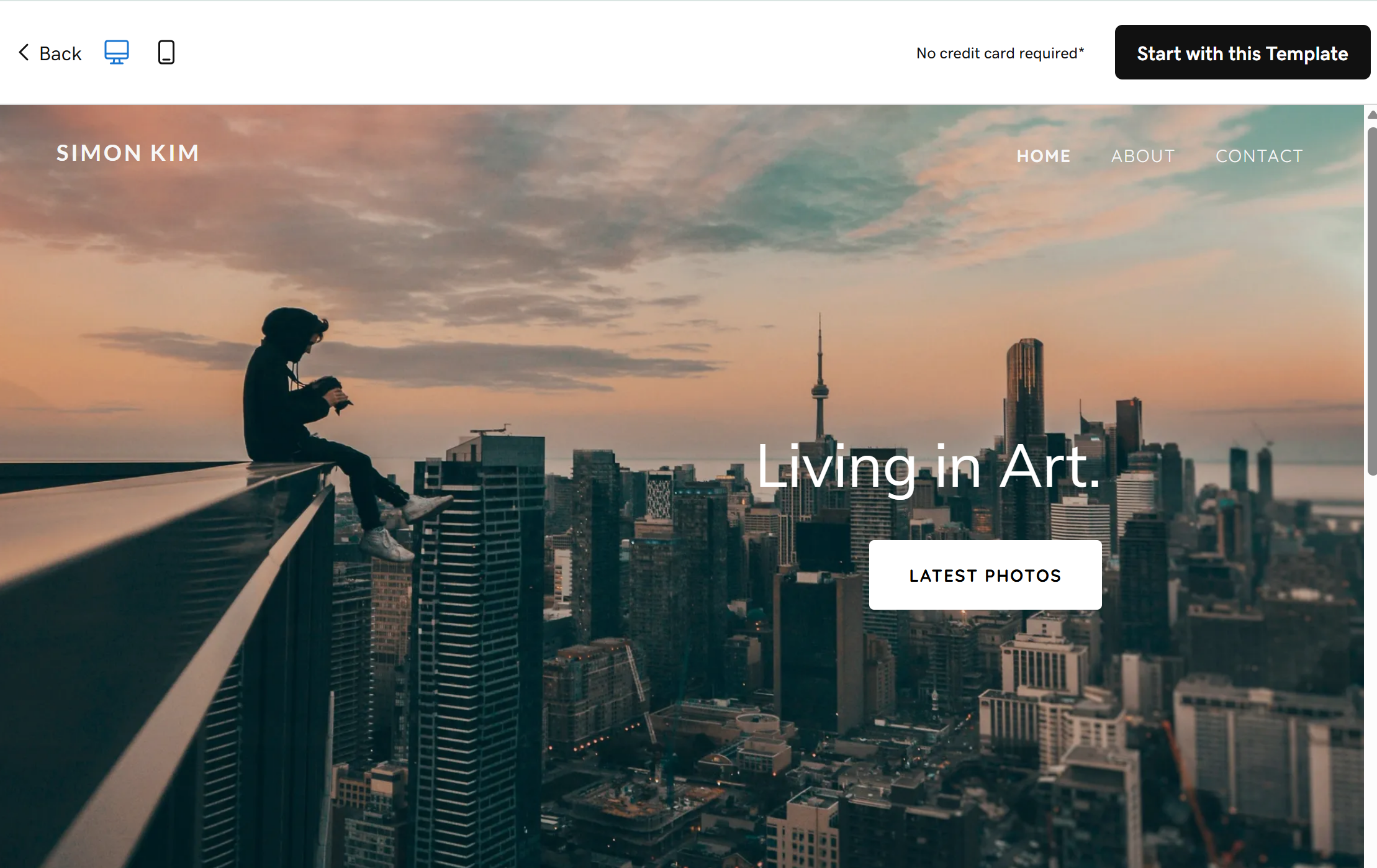
Photography portfolios benefit from GoDaddy's image-focused templates, which offer full-width displays and gallery layouts optimised for visual impact. These sites typically feature minimal text, letting the photo speak for itself while providing essential contact and booking information.
Verde
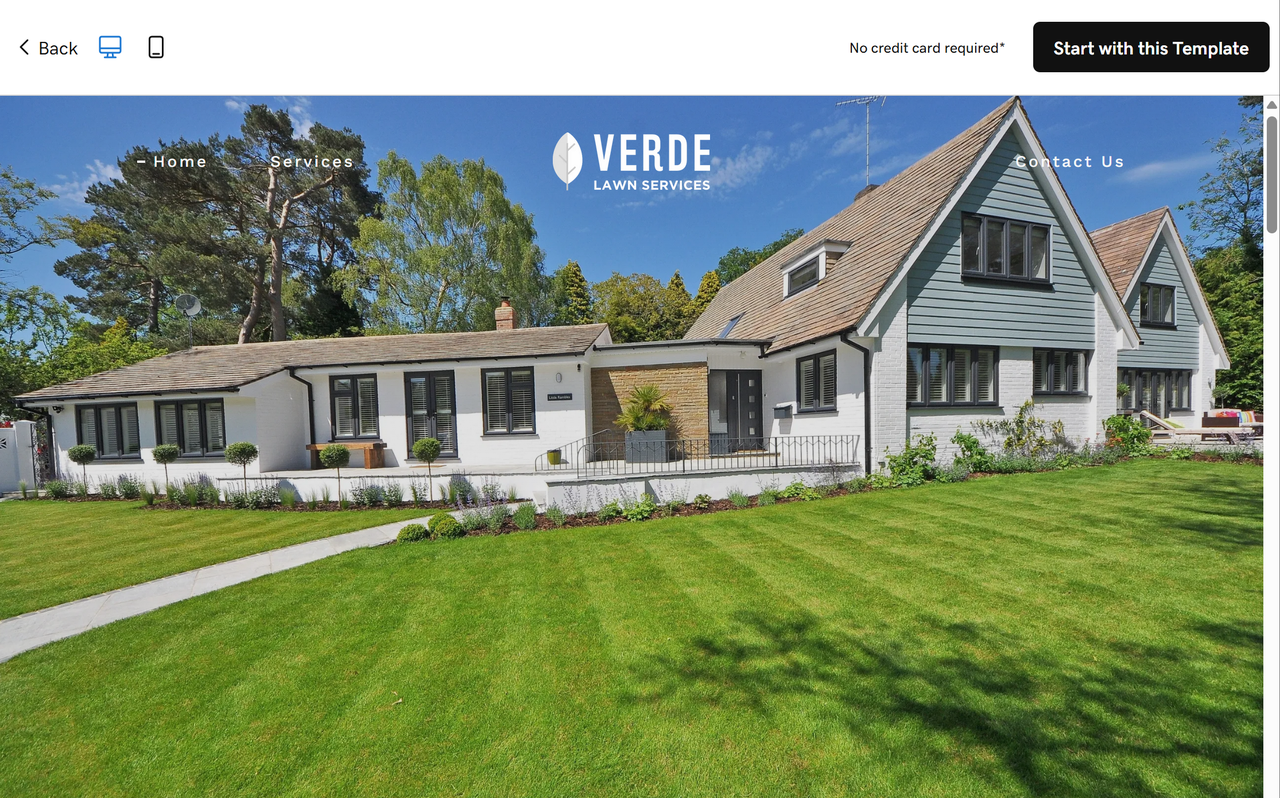
Home service businesses often need straightforward "digital business cards" that establish legitimacy and provide contact information. GoDaddy excels in this use case, offering quick setup and mobile-responsive designs that help local contractors compete online.
Parlence
Restaurant sites built with GoDaddy typically emphasise mouth-watering food photography, menu displays, and location/hours information. The templates include features like reservation widgets and online ordering integration, addressing the core needs of food service businesses.
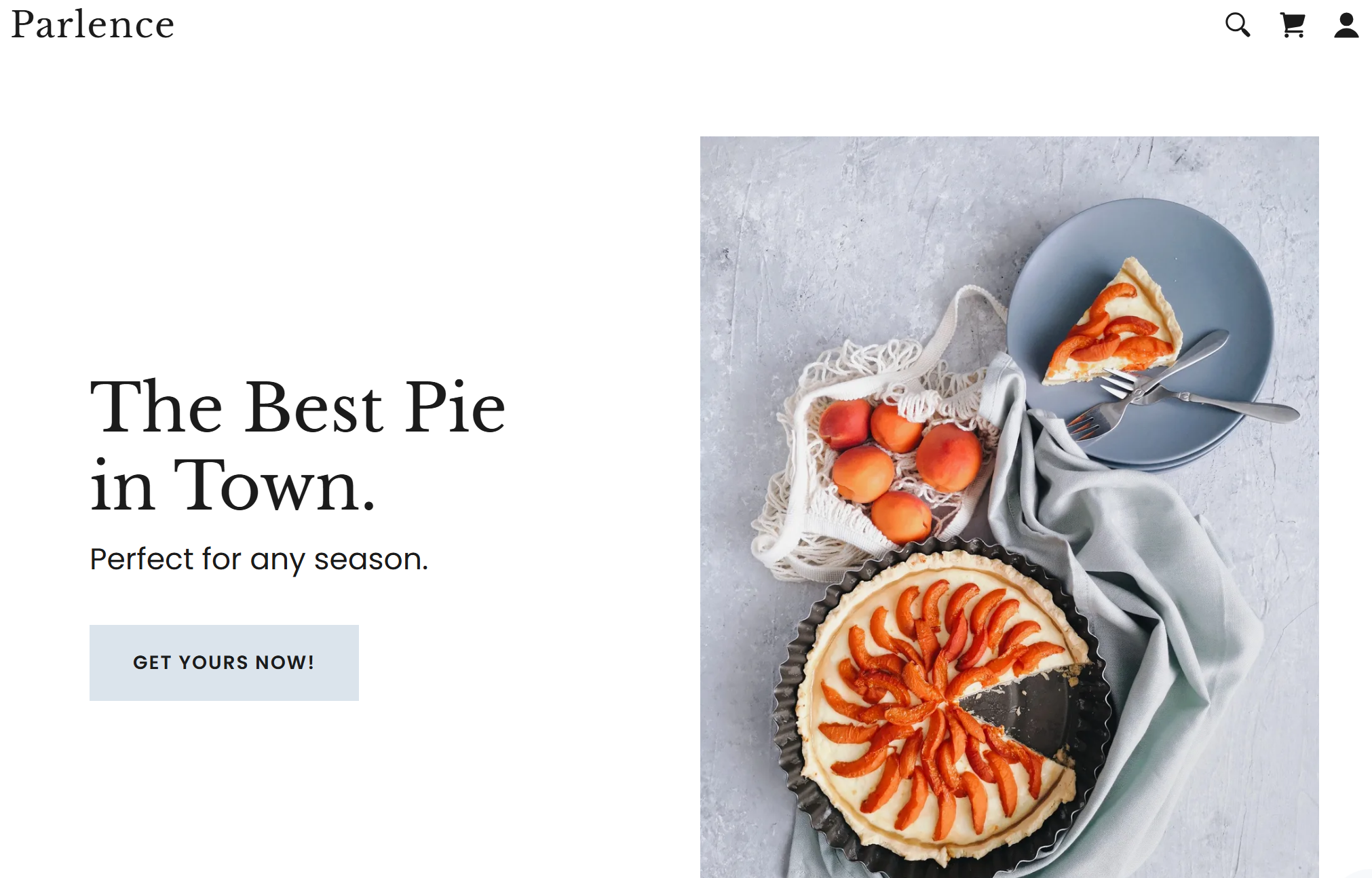
The standardised approach works well for restaurants where customers primarily seek practical information: menu, location, and hours. However, establishments trying to create distinctive brand experiences or integrate sophisticated reservation systems may find the platform's customisation options limiting.
Fuller Group
Real estate sites on GoDaddy often feature property listings, agent bios, and prominently displayed testimonials.
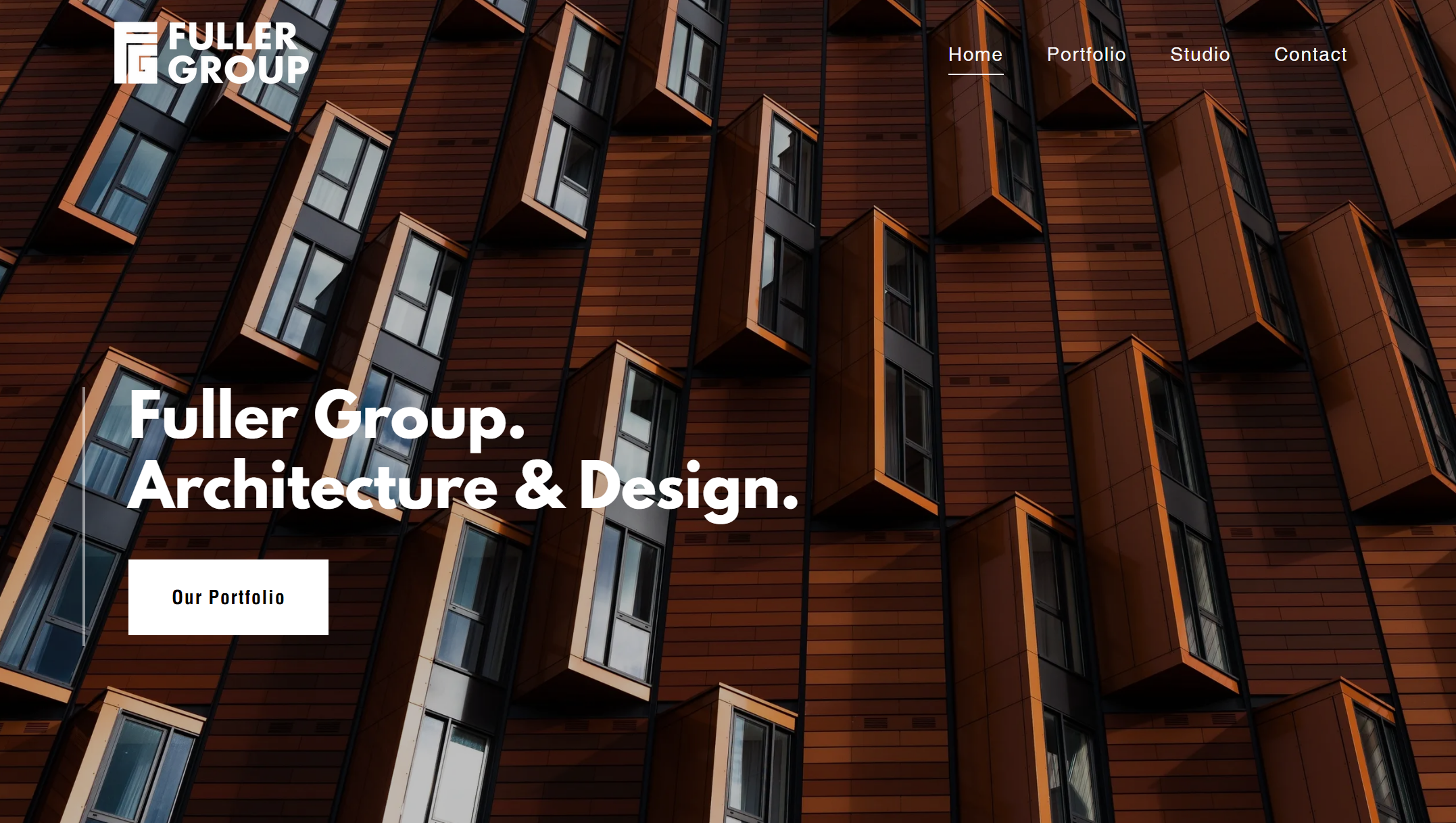
For realtors, credibility drives conversions. These sites succeed by prominently featuring client testimonials and professional credentials. However, agents managing large property inventories or requiring MLS integration may need to supplement GoDaddy's native features with third-party tools.
Reservoir
Fitness professionals and wellness brands benefit from GoDaddy's built-in appointment booking features. The Reservoir template is good for wellness brands, offers a straightforward design that prioritises functionality, including class schedules, booking calendars, and service descriptions.
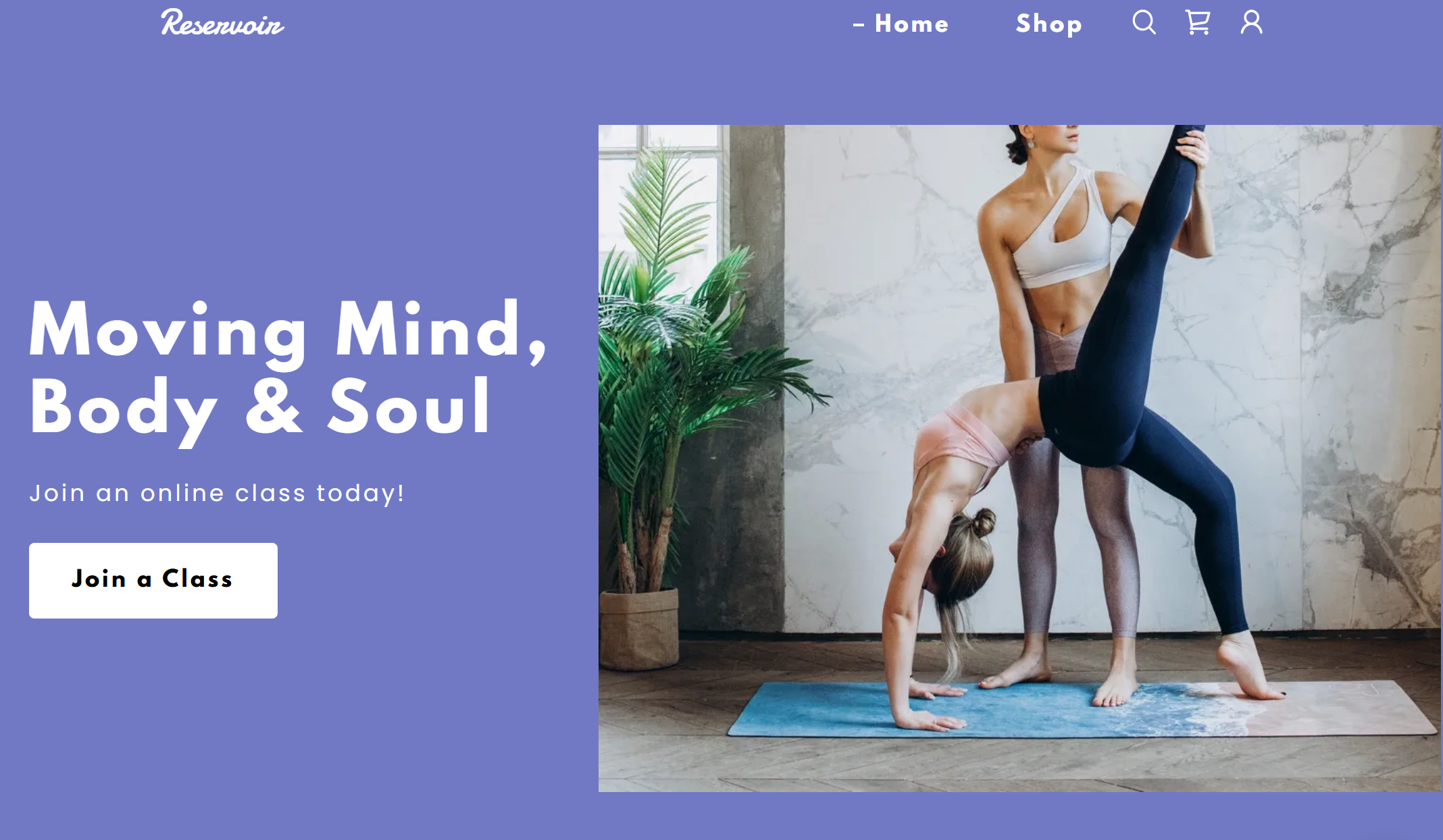
The integration of scheduling tools directly into the website builder streamlines operations for solo practitioners and small studios. However, businesses requiring sophisticated membership management and payment plans would need to look beyond GoDaddy's native capabilities.
Beach Wave
Through oversized images and dynamic hover effects, the grey theme provides sophisticated contrast that makes product photography pop, particularly effective for premium fashion brands.
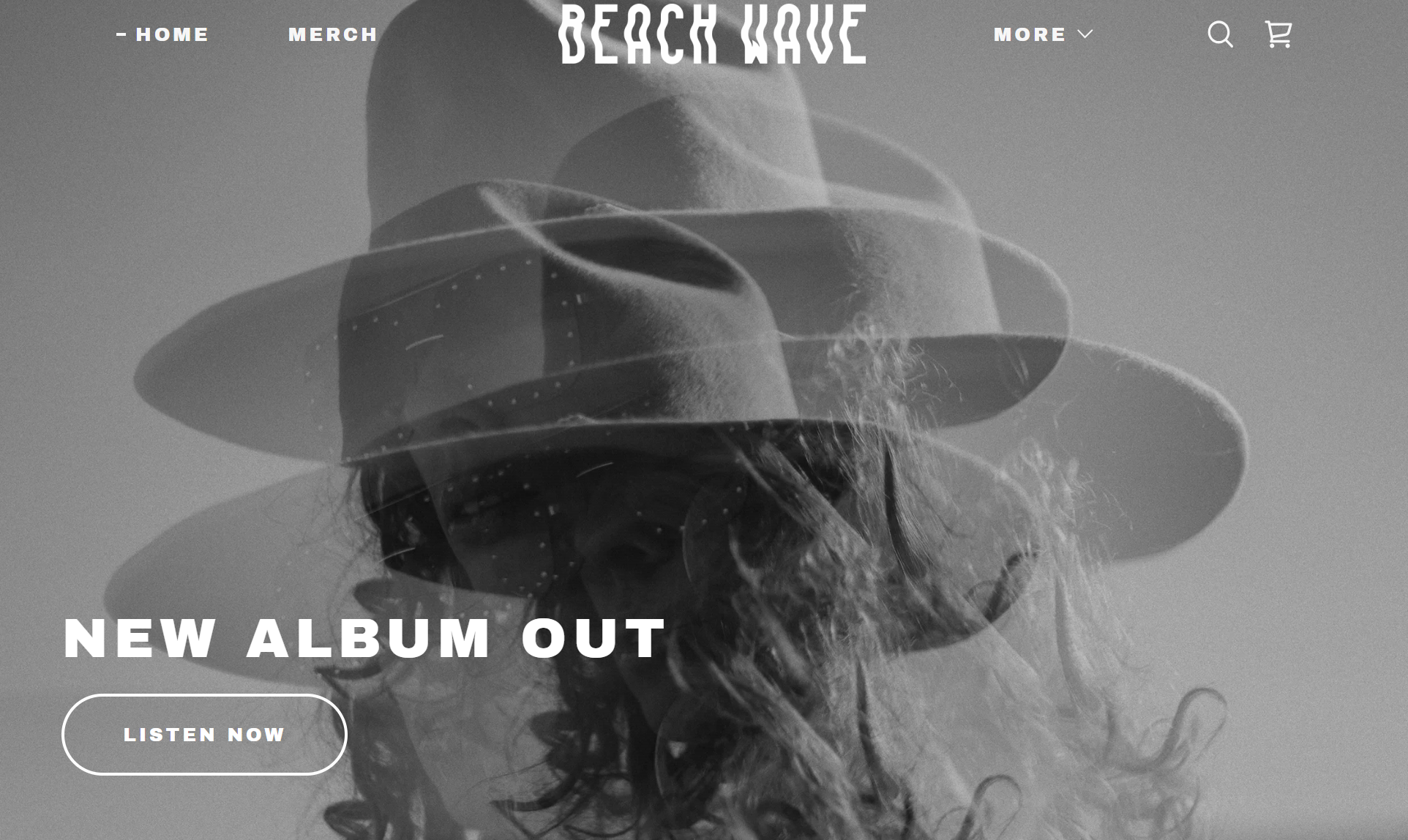
Visual impact matters enormously in fashion e-commerce. These templates deliver strong aesthetics within their constraints. However, fashion brands competing at higher price points may find that template-based sites lack the unique brand expression that custom development or AI-powered builders can provide.
Betel
Musicians and entertainers use GoDaddy to create central hubs for their work, featuring music players, tour dates, and merchandise stores. The Karl Bewick template offers a modern design with integrated media players and social media links, essential for building fan engagement.
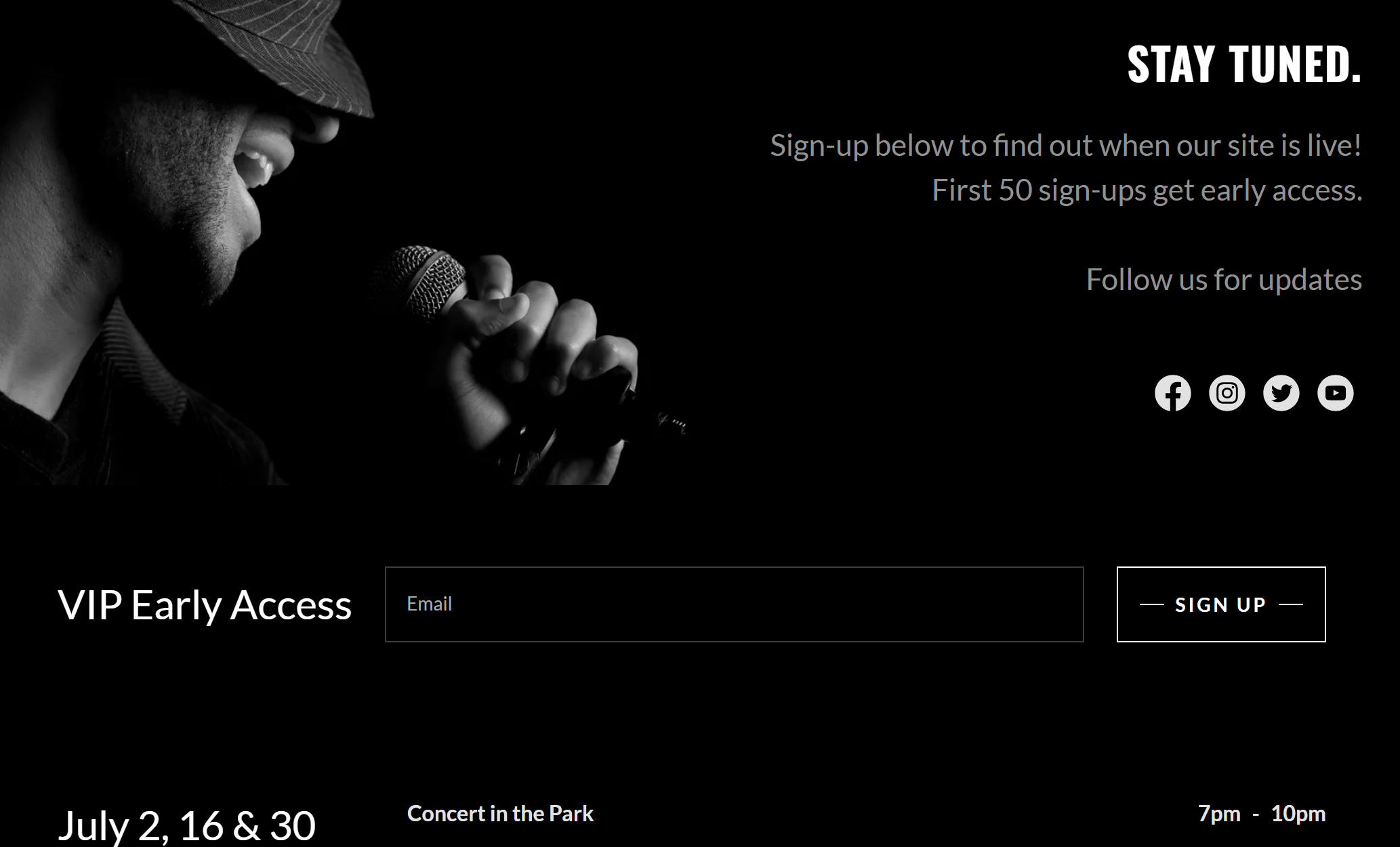
For independent artists, having a professional web presence establishes credibility beyond social media platforms. The ability to sell music and merchandise directly through the site provides revenue opportunities. However, artists seeking highly interactive fan experiences or sophisticated content management may outgrow the platform's capabilities.
AMY&Associates
Consultants and professional service providers use GoDaddy to establish thought leadership through blog content, case studies, and service descriptions. These sites prioritise trust-building elements: credentials, client logos, and detailed service explanations.
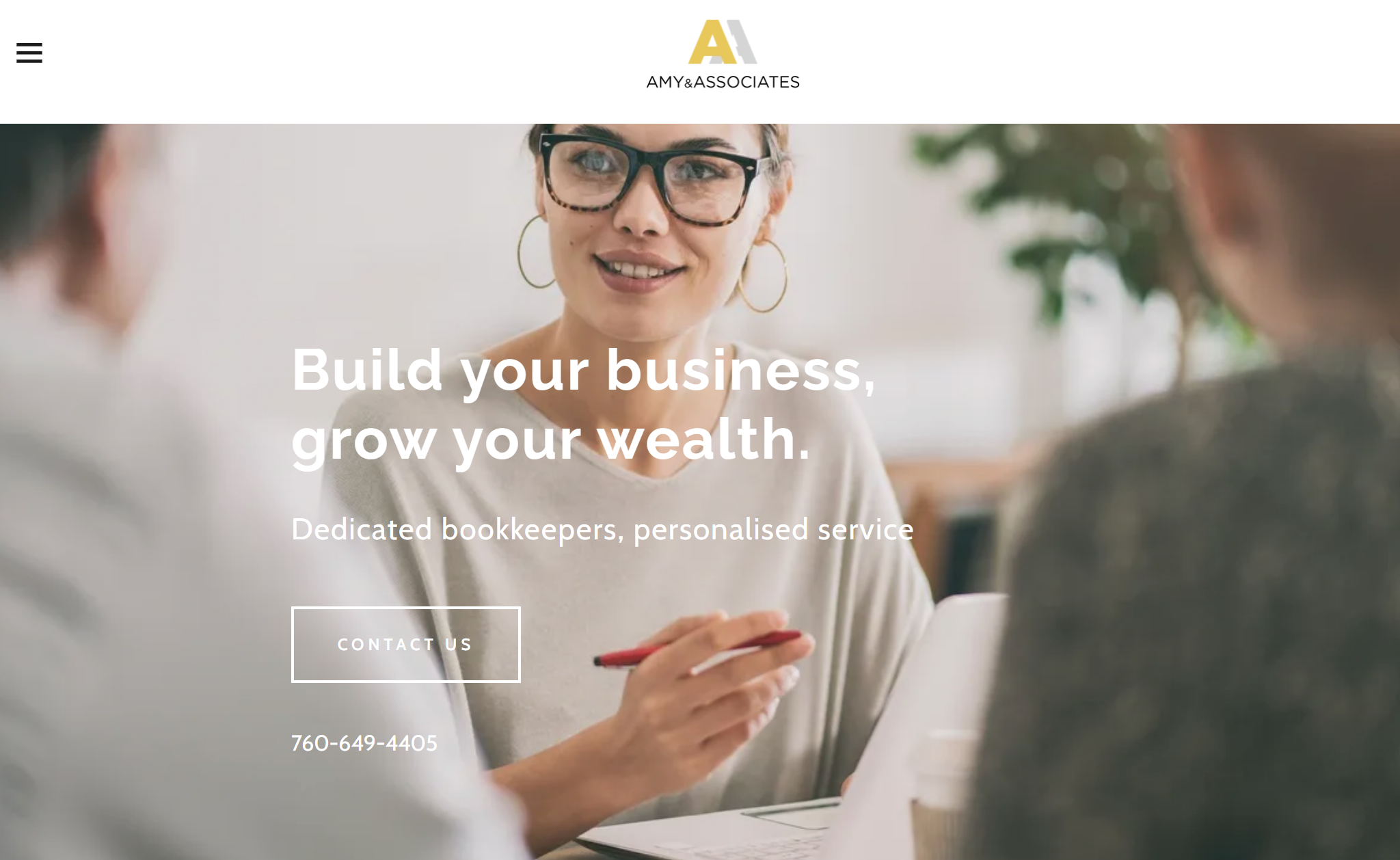
The challenge for consultants lies in content management and SEO. While GoDaddy provides basic blogging functionality, professionals building content marketing strategies may find the SEO tools and content organisation features less robust than dedicated CMS platforms like WordPress.
Barchetta
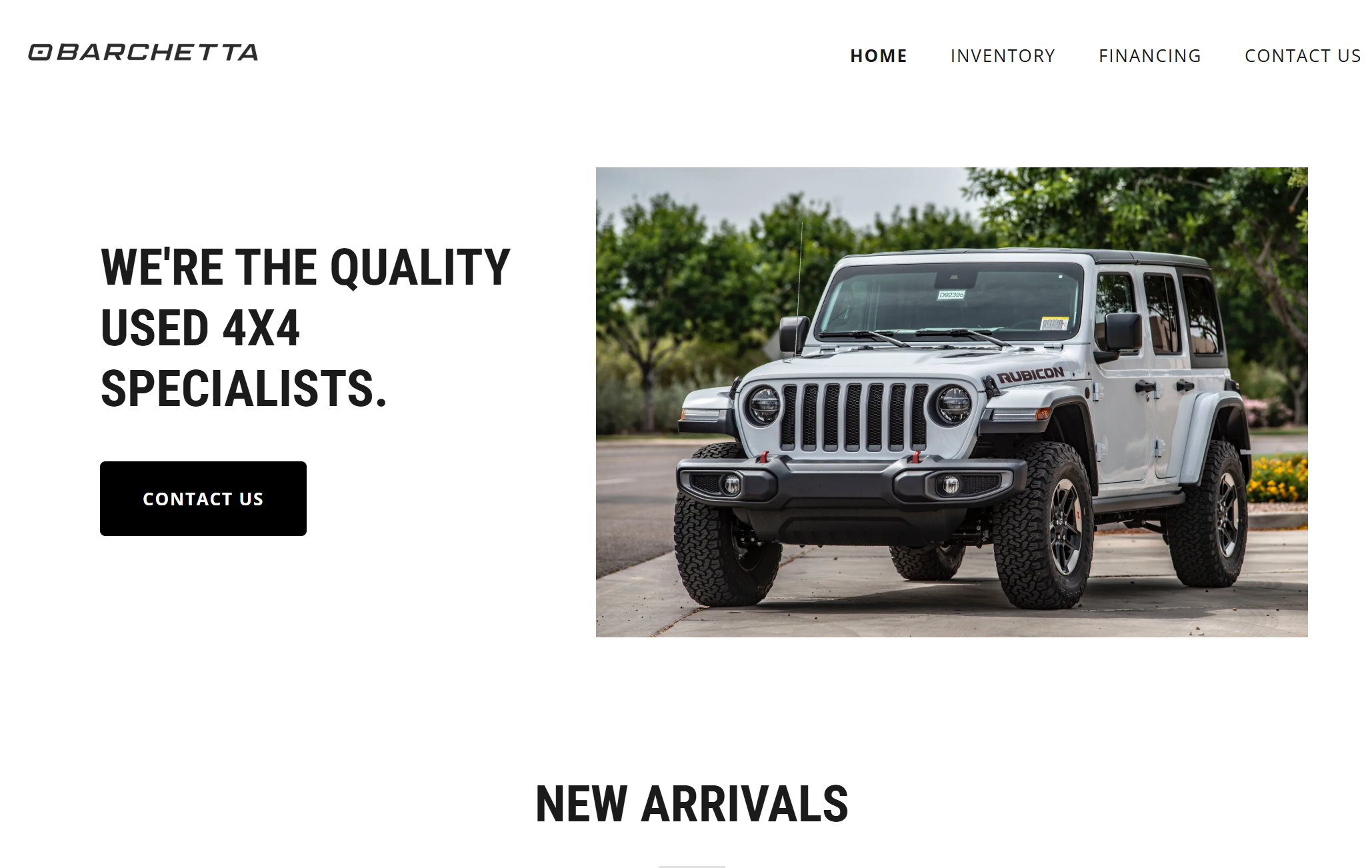
Automotive businesses benefit from GoDaddy templates that emphasise action-oriented design. The "GX Carriers" template creates movement through full-width images, downloadable resources, and prominent email forms for quote requests. For local auto services, the combination of visual appeal and lead capture functionality addresses core business needs.
Nicky Smith
Personal bloggers and content creators use GoDaddy to establish their online presence with article previews, author bios, and social sharing features. The "Emily Moon" template combines blog functionality with product sales capability, allowing creators to monetise through ebooks or courses.
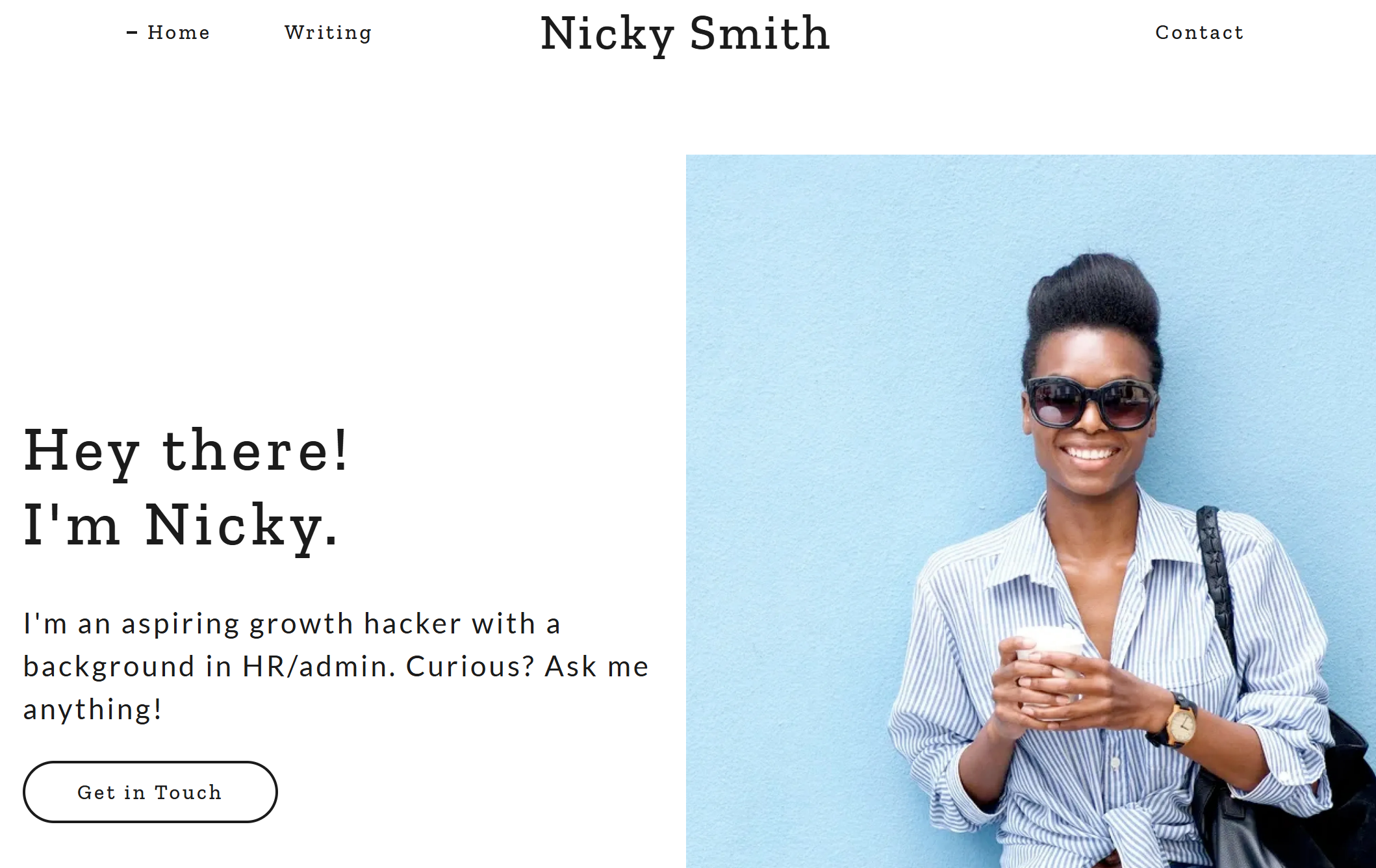
For casual bloggers, GoDaddy provides sufficient tools to get started. However, serious content creators building media businesses typically migrate to more powerful platforms as their needs grow. The commenting system, SEO capabilities, and content organisation features remain basic compared to dedicated blogging platforms.
Happy Roam
Travel businesses leverage GoDaddy's visual templates to showcase destinations through stunning photography, travel blog and clear itinerary information. These sites often integrate booking widgets and inquiry forms to capture leads from interested travellers.
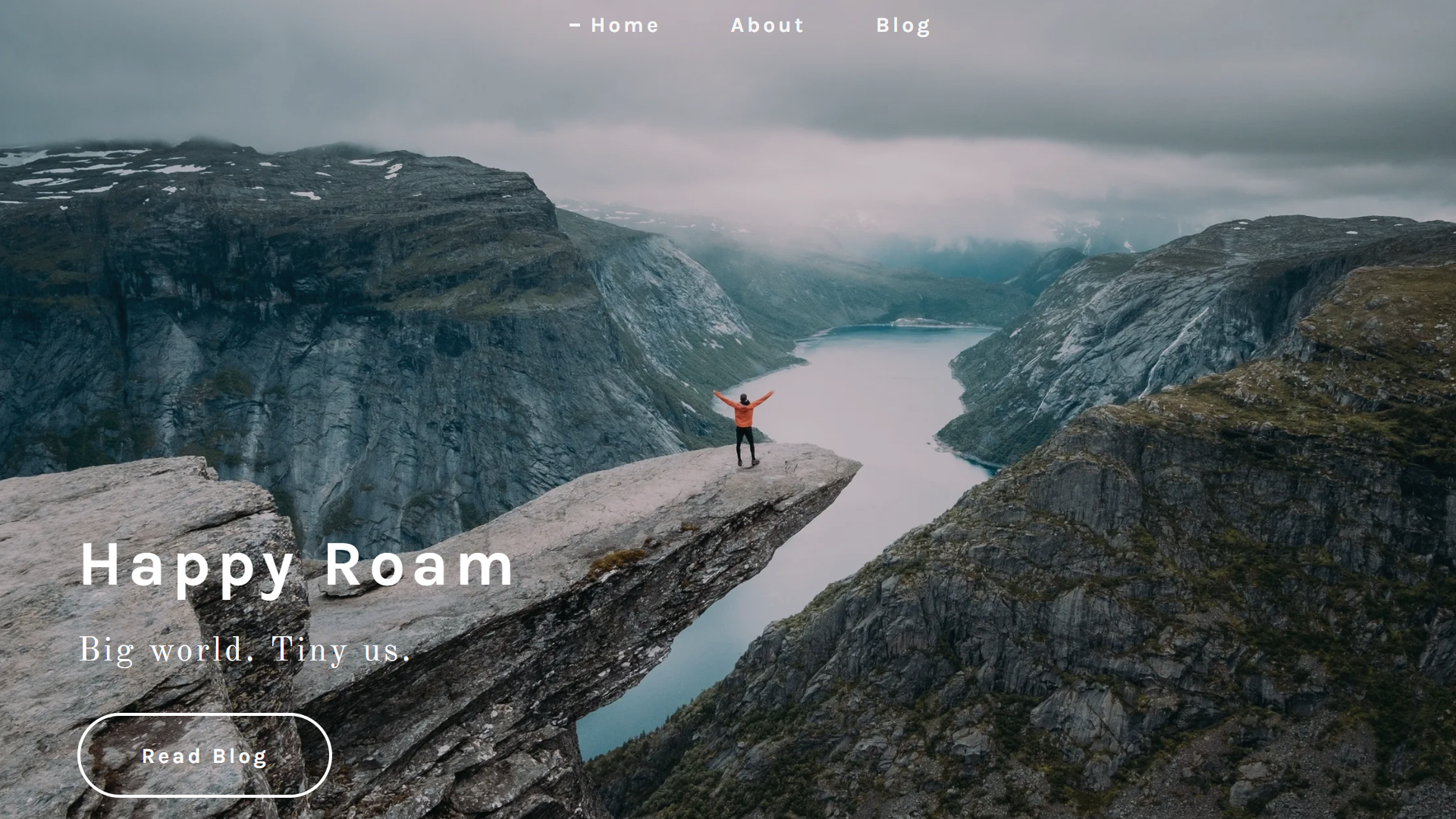
The visual-first approach works well for travel marketing, where imagery drives desire. However, agencies managing complex booking systems, multiple destinations, or dynamic pricing would likely need specialised travel software beyond what GoDaddy's builder provides natively.
Oakfields
Community organisations and nonprofits use GoDaddy to build awareness, recruit volunteers, and facilitate donations. The "Global Spark" template offers message-focused design with clear calls-to-action for involvement and giving.
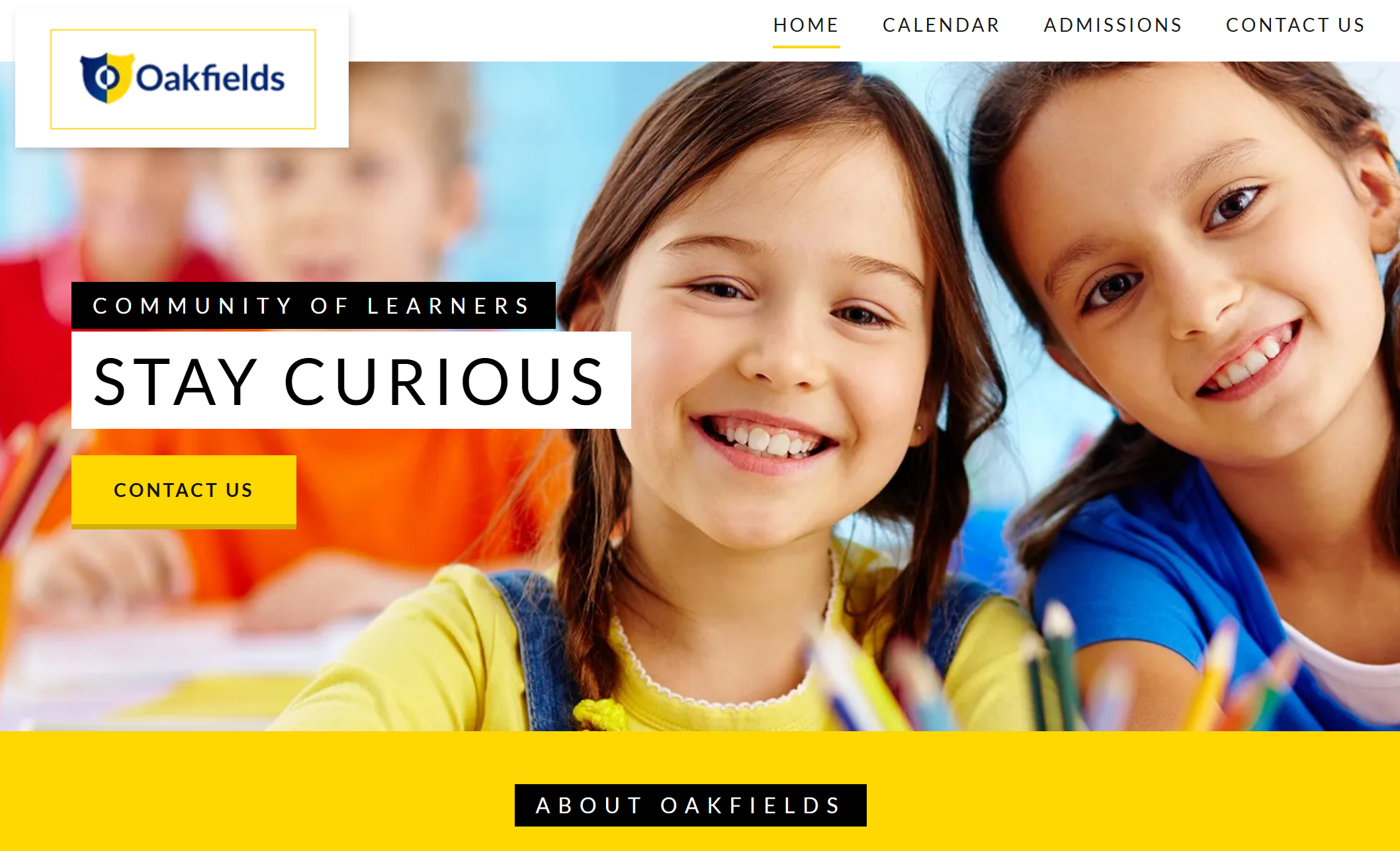
Organizations need donor management, event registration systems, or volunteer coordination tools would benefit from specialised nonprofit platforms or more flexible builders.
Adamma
Pre-launch businesses use GoDaddy's "Coming Soon" templates to build anticipation and capture early interest. The "Adamma" template features beta tester signup forms and social media integration, perfect for generating buzz before the official launch.
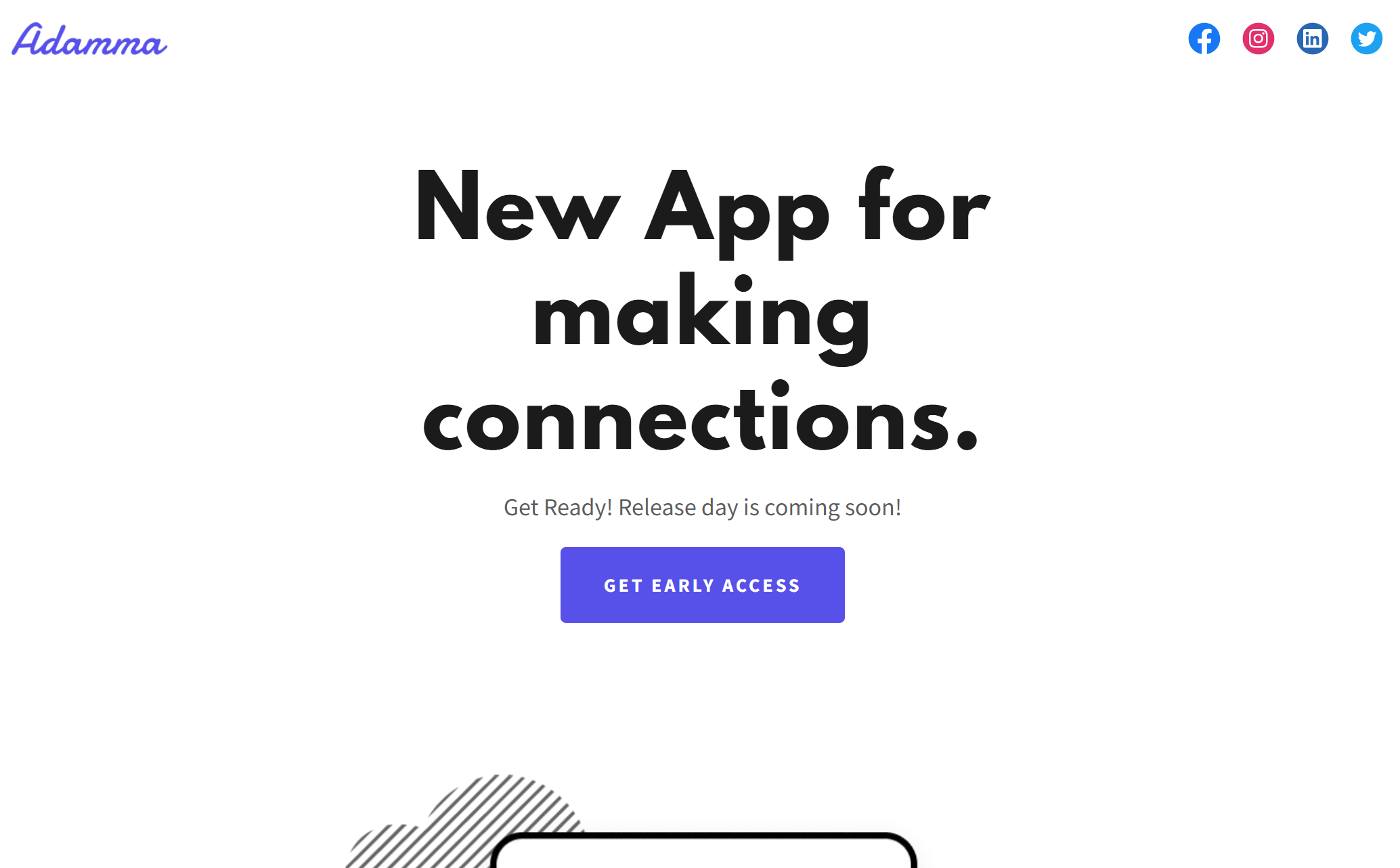
These minimal sites serve a specific purpose: validating ideas and building email lists before investing in full website development. They represent GoDaddy's strength in rapid deployment for specific use cases.
How to Build a Professional Website That Actually Converts
Seeing examples helps, but understanding the principles behind effective website design matters more. After analysing hundreds of successful small business sites, several patterns emerge that transcend any specific platform or template choice.
Start with a Clear Purpose
Every successful website begins with a focused goal. Are you capturing leads, selling products, showcasing work, or building community? Your primary objective should be obvious within three seconds of landing on your homepage.
Prioritise Mobile Experience
With mobile traffic accounting for over half of web visits in 2026, mobile-first design isn't optional anymore. GoDaddy templates handle basic mobile responsiveness, but truly optimised mobile experiences require careful attention to touch targets, load speed, and simplified navigation.
Build Trust Through Design
Professional websites establish credibility through consistent branding, high-quality images, clear contact information, and social proof like testimonials or client logos. Amateur-looking sites, regardless of how functional, lose potential customers before they engage with your content.
Optimise for Speed
According to Google's research, 53% of mobile users abandon sites that take longer than three seconds to load. While GoDaddy handles basic hosting performance, image optimisation, and minimal plugin use remains your responsibility.
Creating Your Site with Wegic: A Smarter Alternative
While GoDaddy serves certain use cases well, the emergence of AI-powered website builders has fundamentally changed what's possible without coding. Wegic represents this new generation; you simply describe what you want through natural conversation.
Step 1: Describe Your Vision
Open Wegic and start a conversation about your website needs.
"I need a professional wedding photography portfolio site with an elegant and eomantic theme, gallery sections for weddings, Our Story narratives, and blog, plus a booking inquiry form."
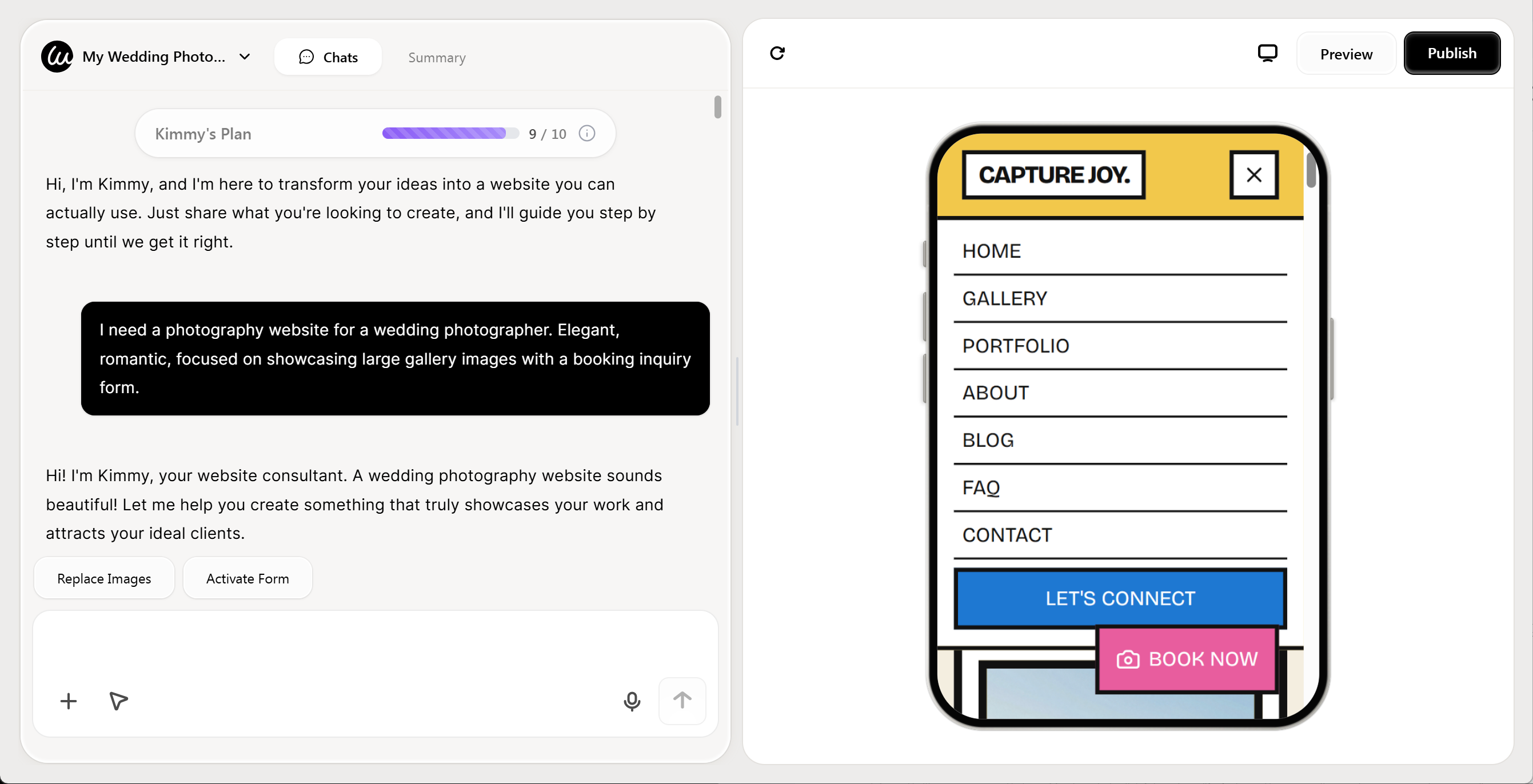
Step 2: Review AI-Generated Design
Within seconds, Wegic's AI generates a complete website structure based on your description. Unlike templates that force your content into predetermined layouts, Wegic creates custom designs tailored to your specific needs.
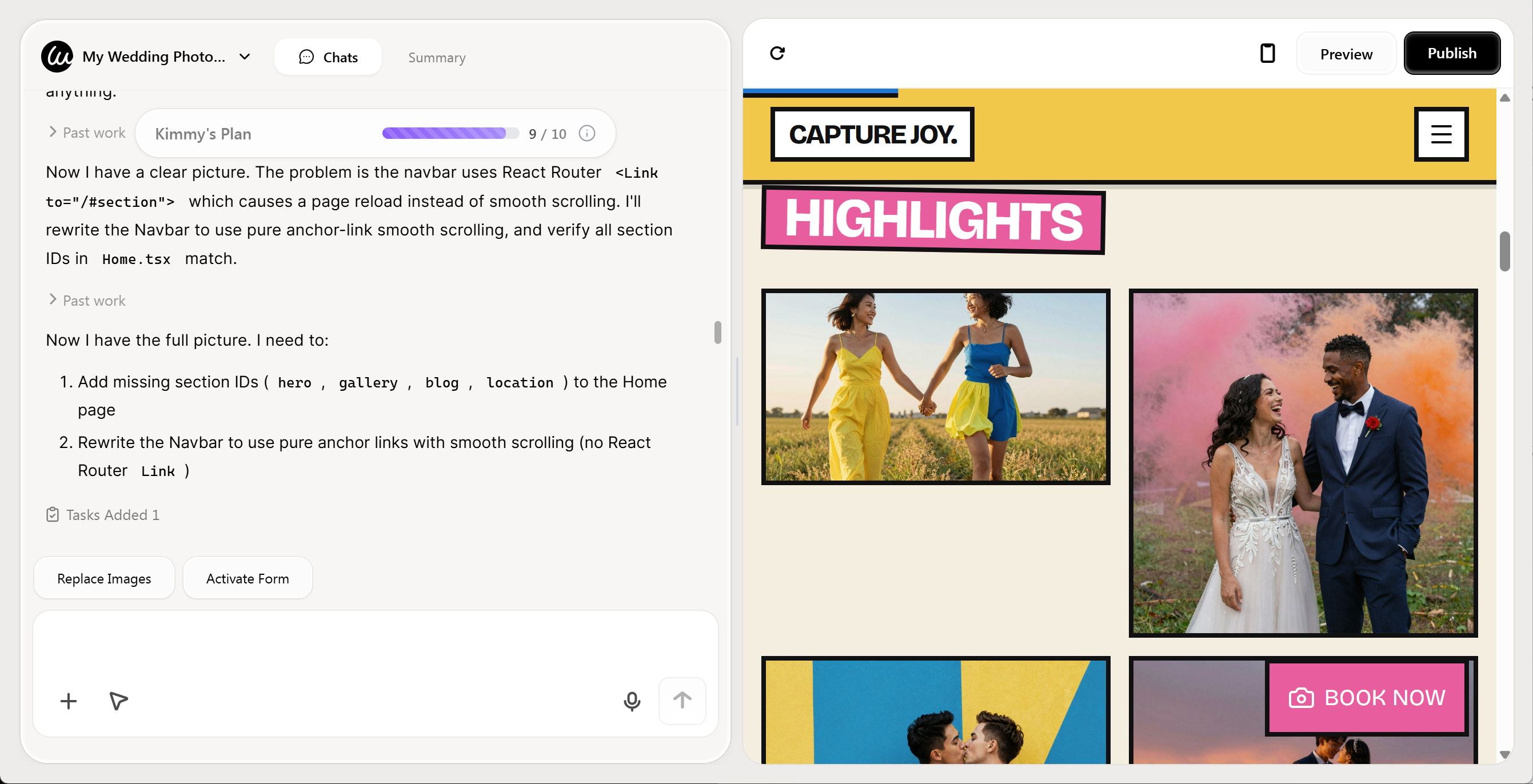
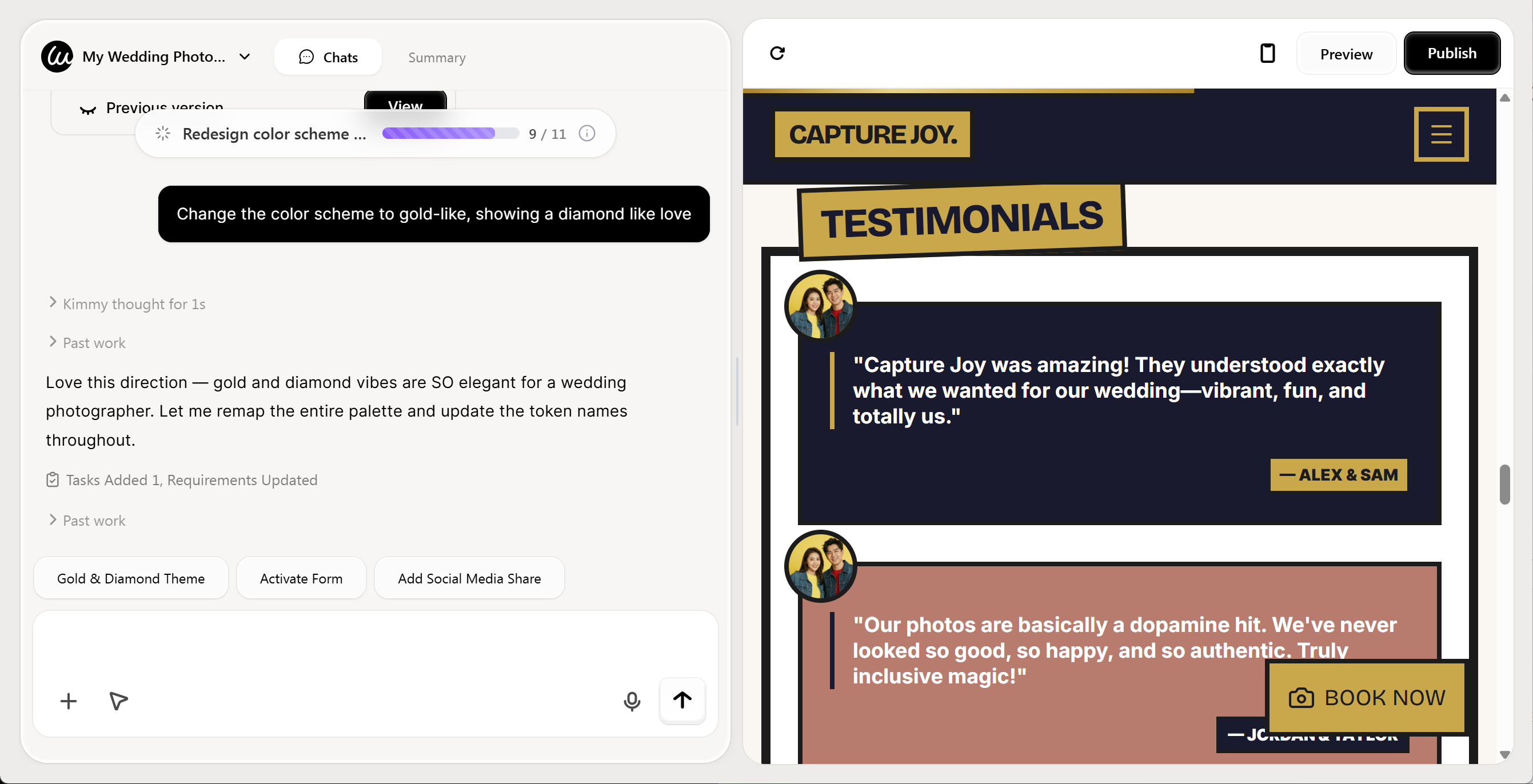
Step 3: Refine Through Conversation.
Don't like something? Just tell Wegic.
"Change the colour scheme to gold-like."
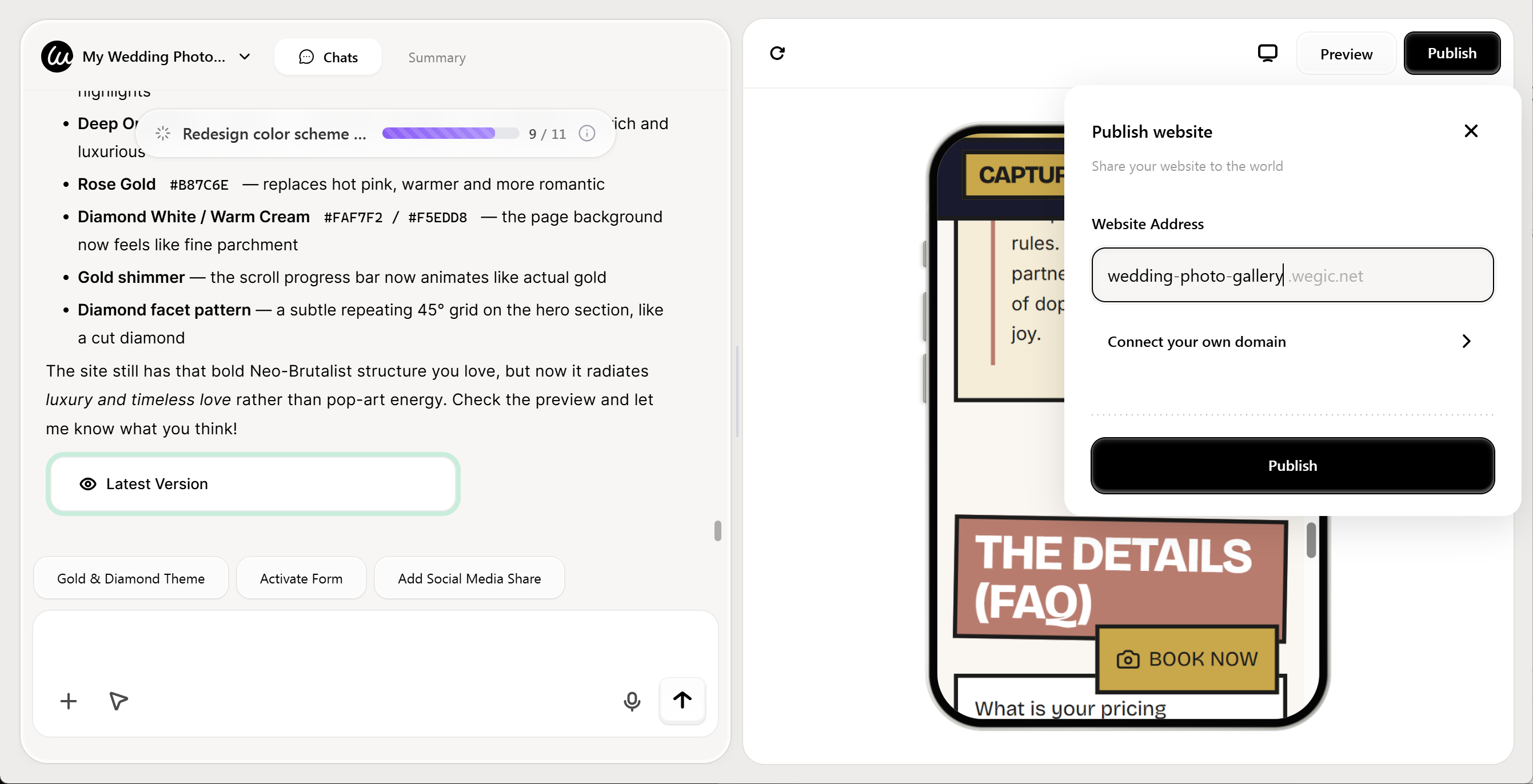
Step 4: Publish with One Click.
Once satisfied, publish your site immediately with Wegic's one-click deployment. The platform handles hosting, SSL certificates, and technical setup automatically, no separate hosting account or domain configuration needed.
Wegic removes the learning curve of traditional builders. You don't need to understand web design principles, navigate complex interfaces, or compromise your vision to fit template constraints. Wegic translates your ideas directly into functional, professional websites.
Essential Tips for Website Success in 2026
Beyond choosing the right builder, several strategic considerations determine whether your website actually achieves business goals or simply exists online.
Invest in Professional Photography
Stock photos scream "generic." Original, high-quality images of your actual products, services, or team build authenticity and trust. This investment pays dividends across all marketing channels, not just your website.
Write for Humans, Optimise for Search
SEO matters, but keyword-stuffed content that reads awkwardly drives visitors away. Focus on genuinely helpful content that answers questions your customers actually ask. Search engines increasingly reward natural, valuable content over mechanical optimisation.
Implement Clear Calls-to-Action
Every page should guide visitors toward a specific next step. Whether that's "Schedule Consultation," "Shop Now," or "Download Guide," make the desired action obvious and easy. Ambiguous navigation leads to abandoned visits.
Monitor and Iterate
Website creation isn't a one-time project. Use analytics to understand how visitors behave, which pages convert, and where people drop off. Tools like Google Analytics provide free insights that inform continuous improvement.
Prioritise Page Speed
Compress images, minimise scripts, and choose fast hosting. Every additional second of load time costs conversions. Tools like Google PageSpeed Insights identify specific improvements.
Build Email Capture
Your website traffic is rented attention. You don't control social media algorithms or search rankings. Email lists represent an owned audience you can reach directly. Offer valuable lead magnets in exchange for email addresses.
Take Accessibility into Consideration
Websites should work for everyone, including people with disabilities. Proper heading structure, alt text for images, and keyboard navigation aren't just ethical considerations; they expand your potential audience and improve SEO.
Quick Solution
The 20 GoDaddy website examples we've explored demonstrate both the platform's accessibility and its inherent limitations. For businesses needing simple, quick solutions with minimal customisation requirements, GoDaddy remains a viable option. However, the website building landscape has evolved dramatically, with AI-powered platforms offering superior flexibility without increased complexity.
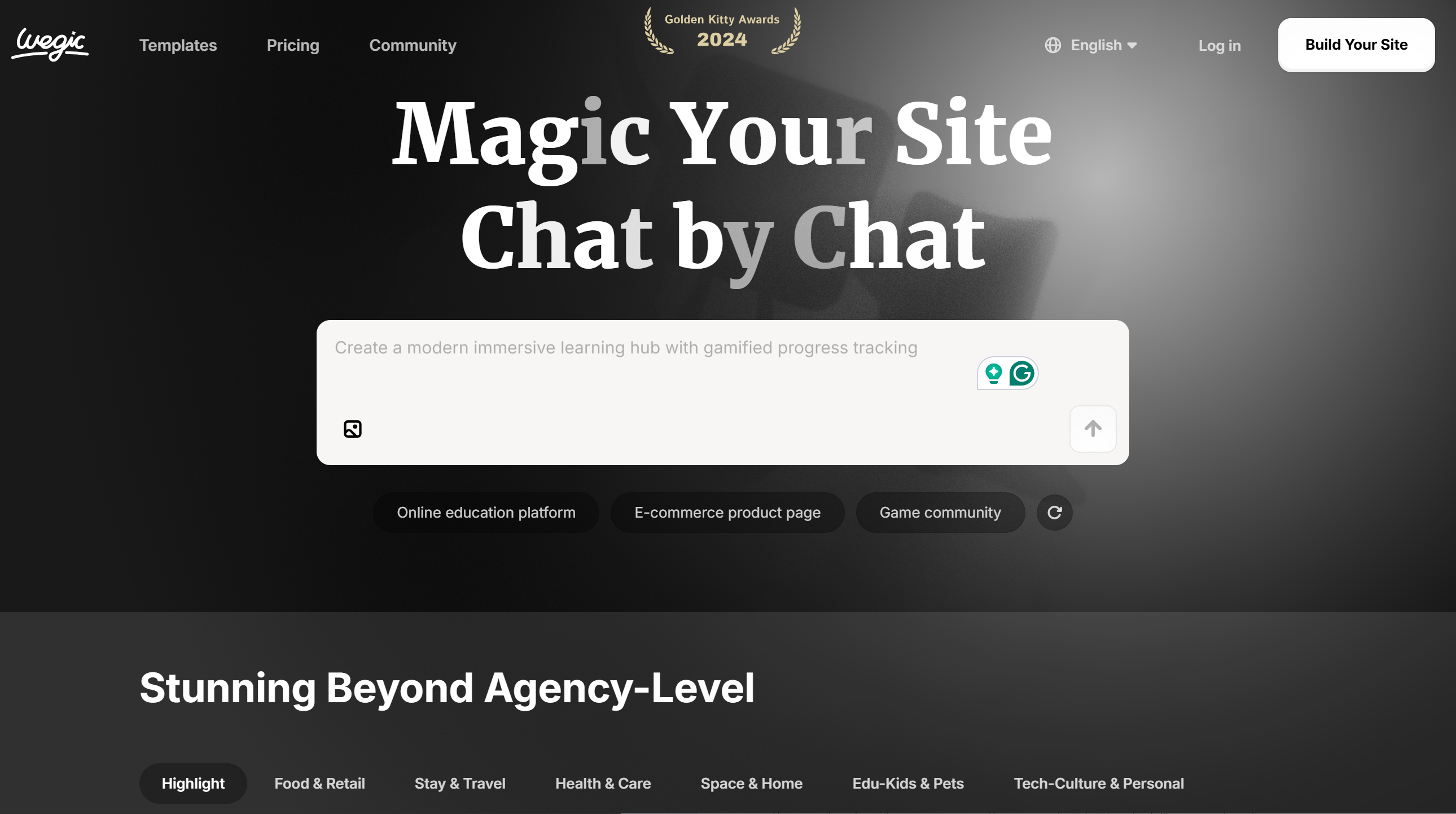
As we move through 2026, the businesses winning online are those that combine professional design with authentic brand expression. Cookie-cutter templates increasingly struggle to deliver both. Wegic represents the future of website creation, where anyone can build truly custom, professional sites through simple conversation, no technical skills required.
Start your free trial with Wegic today and experience how AI transforms website creation from a technical challenge into a creative conversation.
Frequently Asked Questions
What are the best GoDaddy website builder templates for small businesses?
GoDaddy offers industry-specific templates like "Timehop" for luxury brands, "Global Spark" for nonprofits, and "Reservoir" for wellness businesses. However, templates inherently limit customisation. AI builders like Wegic create custom designs tailored specifically to your business rather than adapting generic templates, resulting in more distinctive and effective websites.
Can I build an e-commerce website with GoDaddy?
Yes, GoDaddy includes basic e-commerce functionality with product pages, shopping carts, and payment processing. This works for simple stores with limited inventory. Businesses requiring advanced features like dynamic pricing, sophisticated inventory management, or personalised recommendations may find GoDaddy's capabilities insufficient and should consider dedicated e-commerce platforms or flexible AI builders like Wegic.
How much does a GoDaddy website cost compared to alternatives?
GoDaddy website builder plans start around $$10/month, which seems affordable initially. However, costs increase with add-ons, domain renewals, and premium features. Wegic offers a free trial with 30 credits to test the platform, with paid plans providing significantly more customisation capability than GoDaddy templates at competitive pricing.
Are GoDaddy websites good for SEO?
GoDaddy websites include basic SEO features like meta tags and mobile responsiveness. However, users on Reddit and other forums report limitations in advanced SEO customisation compared to platforms like WordPress. AI builders like Wegic generate clean, semantic code automatically, providing SEO advantages without requiring technical knowledge.
What are the main limitations of the GoDaddy website builder?
Key limitations include rigid template structures, difficulty switching themes without losing content, limited design customisation, basic SEO tools, and constraints on advanced functionality. Many users outgrow the platform as their businesses scale. AI-powered alternatives like Wegic eliminate these constraints by generating custom sites that evolve with your needs through conversational updates.
How long does it take to build a website with GoDaddy versus Wegic?
GoDaddy websites can be built in a few hours by selecting templates and adding content. However, customisation and troubleshooting extend this timeline. Wegic generates complete, custom websites in minutes through AI conversation, with refinements happening in real-time. The total time from concept to published site is typically faster with Wegic despite delivering more customised results.