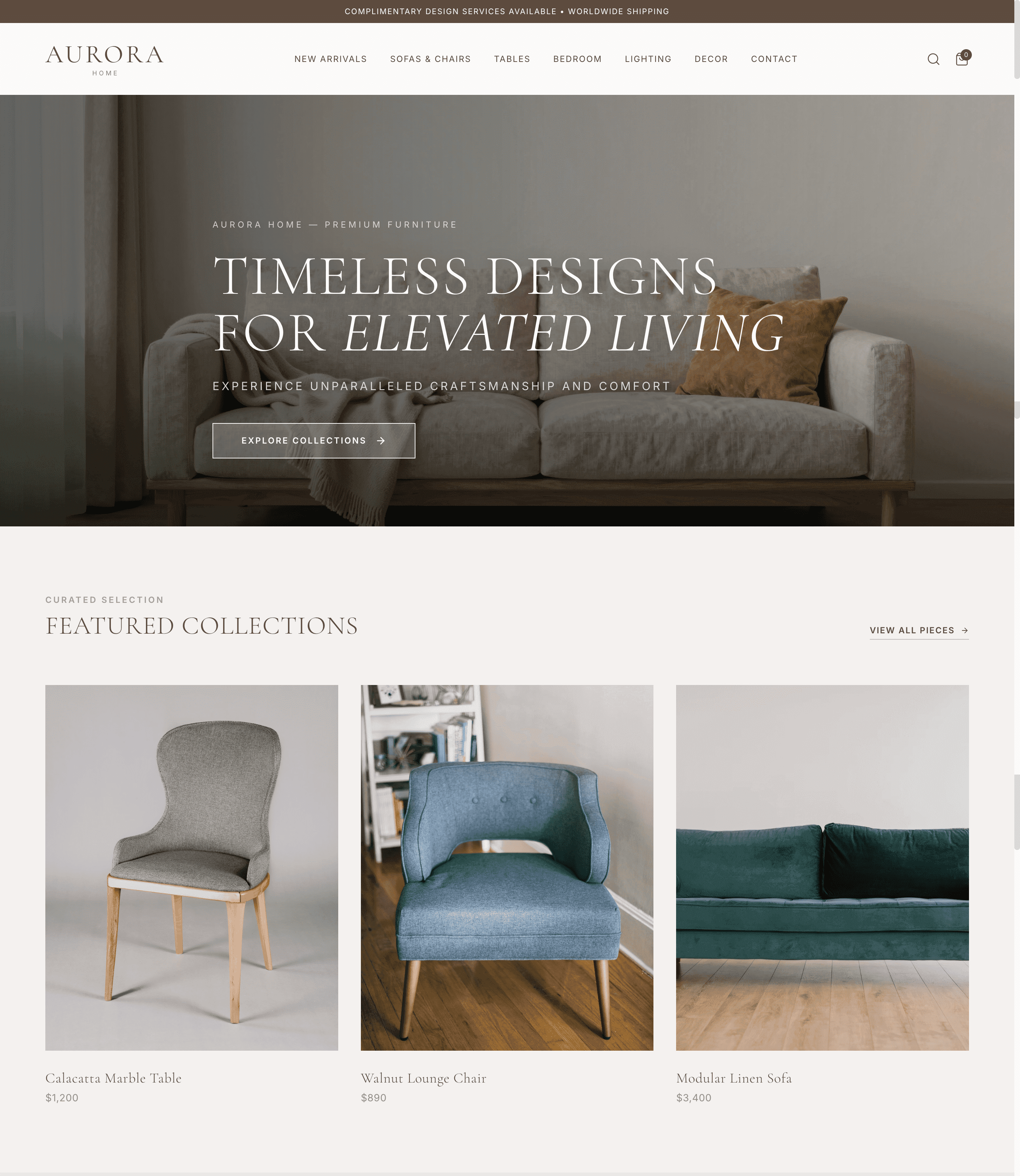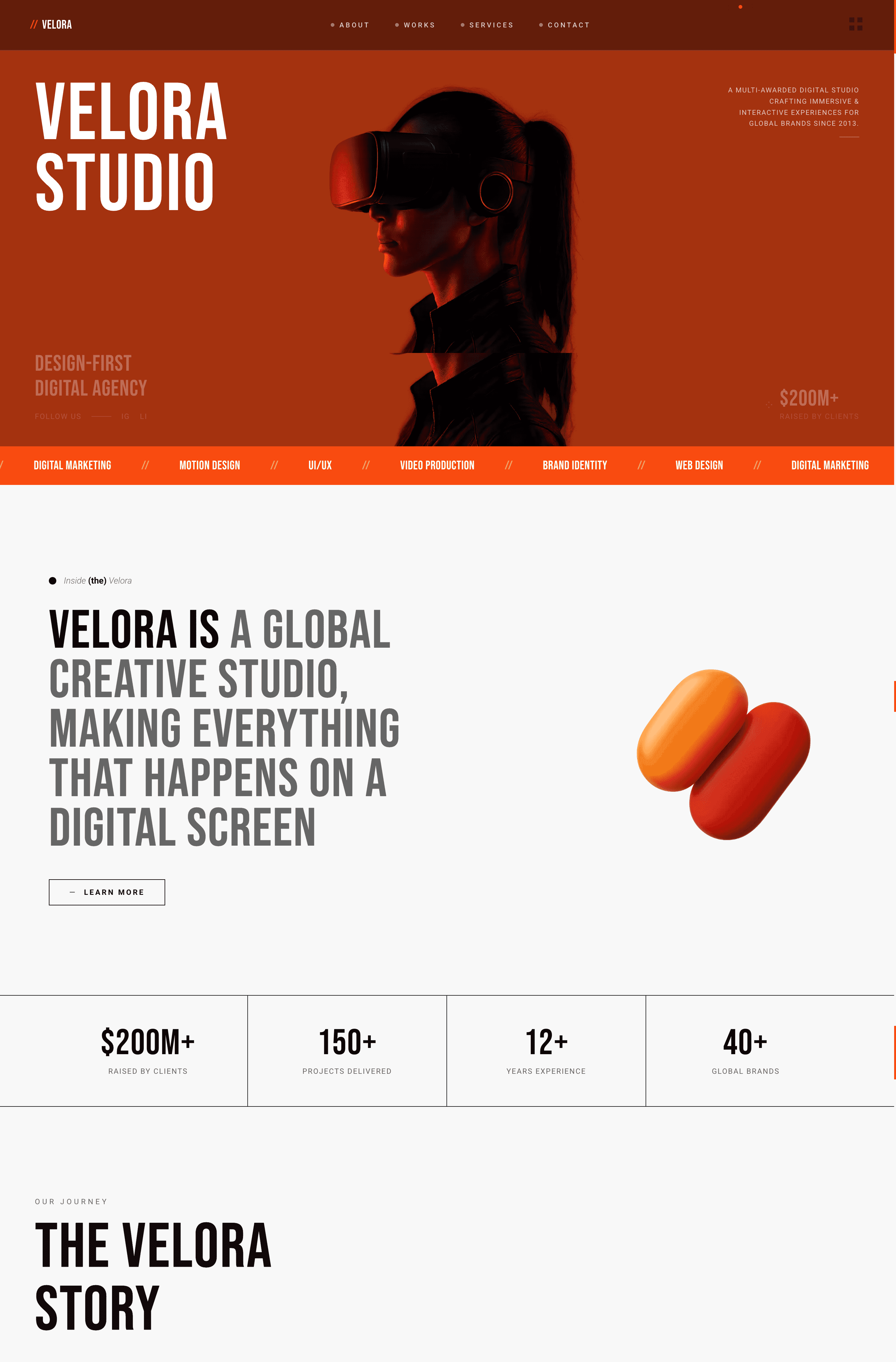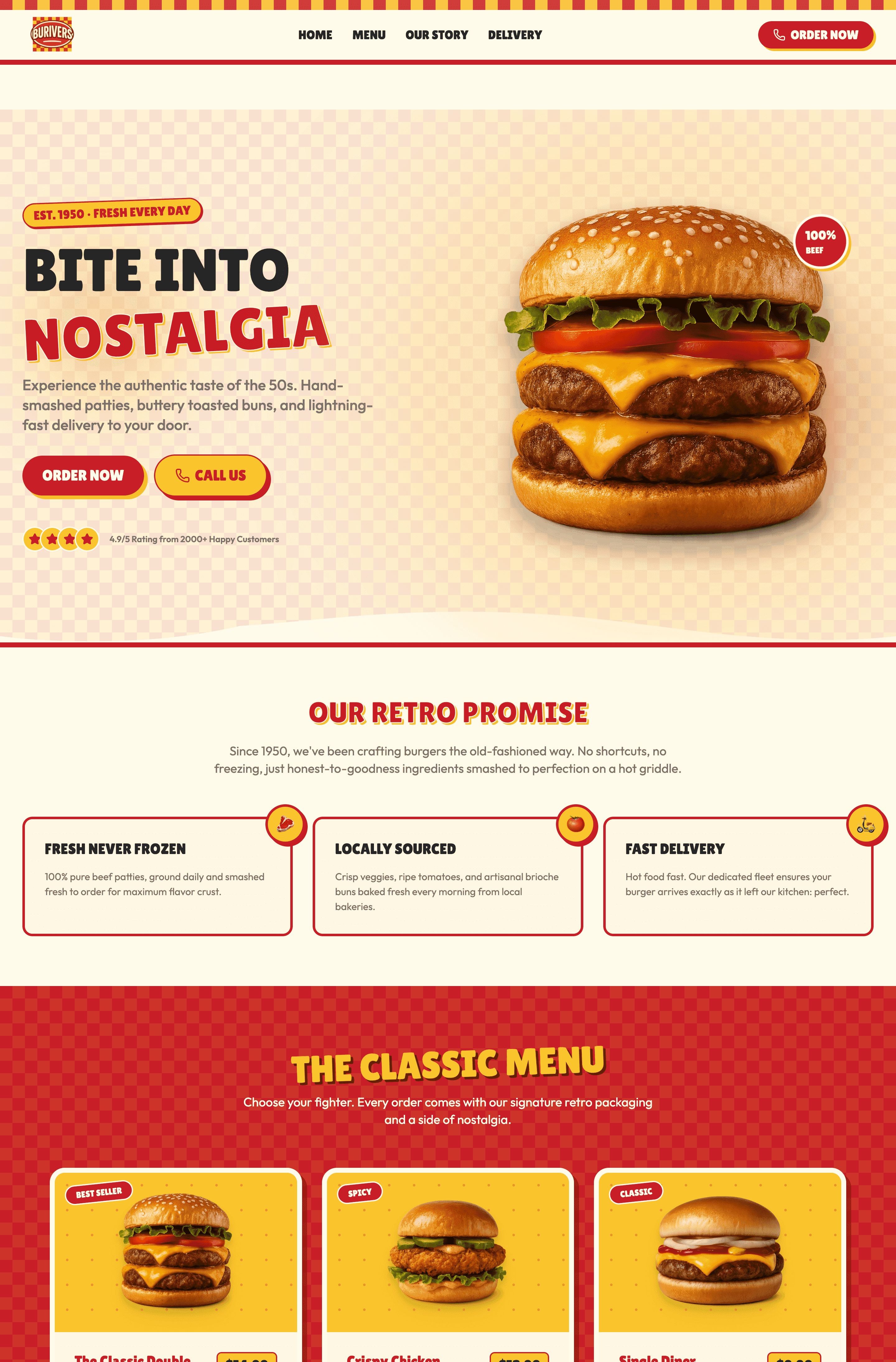
Looking for blog website examples that actually bring in readers and keep them scrolling? This article breaks down 15 real blog website examples across different niches, from personal journals to business powerhouses. You'll see what works, why it works, and how to steal these ideas from your own site. And if you're starting from scratch without coding skills, tools like Wegic now let you build a professional blog just by describing what you want in a chat; Besides, you can also explore and pick one of Wegic templates to customize your blog website, which makes things easier.
What Makes a Great Blog Website in 2026
Before we jump into specific examples, let's nail down what separates forgettable blogs from the ones readers bookmark.
Key Elements of High-Converting Blogs
| Element | Why It Matters | Quick Win |
| Clear Visual Identity | Users form impressions in 0.05 seconds | Pick 2-3 brand colors and stick to them |
| Mobile-First Design | 62.73% of web traffic comes from mobile | Test your blog on phone screens first |
| Fast Load Speed | 76% abandon slow websites | Compress images before uploading |
| Scannable Content | Readers skim before they commit | Use headers, bullets, and short paragraphs |
| Strategic CTAs | 70% of small business sites lack clear CTAs | Add one clear action per page |
| SEO Optimization | 66% of bloggers use SEO for traffic | Optimize titles and meta descriptions |
The blogs below nail these fundamentals while adding their own creative twists. Let's break them down by category.
15 Best Blog Website Examples by Category
With over 600 million blogs competing for attention online, standing out requires more than pretty fonts and stock photos. The best blogs in 2026 combine sharp design, clear purpose, and reader-first content that Google loves to rank.
Personal Blog Website Examples
Austin Kleon
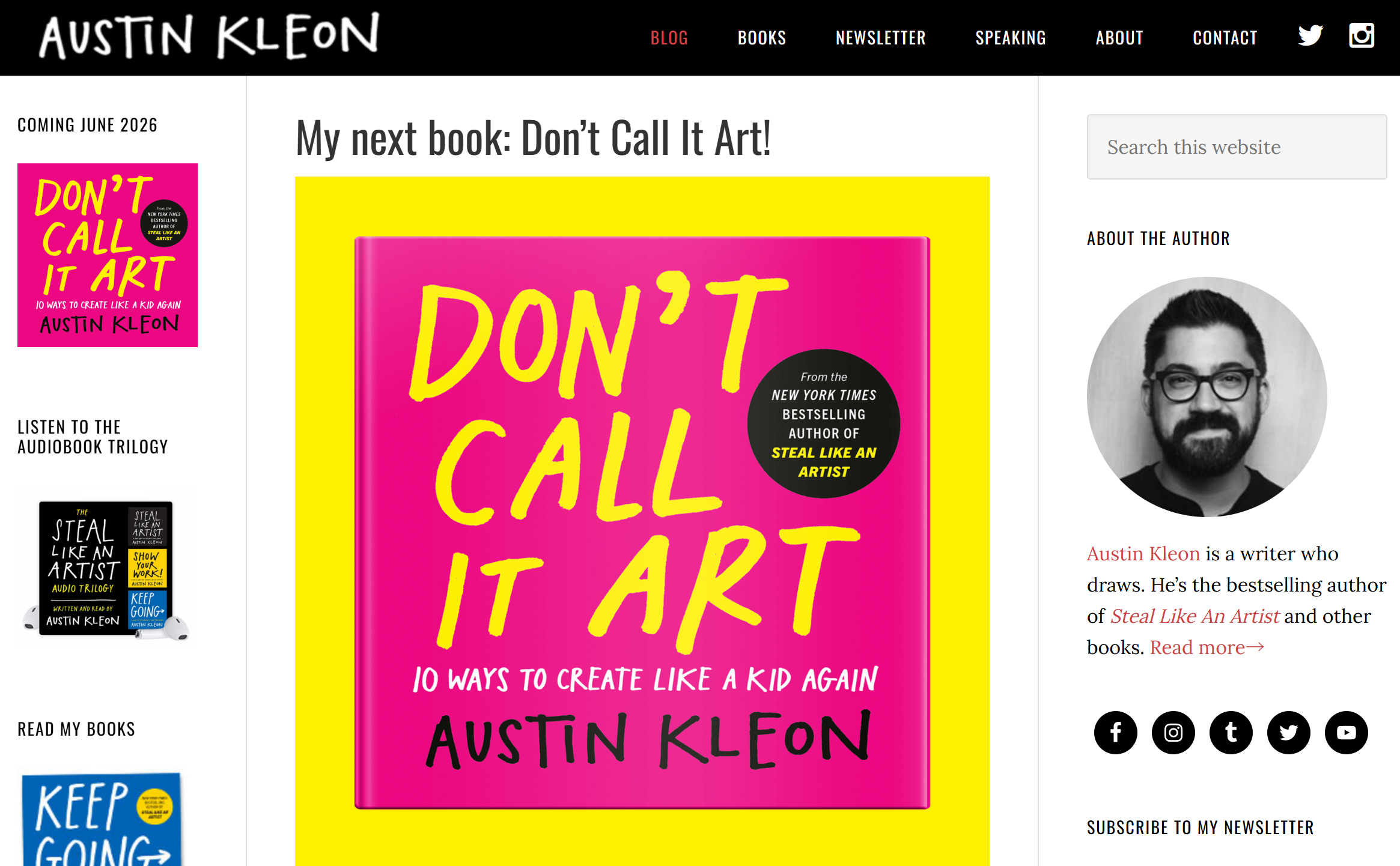
Austin Kleon built his audience through his "Steal Like an Artist" book series, but his blog remains the heart of his online presence. Unlike most author sites that treat blogs as afterthoughts, Austin puts his writing front and center.
What makes it work:
- Minimalist aesthetic design with generous white space
- Weekly newsletter integration that drives repeat visits
- Mix of short observations and longer essays
- Hand-drawn visuals that feel personal, not corporate
Key takeaway: Your blog doesn't need fancy animations. Consistency and authentic voice beat production value every time.
Ali Abdaal
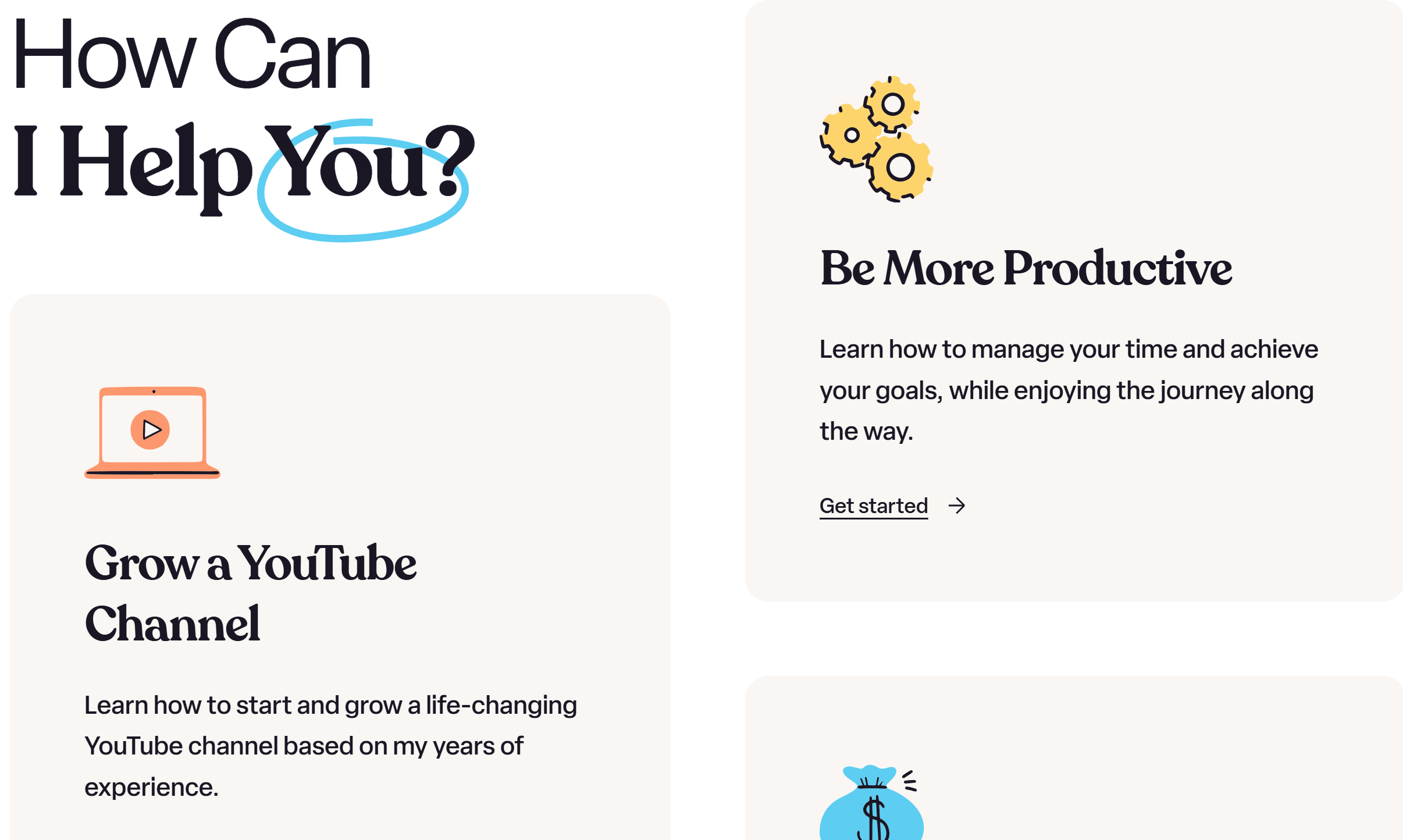
Ali Abdaal transformed from a doctor into one of YouTube's biggest productivity creators. His blog complements his video content with deep-dive articles on productivity systems, book summaries, and personal reflections.
What makes it work:
- Clean reading experience with no distractions
- Content categories that help readers find relevant topics
- Email capture woven naturally into article flow
- Cross-platform content strategy (blog feeds YouTube, and vice versa)
Key takeaway: If you create content on multiple platforms, your blog can serve as the central hub that connects everything.
The Sofia Log

Built on Wix, The Sofia Log proves that personal travel blogs can still stand out in a crowded niche. Sofia shares travel stories with a distinctive voice that feels like reading a friend's journal.
What makes it work:
- Story-driven content over generic travel tips
- Clear navigation by destination
- Personal perspective that big travel sites can't replicate
Key takeaway: In saturated niches, personality becomes your competitive advantage.
Business Blog Website Examples
HubSpot Blog

HubSpot's blog might be the most successful B2B content marketing example in existence. They've built a content machine that drives millions of monthly visitors and feeds their sales pipeline.
What makes it work:
- Topic clusters organized by marketing, sales, and service
- Research-backed content with original data
- Multiple content formats (guides, templates, courses)
- Strong internal linking between related posts
Key takeaway: For business blogs, think ecosystem, not individual posts. Every article should connect to your larger content strategy.
Flowrite Blog
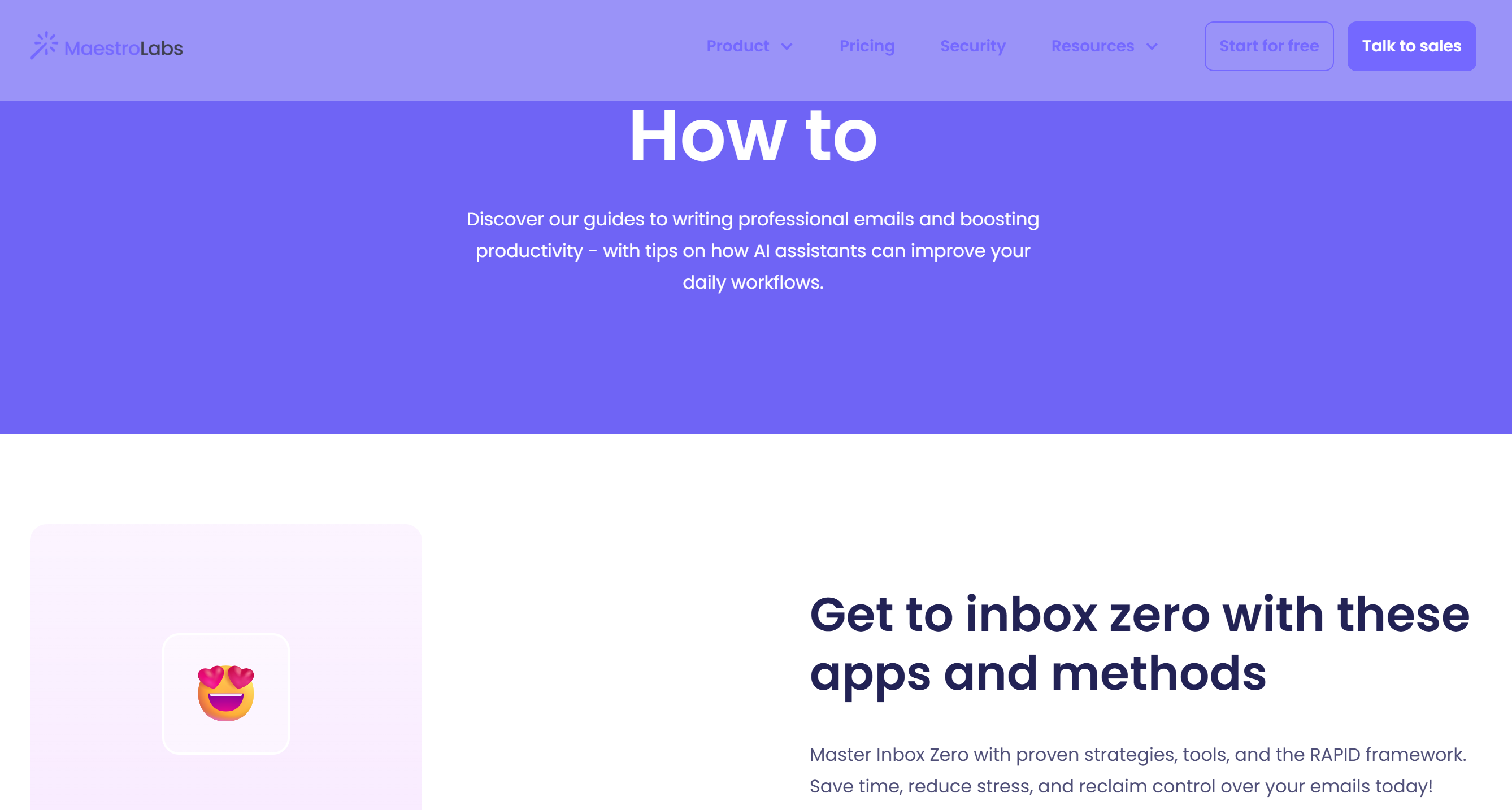
This AI productivity startup uses content marketing to reach their target audience of busy professionals. Their blog focuses on email writing tips and workplace communication.
What makes it work:
- Narrow topic focus that matches their product
- SEO-optimized content that ranks for high-intent keywords
- Practical templates readers can use immediately
- Clean, distraction-free reading experience
Key takeaway: Product-led content works. Write about problems your product solves, and readers will naturally discover your solution.
Brookliving by Brooklinen
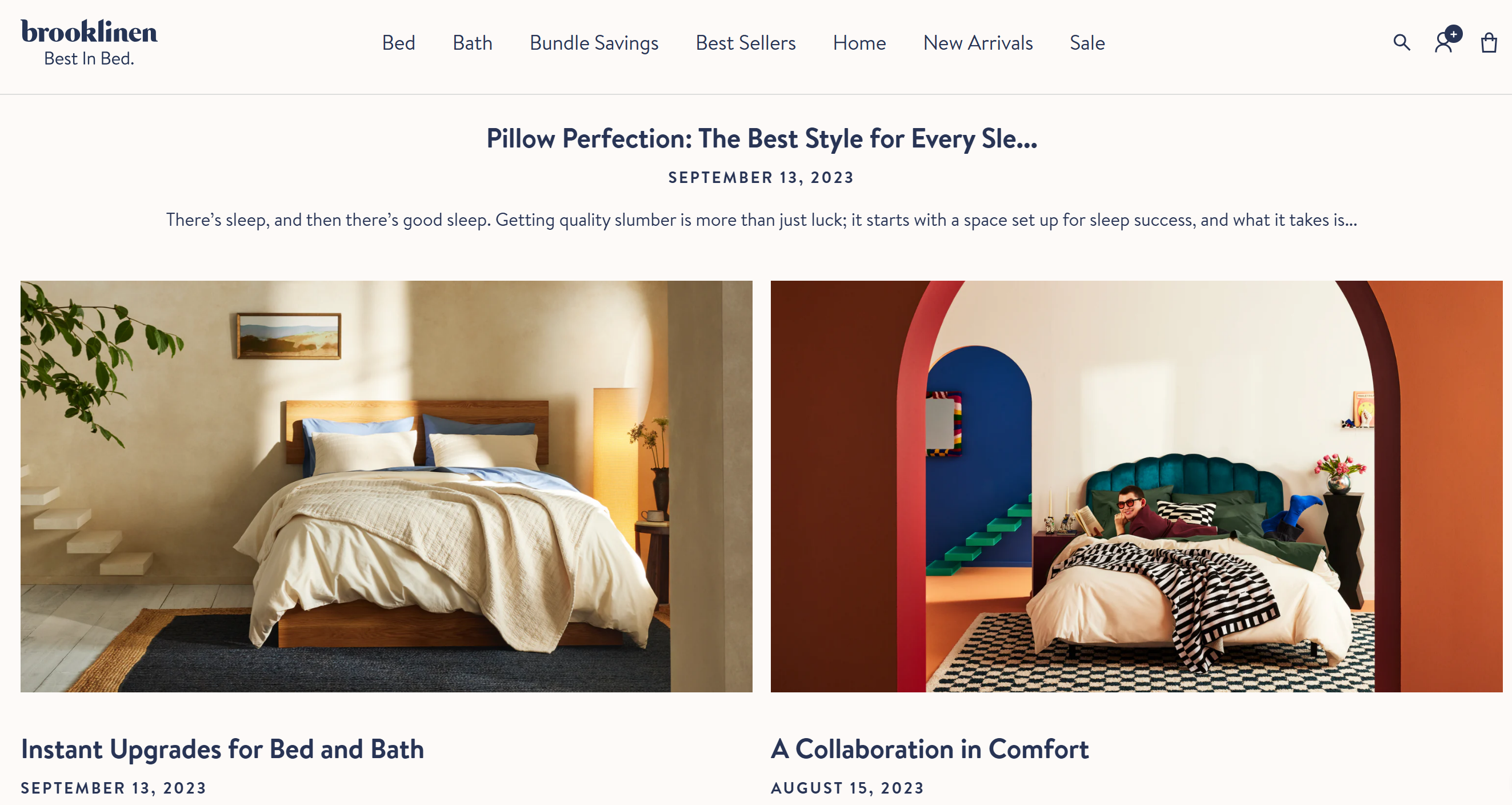
Brooklinen sells bedding, but their blog sells a lifestyle. They've figured out how to make a content strategy work for a physical product company. If you're running a small business website, this approach translates directly.
What makes it work:
- Lifestyle content that extends beyond products
- Beautiful photography consistent with brand aesthetic
- Mix of practical guides and inspirational content
- Subtle product integration that doesn't feel pushy
Key takeaway: E-commerce blogs work best when they focus on the lifestyle around products, not just the products themselves.
Lifestyle and Travel Blog Website Examples
A Cup of Jo

Joanna Goddard started A Cup of Jo as a side project while working at Glamour magazine. Today it's a full-time business with a devoted readership that spans relationships, travel, motherhood, and design.
What makes it work:
- Consistent publishing schedule readers can count on
- Comment sections that foster genuine community
- Guest contributors who bring fresh perspectives
- Evolution of topics that grew with the audience
Key takeaway: Lifestyle blogs succeed when they grow with their readers rather than stay static.
The Good Trade
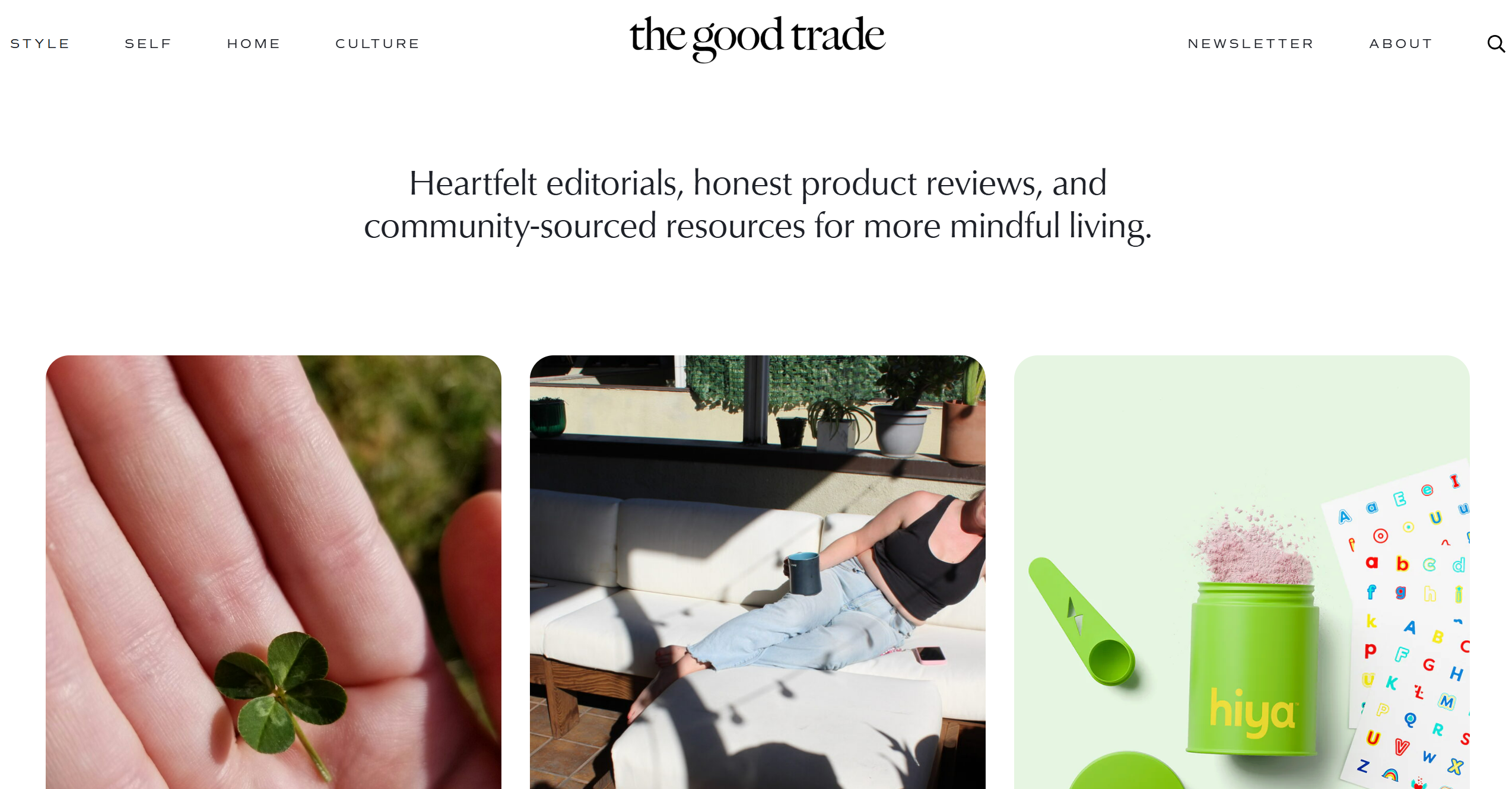
Focused on conscious living, The Good Trade has carved out a unique position in the sustainability space. Their content helps readers make ethical choices without preaching.
What makes it work:
- Strong editorial voice and clear values
- Practical buying guides for sustainable products
- Clean, magazine-style layout
- Topics organized by life area (home, style, wellness)
Key takeaway: Values-driven content attracts loyal readers who share those values.
Traveling Mitch
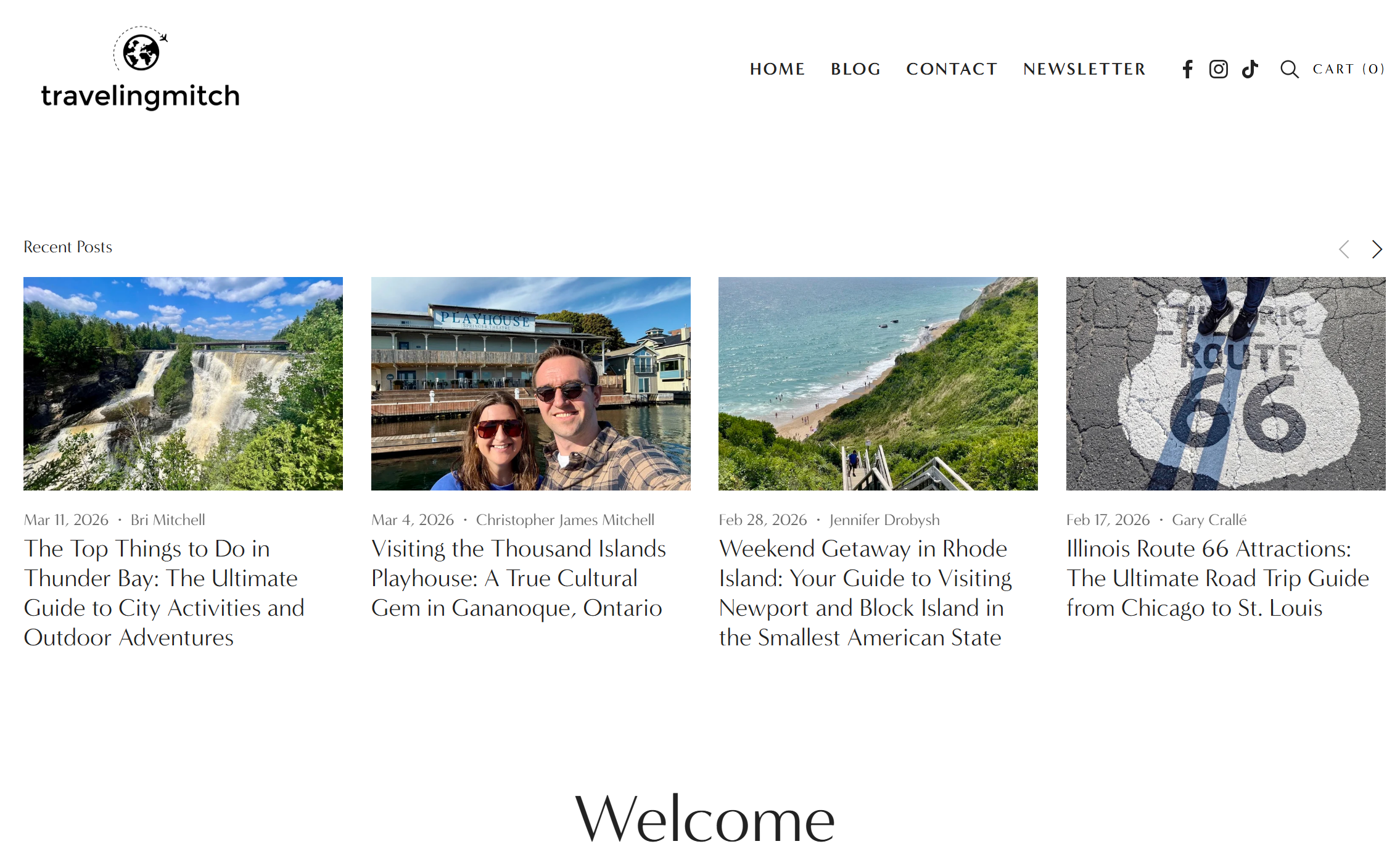
Christopher Mitchell focuses specifically on Canadian travel, proving that geographic specialization can be a winning strategy. While other travel bloggers try to cover the world, he owns his niche.
What makes it work:
- Deep local expertise competitors can't match
- Stunning photography that showcases destinations
- Practical information mixed with storytelling
- Clear destination-based navigation
Key takeaway: Going narrow often beats going broad. Own your corner of the market.
Food and Recipe Blog Website Examples
Cookie and Kate
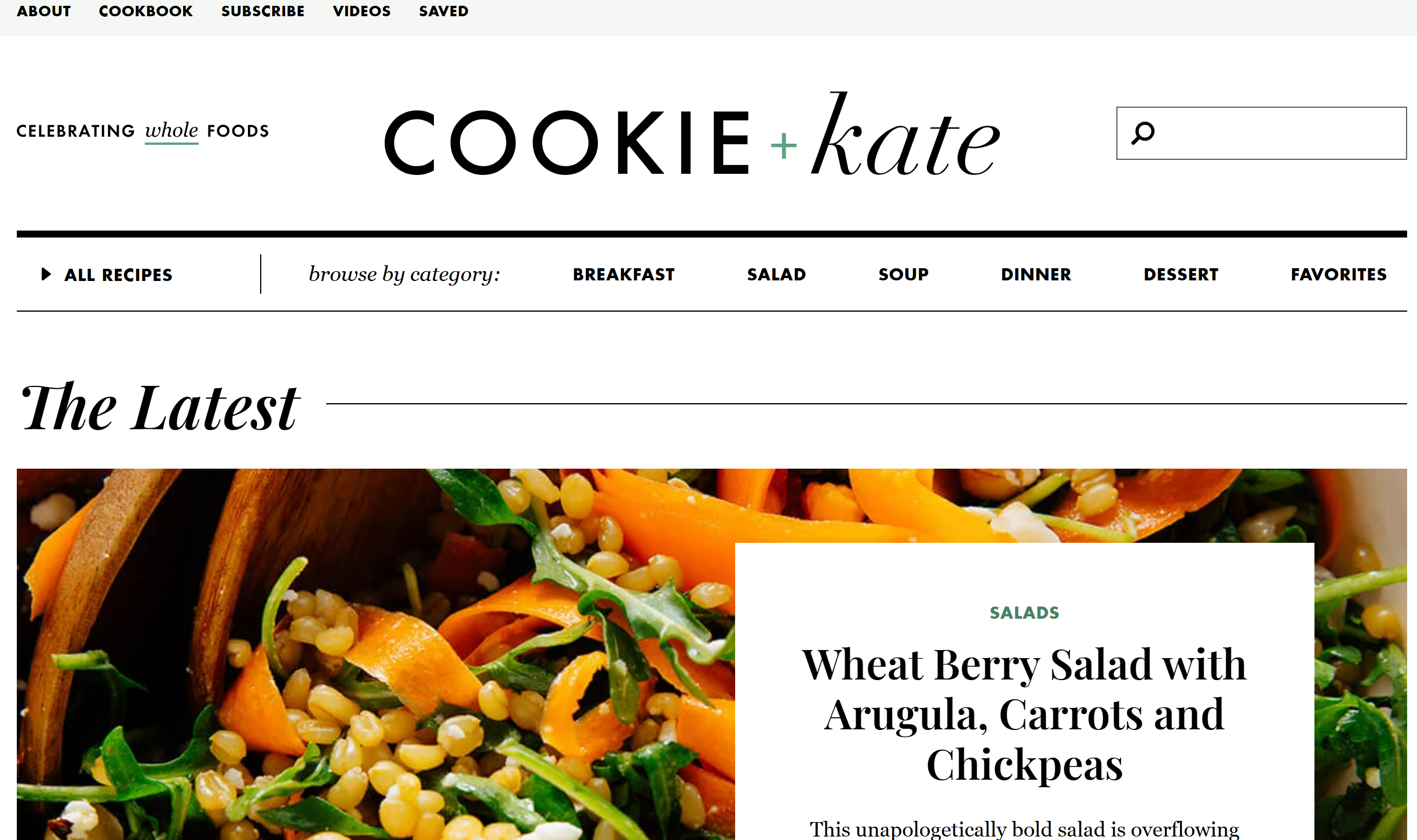
Kate's vegetarian recipe blog has grown into a cookbook empire. Her WordPress site demonstrates how to build authority in the competitive food space.
What makes it work:
- High-quality food photography that makes you hungry
- Recipe cards optimized for printing and saving
- Ingredient-based search functionality
- Personal stories that connect recipes to real life
Key takeaway: In food blogging, photography quality directly impacts success. Invest in learning food styling.
Binging with Babish

Starting as a YouTube channel recreating dishes from movies and TV, Babish expanded to a full blog with detailed written recipes. Each post complements video content.
What makes it work:
- Recipes broken into clear, numbered steps
- Ingredient lists formatted for easy shopping
- Video embeds for visual learners
- Recognizable brand personality in every post
Key takeaway: Multi-format content lets readers engage however they prefer.
Green Kitchen Stories
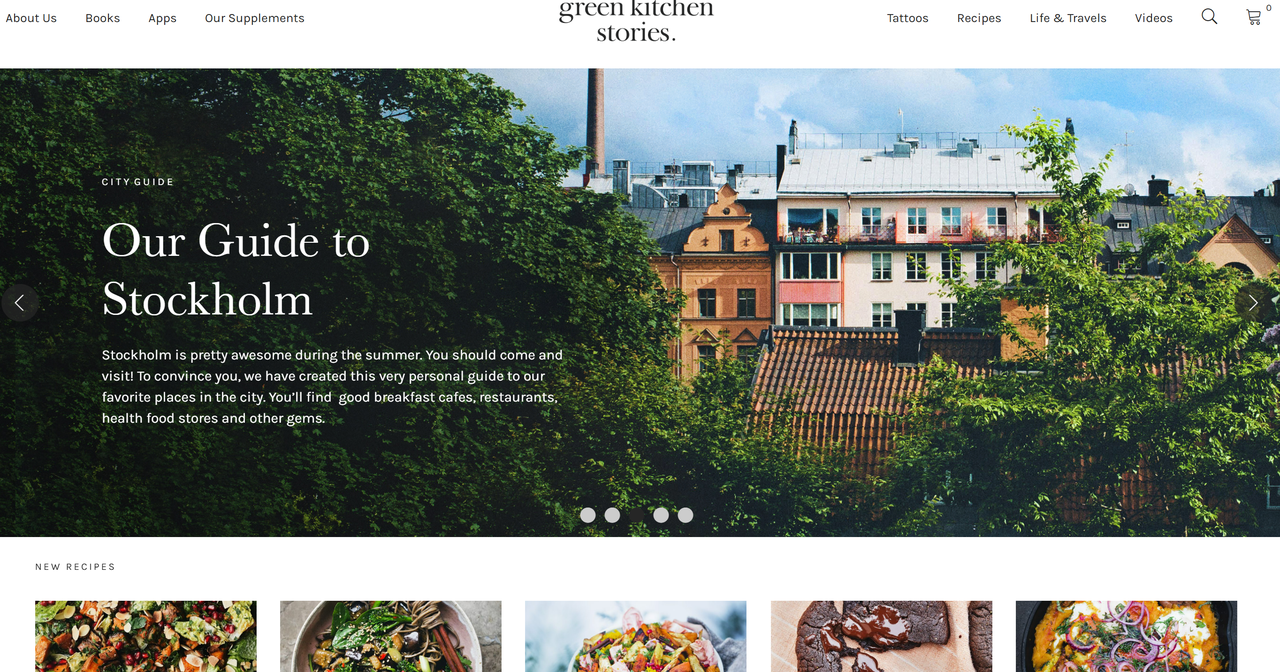
This Swedish couple built their vegetarian food blog into a brand with apps, cookbooks, and products. Their site showcases beautiful, achievable recipes.
What makes it work:
- Distinctive visual style with natural lighting
- Recipes organized by meal type and ingredient
- About page that builds personal connection
- Expansion into multiple revenue streams
Key takeaway: Successful blogs often become platforms for larger businesses.
Creative and Portfolio Blog Website Examples
Meiwen See

Meiwen combines photography portfolio with travel journal entries. Her Squarespace site demonstrates how creatives can showcase work while building an audience through content. For more inspiration on this approach, check out these portfolio website examples.
What makes it work:
- Full-screen imagery that showcases photography
- Minimal text that lets visuals speak
- Geographic organization of travel content
- Clean navigation that prioritizes portfolio
Key takeaway: For visual creators, let your work be the hero. Everything else supports it.
CONCEPTKICKS
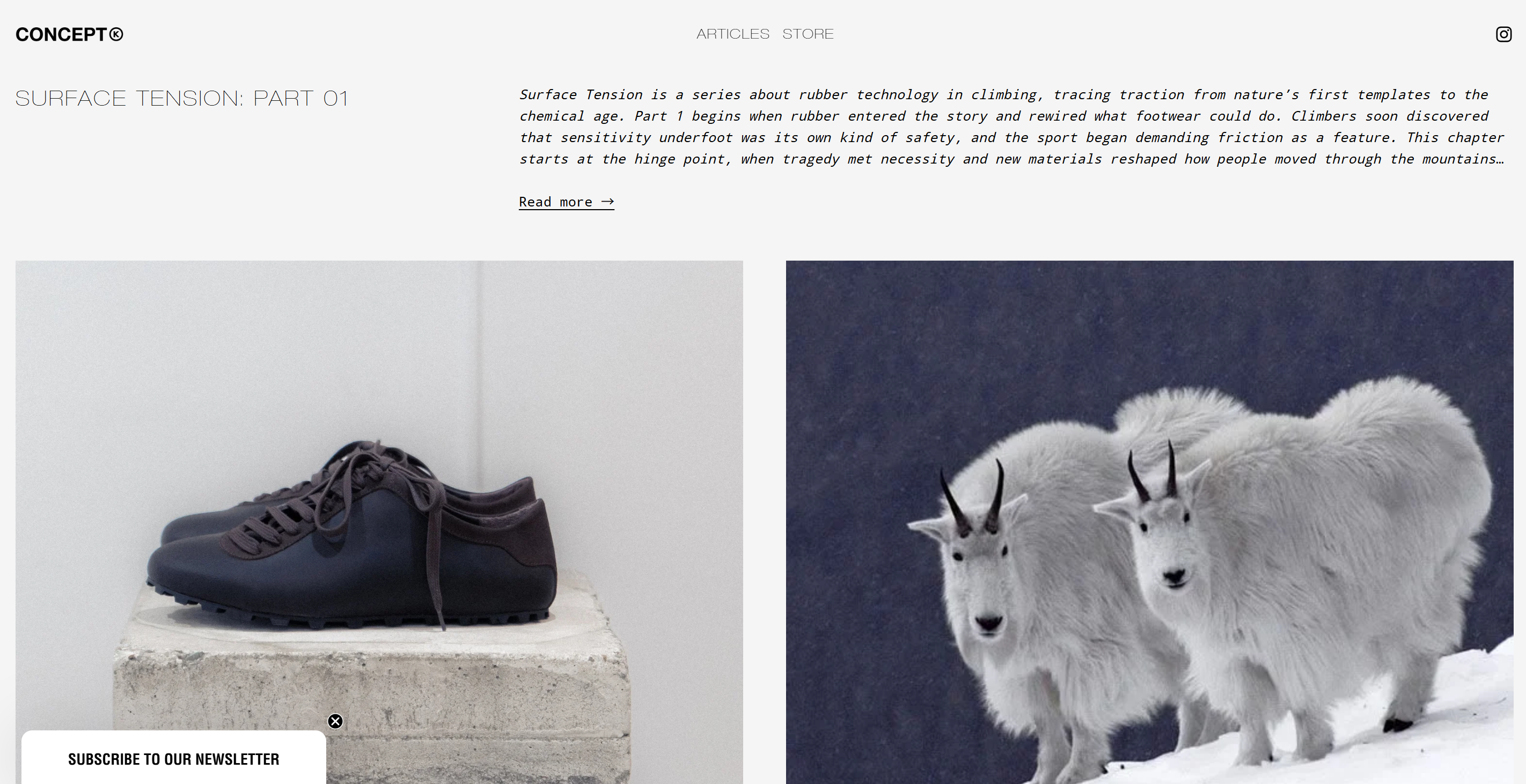
This sneaker design blog aggregates concept designs and industry news for footwear enthusiasts. It's proof that niche enthusiasm can drive a successful blog.
What makes it work:
- Curated content that saves readers time
- Strong social media integration
- Focus on emerging designers and trends
- Community-driven content submissions
Key takeaway: Curation can be as valuable as creation if you have sharp editorial taste.
The House That Lars Built
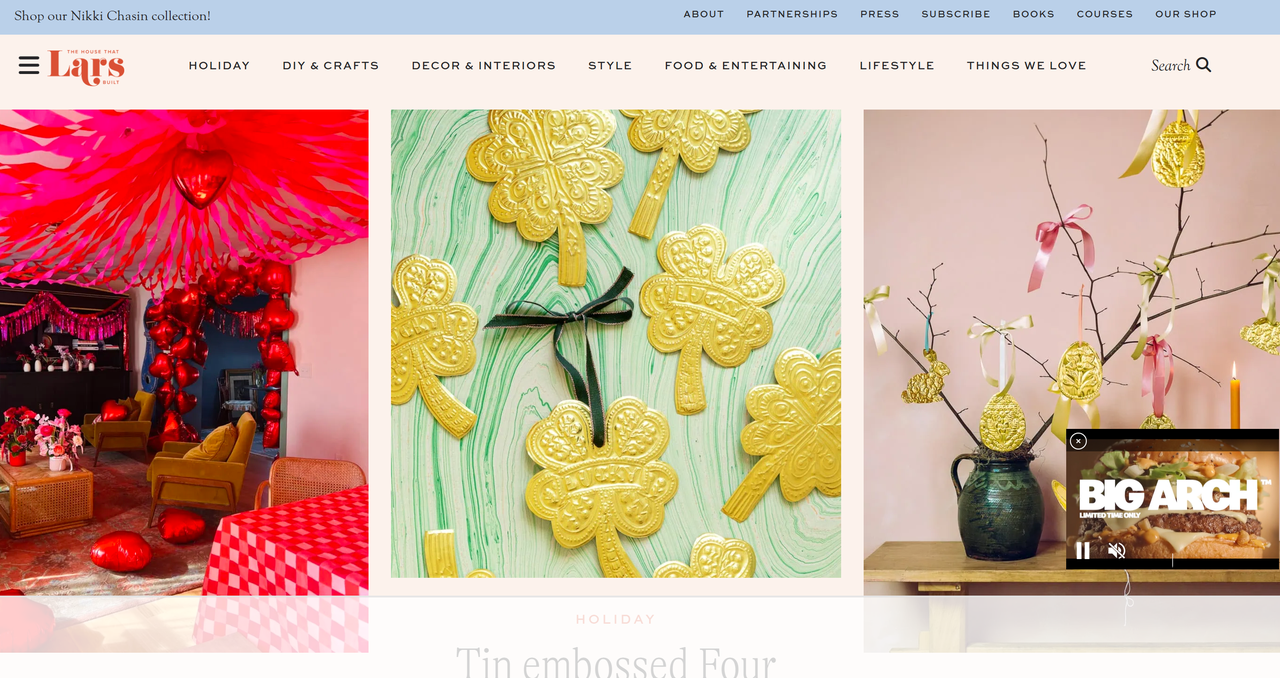
Brittany Watson Jepsen's DIY and design blog showcases colorful projects with detailed tutorials. Her distinctive aesthetic makes the site instantly recognizable.
What makes it work:
- Bold color palette that stands out
- Step-by-step tutorials with clear photos
- Mix of quick projects and ambitious builds
- Personality that shines through every post
Key takeaway: A distinctive visual style creates instant brand recognition.
How to Create Your Own Blog Website with AI
Inspired by these examples but worried about the technical side? Here's the good news: building a professional blog no longer requires coding skills or expensive developers.
Wegic is an AI website builder that lets you create blogs through conversation. Instead of dragging elements around templates, you simply describe what you want, and the AI builds it. Over 600,000 websites have been created this way, with 80% of users starting with zero technical experience.
Step 1: Describe Your Blog Vision
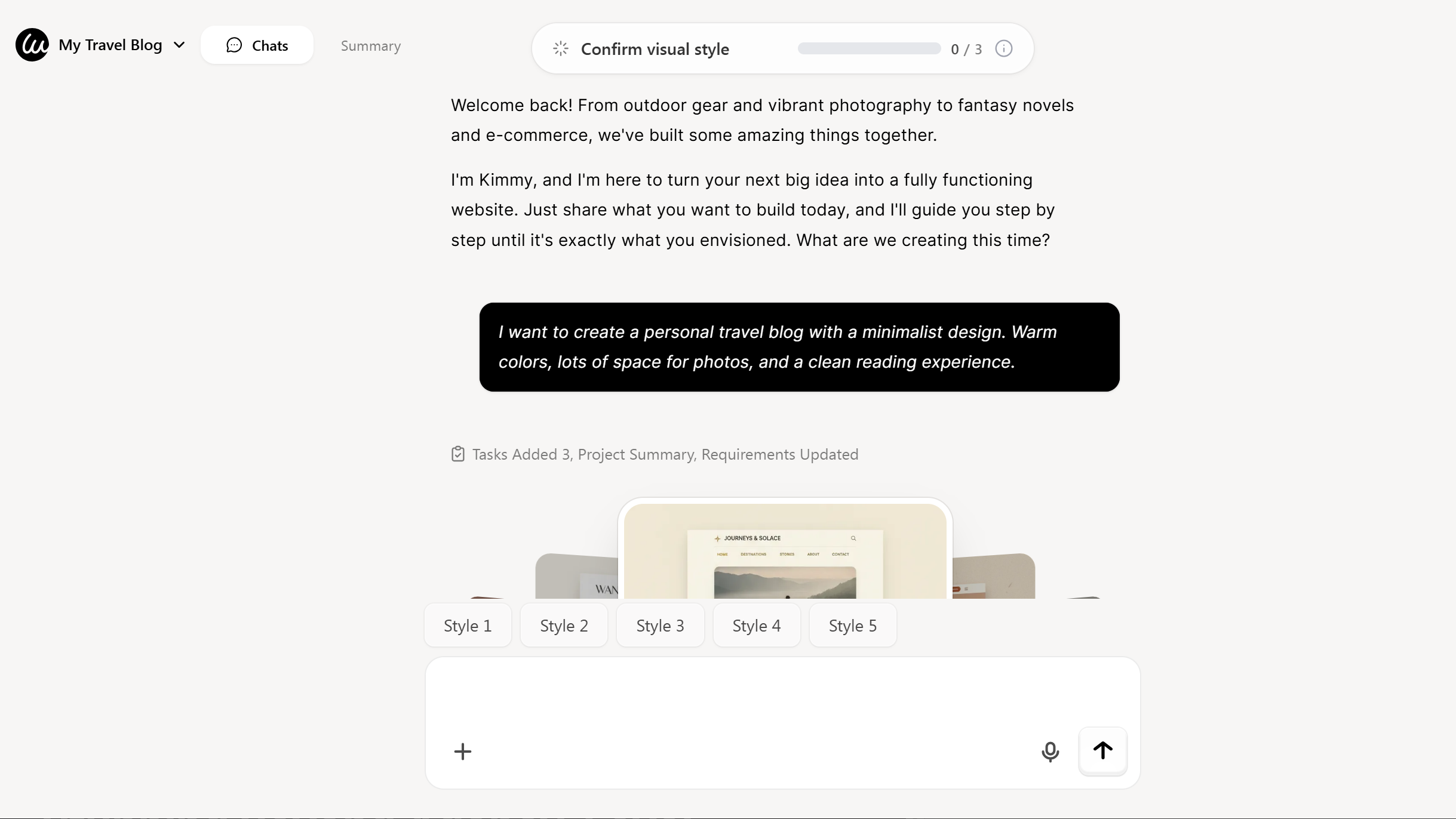
Open Wegic and start chatting with Kimmy, the AI assistant. Tell it about your blog concept. For example:
"I want to create a personal travel blog with a minimalist design. Warm colors, lots of space for photos, and a clean reading experience."
Step 2: Answer a Few Quick Questions
Kimmy will ask about your target audience, brand preferences, and any specific features you need. This takes about two minutes.
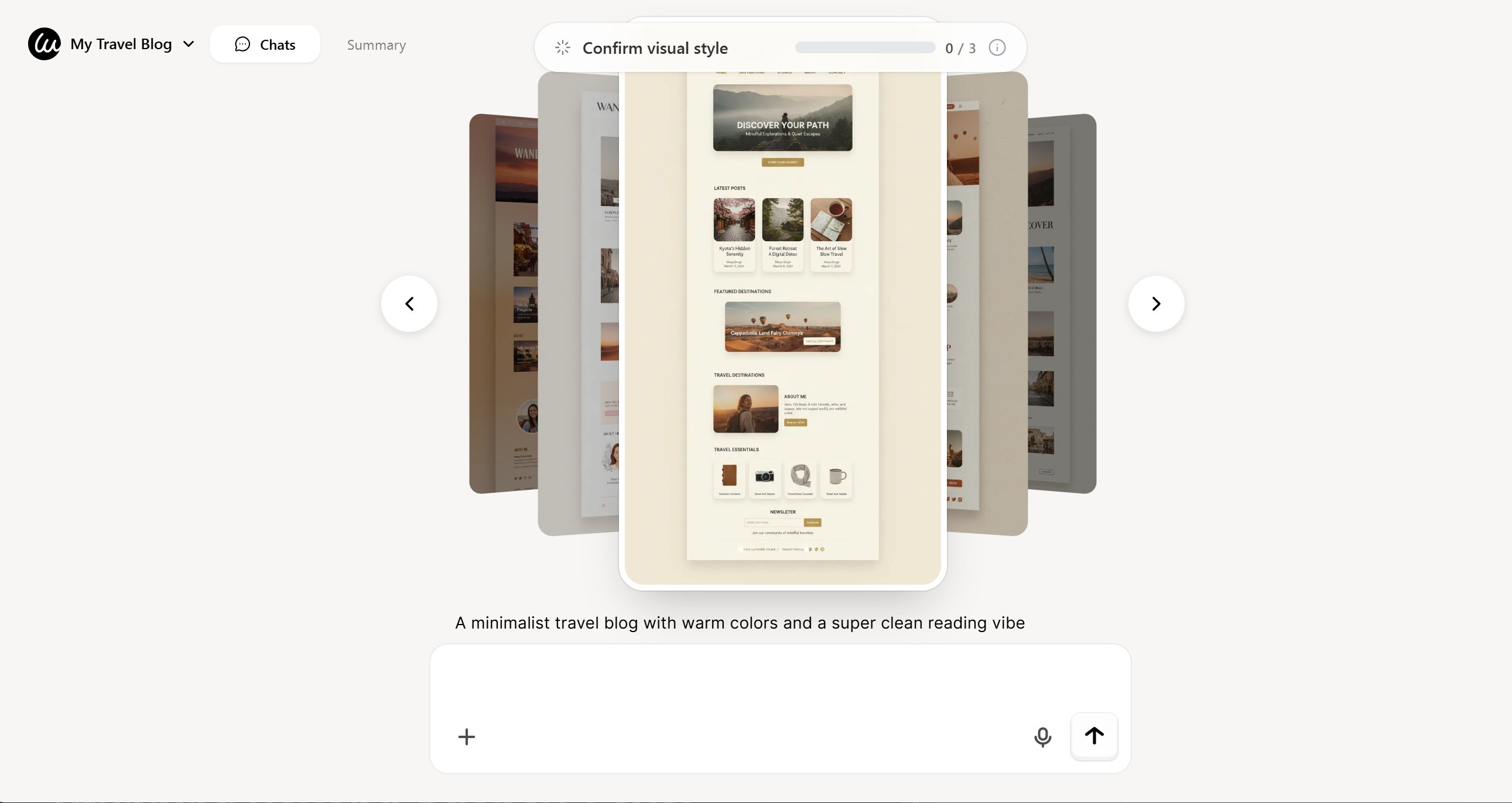
Step 3: Review Design Options
Wegic generates five unique design concepts based on your description. Each captures a different interpretation of your vision. Pick the one that feels right.
Step 4: Watch Your Blog Come to Life
Kimmy will create a plan to build your complete blog with:
- Examining the User's Input
- Structuring the Website
- Building the Core Structure
- Building the Website's Foundation
- Confirming the Design and Plan
- Refining Website Generation
Step 5: Edit with Natural Language
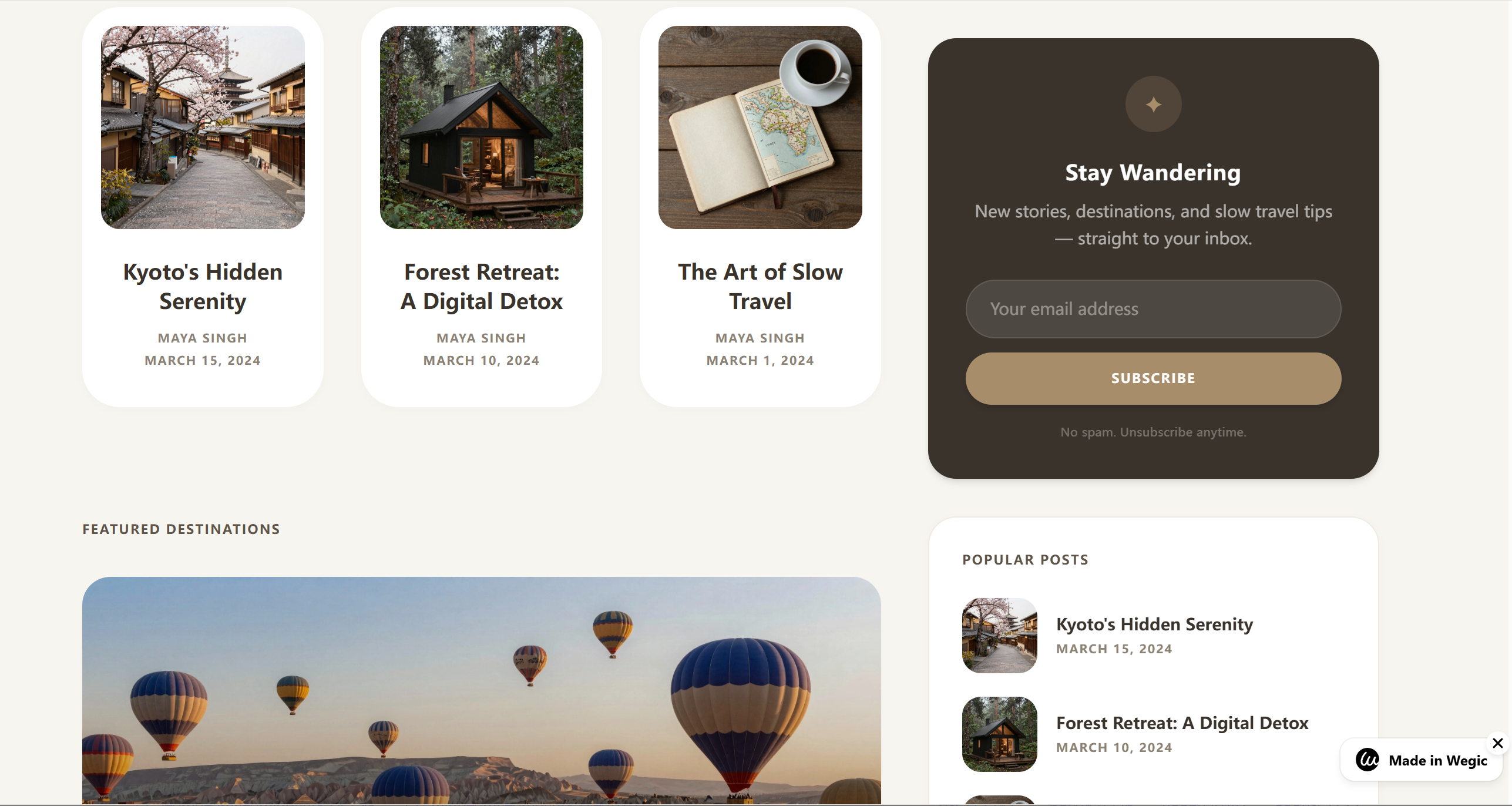
Want changes? Just say to Kimmy:
"Make the header font larger and add a newsletter signup to the sidebar"
Wegic handles technical implementation instantly.
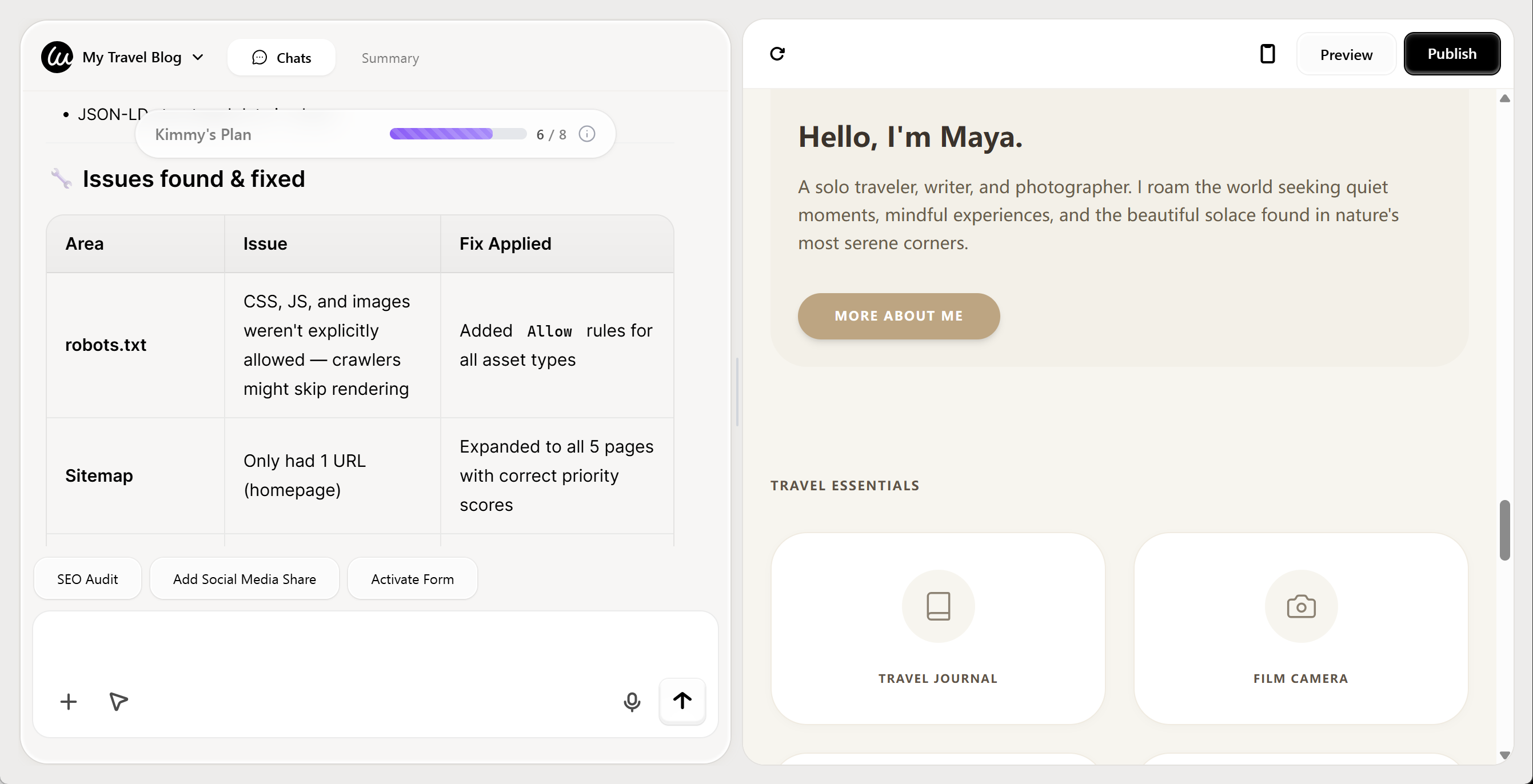
Optimizing Your Blog for Search
Once your blog is live, Wegic's SEO Centre helps you optimize Google. You can:
- Review and edit page titles and meta descriptions
- Check URL structure for all pages
- Verify image alt text
- Submit your sitemap to Google Search Console
Just tell Wegic:
"Review all SEO settings for my website"
AI scans everything, flagging areas that need attention. For a deeper dive into optimizing your blog content, see our guide on website keywords examples that actually drive traffic.
Blog Design Tips from Top Examples
After analyzing hundreds of successful blogs, patterns emerge. Here's what the best blog website examples teach us:
Prioritize Reading Experience
The blogs with highest engagement share one trait: they're easy to read. This means:
- Line lengths between 50-75 characters
- Generous spacing between paragraphs
- Font sizes that work on mobile (16px minimum)
- High contrast between text and background
Build for Mobile First
With over half of traffic coming from mobile devices, designing for desktop first is backwards. Test every design decision on a phone screen.
Create Content Categories That Make Sense
The best blogs organize content in ways readers actually think. A food blog might organize by meal type (breakfast, dinner, desserts) rather than arbitrary categories.
Use Visuals Strategically
92% of bloggers use images in their posts, but the best ones use visuals with purpose. Each image should add information or emotional resonance, not just break up text.
Make Navigation Obvious
Readers should find what they want within seconds. Use clear menu labels, search functionality, and category pages that aggregate related content.
Build Email From Day One
Social media algorithms change constantly, but your email list is yours. Every successful blog prioritizes newsletter signups with compelling lead magnets.
Step out of The Comfort Zone
The 15 blog website examples above share common DNA: clear purpose, reader-focused design, and consistent quality. Whether you're building a personal journal, business content hub, or creative portfolio, these principles apply.
The barrier to creating professional blogs has never been lower. AI tools like Wegic let anyone build a stunning blog through simple conversation, no technical skills required. Already have a blog that needs a refresh? Learn how to redesign your website with AI without starting over. The hard part isn't building the site anymore. It's creating content worth reading.
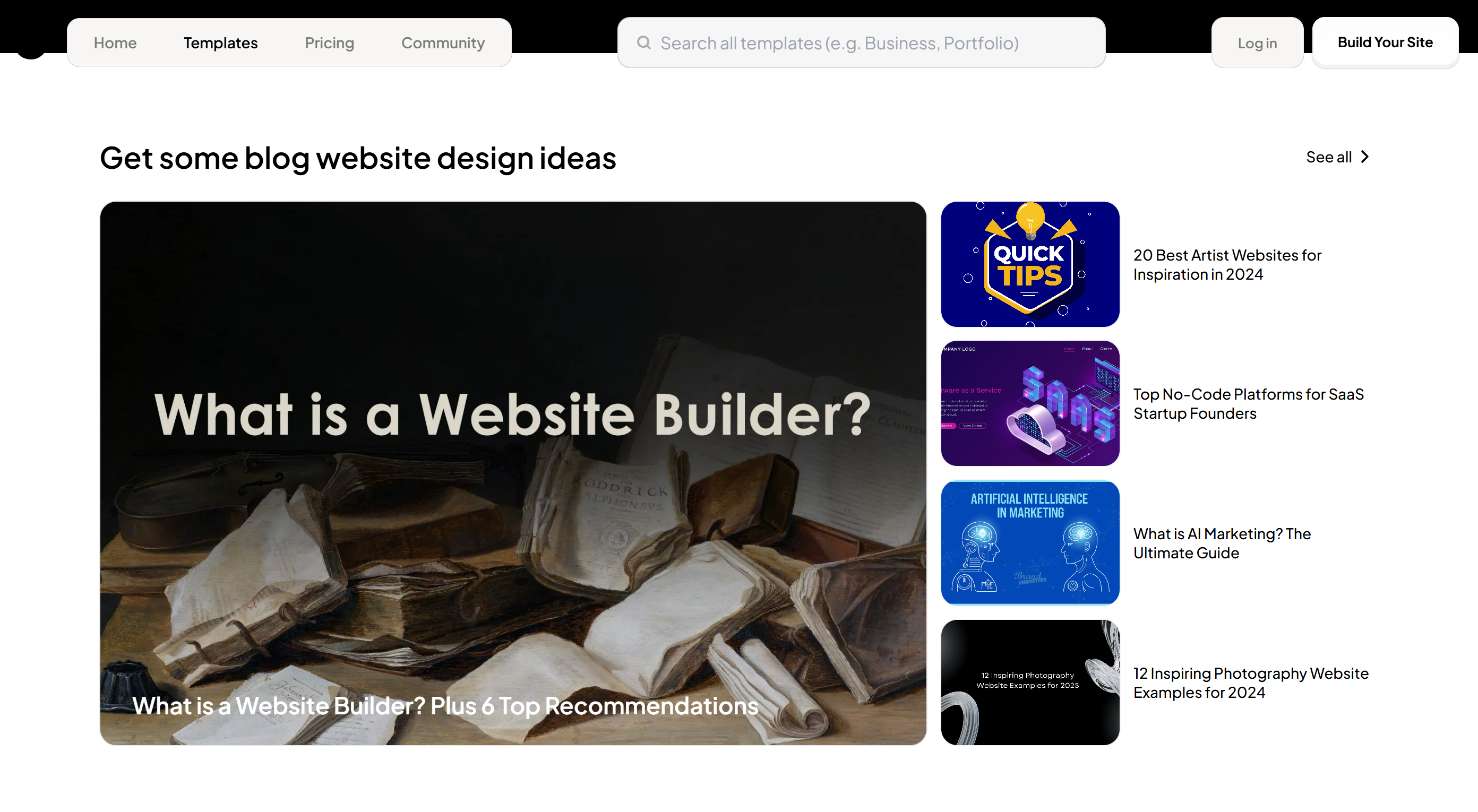
Start with one Wegic template that resonates with your vision. Study what makes it work. Then build something that's authentically yours.
Ready to create your blog? Try Wegic free and describe your ideal blog to get started.
Frequently Asked Questions
What is the best platform for starting a blog in 2026?
The best platform depends on your technical comfort level. WordPress offers maximum flexibility but requires more setup. Squarespace and Wix provide user-friendly templates. For the easiest experience, AI builders like Wegic let you create blogs through conversation without touching any code.
How much does it cost to start a blog website?
You can start a basic blog for free on platforms like WordPress or Blogger. Professional blogs with custom domains typically cost $50-200 per year for hosting and domain registration. AI builders like Wegic offer free tiers to get started, with premium features available on paid plans.
What makes a blog successful in terms of design?
Successful blog designs prioritize readability above all else. This means clean layouts, adequate white space, mobile optimization, and fast loading speeds.
How often should I post on my blog?
Consistency matters more than frequency. Research from Semrush shows that nearly 24% of high-ranking blogs publish daily, but many successful blogs post weekly or even monthly. Pick a schedule you can maintain long-term and stick to it.
Can I make money from a blog website?
Yes, blogs generate income through multiple channels: affiliate marketing, sponsored content, digital products, online courses, and advertising. The most profitable niches according to industry data include personal finance, online business, and health and wellness. Building a monetizable blog typically takes 6-12 months of consistent content creation.
How do I get traffic to my new blog?
Start with SEO optimization to capture search traffic over time. The majority of successful bloggers use SEO as their primary traffic source. Complement this with social media promotion, email marketing, and guest posting on established sites in your niche. Paid advertising can accelerate growth but requires budget.