Connectez-vous
Créez Votre Site
25 Meilleurs exemples de sites web pour petites entreprises qui convertissent vraiment en 2026
Découvrez 25 exemples inspirants de sites web pour petites entreprises. Apprenez ce qui les rend efficaces et comment créer le vôtre en quelques minutes avec l'IA.
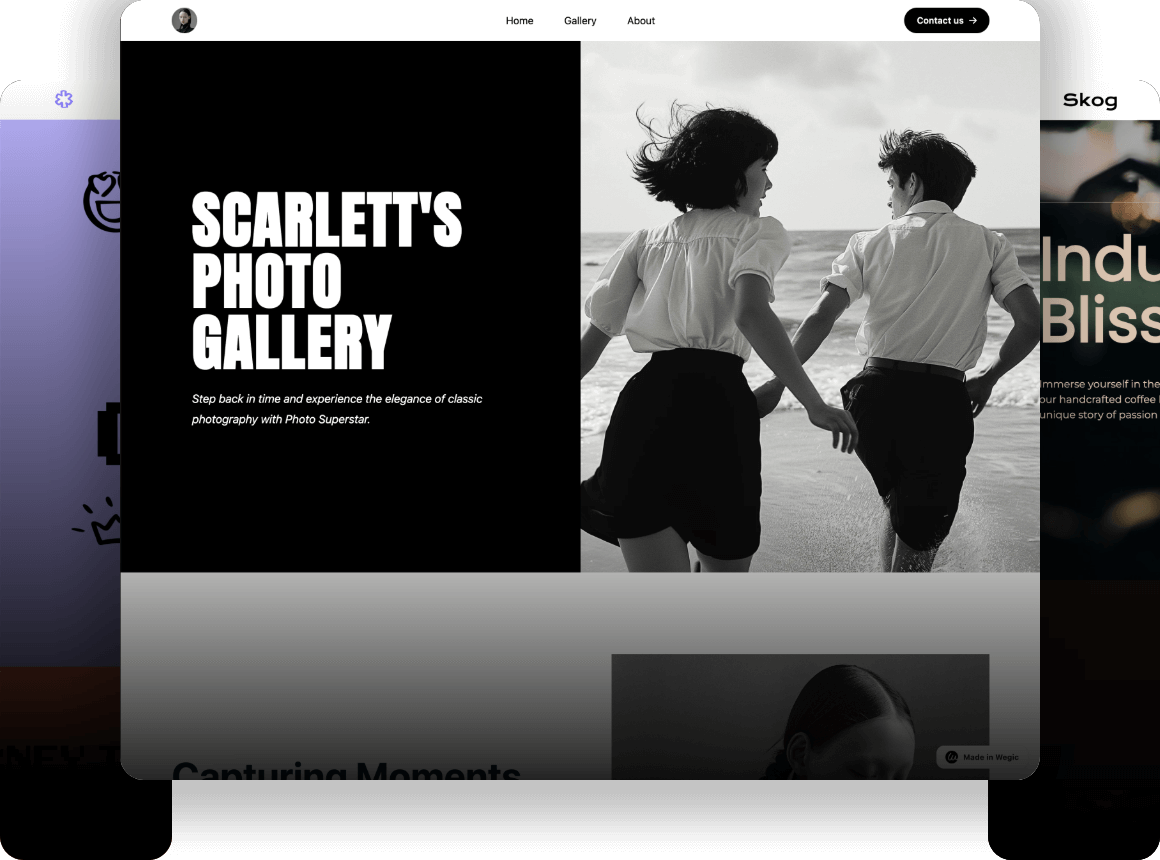
J'ai sélectionné 25 exemples de sites web pour petites entreprises qui génèrent réellement des résultats, couvrant plus de 8 secteurs d'activité : restaurants, salons, e-commerce, consultants, photographes, etc. Les secrets sont clairs : CTA efficaces, temps de chargement rapides et cohérence de la marque. Je vais vous montrer exactement comment créer un site web professionnel pour une petite entreprise en moins de 10 minutes avec Wegic. 80 % des utilisateurs de Wegic commencent à zéro. S'ils peuvent le faire, vous pouvez aussi.
Pourquoi le design d'un site web pour petite entreprise est plus important que jamais
Voici un chiffre qui pourrait vous surprendre : 89 % des consommateurs recherchent en ligne avant d'acheter quoi que ce soit. Pas « peut-être parfois » – presque 9 sur 10 personnes. Si votre entreprise n'apparaît pas en ligne, vous êtes pratiquement invisible pour les clients potentiels.
Mais voici une bonne nouvelle : vous n'avez pas besoin d'un site web coûtant 10 000 dollars ou d'une équipe de développeurs pour compétiter. Les meilleurs sites web pour petites entreprises en 2026 sont construits par des personnes ordinaires utilisant des outils d'IA. Il n'est pas surprenant qu'ils aient l'air aussi professionnels que les grands acteurs.
J'ai passé des semaines à analyser ce qui sépare un site web « moyen » d'un site qui convertit réellement les visiteurs en clients. Dans cet article, je partagerai 25 exemples inspirants, expliquerai exactement ce qui les rend efficaces et vous montrerai un raccourci pour créer votre propre site en quelques minutes.
25 Meilleurs Exemples de Sites Web pour Petites Entreprises qui Convertissent Réellement
1. La Petite Alice
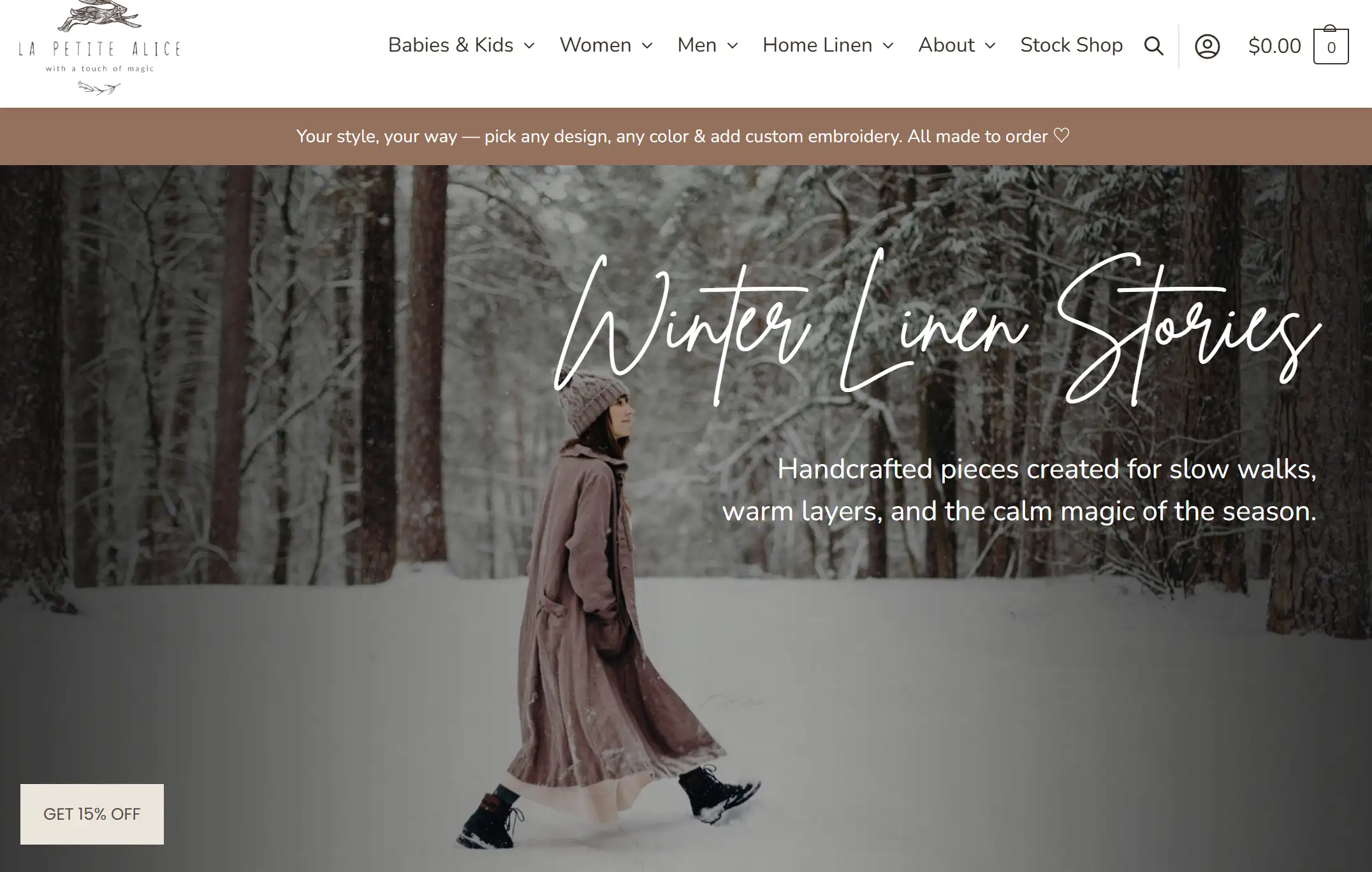
- Ce qu'ils font bien : Cette boutique de vêtements utilise un esthétique sobre et minimaliste qui met les produits en valeur. La navigation est simple : Boutique, À propos, Contact.
- Point clé : Parfois, moins est plus. Ne remplissez pas votre conception de page d'accueil pour petite entreprise avec toutes les choses que vous proposez.
2. Movement LAB

- Ce qu'ils font bien : La typographie audacieuse s'associe à des photographies énergiques. Ils commencent par un CTA clair : « Réservez votre première classe. » Aucune recherche nécessaire.
- Point clé : Si vous voulez que les gens fassent quelque chose, demandez-le-leur tout de suite. Ne cachez pas votre appel à l'action dans du texte petit.
3. Little Karma Co.

- Ce qu'ils font bien : Cette boutique éco-responsable maîtrise son histoire de marque. La section « À propos » vous explique exactement pourquoi ses produits comptent - pas seulement ce qu'elle vend, mais pourquoi elle le vend.
- Point clé : Les gens s'attachent aux histoires. Votre exemple de page « À propos de nous » doit sembler personnel, pas comme un manifeste corporatif.
4. Sureshot Brewing

- Ce qu'ils font bien : Les couleurs chaudes, les photos de nourriture appétissantes et un menu facile à trouver. Ils affichent également leurs heures en premier plan, personne n'aime deviner si un endroit est ouvert.
- Point clé : Les informations pratiques (heures, emplacement, menu) doivent être au-dessus de la pliure, pas cachées dans le pied de page d'un site web.
5. SOLIDU – Soins minimalistes
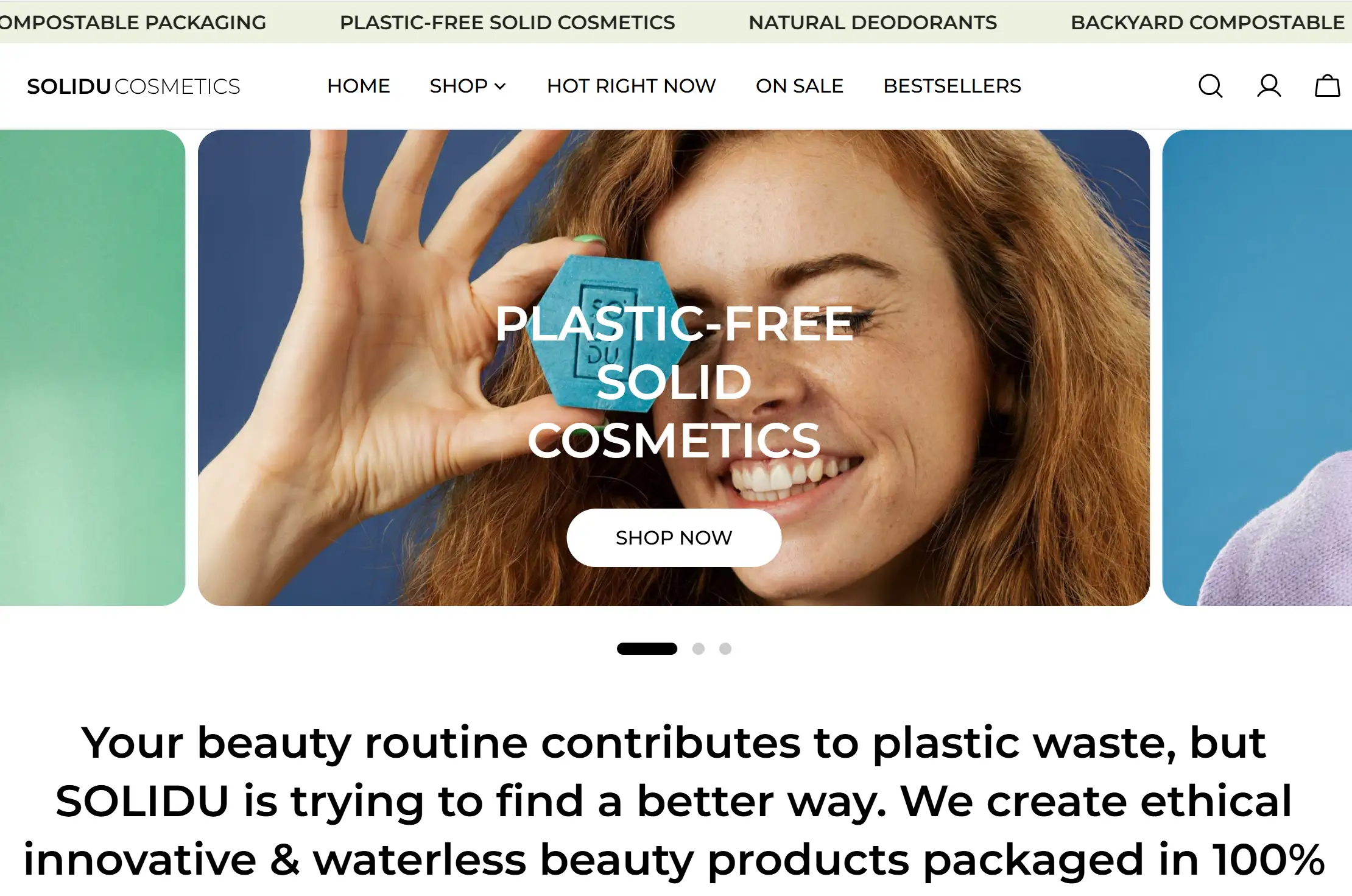
- Ce qu'ils font bien : Cette marque utilise parfaitement l'espace blanc. Les images de produits sont magnifiques, et le processus de paiement est simplifié. Moins de friction = plus de ventes.
- Point clé : Chaque étape supplémentaire dans votre processus de paiement vous coûte des clients. Gardez-le simple.
6. Ine Agresta – Photographe indépendante
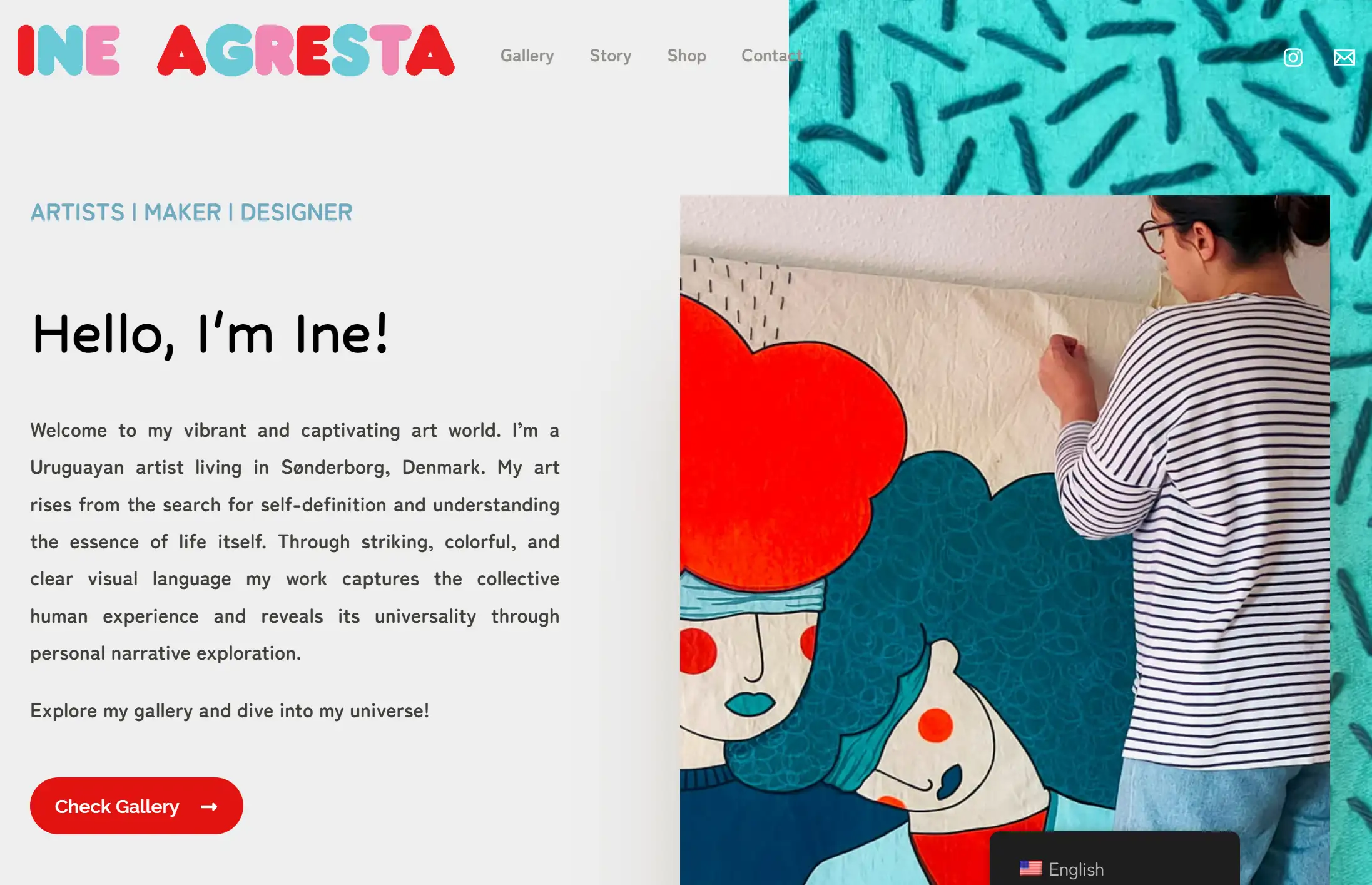
- Ce qu'ils font bien : Une approche centrée sur le portfolio. La page d'accueil est en fait une grande galerie d'images. Les visiteurs voient immédiatement son travail avant même de lire un seul mot.
- Point clé : Pour les entreprises de photographie créative, montrez, ne dites pas. Votre travail doit faire la vente.
7. Architecture BDSM – Cabinet d'architecture
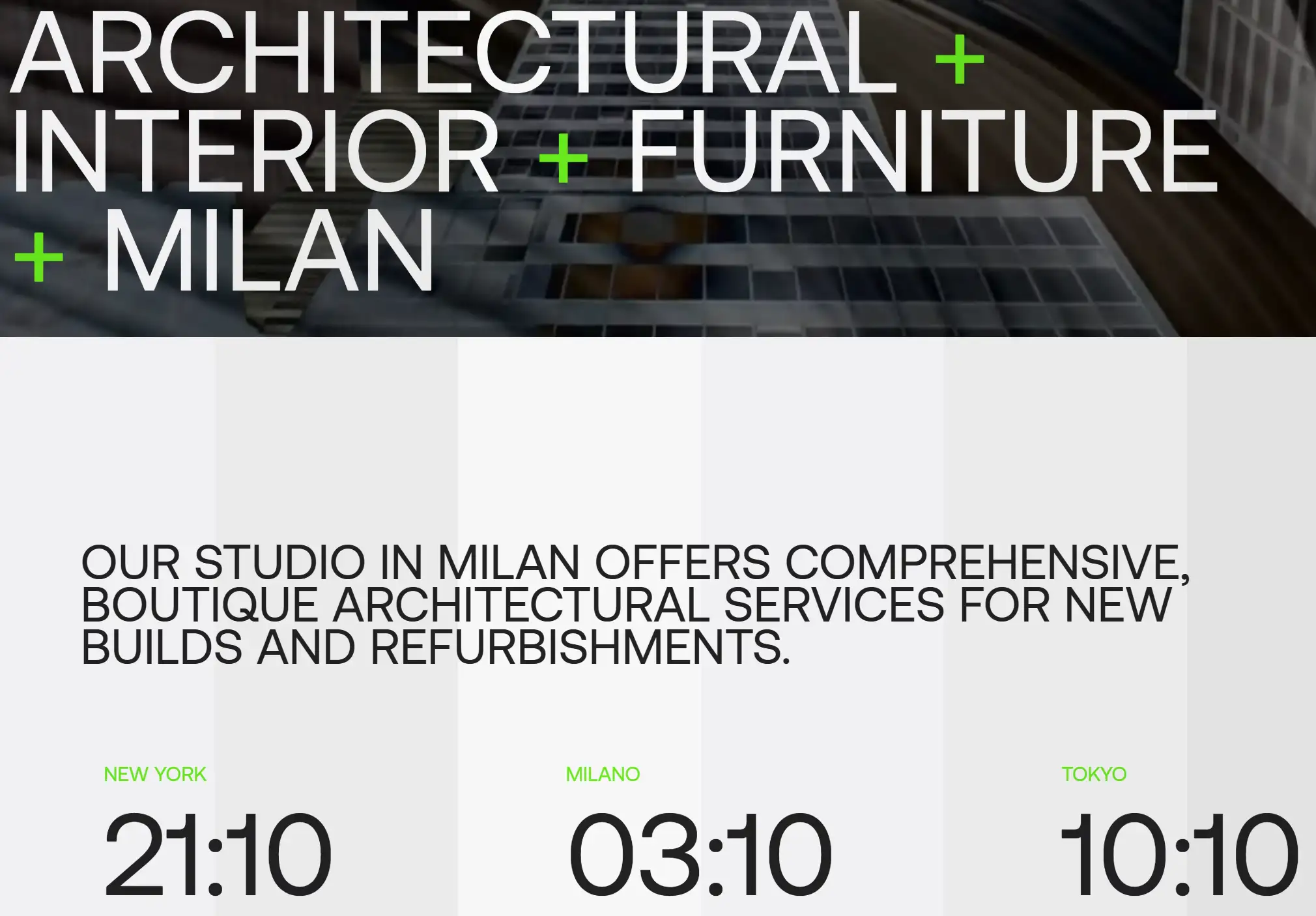
- Ce qu'ils font bien : Ce cabinet d'architecture utilise un schéma de couleurs sombres et sophistiquées qui crie "premium". Leur galerie de projets est searchable par catégorie, une touche UX sympathique.
- Point clé : Laissez votre esthétique de design correspondre à votre prix. Une marque de luxe ne devrait pas avoir l'air bon marché.
8. Gate Foot Forge – Forgeron artisan

- Ce qu'ils font bien : L'artisanat métallique fait à la main s'associe au design web pour les petites entreprises. Ils équilibrent l'artisanat rustique avec une fonctionnalité de commerce électronique propre. Intelligent.
- Point clé : Même les arts traditionnels peuvent bénéficier d'un site web moderne. N'ayez pas peur de mélanger le passé et le présent.
9. Nohma – Studio de céramique
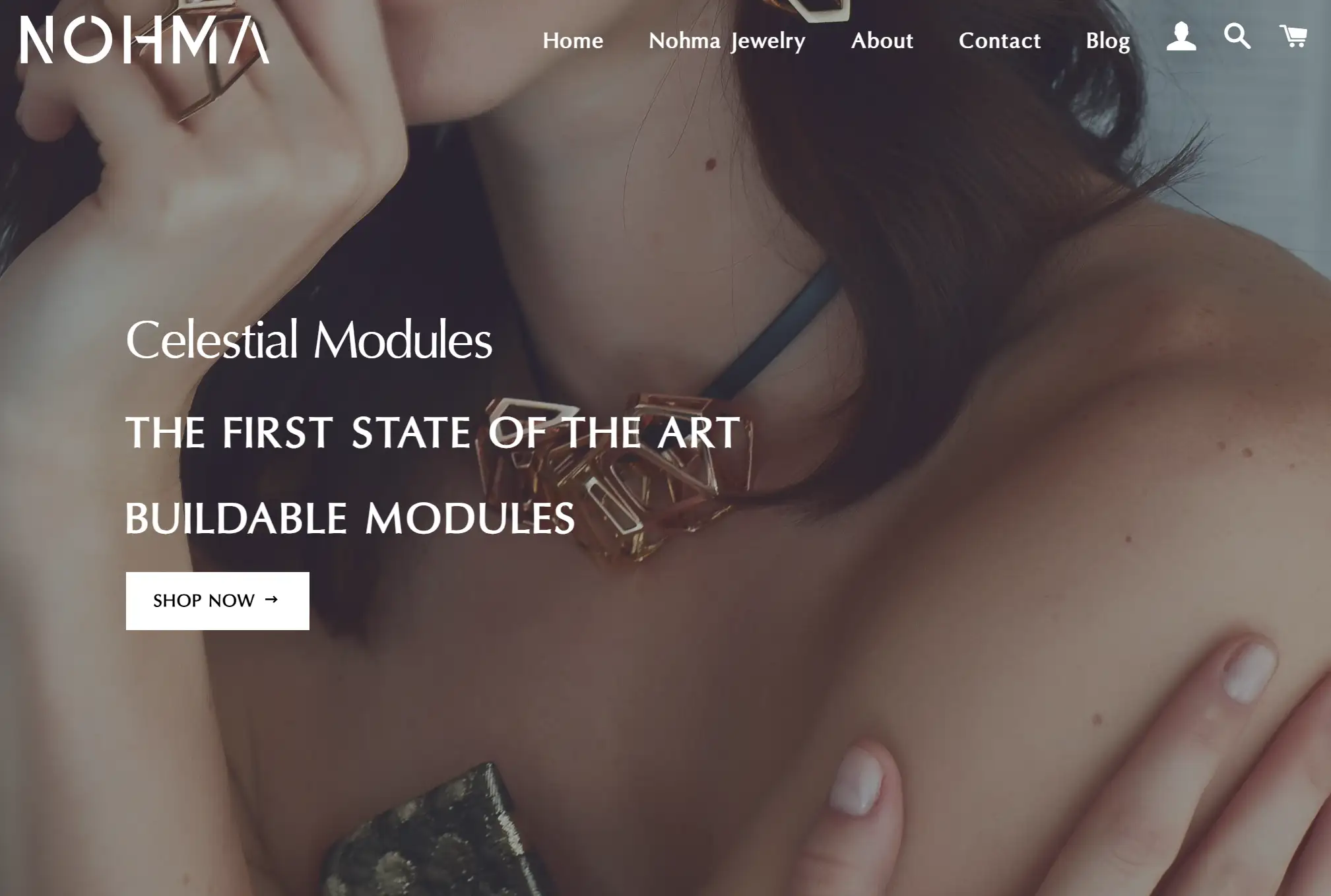
- Ce qu'ils font bien : Des couleurs douces, des formes organiques et des vidéos de produits qui montrent le processus de fabrication. Ils vendent l'histoire, pas seulement l'objet.
- Point clé : Montrer le contenu de l'arrière-scène renforce la confiance. Les gens veulent savoir comment les choses sont faites.
10. Simone Dicosta – Photographe de mariage
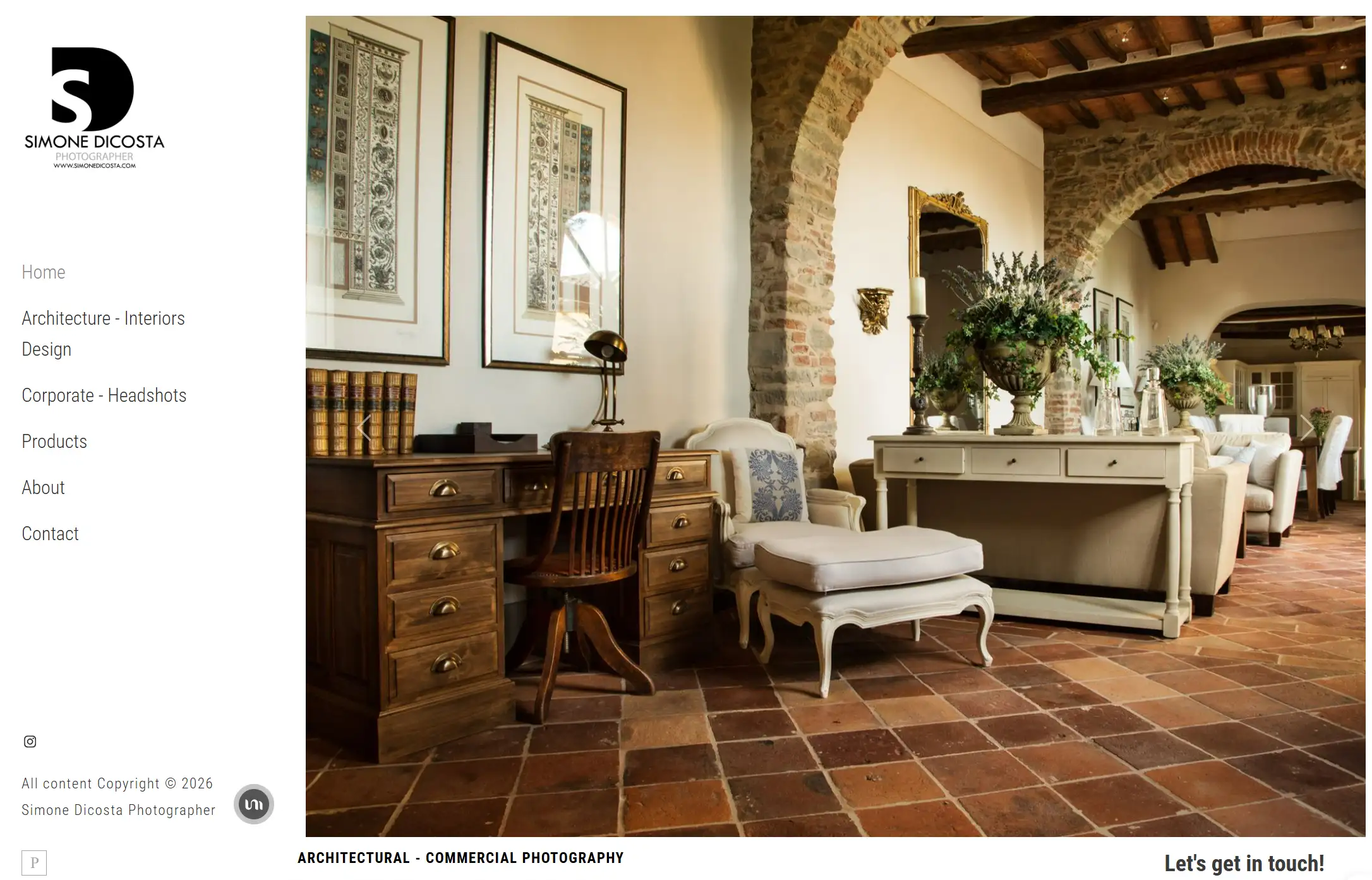
- Ce qu'ils font bien : Une présentation visuelle claire. Toutes les informations nécessaires sont affichées sur la page d'accueil. Avec un formulaire de contact situé dans le coin supérieur droit de la première page.
- Point clé : Un contenu direct. Placez les images de design là où les gens les voient réellement.
11. Progeny Coffee – Torréfacteur de café spécialité
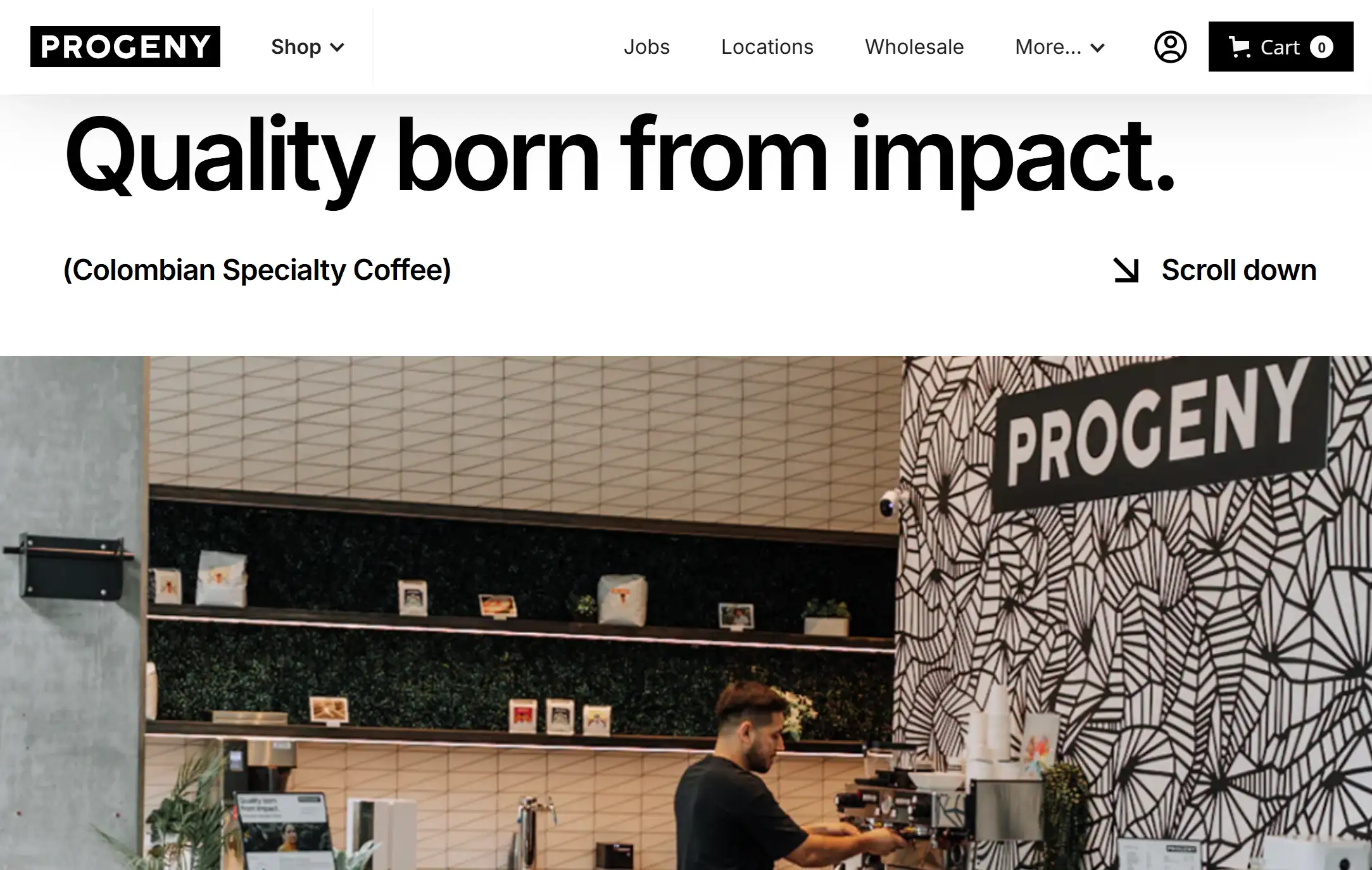
- Ce qu'ils font bien : Des visuels audacieux, des catégories de produits claires et une option d'abonnement. Ils rendent facile de passer de "simple visiteur" à "client régulier".
- Point clé : Pensez aux achats répétés. Un modèle d'abonnement peut transformer les acheteurs occasionnels en clients fidèles.
12. Seamwork – Marque de conception de modèles
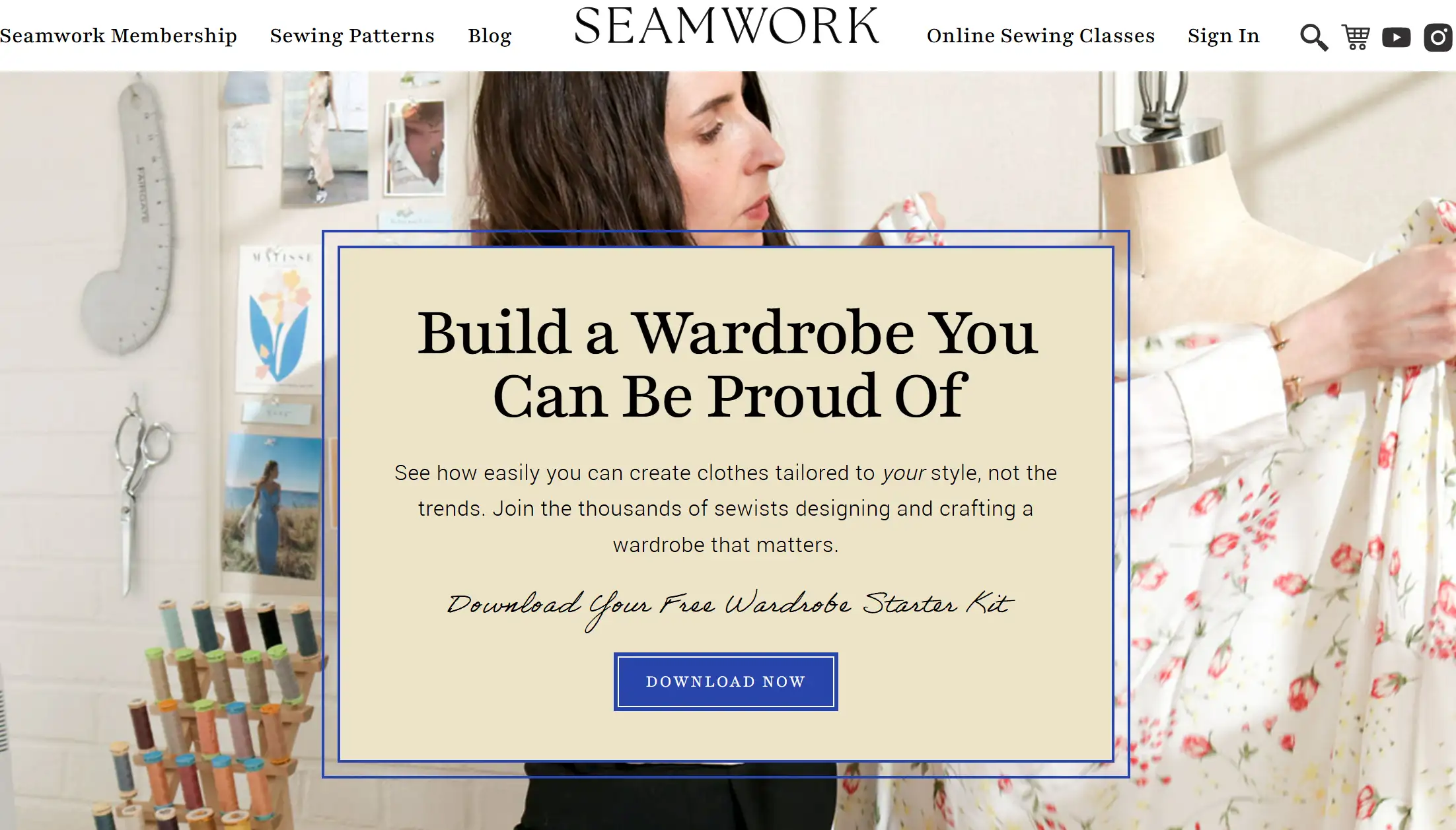
- Ce qu'ils font bien : Contenu axé sur la communauté. Photos des utilisateurs, tutoriels et un sentiment social dynamique. Ce n'est pas seulement un magasin, c'est un centre.
- Point clé : Construisez une communauté, pas seulement une entreprise. Les gens restent quand ils se sentent appartenir.
13. Finer Palate – Boutique de cuisine raffinée
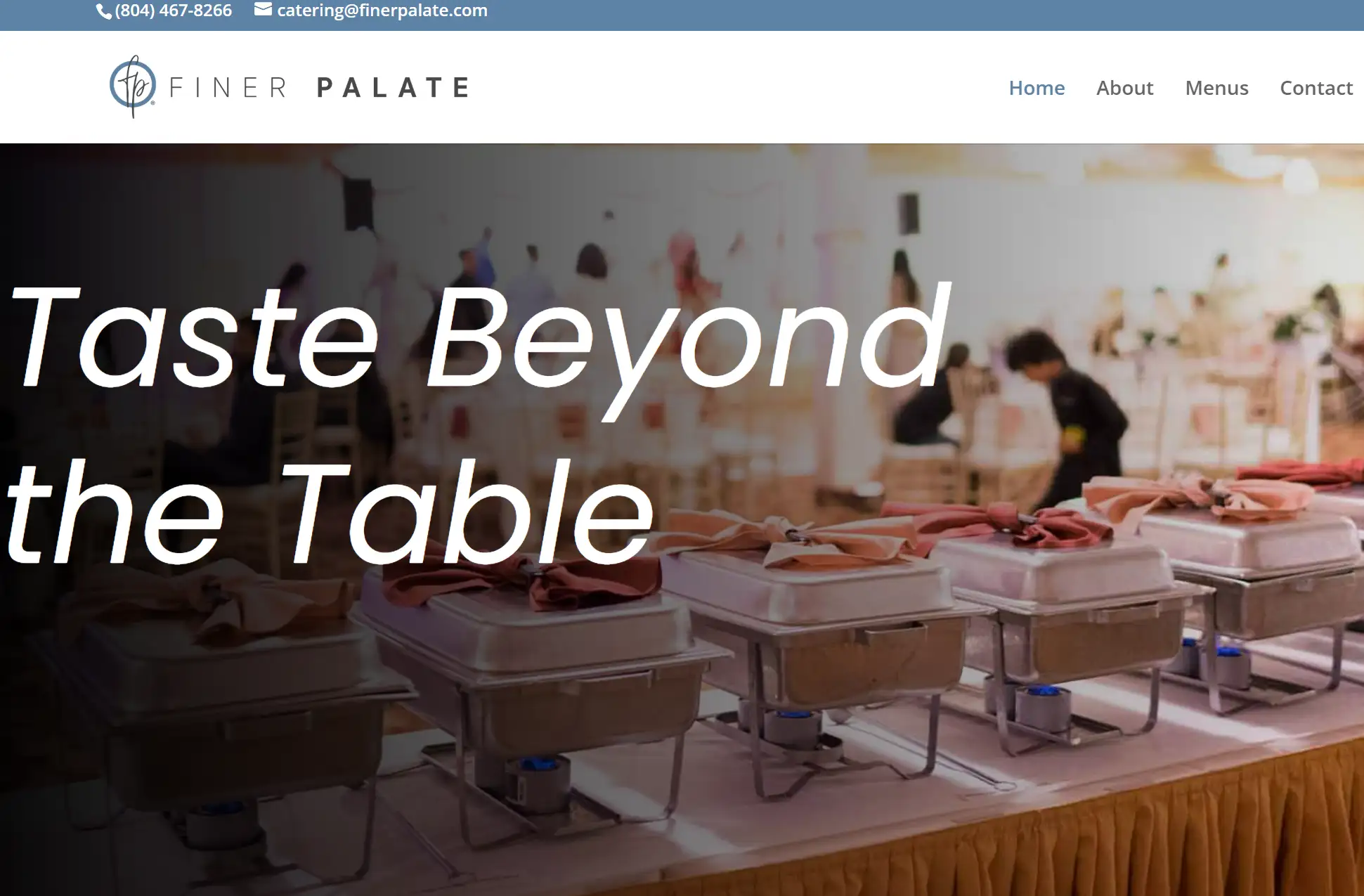
- Ce qu'ils font bien : Photographie de nourriture appétissante avec une catégorisation facile. Leur fonction de recherche fonctionne bien - un petit détail qui compte beaucoup.
- Point clé : Une bonne fonction de recherche est sous-estimée. Si les gens ne trouvent pas les produits, ils partent.
14. Unladylike – Marque de mode
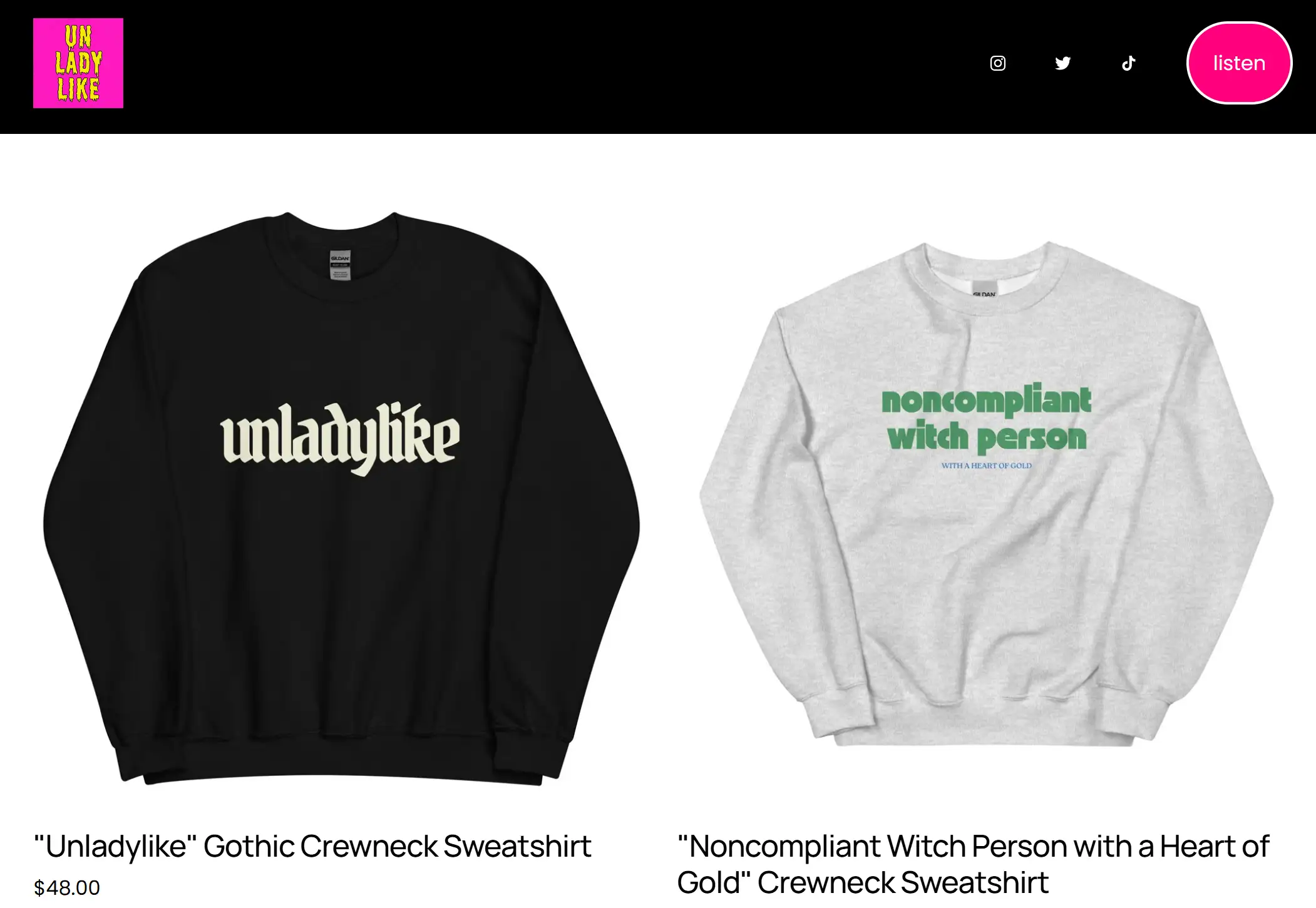
- Ce qu'ils font bien : Une identité visuelle forte. Des couleurs audacieuses, un texte confiant et une voix de marque qui n'a pas honte. Ils savent exactement qui ils sont.
- Point clé : Soyez vous-même sans hésitation. Les marques génériques sont oubliées ; les marques distinctives sont mémorisées.
15. Boston Tattoo Company – Studio de tatouage
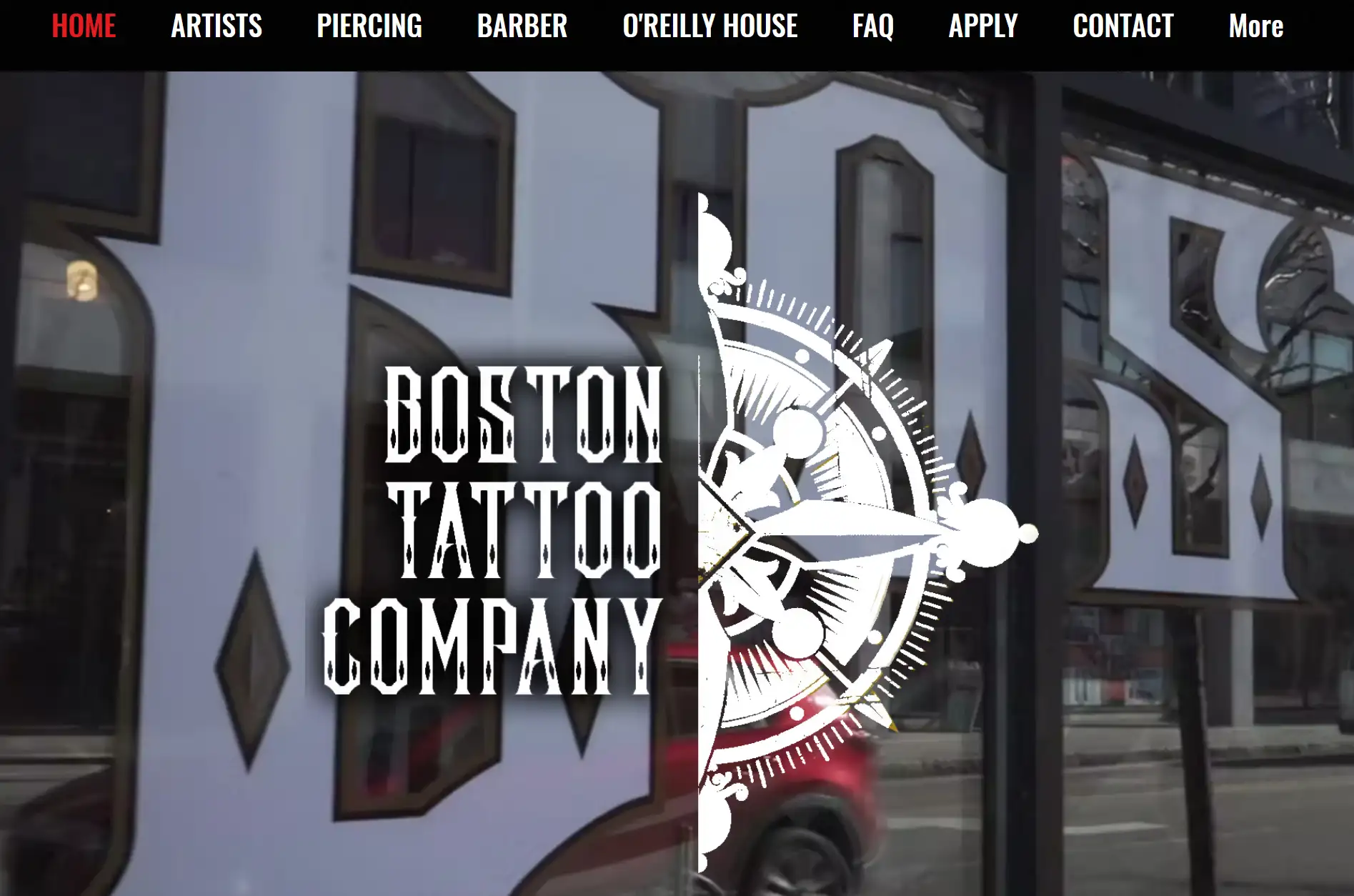
- Ce qu'ils font bien : Des portfolios d'artistes, un système de réservation et une section FAQ (important pour les premières fois). Ils traitent les préoccupations courantes avant même que les clients ne les posent.
- Point clé : Anticipez les questions. Une bonne section FAQ peut vous éviter des dizaines de demandes répétées.
16. Bar Kismet – Restaurant

- Ce qu'ils font bien : Intégration du système de réservation, menu avec des photos alléchantes et un ambiance qui se transmet à l'écran. Ils ont un vibe.
- Point clé : Votre site web doit transmettre l'ambiance. Les gens doivent ressentir le vibe avant même d'entrer.
17. Truoba – Constructeur de maisons miniatures
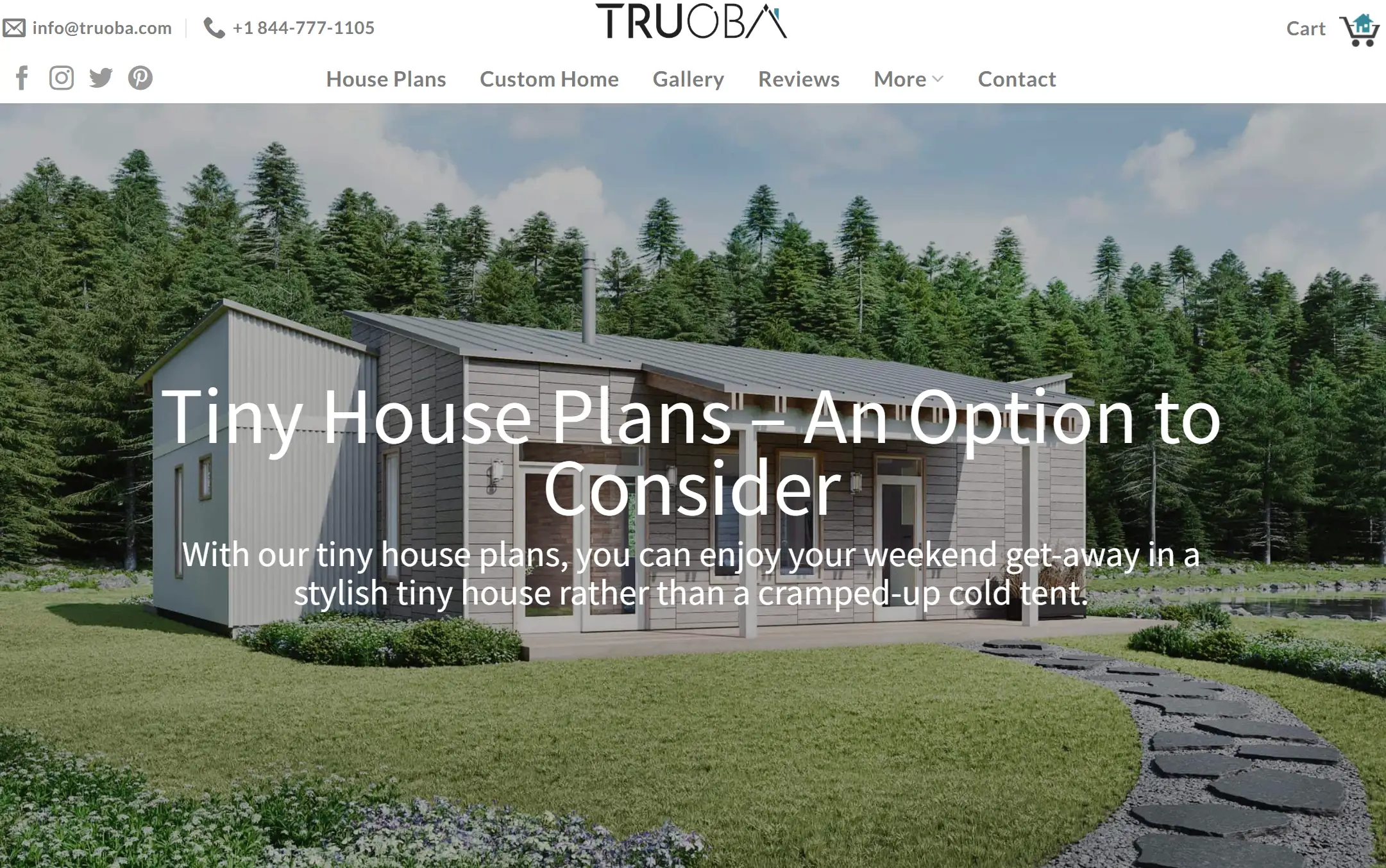
- Ce qu'ils font bien : Galeries de projets, tarifs clairs, et un configurateur "Construisez votre propre". Ils ont transformé la complexité en simplicité.
- Point clé : Si votre produit est complexe, votre site web doit le rendre simple. C'est la magie d'une bonne UX.
18. Cleanadora – Service de nettoyage
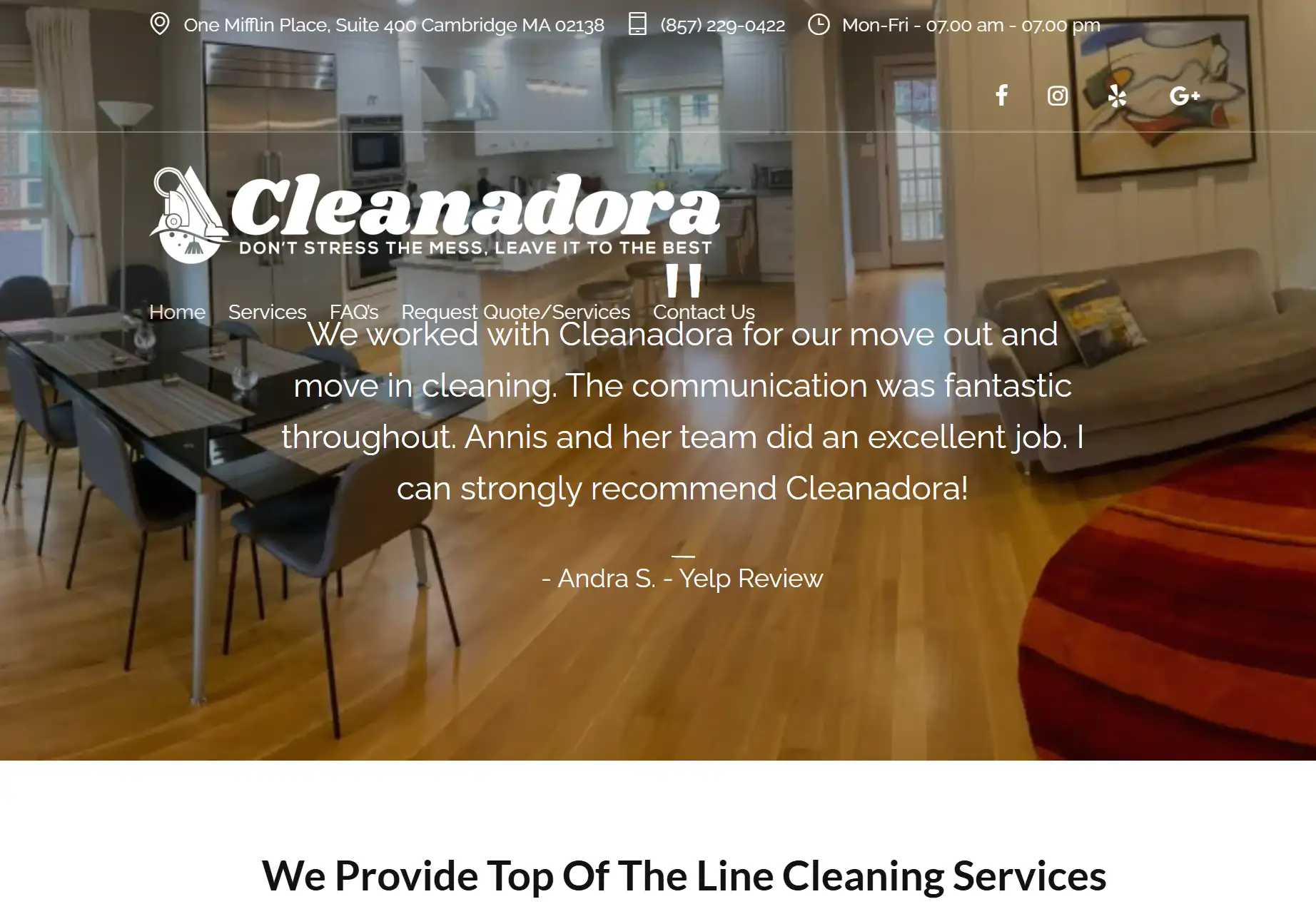
- Ce qu'ils font bien : Services clairs, tarifs directs et un formulaire de réservation en un clic. Aucune superfluité, juste des actions.
- Point clé : Les entreprises de services ont besoin d'une clarté immédiate. Qu'offrez-vous ? À quel prix ? Comment puis-je réserver ?
19. Allé au chien – Services pour animaux

- Ce qu'ils font bien : Un design amusant et joueur qui correspond à leur personnalité de marque. Des photos mignonnes de chiens heureux. Des signes de confiance (assurance, certifications) visibles mais pas envahissants.
- Point clé : Laissez votre personnalité de marque se manifester. Un peu d'humour va loin dans la construction d'un lien.
20. Villa de musique – École de musique
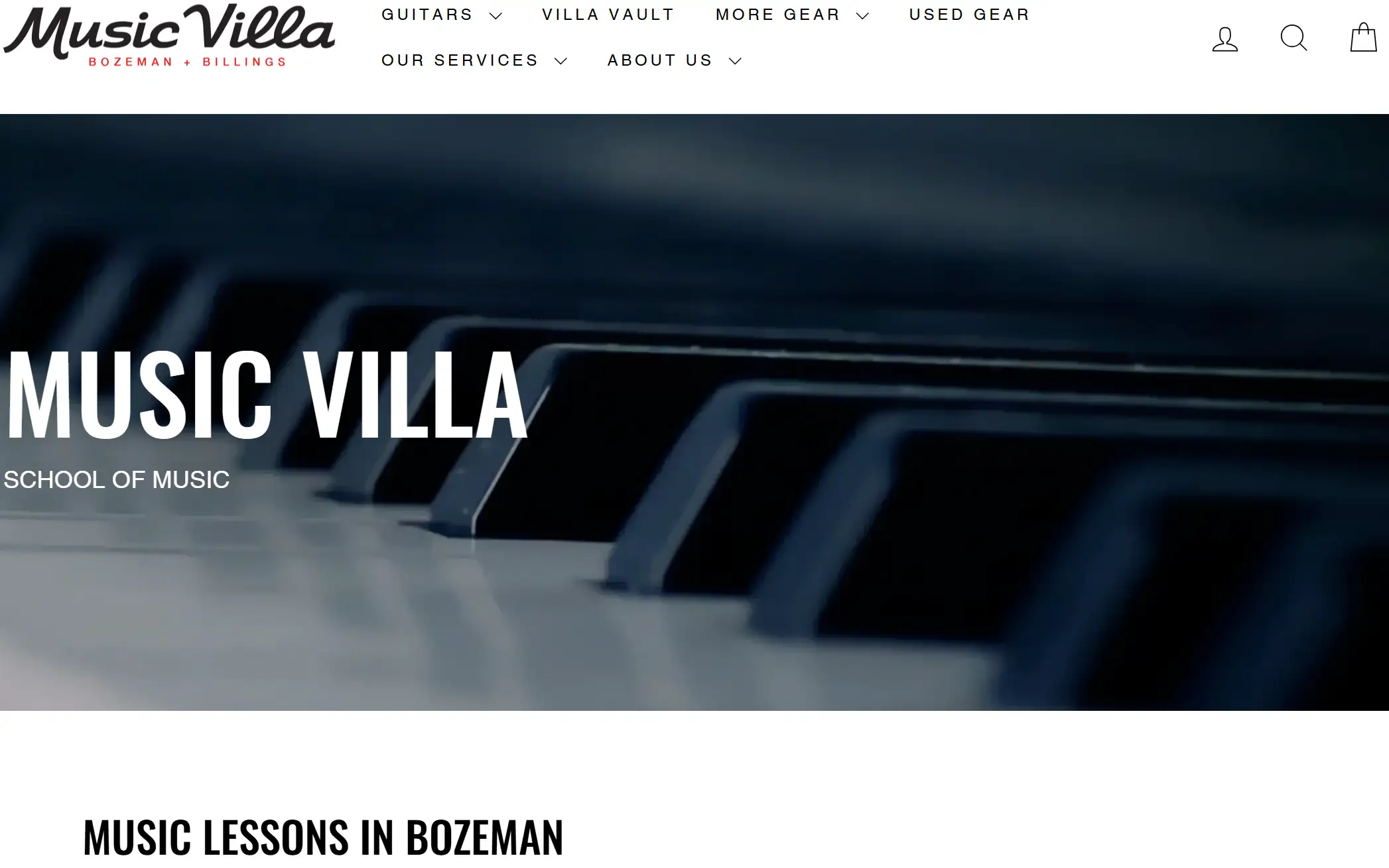
- Ce qu'ils font bien : Contenu vidéo montrant les leçons en action. Tarification claire, biographies des enseignants et un processus d'inscription facile. Ils éliminent chaque barrière pour s'inscrire.
- Point clé : La vidéo vend. Montrez votre service en action autant que possible.
21. The People's Kitchen – Société de traiteur
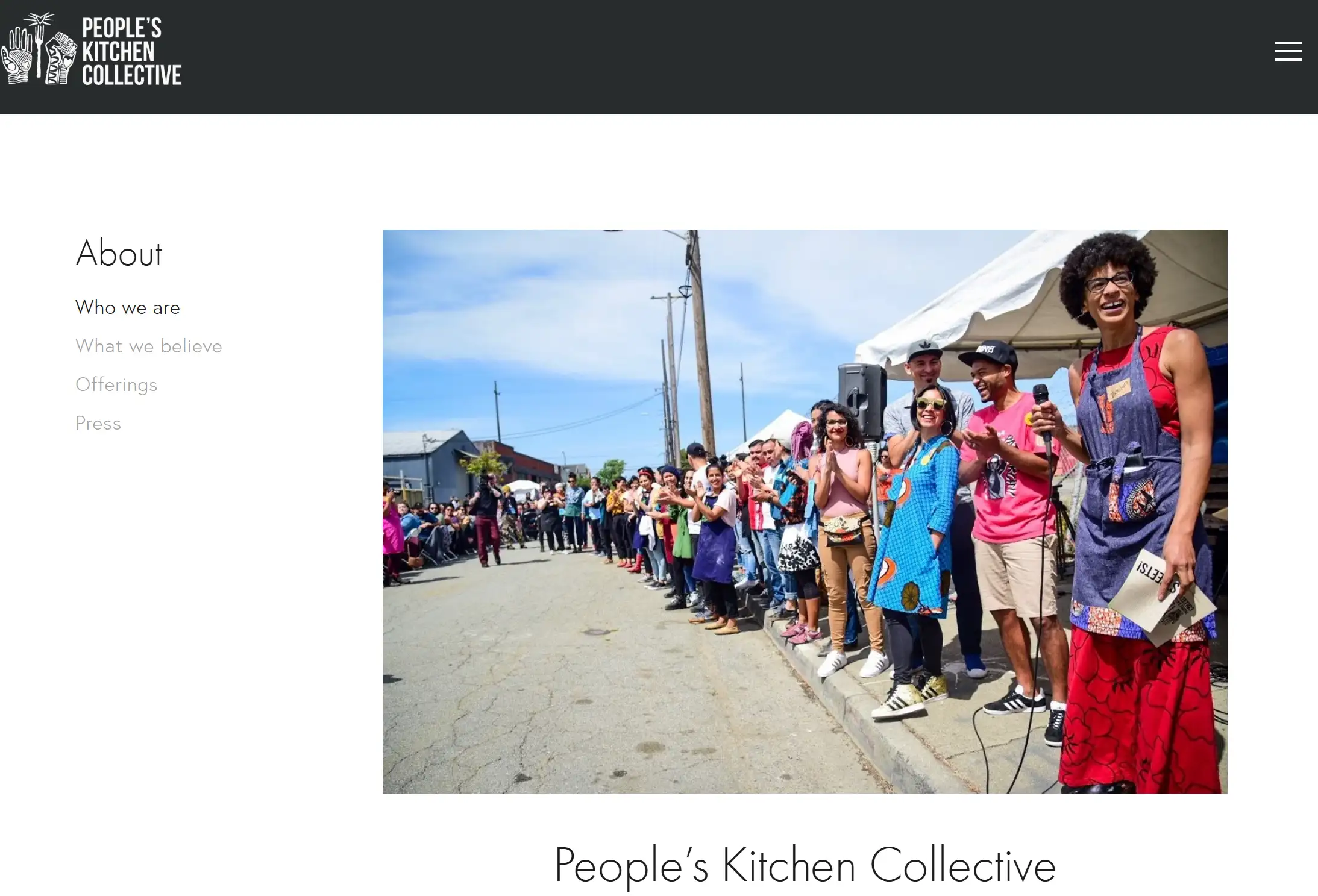
Ce qu'ils font bien : Portfolio d'événements avec des histoires de clients réels. Téléchargement du menu et formulaire de contact qui reçoit effectivement des réponses.
- Point clé : Pour les entreprises de services, les études de cas sont importantes. Montrez des preuves, pas des promesses.
22. Wildflower Photography – Studio de photographie de portrait
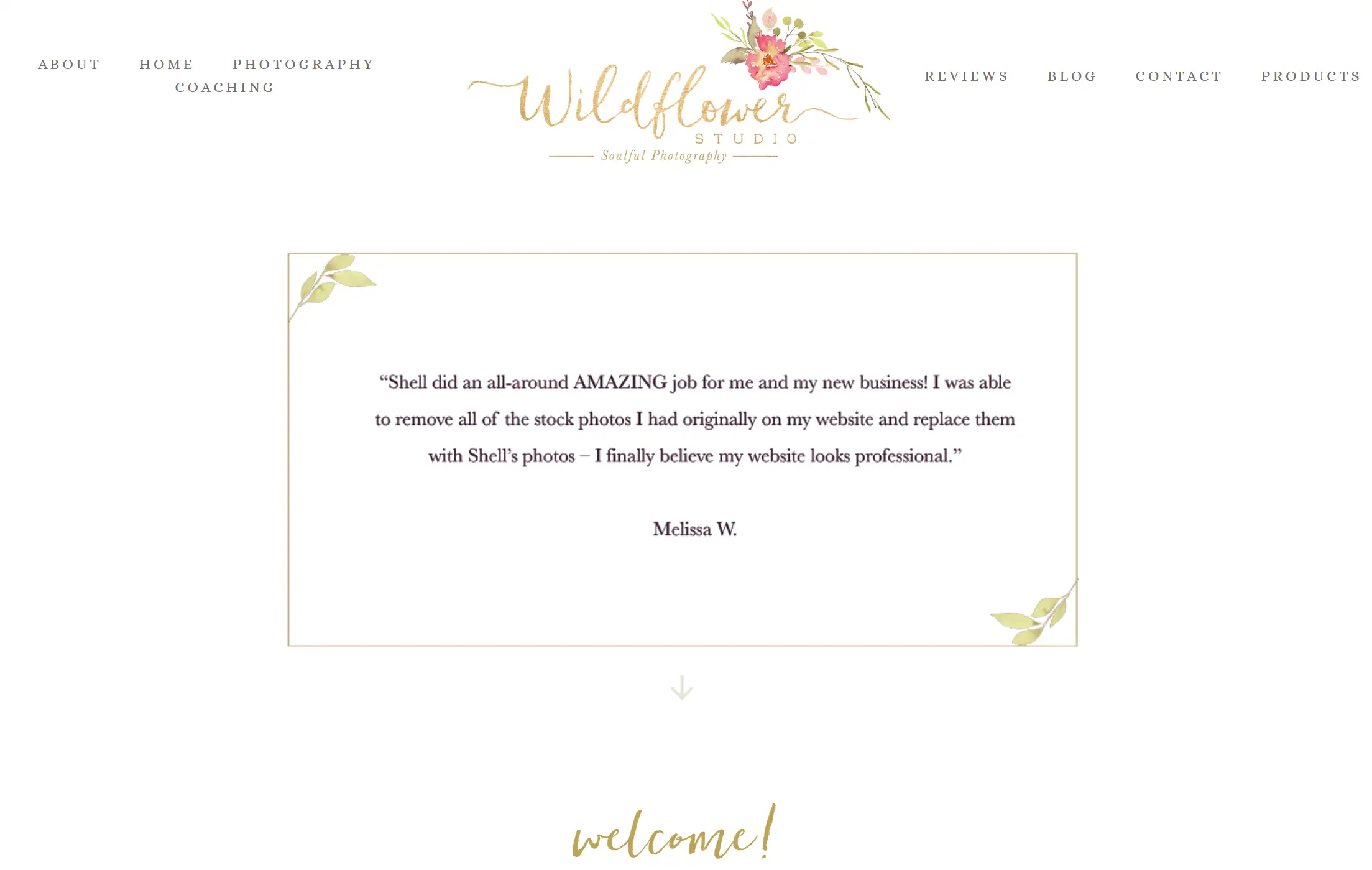
- Ce qu'ils font bien : Le récit émotionnel s'unit à des visuels impressionnants. Les informations sur les séances sont faciles à trouver, et le processus de "Réservation maintenant" est sans douleur.
- Point clé : Les sites web émotionnels vendent des expériences émotionnelles. Vous devriez faire ressentir quelque chose aux gens.
23. Modern Craft Co. – Meubles artisanaux
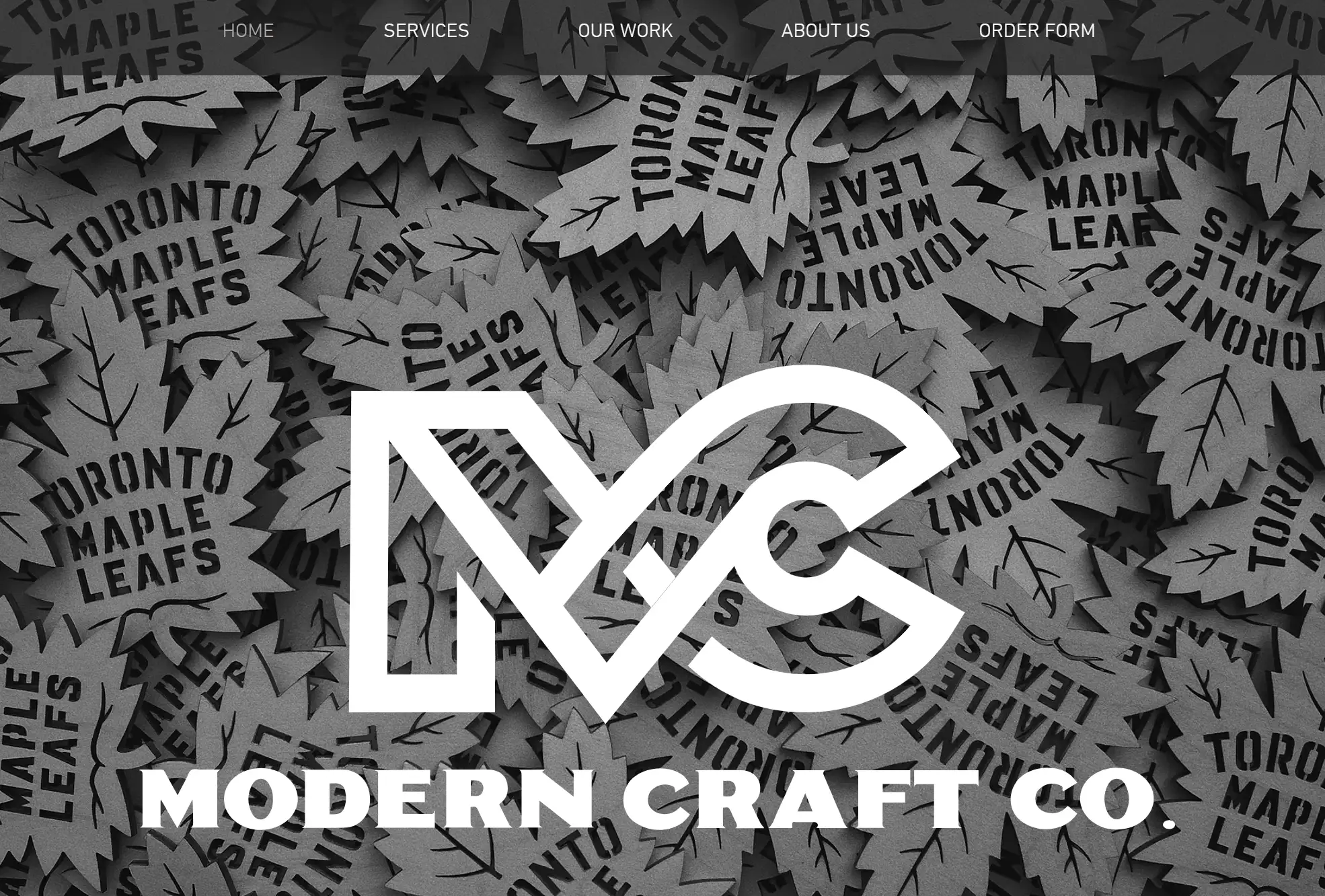
- Ce qu'ils font bien : Des photos de qualité des produits sous plusieurs angles. Les informations sur les matériaux, les délais de livraison et les options de personnalisation sont claires.
- Point clé : Pour les articles de grande valeur, fournissez toutes les informations. Vous savez que l'incertitude tue les ventes.
24. Bright Now! Dental – Cabinet local
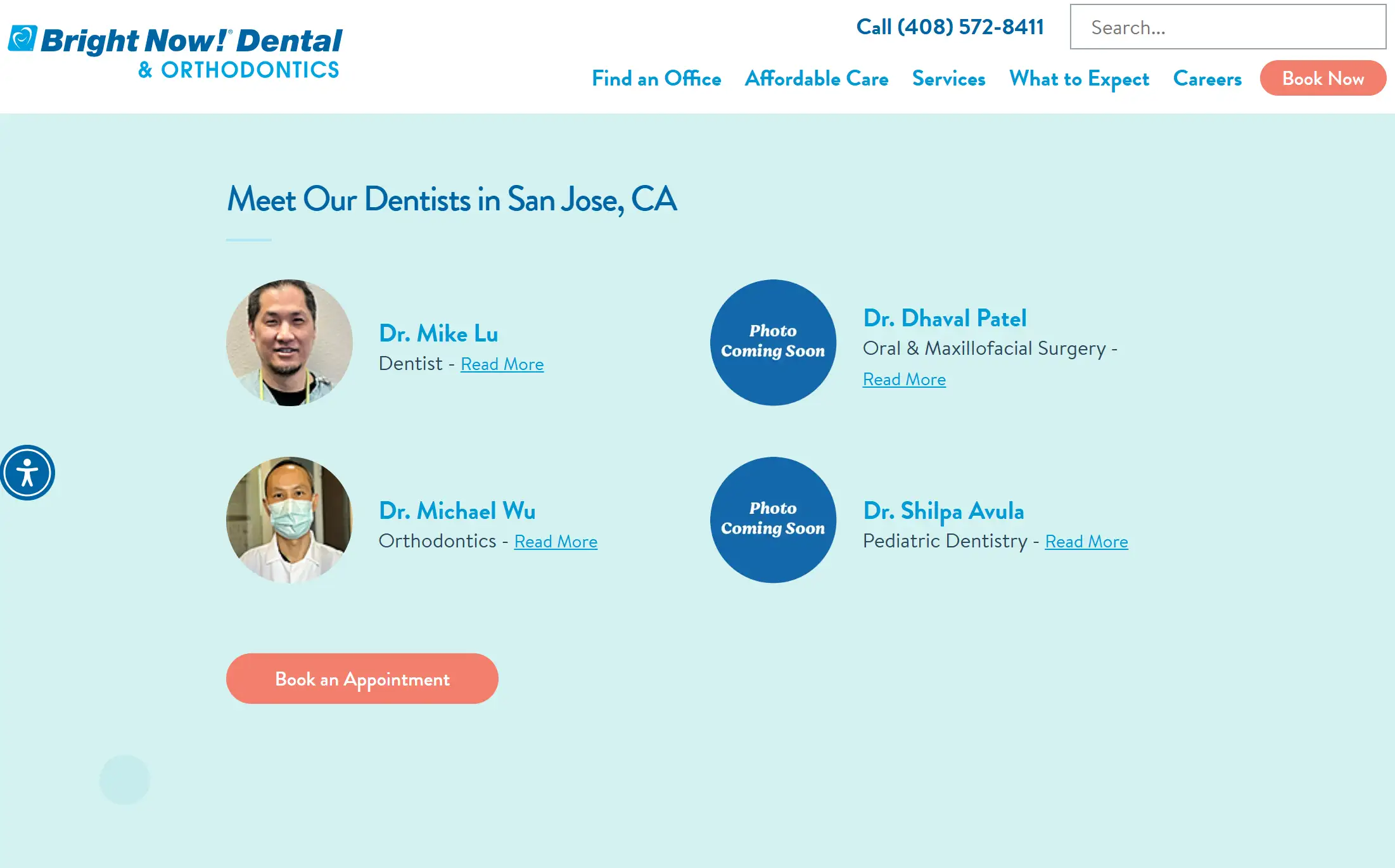
- Ce qu'ils font bien : Des signaux de confiance partout : qualifications, assurances acceptées, numéros d'urgence, témoignages réels de patients. Ils rendent une chose effrayante (les dentistes) accessible.
- Point clé : Pour les services sensibles, la confiance est tout. Montrez vos qualifications et abordez les préoccupations ouvertement.
25. Riverside Café – Café local
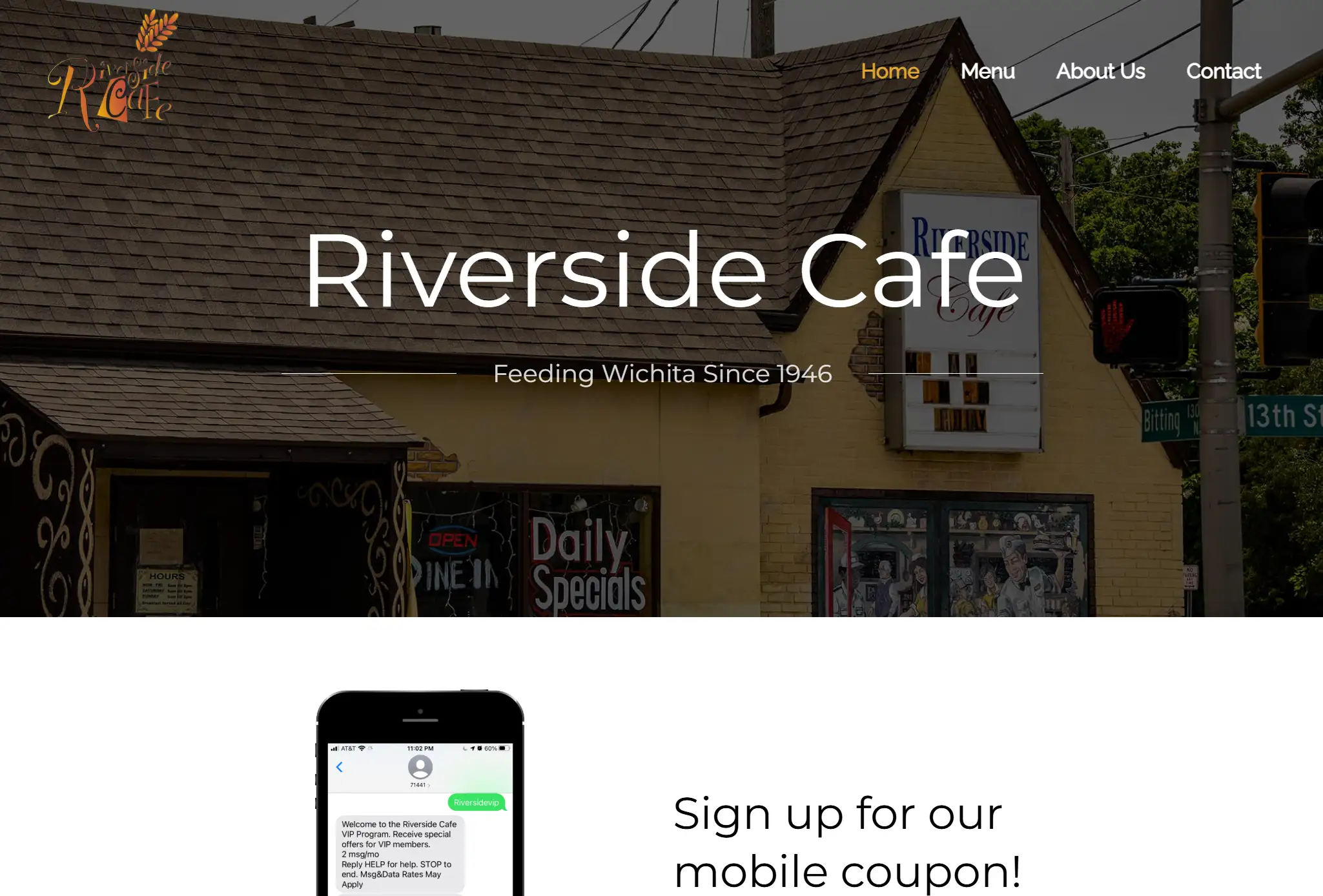
- Ce qu'ils font bien : Simple, chaleureux et fonctionnel. Heures, emplacement, menu et un peu de personnalité. C'est tout ce qu'un café local a besoin.
- Point clé : Pas toutes les sites web ont besoin d'être flashy. Parfois, le simple gagne.
Ce qui rend ces sites web de petites entreprises efficaces
Après avoir examiné des centaines de ces exemples de sites web de petites entreprises, voici ce que les gagnants ont en commun :
1. Proposition de valeur claire
Votre visiteur doit savoir ce que vous faites et ce qui vous distingue. Pas de slogans ingénieux qui nécessitent une décodage - juste une communication directe.
2. Appel à l'action évident
Que ce soit « Réservation maintenant », « Achetez maintenant » ou « Contactez-nous », vous devriez le rendre visible. Placez-le au-dessus de la pliure. Faites-en un bouton, pas un lien.
3. Conception responsive pour mobile
Plus de 60 % du trafic web provient des téléphones. Si votre site a l'air cassé sur mobile, vous perdez plus de la moitié de vos potentiels clients.
4. Temps de chargement rapide
Chaque seconde de retard réduit les conversions d'environ 7%. La vitesse compte. Cela est particulièrement important pour les sites avec beaucoup d'images.
5. Branding cohérent
Mêmes couleurs, mêmes polices, même ton sur toutes les pages. Le branding cohérent renforce la reconnaissance et la confiance.
6. Images réelles
Les meilleurs sites Web pour les petites entreprises utilisent des photos réelles de leurs produits, de leur équipe et de leur espace. Les photos de stock crient : « Nous n'avons pas eu assez d'intérêt pour prendre les nôtres. »
7. Navigation facile
Trois à cinq éléments principaux dans le menu. Aucun menu déroulant dans un autre menu déroulant. La trouver est tout.
Comment créer un site Web pour une petite entreprise en 10 minutes
C'est là que les choses deviennent intéressantes.
Vous venez de voir 25 exemples de ce qui fonctionne. Mais maintenant, vous vous demandez probablement : « C'est génial, mais je ne sais pas comment créer un site Web. »
La vérité que vous pouvez ignorer en 2026 : Vous n'avez pas besoin d'être un designer ou un développeur pour créer quelque chose de professionnel.
J'ai utilisé Wegic. C'est un constructeur de site Web basé sur l'IA qui vous permet de créer un site Web complet pour une petite entreprise simplement en discutant avec l'IA. C'est sérieux. Vous lui dites ce que vous voulez, et il le construit. Vous pouvez éditer en langage naturel. Vous cliquez sur « publier » et voilà un site Web en direct.
Mon site Wegic
J'ai essayé de créer un site Web pour une petite entreprise fictive appelée « The Butter Bakery ». Voici à quoi ça ressemble :
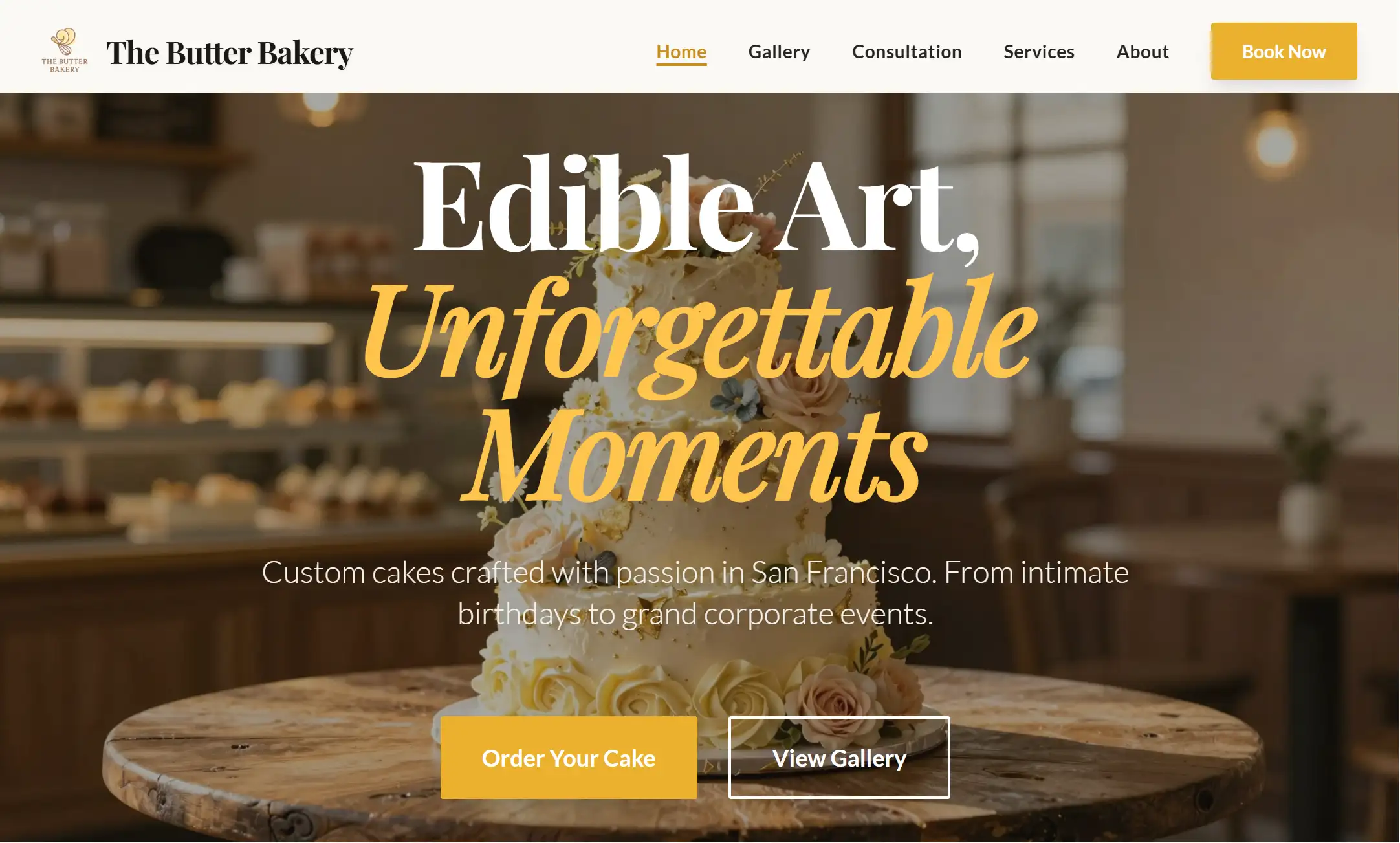
Voici exactement comment ça s'est passé :
Étape 1 : Dites à Wegic ce que vous avez besoin
J'ai ouvert Wegic et j'ai tapé mon idée dans le chat. Aucun formulaire, aucune configuration complexe, juste une conversation.
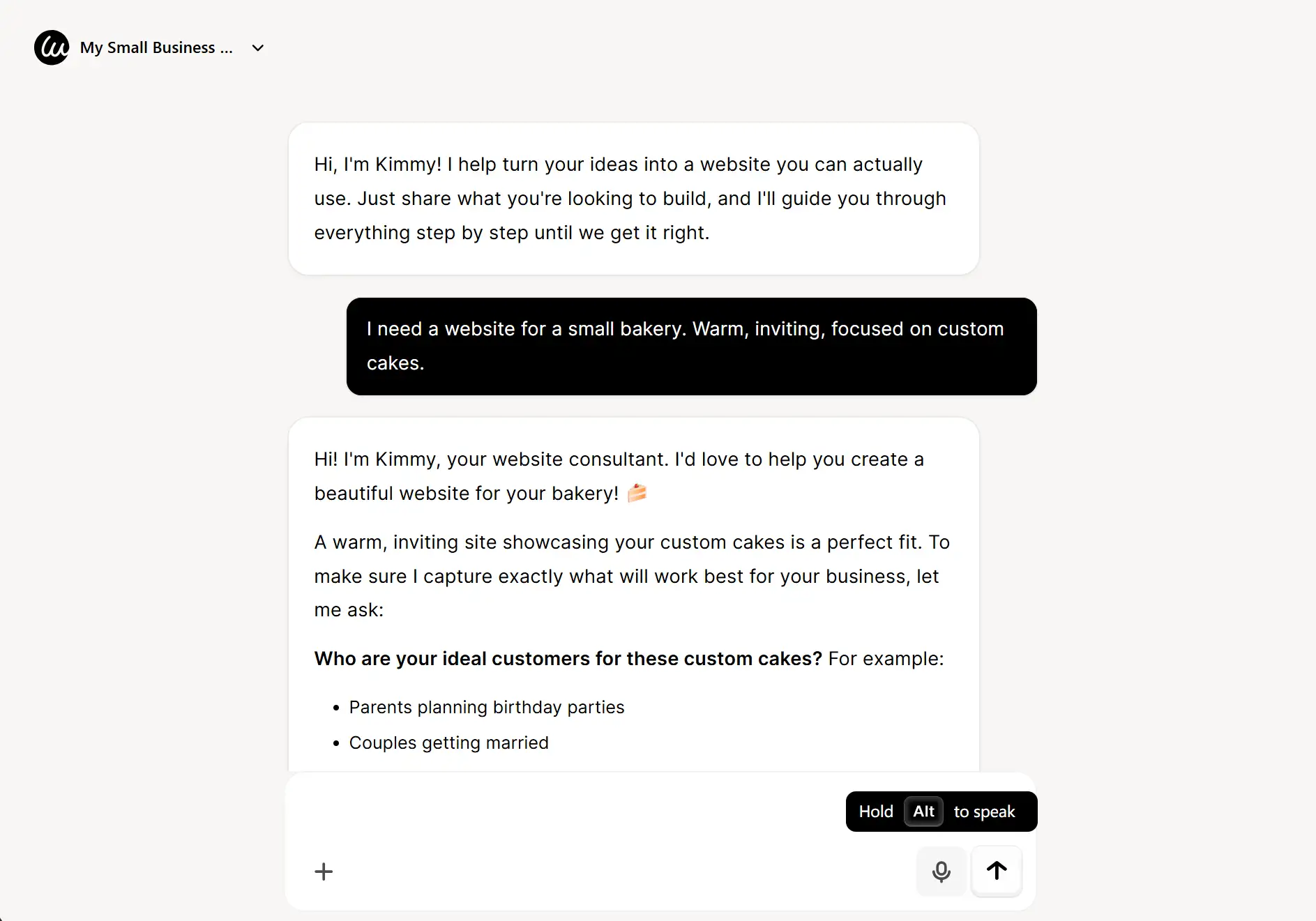
L'assistant IA Kimmy m'a souhaité la bienvenue et m'a posé des questions simples pour comprendre ma vision. En quelques secondes, je décrivais mon idée de pâtisserie.
Étape 2 : Répondez à quelques questions rapides
Wegic m'a demandé à propos de mes clients cibles, de mes actifs de marque et de mes préférences. Chaque question était claire et directe.
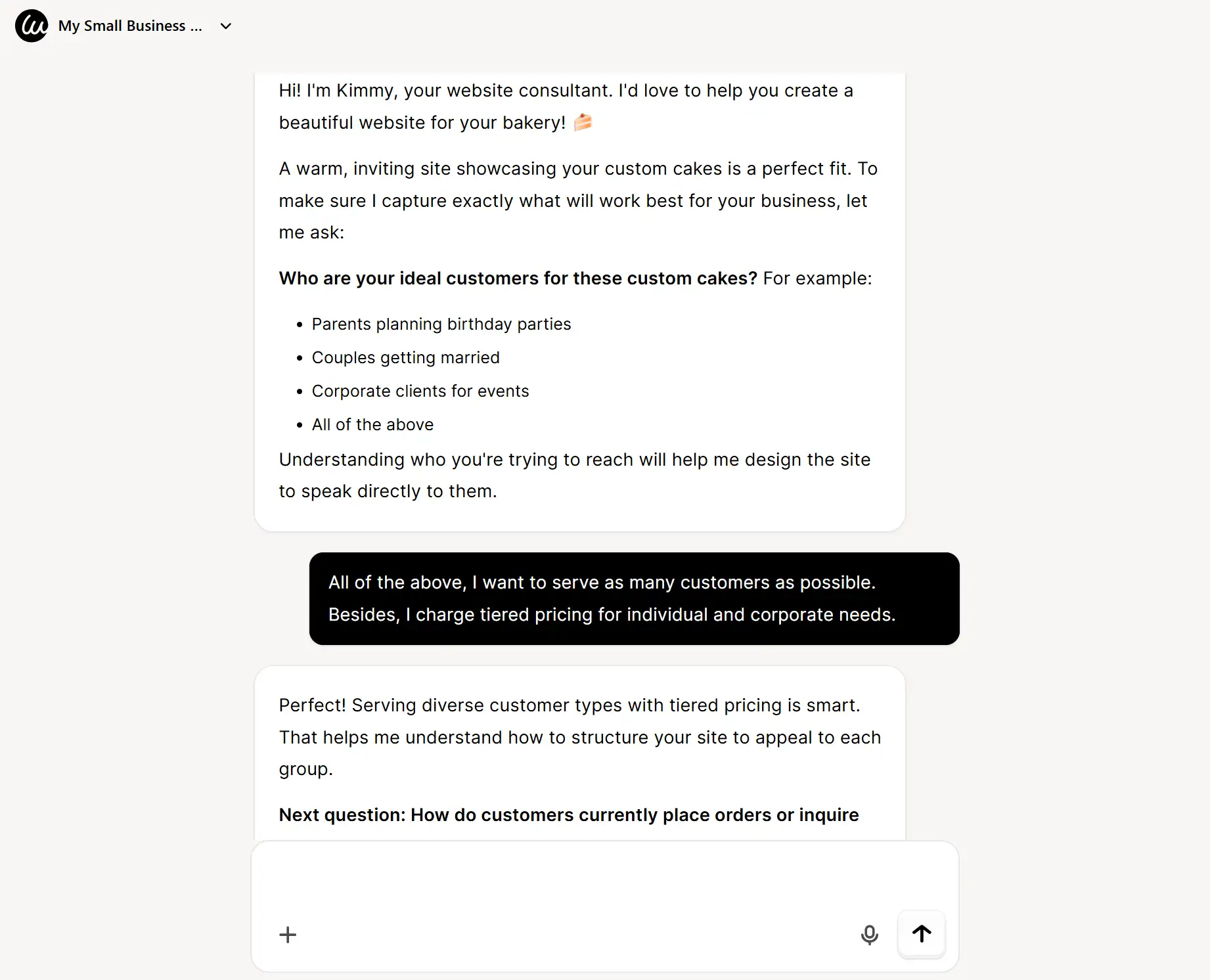
J'ai dit à mon public :
- Nom de la boulangerie : La boulangerie du beurre
- Couleurs : Tons pastel doux (jaune doux), neutres chauds (brun clair, orange)
- Ambiance : Douce et chaleureuse
- Emplacement : San Francisco, CA
Étape 3 : Choisissez votre style de conception
En quelques minutes, Wegic a généré 5 options de conception uniques pour moi à choisir. Chacune avait une personnalité différente.
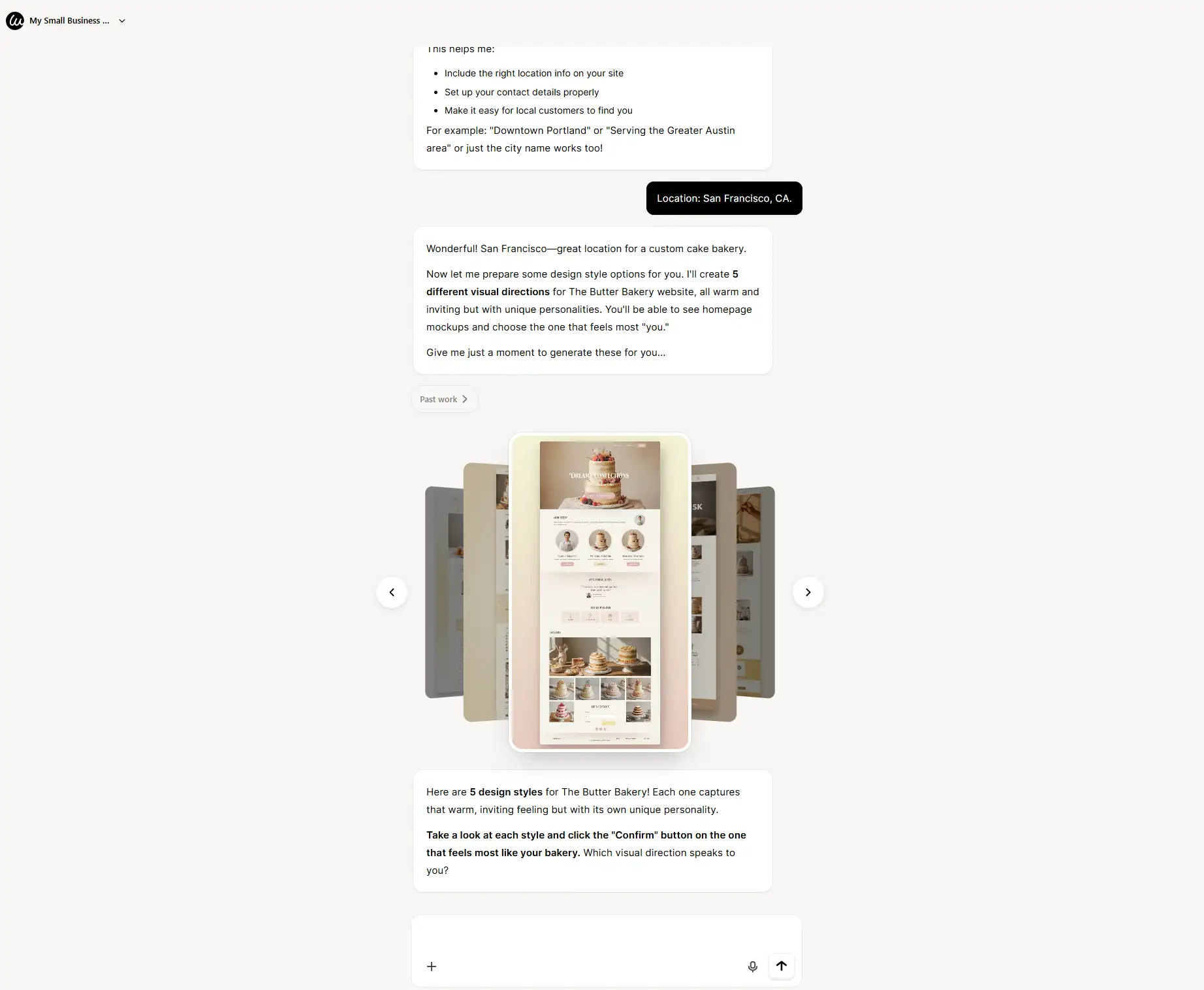
J'ai choisi « Élégance de l'heure dorée ». Je pensais que c'était chaleureux, sophistiqué, parfait pour une boulangerie de prestige.
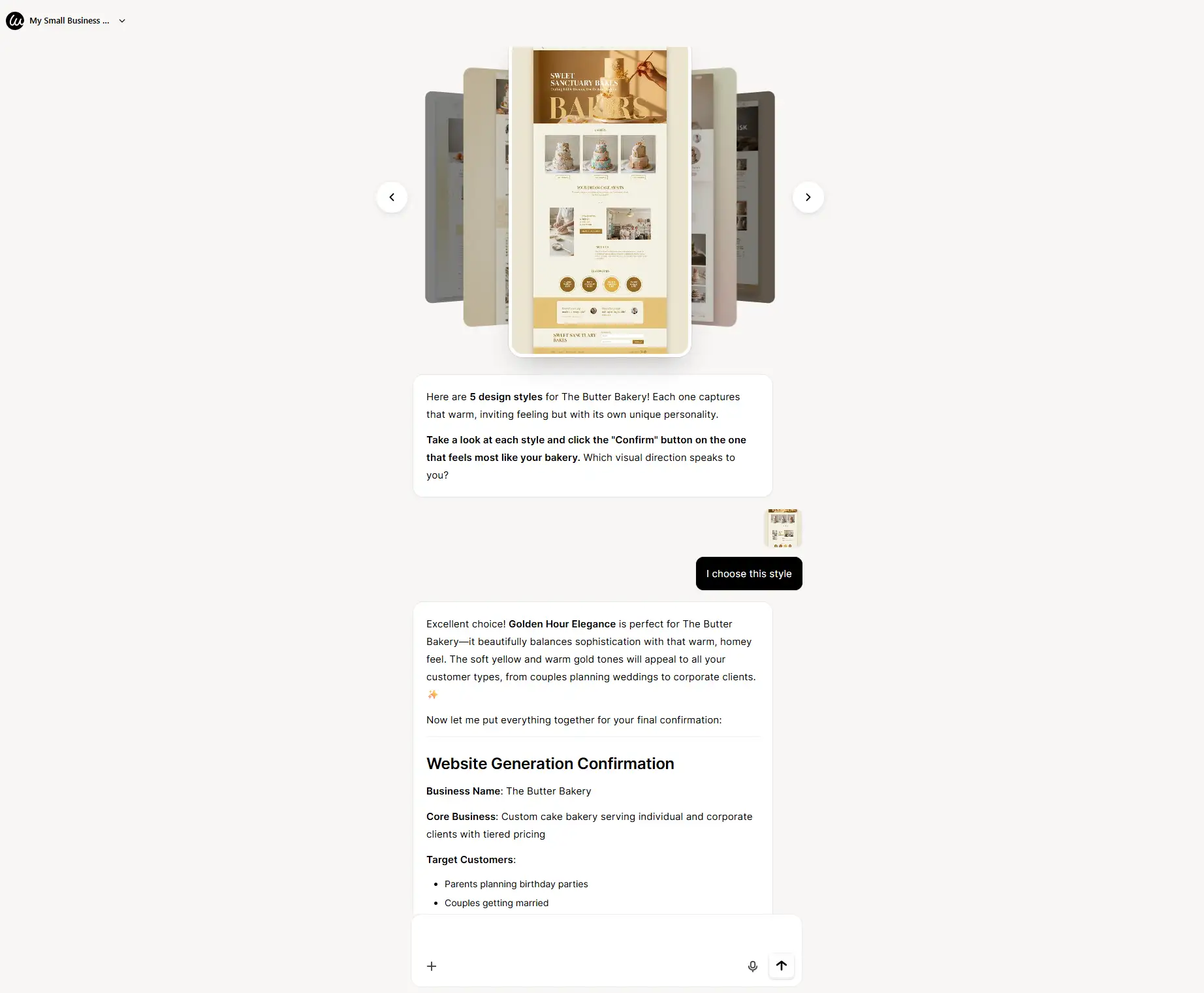
Étape 4 : Regardez votre site web se construire
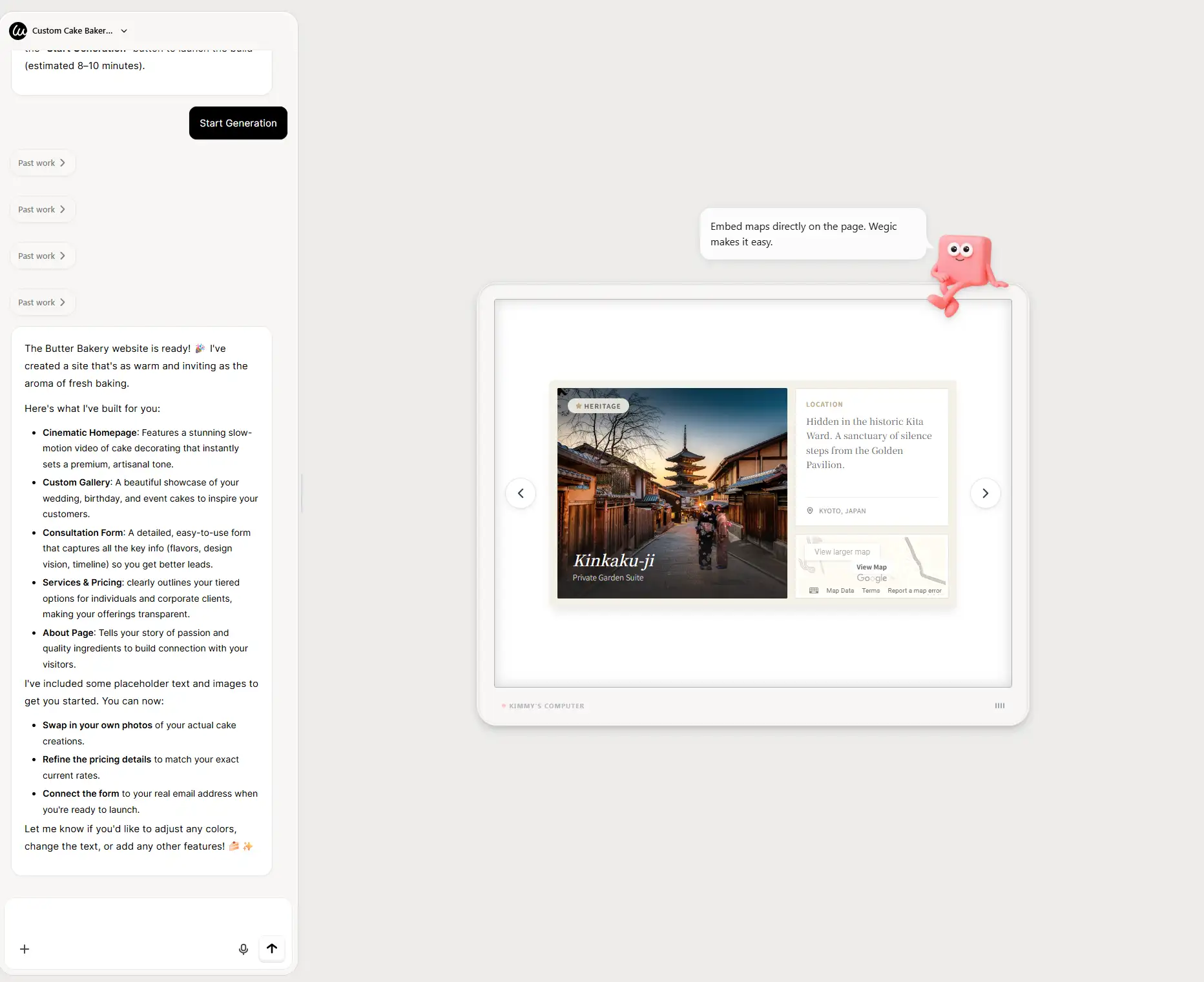
Wegic a créé un site web complet avec :
- Page d'accueil cinématographique avec fond vidéo
- Galerie personnalisée pour les gâteaux de mariage, d'anniversaire et d'événement
- Formulaire de consultation pour les prospects
- Page Services & tarifs
- Page À propos racontant l'histoire de la pâtisserie
Étape 5 : Éditez avec un langage naturel
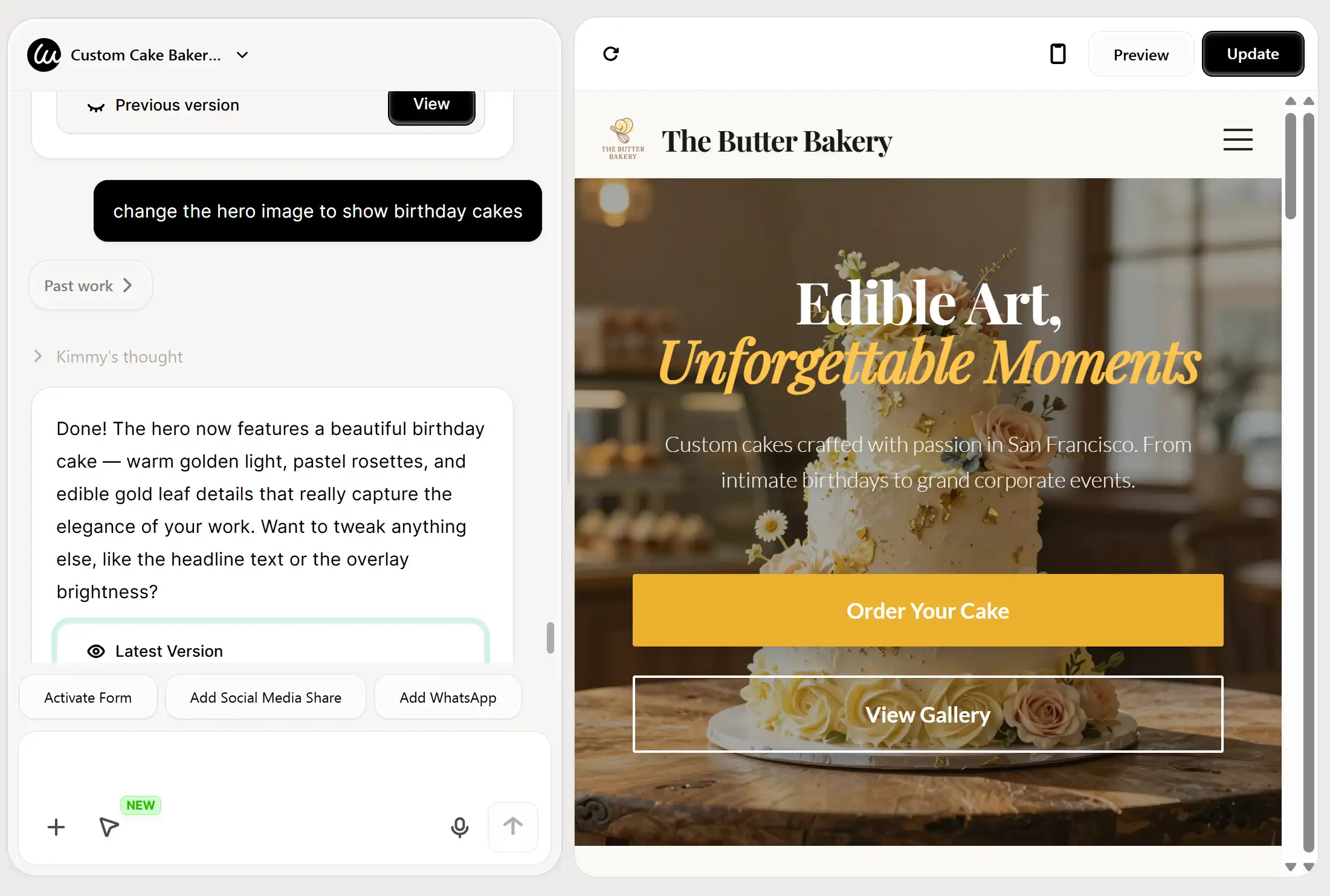
La partie folle, c'est que j'ai voulu changer l'image d'accueil, car elle ressemblait initialement à ceci :
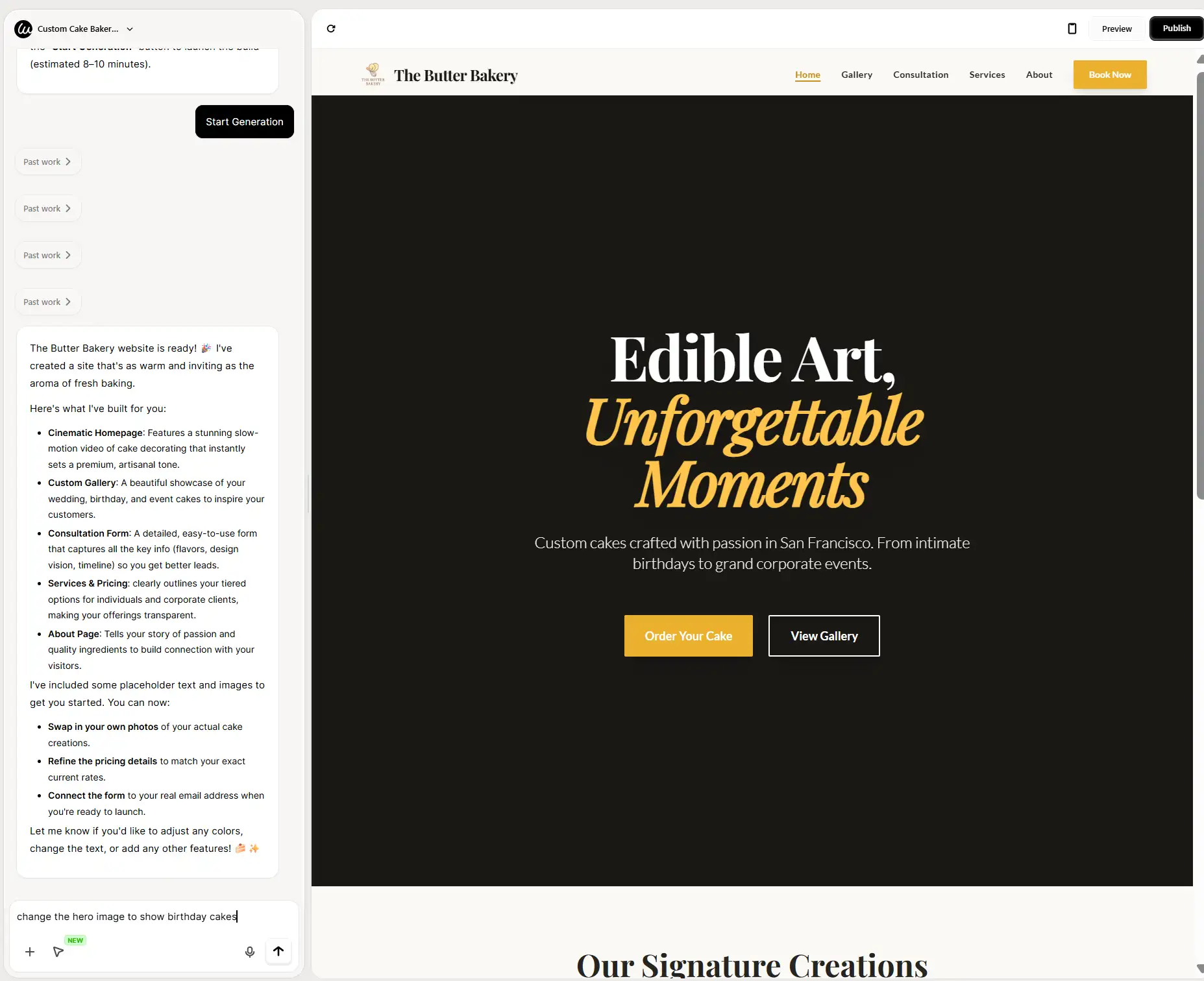
J'ai tapé :
"Changer l'image d'accueil pour afficher des gâteaux d'anniversaire"
Et Wegic l'a fait. Immédiatement. Pas de code. Pas de glisser-déposer. Juste une conversation.
Modèles Wegic pour les petites entreprises
En me basant sur ce que j'ai vu dans ces exemples de sites web pour petites entreprises, voici les modèles Wegic qui correspondent à ce qui fonctionne :
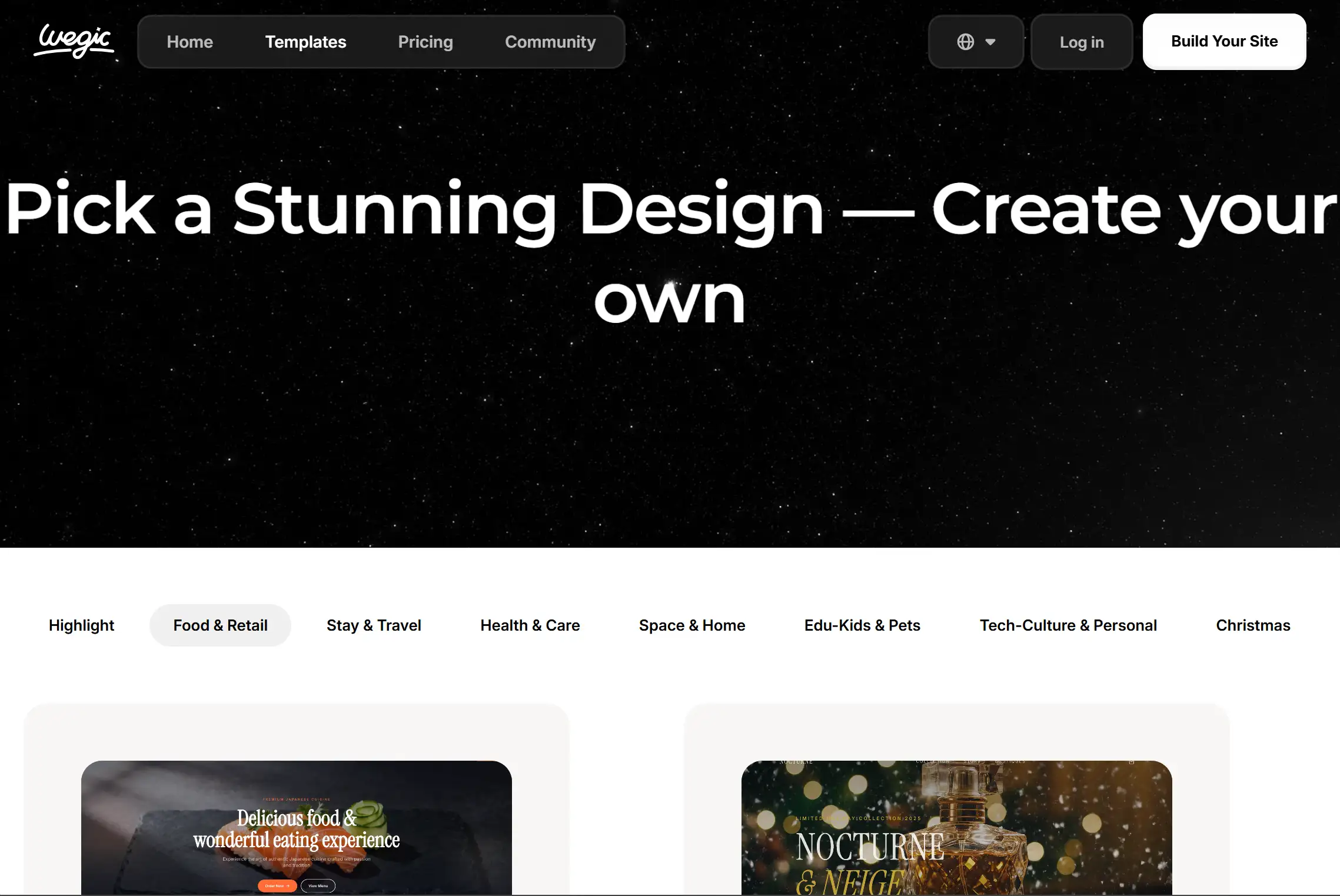
- Modèle alimentaire et de détail : Idéal pour les pâtisseries, cafés et restaurants
- Modèle de portfolio : Idéal pour les photographes, designers et créatifs
- Modèle d'entreprise de services : Idéal pour les nettoyeurs, tuteurs, consultants et salons
- Modèle santé et soins : Idéal pour les cabinets dentaires, salons et entreprises de bien-être
- Modèle e-commerce : Prêt pour des magasins en ligne avec galeries de produits et paiement
Vous pouvez parcourir tous les modèles Wegic et commencer à construire maintenant. La meilleure partie ? Aucune compétence technique n'est requise. Vous n'avez qu'à discuter, et Wegic s'occupe du reste.
Conseils pour le succès d'un site Web pour petite entreprise
1. Rédigez votre propre page « À propos de nous »
Ne listez pas seulement des faits. Racontez votre histoire. Pourquoi avez-vous commencé ? Qu'est-ce que vous croyez ? Qu'est-ce qui rend votre approche différente ? Utilisez cela comme inspiration pour votre page « À propos de nous », mais faites-le vôtre.
2. Ajoutez des photos qui montrent réellement votre entreprise
Évitez les photos de stock. Je ne m'occupe pas à quel point la photo de « personnes d'affaires heureuses » est bonne, elle ne sera jamais aussi réelle que votre équipe réelle, votre espace réel, vos produits réels.
3. Inscription à votre profil Google Business
Cela est gratuit et essentiel. Lorsque les gens cherchent « pâtisserie près de chez moi » ou « plombier LA », vous voulez apparaître. Connectez-le à votre site Web pour une visibilité maximale.
4. Obtenez des avis
Rien ne construit la confiance comme les retours clients réels. Affichez les avis en évidence sur votre page d'accueil, pas enfouis sur une page séparée.
5. Mettez à jour régulièrement
Un site Web avec un article de blog de 2023 blog indique « hors commerce ». Gardez votre contenu frais. Même de petites mises à jour (nouvelles photos, offres saisonnières) indiquent que vous êtes actif.
6. Pensez d'abord à mobile
Concevez d'abord pour les écrans de téléphone, ensuite pour le bureau. La plupart de vos visiteurs atterriront sur un petit écran. Vous devez vous assurer que l'expérience est fluide.
À vous de jouer
Vous disposez maintenant de 25 exemples de sites Web pour petites entreprises qui fonctionnent vraiment : ce qui les rend réussis, et un chemin clair pour construire le vôtre.
La vieille méthode (embaucher un développeur, dépenser des milliers de dollars, attendre des mois) est terminée. La nouvelle méthode ? Des générateurs de sites Web alimentés par l'IA comme Wegic vous permettent d'aller de l'idée à un site Web en quelques minutes.
Les meilleurs sites Web pour petites entreprises ne sont pas les plus chers. Ils sont ceux qui communiquent clairement ce que vous faites, facilitent l'action et ressentent l'authenticité de votre marque.
Commencez petit. Soyez en ligne. Améliorez au fil du temps.
Prêt à créer votre site Web pour petite entreprise ? Rendez-vous sur Wegic et commencez à discuter. Vos futurs clients vous cherchent en ce moment. Assurez-vous qu'ils trouvent quelque chose de génial.
Questions fréquemment posées
Combien coûte un site Web pour petite entreprise ?
Cela dépend de la manière dont vous le construisez. En utilisant un générateur de site Web comme Wegic ? Gratuit au départ, avec des plans premium disponibles. En embauchant un développeur ? Généralement entre 1 000 et 10 000 $. La méthode DIY en utilisant des outils comme Wegic peut vous faire économiser des milliers de dollars tout en ayant une apparence professionnelle.
Quel est le meilleur générateur de site Web pour une petite entreprise en 2026 ?
Si vous voulez rapidité et simplicité, Wegic se distingue car vous construisez par conversation - aucune compétence technique n'est nécessaire. Pour plus de contrôle, Wix et Squarespace sont des options traditionnelles solides. Mais pour les propriétaires de petites entreprises qui veulent des résultats professionnels sans la courbe d'apprentissage, les générateurs d'IA sont l'avenir.
Combien de temps faut-il pour créer un site Web pour petite entreprise ?
Avec les générateurs traditionnels, plusieurs jours à plusieurs semaines. Avec Wegic, aussi peu que 10 minutes pour un site complet et publiable. La clé est d'avoir des réponses claires à « qu'est-ce que vous faites ? » et « qu'est-ce qui vous distingue ? » avant de commencer.
Avez-vous besoin de compétences en codage pour créer un site Web d'entreprise ?
Absolument pas. Les meilleurs exemples de sites Web pour petites entreprises dans ce guide ont été principalement construits sans code. Wegic est spécifiquement conçu pour les débutants. Vous décrivez ce que vous voulez, et l'IA le construit. C'est tout.
Quelle est la page la plus importante sur un site Web pour petite entreprise ?
Votre page d'accueil et votre page « À propos ». La page d'accueil répond à « qu'offrez-vous ? » en 3 secondes. La page À propos répond à « pourquoi devrais-je vous faire confiance ? ». Ces deux pages font ou détruisent les premières impressions.
Puis-je utiliser Wegic pour des sites Web de commerce électronique ?
Oui ! Wegic prend en charge des modèles de commerce électronique avec des galeries de produits, des paniers d'achat et une fonctionnalité de paiement. Vous pouvez vendre des produits directement depuis votre site Web sans avoir besoin d'intégration avec une plateforme de commerce électronique séparée.
Écrit par
Kimmy
Publié le
16 mars 2026
Partager l'Article
Lire Plus
Exemples
15 Meilleures pratiques et astuces pour la conception de sites web de restaurants
29 mars 2026
Exemples
5 Meilleurs Exemples de Conformité de Site Web (Et Comment Créer des Sites Accessibles en 2026)
27 mars 2026
Exemples
6 Meilleurs exemples de sites Web Squarespace pour inspirer votre créativité en 2026
17 mars 2026
Notre Dernier Blog
Pages Web en une minute, propulsées par Wegic!
Avec Wegic, transformez vos besoins en sites Web époustouflants et fonctionnels grâce à une IA avancée
Essai gratuit avec Wegic, construisez votre site en un clic!