What Should You Include in a Photo Editing Portfolio
Discover what to include in a photo editing portfolio to attract clients. Learn key tips on showcasing your best work and building a standout portfolio.
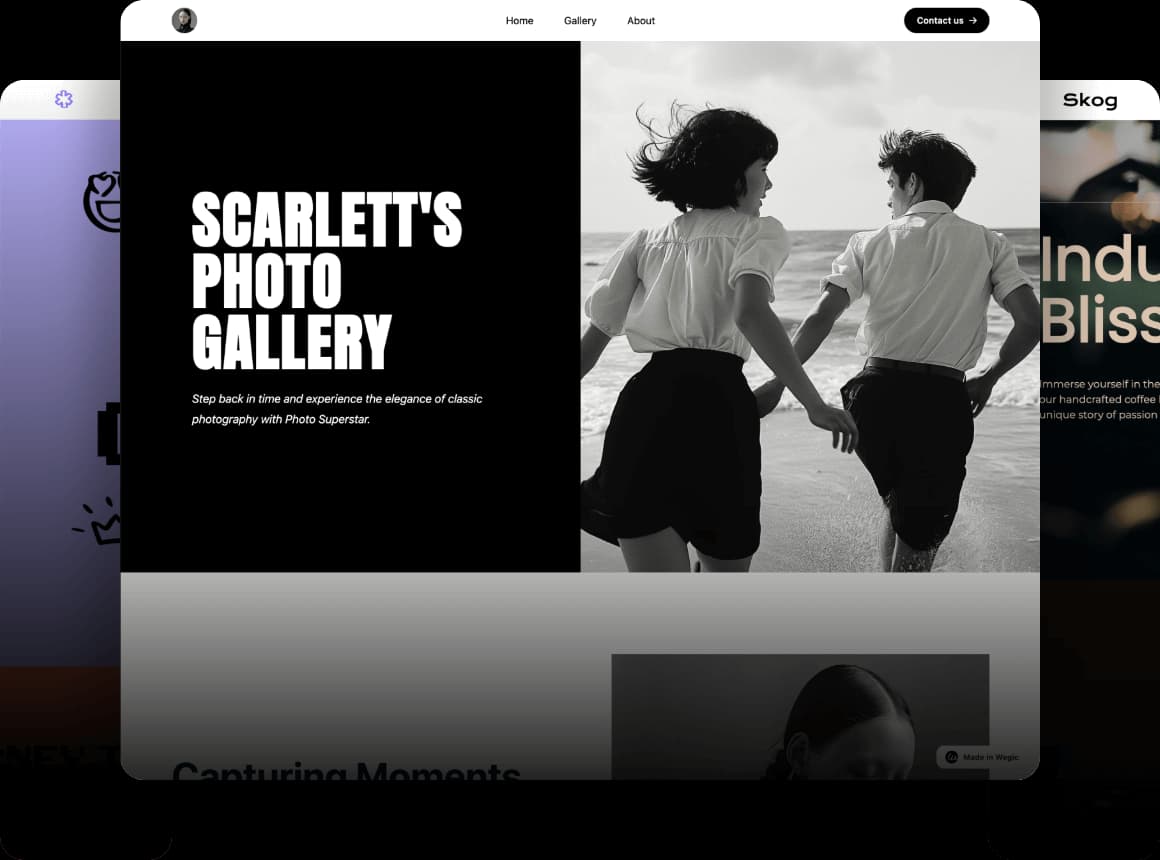
Ever wonder why some portfolios immediately grab the attention of top clients while others get lost in the shuffle? What makes specific portfolios pop and spark curiosity while others sit unnoticed?
A well-crafted portfolio can open doors to new opportunities, while a weak one might leave you stuck in the same place.
So, what makes a portfolio great? How do you choose which photos to include, and what can you do to make yours set apart from the crowd? In this article, we’ll take you step by step through building a portfolio that shows off your best work and helps you get noticed.
If you’ve been asking yourself these questions, don’t worry—we’ve got you covered. This guide will show you exactly what you should include in a photo editing portfolio, how to arrange your work, and how to present your unique skills to capture attention and get you hired.

Point 1 : Start with a Clear and Memorable Introduction

What Should You Include in a Photo Editing Portfolio?
The first thing clients and potential employers will see in your photo editing portfolio is your introduction. This is your chance to make a lasting first impression, so make it count! Your intro should be short, sweet, and focused on who you are, what you do, and why you do it. Think of it like your "elevator pitch"—you only have a few seconds to grab attention, so make sure it’s engaging and memorable.
Start with a simple, clear statement that highlights your skills. For example, you could say:
"I’m a passionate photo editor with over five years of experience in retouching portraits and enhancing landscapes."
Next, mention the types of edits you specialize in. Do you love creating dramatic before-and-after transformations? Or do you focus on subtle retouching and color correction? Whatever it is, be specific. For example:
"I specialize in transforming everyday photos into stunning works of art with advanced retouching, color correction, and creative effects."
Also, briefly touch on why you’re passionate about photo editing. Clients want to know what drives you and what makes you unique: are you obsessed with bringing out the best in every image? Or do you enjoy creating a certain mood through your edits? Whatever your reason, let it be clear, as a personal touch makes all the difference.
For example:
"I’ve always loved capturing moments; photo editing lets me tell a deeper story with every image. It’s like adding my own signature to every shot."
Lastly, keep it concise. A few sentences are enough—don’t go overboard. Remember, your photo editing portfolio is about showing your strengths, so focus on what makes you stand out.
Tip
Keep your intro personal! Clients don’t just want to see what you can do; they want to know who you are and why you love what you do. Show your personality in your own words. Share your passion and excitement for editing photos—your enthusiasm will draw clients in.
Point 2: Show Only Your Best Work (And Be Picky)

What to Include
When it comes to your photo editing portfolio, quality is everything. You aim to showcase only your absolute best edits—no. No fillers, no weak pieces. Focus on the images representing your editing style and your skills at their finest.
Would you rather show a potential client 50 photos, some of which are just "okay," or 8-10 stunning photos that wow them from the start? The answer is clear—keep it simple but powerful.
Select a handful of images (around 8-10) that really highlight your strengths. These should be the kinds of photos that make people pause and say, "Wow, how did they do that?" Your top images should demonstrate your range, whether retouching, color correction, or creative effects.
Don’t forget to highlight your photo editing portfolio examples—include photos that represent the different styles you can work with. Maybe you’re skilled at adding a warm, dreamy look to wedding photos, or you excel at bringing out vibrant colors in nature shots. Choose images that truly reflect what you want to be hired for.
Tip
Avoid overwhelming potential clients with too many photos. A cluttered portfolio can be distracting and confusing. Instead, focus on a few standout pieces that showcase your talent in the best light. Each image should feel like it has a purpose—showing your editing range, eye for detail, or creativity.
For example:
"Before: A dull portrait with poor lighting. After: A bright, vibrant image with smooth skin tones and natural lighting."
Keeping your portfolio focused and high-quality'll leave a strong impression that sticks with potential clients.
Point 3: Highlight Your Range – Don’t Be Afraid to Show Different Styles

What to Include
Clients want to see that you can handle all kinds of projects. After all, they’re not just hiring you for one specific look or style—they want to know that you can adapt to different needs. So, don’t be afraid to show a variety of photo edits in your photo editing portfolio.
Think about the different kinds of editing you do best. Are you a whiz at perfecting portraits, or maybe you love the challenge of product photography? Maybe your thing is creative editing, adding special effects or combining multiple images. Whatever your strengths are, showcase them! Here are some examples of different styles to include:
-
Portrait Editing: Focus on details like skin retouching, smoothing lighting, and enhancing the overall mood of the photo.
-
Product Photography: Show your ability to clean up backgrounds, adjust colors, and make products look sharp and appealing.
-
Creative Editing: Demonstrate your skills with more artistic edits, like adding digital effects, compositing multiple images, or playing with textures and lighting for a unique look.
Tip
Don’t limit yourself to one type of editing. A diverse portfolio shows that you’re flexible and capable of handling various projects. The more you show, the more clients will trust you to deliver exactly what they need.
Point 4: Include Client Work or Personal Projects

What to Include
Including real client work in your portfolio is a huge bonus—it shows you’ve got real-world experience and can meet the expectations of paying clients. If you’ve done work for brands, influencers, or businesses, feature these projects to show your professional skills.
If you haven’t worked with clients yet, don’t worry! You can still showcase personal projects that reflect the style of work you want to pursue. Personal projects can be a great way to show off your creativity and commitment. Just ensure the images you choose align with the type of work you want to be hired for.
For example, if you’re passionate about fashion editing, maybe collaborate with a friend or a local fashion blogger to shoot and edit a styled photoshoot. Show your process—how you took the original image and transformed it into the finished product.
Tip
If you haven’t had much client work yet, try collaborating with friends, local businesses, or even influencers to get your foot in the door. It’s a fantastic way to build a strong portfolio that showcases your editing skills in real-world scenarios.
Point 5: Organize Your Portfolio for Easy Navigation

What to Include
A cluttered portfolio can turn potential clients off. When they visit your photo editing portfolio, they want to be able to quickly find the type of work they’re interested in, so categorizing your work will keep things neat and organized.
For example, you might want to organize your portfolio into sections like:
-
Product Photography: Highlight your ability to make products shine.
-
Before-and-After: Show your transformation skills with side-by-side comparisons.
This makes it easy for clients to quickly see the types of edits you specialize in, without scrolling through an endless gallery of random images.
Tip
Keep the layout simple and user-friendly. Clients won’t want to waste time hunting through your entire portfolio to find the right type of work. The easier you make it for them to navigate, the better the impression you’ll leave.
Point 6: Add Client Testimonials and Feedback

What to Include
If you’ve worked with clients, ask them for testimonials about your work. Client reviews add a layer of trust and social proof to your photo editing portfolio, as a testimonial can highlight your professionalism, creativity, and credibility, giving potential clients confidence that you’re the right person for the job.
If you don’t have formal testimonials yet, you can still include any positive feedback you’ve received from clients via email or social media. You could even include messages like, "You did an amazing job with the photo edits!" These little snippets can make a big impact.
Tip
Even if you don’t have formal client testimonials, include any positive feedback you’ve gotten. Whether it’s a message on Instagram or an email from a happy client, real-world praise can make a huge difference in showing potential clients that you deliver results.
Point 7: Keep Your Portfolio Fresh and Up to Date

What to Include
Your photo editing portfolio should always reflect your current skills and editing style. As you improve and learn new techniques, make sure to update your portfolio with fresh content. You want it to represent the best of what you can do now.
If you add new work or learn new editing skills, replace older images that might not show off your current abilities. A portfolio with stale, outdated images can give the impression that you’re not growing as an editor.
Tip
Update your portfolio regularly! Keeping it fresh and relevant shows that you’re constantly improving and that you’re on top of current trends in photo editing.
Point 8: Host and Share Your Portfolio on the Right Platforms

What to Include
Once your portfolio is ready, you’ll want to choose the right platform to showcase it. You could use a professional portfolio website like Squarespace or Wix, or share it on platforms like Behance, Adobe Portfolio, or even Instagram. The goal is to have an easy-to-access, professional-looking platform where clients can view your work.
Tip
Make sure your portfolio is mobile-friendly—many potential clients will look at it from their phones or tablets. Also, optimize your portfolio for search engines so clients can find you online when they search for a photo editing portfolio.
Bonus Tip: Optimize Your Portfolio for SEO
What to Include
To help clients find your photo editing portfolio, use these SEO tips:
-
Use Keywords in Captions: Add keywords like “photo editing portfolio” or “professional photo editor” to image captions. For example, “Portrait edit with skin retouching and enhanced lighting.”
-
Add Alt Text to Images: Describe your images in alt text to improve accessibility and SEO. For example, “Before-and-after product photo edit with background removal.”
-
Include a Meta Description: Write a concise meta description for your site, such as, “Explore the photo editing portfolio you want with portrait, product, and creative edits.”
Tip
SEO isn’t just for blogs—optimizing your portfolio helps clients find you when they search for photo editing services. A few simple typings can make a big difference in attracting the right clients.
Time to Build Your Dream Portfolio
Now that you have a clear roadmap, it’s time to bring your photo editing portfolio to life. This is your chance to show off who you are as an editor and what you can do, so make it significant by presenting only your best work, keeping it organized, and making sure potential clients can easily find you. With these tips in hand, you’ll be well on your way to creating a portfolio that stands out and gets you hired.
Ready to get started? Take these steps, and start working on the portfolio that highlights your skills and creativity. Your next client could be just one portfolio away.
Written by
Kimmy
Published on
Mar 17, 2026
Share article
Read more
Our latest blog
Webpages in a minute, powered by Wegic!
With Wegic, transform your needs into stunning, functional websites with advanced AI
Free trial with Wegic, build your site in a click!
What kind of website do you want to build?