What are Backlinks in SEO and Why Are They necessary?
Discover why backlinks are crucial for SEO success. Learn strategies to build quality links and boost your website's ranking.

If you’ve ever wondered how some websites always seem to rank at the top of search results, you’re not alone. The answer often lies in something called backlinks. While SEO can feel like a huge, overwhelming concept, backlinks are a simple but powerful piece of the puzzle.
Backlinks are like little nods of approval from other websites. When someone links to your site, search engines see it as a sign that your content is worth trusting and valuable. The more high-quality nods you get, the more visible your website becomes.
Understanding why backlinks matter and how they work can make a huge difference in getting your site noticed. Ready to dive in? Let’s explore what backlinks really are and why they’re so important for SEO.
Backlinks in SEO: Definition
Picture this: backlinks are like online recommendations. When another website links to yours, it’s almost as if they’re saying, “Hey, check out this site—it’s got something worth seeing!” Search engines notice these recommendations and take them as a positive sign, boosting your site’s credibility.
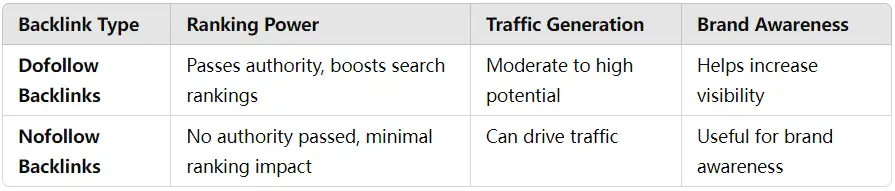
There are two types of backlinks you should know about:
-
Dofollow Backlinks: These are the gold standard. When a site links to yours with a dofollow tag, it passes on a bit of its own authority to you. This helps push your website higher in search rankings, giving it more visibility.
-
Nofollow Backlinks: These don’t carry the same ranking power because they don’t pass on authority. But don’t discount them—they can still be useful for driving traffic and building brand awareness.
Backlinks are one of the main ways search engines figure out which websites are trustworthy. Google, for instance, heavily factors backlinks into its ranking algorithm. According to Backlinko, the site sitting at the top of Google’s results typically has about 3.8 times more backlinks than the pages ranked below it. That’s pretty significant!
So, why do backlinks matter? They’re proof that your content is valuable and relevant. The more you can earn from high-quality sites, the more search engines trust you, and the more likely your site is to climb those rankings.
Backlinks in SEO: Why Necessary?
Backlinks Elevate Your Search Engine Rankings
-
At its core, backlinks in SEO are simply external links pointing from one website to another, almost like a stamp of approval for your content.
-
When well-established websites link back to your pages, search engines—like Google—view your content as valuable and trustworthy, helping push your site higher in the rankings.
-
As highlighted by Moz, backlinks are among the top factors influencing where your site ends up on search results. Without a solid foundation of quality backlinks, it can be a challenge for your content to gain the visibility it deserves, even if it’s brilliantly written.
Backlinks Strengthen Your Domain Authority and Build Trust
-
Common backlinks in SEO examples include links from respected industry blogs, major news platforms, or influential directories. These authoritative backlinks give your website credibility.
-
The more high-quality backlinks you have, the more your domain authority increases—a score that tells search engines just how reliable and trustworthy your site is.
-
According to Ahrefs, nearly 91% of web pages don’t get any organic traffic from Google, largely because they lack enough backlinks. To build trust with both users and search engines, a solid backlink strategy is essential.
Backlinks Bring Valuable Organic Traffic
-
One of the most impactful backlinks in SEO benefits is their ability to bring a steady stream of organic traffic directly to your site.
-
When users click on backlinks from other reputable websites, it usually means they’re genuinely interested in your content. This results in more meaningful engagement—whether that’s reading your articles, subscribing to updates, or even making a purchase.
-
In short, backlinks not only help you rank higher but also serve as a crucial source of highly relevant traffic. They are, without a doubt, a key element in achieving long-term SEO success.
Backlinks in SEO: How Search Engines View Them
In terms of backlinks, search engines such as Google consider them to be among the most important elements in assessing the authority and relevancy of pages. In SEO terms, backlinks simply indicate that if other credible websites link to your material, it tells Google that your content is worthwhile.
Google PageRank, an algorithm created to rank web pages according to the caliber and volume of backlinks they receive, enters the picture here. Backlinks serve as endorsements, informing search engines that your website is worthy of being noticed. However, as in life, not every vote is made equally.
Many people make the mistake of focusing on getting as many backlinks as possible, but the real secret lies in the backlinks in SEO benefits: quality over quantity. One backlink from an authoritative site, such as a top-tier blog or an industry leader, can have a much greater impact on your SEO than a dozen low-quality links. For instance, if you run a design blog, a backlink from a site like DesignBoom or CreativeBloq will do wonders for your ranking. Conversely, links from unrelated or low-reputation sites may actually harm your standing. Google's algorithms favor natural, earned backlinks over those that are artificially created.
The backlink's relevance and dependability are also quite important. Google considers both the source of the connection and the degree to which the content of the connected website is relevant to your own. A travel blog acquiring a backlink from Lonely Planet is an example of a good backlink in SEO. Backlinks from sites in your business have more SEO weight than, say, a link from a tech blog. Additionally, Google assesses the connected site's reputation. When a reputable, well-known website, such as Forbes, links to your page, it tells search engines that your material is reliable.
In short, backlinks in SEO benefits go far beyond simply improving search rankings—they help build your site’s credibility and attract high-quality, engaged traffic. But remember, quality backlinks from trusted, relevant sources are the key to maximizing their SEO power.
Wrap-up:
-
Backlinks act as votes of confidence, signaling content value to search engines.
-
Trustworthiness and relevance of backlinks are critical for boosting search rankings and site credibility.
Backlinks in SEO: 4 Effective Quality Building Strategies
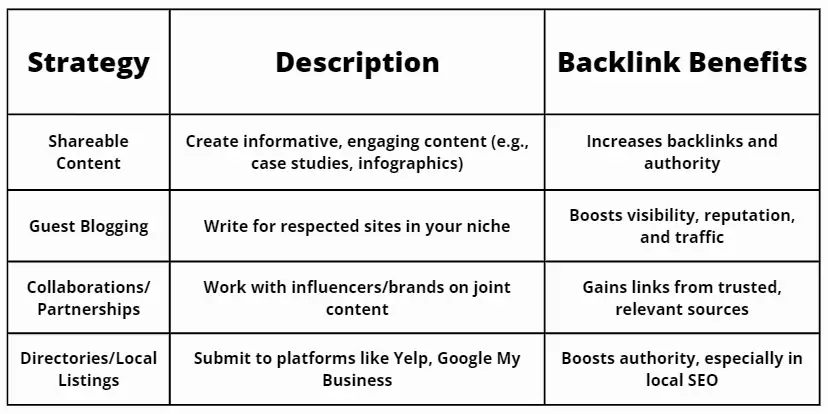
Building quality backlinks is essential to boost your SEO and website rankings, but it requires a strategic approach. You can’t just sit back and hope people will link to your content—you need to actively pursue it with smart, effective methods. Let’s explore four strategies that work and why they’re worth your time.
Creating Valuable, Shareable Content
Producing content that people want to share is the most natural method of building backlinks. When you write articles that are interesting, informative, or well-researched, other websites will want to connect to them. The meaning of backlinks in SEO is straightforward: shareability is correlated with high-quality content.
Consider backlinks in SEO examples such as case studies, comprehensive guidelines, or infographics—content that is not only educational but also aesthetically pleasing or has a distinct viewpoint. Providing something of real worth makes obtaining backlinks much simpler.
Guest Blogging on Reputable Sites
Another great strategy is guest blogging. Writing for respected websites in your niche not only increases your visibility but also allows you to gain authoritative backlinks.
A HubSpot study found that businesses using guest posts as part of their content strategy saw 97% more inbound links. However, make sure to target sites that are relevant to your industry. For example, if you’re in fashion, write for well-known fashion blogs, not unrelated tech sites. The backlinks in SEO benefits from guest blogging include more exposure, a strengthened reputation, and an influx of quality traffic.
Earning Backlinks Through Collaborations and Partnerships
Sometimes, working with others can lead to high-quality backlinks. Partnering with influencers or collaborating with other brands can help you create mutually beneficial content that earns links from reputable sources. For instance, if you collaborate with a popular blogger on a joint piece, they’re likely to link back to your site. This kind of networking often results in backlinks from highly trusted and relevant sources, which are the golden ticket for boosting your SEO.
Submitting to Directories and Local Listings
Finally, do not forget to submit your website to local listings or reputable directories. Even though they do not seem glamorous, these work. Getting featured in directories like Yelp, Google My Business, or platforms tailored to a certain industry are examples of backlinks in SEO. These backlinks can increase the authority of your website, particularly in local SEO, and are frequently seen as reliable by search engines.
Building quality backlinks is about providing value, forming relationships, and being proactive. With the right strategy, you can enjoy the full backlinks in SEO benefits—from improved rankings to increased domain authority and organic traffic.
Backlinks in SEO: Best Tools for Tracking and Analyzing
Tracking and analyzing backlinks is essential if you want to improve your SEO game, and luckily, there are some powerful tools that can help you do just that. Let's dive into how these tools can elevate your backlink strategy.
Ahrefs: The Backlink Powerhouse
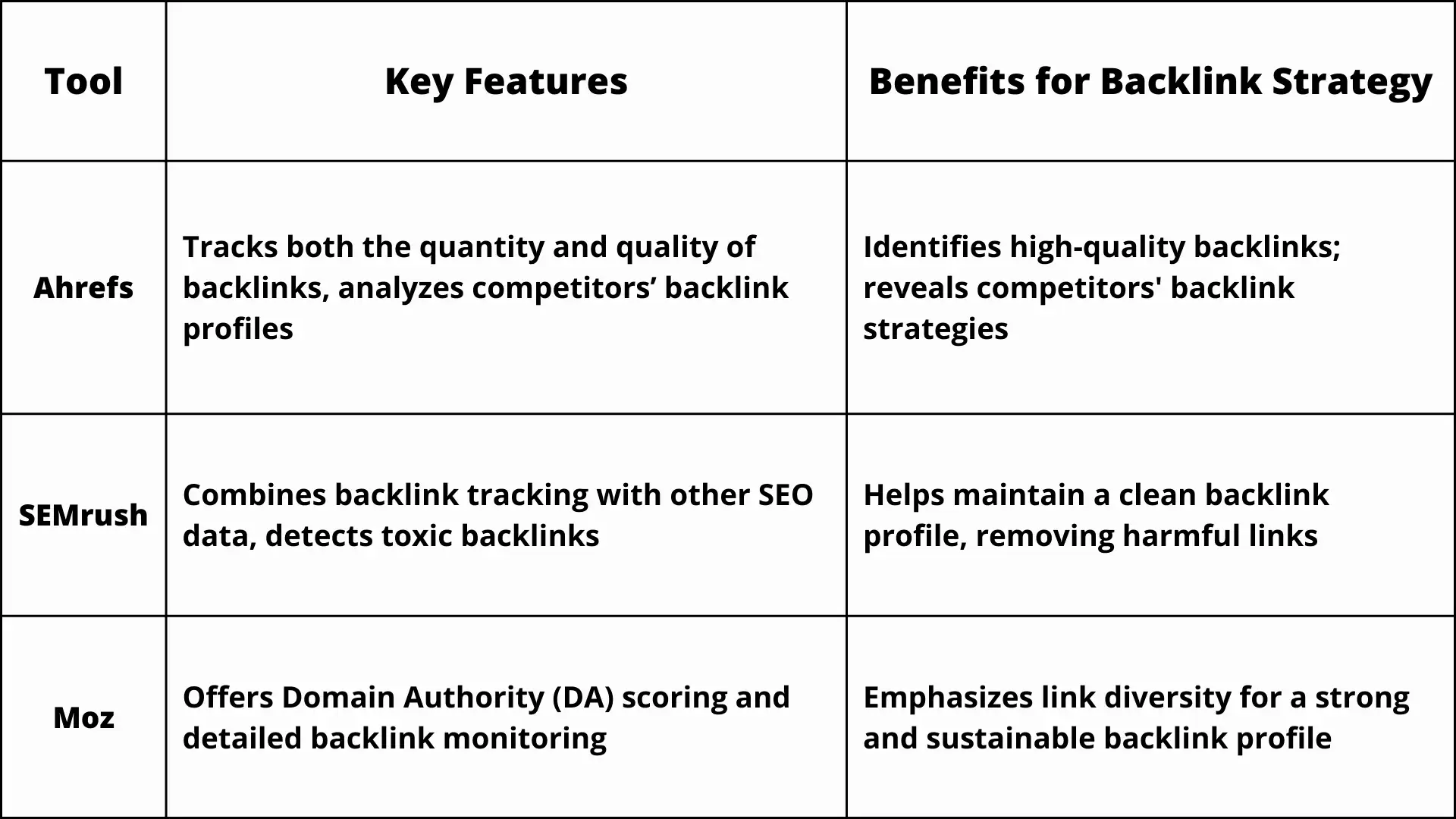
If you’re serious about backlinks, Ahrefs is one of the top tools you can’t ignore. It doesn’t just count the backlinks pointing to your site—it digs deeper, giving you detailed insights into their quality. When it comes to backlinks in SEO benefits, the impact is straightforward: the better your backlinks, the higher your site can rank. But what’s truly cool about Ahrefs is how it lets you spy on your competitors’ backlinks. Imagine seeing how a competitor snagged a valuable link from a high-authority site, then figuring out how you can pull off the same move for your own site. It’s like having a roadmap to outrank the competition.
SEMrush: Your All-in-One SEO Partner
SEMrush is another tool that really pulls its weight in the backlink department. It does more than just show who’s linking to your site—it also tracks the quality of those links over time. What’s more, SEMrush helps you spot toxic backlinks—those spammy or irrelevant links that might be dragging down your SEO. Regularly cleaning out these bad backlinks helps you dodge penalties that could lower your rankings. When it comes to the backlinks in SEO meaning, it’s clear: maintaining a clean, healthy backlink profile is just as important as building new ones.
Moz: The Domain Authority Guru
Moz is known for its super user-friendly interface and the popular Domain Authority (DA) score, which predicts how likely your site is to rank in search results. But Moz’s real strength is its backlink monitoring. It gives you a complete breakdown of where your backlinks come from and how they’re affecting your DA. One of the standout backlinks in SEO examples Moz focuses on is link diversity—getting high-quality backlinks from a wide range of sources. This diversity is key to building a solid backlink profile that’ll stand the test of time.
Monitoring Backlink Quality and Measuring SEO Impact
Not only do these tools shine in backlink tracking, but they also give you a clear understanding of how those backlinks influence your SEO performance. With their help, you can pinpoint exactly how each backlink impacts your site’s rankings, boosts organic traffic, and enhances domain authority.
Additionally, they allow you to easily track your competitors' progress, giving you insights to refine your own strategy. Whether you’re focused on eliminating harmful links or identifying which backlinks bring in the most traffic, having the right tool at your disposal can significantly improve your SEO results.
Conclusion
The foundation of every effective SEO strategy is unquestionably backlinks. They provide search engines the impression that your material is reliable and important, which raises your ranks. The problem is that quality matters more than quantity when it comes to backlinks. The secret to long-term success is constructing morally sound, superior backlinks from reliable sources.
As you dive deeper into the world of SEO, the advice is simple: focus on strategies that prioritize value over shortcuts. Avoid spammy practices and always aim for links that genuinely add credibility to your site.
If you’re ready to take things to the next level, consider exploring advanced SEO tactics or consulting with professionals who can help fine-tune your approach. The results are worth it!
Written by
Kimmy
Published on
Mar 12, 2026
Share article
Read more
Our latest blog
Webpages in a minute, powered by Wegic!
With Wegic, transform your needs into stunning, functional websites with advanced AI
Free trial with Wegic, build your site in a click!
What kind of website do you want to build?