Log in
Build Your Site
Is Affiliate Marketing Legit or a Scam? Uncovering the Truth Now
Discover the truth about affiliate marketing. Is it legit or a scam? Learn how to avoid pitfalls, spot red flags, and build a real income online.

In the vast landscape of online income opportunities, affiliate marketing often finds itself under scrutiny. Is it a genuine path to financial freedom or just another deceptive scheme lurking in the digital shadows? Many dream of making money online, and affiliate marketing frequently surfaces as a popular option. However, the burning question remains: is affiliate marketing legit or a potential trap designed to prey on an individual's aspirations for an online business? The allure of passive income and the flexibility of work-from-home scenarios certainly make it an attractive prospect, but the persistent whispers of affiliate marketing scam activities cause understandable hesitation.

Affiliate marketing, at its core, is a performance-based digital marketing strategy where individuals, known as affiliates, earn a commission by promoting another company's products or services. This is typically achieved through unique referral links, and payment is only rendered when a specific action – usually a sale, lead, or click – is completed. The industry's growth is undeniable; it has blossomed into a multi-billion dollar global market. Projections even indicated that the affiliate marketing industry in the United States alone could reach a value of $12 billion by 2022, and it continues to expand, making its relevance in the digital economy of affiliate marketing in 2025 even more significant. This article aims to meticulously investigate the legitimacy of affiliate marketing, providing you with the essential knowledge to differentiate between genuine legitimate affiliate marketing opportunities and fraudulent schemes. We will explore the foundational aspects of this business model, dissect the reasons behind widespread scam concerns, identify the tell-tale signs of trustworthy affiliate programs, and offer actionable advice on how to avoid affiliate scams. By understanding both the bright avenues and the dark alleys, you can navigate this landscape safely and potentially achieve affiliate marketing success.
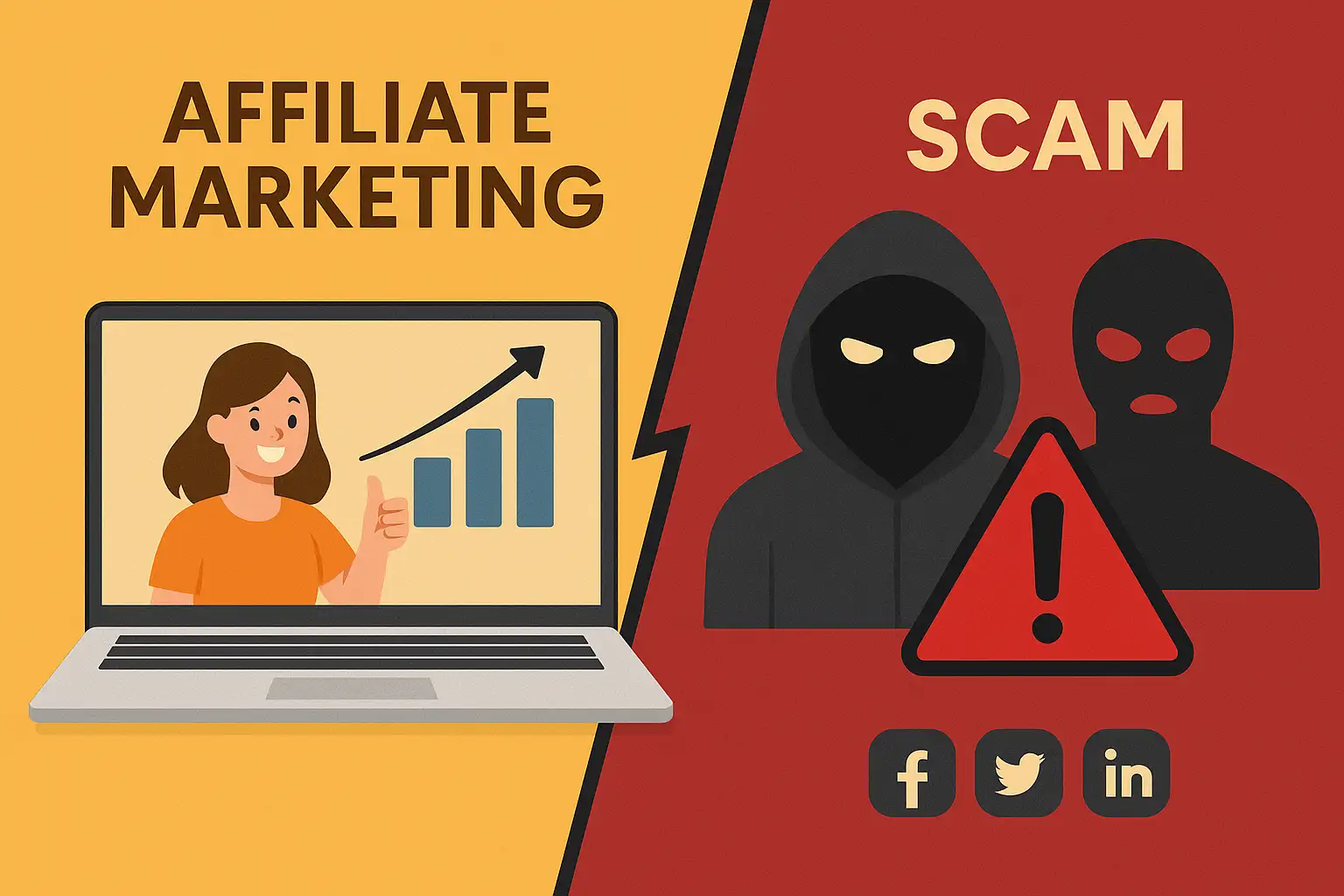
Affiliate Marketing: Unveiling the Legitimate Landscape
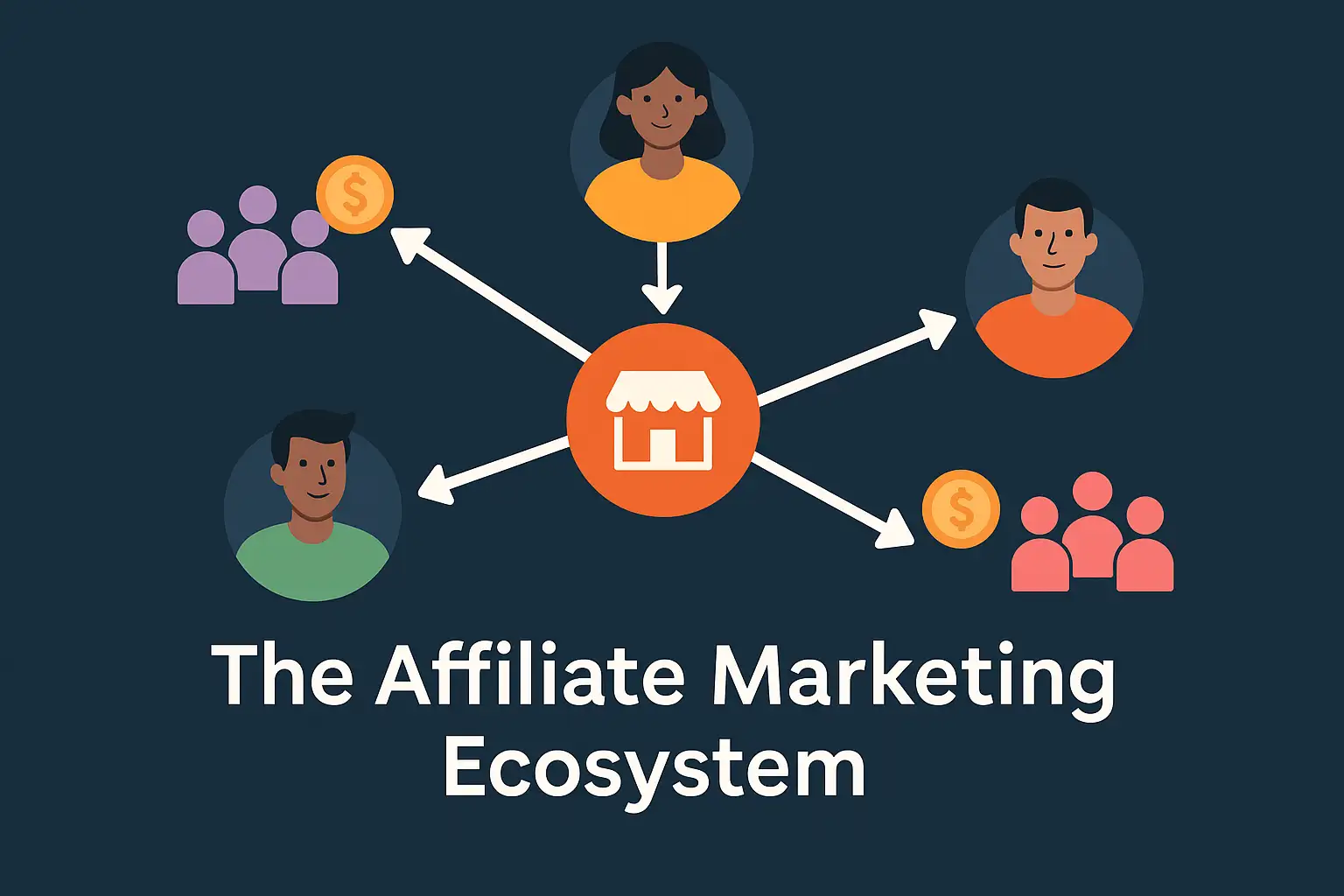
The concept of is affiliate marketing legit can be confidently answered with a resounding "yes" when we examine its core structure and widespread adoption by reputable entities. Far from being a fringe operation, legitimate affiliate marketing is an established and strategically vital business model for countless companies across a multitude of industries. From e-commerce giants and travel agencies to software providers and beauty brands, businesses recognize the immense value in leveraging affiliate partnerships.
Consider globally recognized names like Amazon with its Amazon Associates program, eBay's Partner Network, Sephora, Booking.com, and Shopify. These companies, and thousands like them, strategically integrate affiliate marketing into their overall marketing efforts. Why do they embrace this model? The reasons are manifold. Firstly, it allows them to reach broader and more diverse audiences through the varied promotional channels of their affiliates. Secondly, they tap into the trust and authority that affiliates have cultivated within their specific niches. This is particularly potent when affiliates provide genuine, insightful content. Thirdly, it's a remarkably cost-effective marketing approach. Merchants only pay for successful conversions – sales, leads, or clicks – making it a performance-driven investment rather than a speculative one. This pay-for-performance model minimizes upfront marketing risks and maximizes return on investment, solidifying its place as a key component of modern digital marketing. The beauty of a well-executed affiliate marketing setup lies in its win-win-win ecosystem, benefiting all parties involved:
- Merchants (Businesses/Advertisers): They experience reduced customer acquisition costs compared to traditional advertising. They gain access to highly targeted, niche audiences they might not otherwise reach. Brand awareness is amplified through the collective efforts of their affiliates. Most importantly, they operate on a pay-for-performance basis, ensuring marketing spend directly correlates with results. This makes launching and scaling affiliate programs an attractive proposition.
- Affiliates (Publishers/Promoters): The allure for affiliates is significant. They enjoy flexibility in choosing products and services that align with their content and audience. Startup costs are typically very low, as there's no need to create, stock, or manage their own products. The potential to work from home or anywhere with an internet connection offers unparalleled lifestyle freedom. Furthermore, income can be scalable; the more effective their promotion and the larger their engaged audience, the greater their earning potential for passive income. This model is especially appealing for affiliate marketing for beginners due to its low barrier to entry.
- Customers (Consumers): Customers also derive substantial benefits. They often discover new and relevant products or services through trusted sources – the affiliates they follow and respect. Affiliates frequently provide valuable content, reviews, tutorials, and comparisons, aiding in informed purchasing decisions. Sometimes, customers may even gain access to exclusive discounts or deals through affiliate links, enhancing their overall shopping experience.
Real affiliate marketing success stories abound, further cementing its legitimacy. Individuals like Pat Flynn of Smart Passive Income, Michelle Schroeder-Gardner of Making Sense of Cents, and even figures like John Crestani, despite any controversies, have demonstrated that substantial online income can be generated through affiliate marketing. Pat Flynn, for instance, built a significant portion of his online empire by transparently sharing his journey in building niche websites and promoting relevant software and services. Michelle Schroeder-Gardner consistently earns six figures monthly, largely through affiliate promotions on her personal finance blog, focusing on products and services she genuinely uses and trusts. These successful affiliate marketers often employ strategies centered around high-quality content creation (blogs, videos, podcasts), robust email marketing funnels, and strategic social media engagement. While astronomical earnings aren't guaranteed and require significant effort, dedication, and smart affiliate marketing strategies, these examples illustrate the potential of legitimate affiliate marketing.
Crucially, legitimate affiliate marketing operates within legal and ethical frameworks. In the United States, the Federal Trade Commission (FTC) has established clear FTC guidelines affiliate marketingprofessionals must adhere to. The cornerstone of these guidelines is transparency – affiliates must clearly and conspicuously disclose their material connections to the brands they promote. This means informing their audience that they may earn a commission if a purchase is made through their links. Such transparency is not just a legal requirement; it's fundamental to ethical affiliate marketing. Promoting products an affiliate genuinely believes in, providing honest and unbiased reviews, and prioritizing the audience's best interests are hallmarks of sustainable and respected affiliate marketers. This ethical approach builds long-term trust, credibility, and ultimately, greater affiliate marketing success.
The Shadowy Side: Understanding Affiliate Marketing Scams
While the potential of legitimate affiliate marketing is undeniable, the industry unfortunately has a darker side where affiliate marketing scam operations thrive. Understanding why this space is susceptible to fraudulent activities is crucial for anyone looking to make money online through this channel. The primarily online nature of affiliate marketing, while offering flexibility, also provides a veil of anonymity for scammers. The pervasive allure of "easy" online income and the promise of financial freedom can make individuals, especially those new to the online business world, particularly vulnerable to deceptive schemes. Furthermore, the relatively low barrier to entry means that while genuine entrepreneurs can easily start, so too can malicious actors intent on perpetrating affiliate marketing fraud.
Common affiliate scams often target aspiring affiliate marketers, preying on their enthusiasm and sometimes their desperation to earn. It's vital to recognize the hallmarks of these schemes:
- Get-Rich-Quick Schemes: These are perhaps the most notorious. They lure victims with promises of unrealistic income figures with minimal effort ("Make $10,000 in your first month with no experience!"). These schemes often employ high-pressure sales tactics, demand immediate sign-ups, and provide very little concrete information about the actual work involved or the products being promoted. The focus is on the dream, not the reality of building a sustainable online business.
- Pay-to-Join Programs with Exorbitant Fees: While some legitimate training courses or tools come with a cost, be extremely wary of affiliate programs or affiliate networks that require substantial upfront fees merely for the "privilege" of joining or accessing their list of products. Legitimate affiliate marketing opportunities are generally free to join for affiliates. If a program demands hundreds or thousands of dollars for basic membership, training materials of dubious value, or "exclusive access" with no guarantee of earnings, it’s a significant red flag and possibly an affiliate marketing scam.
- Fake Affiliate Networks: Some fraudulent platforms masquerade as legitimate affiliate networks. They might entice affiliates to promote products, but when it comes time for payout, they vanish or create excuses for not releasing earned commissions. Thoroughly researching the credibility and track record of any affiliate network before committing significant time and effort is essential.
- Fake Gurus and Overpriced Courses: The internet is rife with self-proclaimed "gurus" who sell expensive training programs on affiliate marketing strategies. While some courses offer genuine value, many are filled with outdated, ineffective, or freely available information, often padded with exaggerated claims of success and fake testimonials. Red flags include a lack of verifiable, independent success from the "guru" themselves, overly aggressive sales pitches, and promises of secret formulas for instant riches. These can be a serious drain on resources for affiliate marketing for beginners.
- Pyramid Schemes/Multi-Level Marketing (MLMs) Disguised as Affiliate Programs: This is a critical distinction. Legitimate affiliate marketing focuses on earning commissions by selling actual products or services to end consumers. Pyramid schemes, conversely, primarily focus on recruiting new members, with rewards flowing upwards. Often, the "products" in such schemes are overpriced and of low quality, serving merely as a guise for the recruitment-driven financial structure. These are unsustainable, often illegal, and can result in significant financial loss for those at the bottom. Understanding the difference is key to avoiding this type of affiliate marketing fraud.
- Programs Promoting Shady or Low-Quality Products: Some affiliate programs revolve around promoting unethical, ineffective, or even harmful products. Associating your name and reputation with such offerings can severely damage your credibility with your audience and could even lead to legal repercussions. Ethical affiliate marketing demands due diligence in selecting products you genuinely endorse.
It's not just aspiring affiliates who are targeted; businesses that utilize affiliate marketing can also fall victim to fraudulent activities designed to illegitimately siphon commissions:
- Click Fraud/Bot Traffic: Scammers employ automated software (bots) to generate a high volume of fake clicks on affiliate links. This inflates click-through metrics and can lead to businesses paying commissions for traffic that has no genuine customer interest or intent to purchase.
- Cookie Stuffing (Cookie Dropping): This is an unethical technique where an affiliate drops their tracking cookie onto a user's browser without their knowledge or direct interaction with an affiliate link (e.g., through pop-unders or embedded images). If that user later visits the merchant's site and makes a purchase (even if the initial intent was unrelated to the scammer's "promotion"), the scammer might illegitimately receive the commission.
- Fake Leads/Transactions: More sophisticated affiliate marketing fraud involves scammers generating fake leads (e.g., submitting bogus information on sign-up forms) or even orchestrating fake transactions using stolen credit card information to trigger commission payouts.
- URL Hijacking/Domain Squatting: Malicious actors may register domain names that are typos or slight variations of a popular brand's domain (typosquatting). They then populate these sites with affiliate links, diverting traffic intended for the legitimate brand or other honest affiliates and stealing potential commissions.
- Ad Hijacking: Scammers can create unauthorized advertisements, sometimes even bidding on a brand's own keywords, that appear above legitimate search results or on social media. These ads direct users through the scammer’s affiliate links, unfairly earning commissions that should have gone to the brand itself or to legitimate affiliates engaging in fair affiliate marketing strategies.
Recognizing these common affiliate scams and deceptive practices is the first step in protecting yourself and ensuring your journey to make money online is built on a solid, legitimate foundation.
Spotting the Red Flags: How to Identify Legitimate Affiliate Marketing Programs
Navigating the world of affiliate marketing requires a discerning eye and a commitment to thorough research. While the allure of passive income is strong, distinguishing legitimate affiliate marketing opportunities from potential pitfalls is paramount for long-term affiliate marketing success. This involves more than just a cursory glance at a program’s homepage; it demands a deep dive into various aspects of the program and the company behind it. Equipping yourself with the knowledge of how to avoid affiliate scams begins with learning to identify the subtle and not-so-subtle signs of a scam affiliate program.
Deep Dive into Research Methodologies:
Your investigation into an affiliate program or network should be comprehensive. Don’t rely on a single source of information.
- Beyond Basic Reviews: While user reviews can be helpful, dig deeper.
- Check Reputable Affiliate Marketing Forums and Communities: Platforms like STM Forum, Afflift, or niche-specific online communities often host candid discussions where experienced affiliates share their unbiased experiences with various affiliate networks and programs. Look for threads discussing payment reliability, support quality, and overall program integrity.
- Utilize Review Aggregator Sites: Consult trusted business review platforms such as Trustpilot or G2. While bearing in mind that reviews can sometimes be manipulated, look for overall sentiment patterns and pay close attention to detailed negative reviews concerning an affiliate marketing scam.
- Analyze Social Media Presence: A legitimate company offering affiliate programs usually maintains a professional and active social media presence. Evaluate their engagement levels, how transparent they are, and how they respond to public inquiries or complaints. A ghost town or a page filled only with promotional hype can be a warning.
- Search for News and Press Releases: Perform web searches for any significant news articles, official press releases, or, importantly, any records of legal actions or regulatory warnings associated with the company or its affiliate programs. A history of affiliate marketing fraud or unresolved major complaints is a serious red flag.
- Using Tools for Website Analysis: Employ tools like Whois to check the domain registration details of the company's website. Look for transparency in ownership, how long the domain has been registered, and any inconsistencies. Newer domains with hidden registration details might warrant more scrutiny.
- Contacting Existing Affiliates (If Possible): If you can identify current affiliates of the program (perhaps through their disclosed links on blogs or social media, or through LinkedIn groups related to digital marketing), consider reaching out politely to inquire about their firsthand experiences with the program's reliability and support.
Scrutinizing the Commission Structure and Payment Terms:
The financial aspects are often where deceptive practices hide.
- Unrealistic Commission Rates: Be wary of programs offering excessively high commission rates that seem too good to be true or unsustainable for the product’s price point. While attractive, these can be a bait for an affiliate marketing scam, a sign of a program peddling low-quality/high-refund products, or an indication they may not intend to pay out.
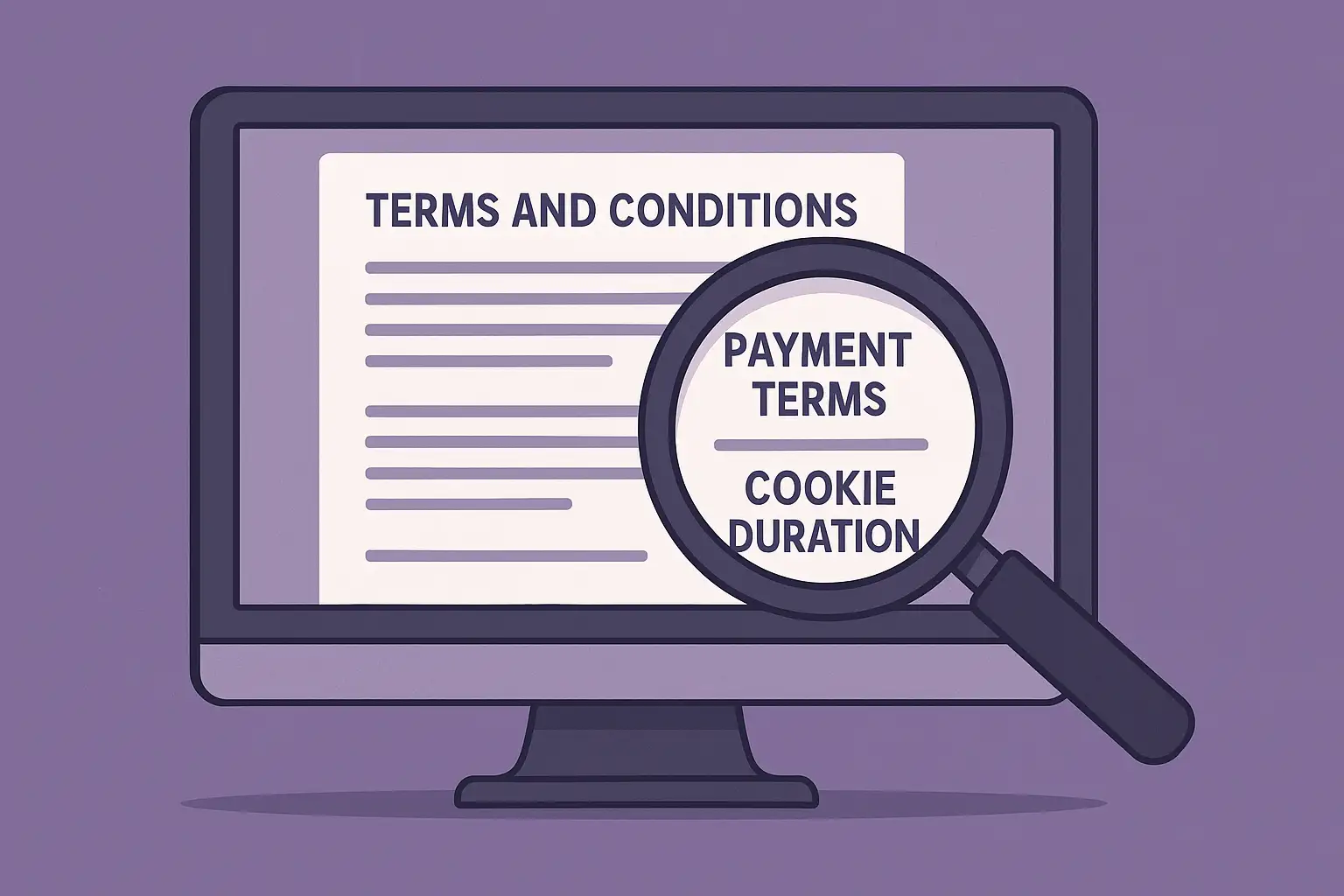
- Complex or Opaque Payment Terms: Legitimate affiliate marketing programs have clear, straightforward, and easily accessible payment terms. These should detail minimum payout thresholds, payment frequencies (e.g., NET 30, NET 60), and the accepted payment methods (PayPal, direct deposit, etc.). Overly complex, vague, or hard-to-find payment terms are a significant concern.
- Hidden Fees or Deductions: Read the terms and conditions carefully. Some unscrupulous programs might try to chip away at your earned commissions with undisclosed fees or arbitrary deductions. Legitimate programs are transparent about any potential charges (e.g., processing fees for international payments).
- Long or Inconsistent Payment Delays: While some processing time for commission payouts is normal in the industry, excessively long or consistently inconsistent payment delays, especially without clear communication, can be a major red flag. It might indicate cash flow problems within the company or, worse, an unwillingness to pay their successful affiliate marketers.
Evaluating the Quality and Support of Marketing Materials:
The resources provided can say a lot about a program’s professionalism.
- Professionalism and Effectiveness: Reputable affiliate programs typically equip their affiliates with high-quality, professional marketing materials. This includes a variety of banners, text links, email templates, product images, and sometimes even content suggestions. Poorly designed, outdated, or ineffective materials might suggest a lack of investment or a low-quality program unlikely to lead to affiliate marketing success.
- Training and Onboarding Resources: Good programs, especially those friendly to affiliate marketing for beginners, often offer valuable training materials, webinars, tutorials, and onboarding resources to help new affiliates understand the products, target audience, and effective affiliate marketing strategies. A complete lack of support or guidance can be a warning sign.
- Communication and Responsiveness: Assess the responsiveness, helpfulness, and professionalism of the affiliate program's support team. Send a test inquiry. If you encounter poor communication, unhelpful responses, or long delays in getting answers to basic questions, imagine the difficulty you might face with more serious issues, like payment discrepancies. This is crucial for ethical affiliate marketing partnerships.
Considering the Product-Market Fit and Target Audience:
Your reputation is on the line with every product you promote.
- Relevance to Your Niche: Ensure that the products or services offered by the affiliate program are genuinely relevant to your content, your niche, and the interests of your target audience. Promoting irrelevant products will likely result in low conversion rates and can erode the trust your audience has in you.
- Demand and Value: Critically evaluate the market demand for the products. Are they something people genuinely want or need? Do they offer real value to customers at their price point? Promoting low-demand, overpriced, or low-value products will make it difficult to achieve meaningful online incomeand can reflect poorly on your judgment.
- Ethical Considerations of the Product/Service: This is non-negotiable for ethical affiliate marketing. Ensure the products or services being promoted are ethical, safe, and do not mislead or harm consumers. Your reputation as an affiliate is directly tied to the integrity of the products you endorse. Avoid programs promoting anything that seems dubious or that you wouldn't personally recommend to a friend or family member. The FTC guidelines affiliate marketing also stress truth in advertising.
Analyzing the Tracking and Reporting Technology:
Accurate tracking is the backbone of earning affiliate commissions.
- Reliability and Accuracy: A legitimate affiliate marketing program will utilize reliable and accurate tracking software to record clicks, leads, sales, and other commissionable actions. If there are widespread complaints about tracking inaccuracies or affiliates consistently reporting missing commissions, it's a serious concern.
- Transparency and Access to Data: Affiliates should have access to a clear, intuitive, and user-friendly dashboard that provides detailed, real-time (or near real-time) performance data. This includes reports on impressions, clicks, conversions, earnings per click, and commission statuses. A lack of transparency in reporting or a clunky, unreliable dashboard can be suspicious and frustrating.
- Cookie Lifespan and Attribution Models: Understand the program's cookie duration (the period during which a referral is credited to you after a user clicks your link – common durations are 30, 60, or 90 days). Also, understand its attribution model (e.g., first click, last click – how sales are attributed when multiple affiliates might have influenced a customer). Unfairly short cookie lifespans or unclear/predatory attribution policies can significantly impact your earnings and are often signs of a scam affiliate program or at least an undesirable one.
By diligently applying these research methodologies and scrutinizing these key areas, you can significantly reduce your risk of falling prey to an affiliate marketing scam and instead focus on building a sustainable and rewarding online business through legitimate partnerships. This diligence is what separates aspiring affiliates from successful affiliate marketers in affiliate marketing in 2025.
Navigating the Affiliate Marketing Landscape Responsibly
So, is affiliate marketing legit or a scam? The truth, as we've uncovered, is nuanced. Affiliate marketing, in its authentic form, is unequivocally a legitimate affiliate marketing model—a powerful and proven digital marketing strategy that facilitates a mutually beneficial relationship between businesses, promoters, and consumers. When approached with diligence, integrity, and a strategic mindset, it offers transformative potential for individuals to build sustainable online income streams, achieve financial independence, and contribute genuine value within the digital marketplace. The stories of successful affiliate marketers are not fairy tales; they are testaments to what can be achieved through hard work, dedication to providing value, and smart application of affiliate marketing strategies. The prospect of passive income and the flexibility to work from home are very real possibilities within this sphere.
However, the shadows of affiliate marketing scam operations and affiliate marketing fraud are equally real and cannot be ignored. The allure of quick riches and the relatively open nature of the internet unfortunately attract unscrupulous individuals and entities looking to exploit the aspirations of those eager to make money online. This necessitates a constant state of vigilance and critical evaluation from anyone considering or currently involved in affiliate marketing. It's imperative to approach every new opportunity with a healthy dose of skepticism, particularly when promises seem too good to be true or pressure tactics are employed. Understanding common affiliate scams, recognizing the signs of a scam affiliate program, and knowing how to avoid affiliate scams are not just helpful tips—they are essential survival skills in this dynamic environment.
The long-term benefits of engaging in ethical affiliate marketing cannot be overstated. Building a successful and sustainable online business through affiliate promotions is not about quick wins or deceptive tactics; it's rooted in establishing trust and credibility with your audience. This means being transparent about your affiliate relationships, as mandated by FTC guidelines affiliate marketing, promoting only products and services you genuinely believe in and that offer real value, and always prioritizing your audience’s best interests. Trust is an invaluable asset in the digital world, and once lost, it is incredibly difficult to regain. Affiliates who focus on providing authentic, helpful content and honest recommendations are the ones who thrive in the long run, fostering loyal communities and consistent earnings.
Furthermore, the landscape of digital marketing, including affiliate marketing in 2025 and beyond, is in a perpetual state of evolution. New technologies emerge, consumer behaviors shift, and regulations adapt. Therefore, a commitment to continuous learning and adaptation is crucial. Staying informed about industry best practices, emerging trends in affiliate marketing strategies, evolving affiliate networks and affiliate programs, and, importantly, new scam tactics will help you remain protected, competitive, and successful. Engage with reputable industry resources, participate in communities, and never stop honing your skills.
Ultimately, this exploration should empower you to confidently explore the legitimate avenues within affiliate marketing. The answer to "is affiliate marketing legit?" is a firm "yes," provided you navigate with awareness and responsibility. Success is not guaranteed, and it certainly isn't effortless. However, armed with informed decision-making capabilities, a commitment to hard work, unwavering ethical principles, and a proactive approach to identifying and sidestepping potential pitfalls, you can indeed harness the power of affiliate marketing to achieve your online income goals and build a reputable and rewarding venture. The truth is out there; it's up to you to uncover it responsibly.
🧩 Building a Website? Don’t Let Affiliate Marketing Be the Weak Link\
Designing a site with Wegic? Affiliate marketing can boost your revenue, or or ruin your reputation.
Learn how to spot scams, choose legit programs, and turn clicks into trustworthy income without damaging your design integrity.

Written by
Kimmy
Published on
Mar 12, 2026
Share article
Read more
Our latest blog
Webpages in a minute, powered by Wegic!
With Wegic, transform your needs into stunning, functional websites with advanced AI
Free trial with Wegic, build your site in a click!
What kind of website do you want to build?