Are you scouring the internet for the best ecommerce website examples to figure out how top brands design their digital storefronts to generate millions? In the hyper-competitive world of online retail, a clunky website layout will kill your sales before the customer even sees your product. However, building a high-converting storefront usually requires hiring an expensive agency or wrestling with rigid, frustrating theme editors. What if you could bypass the manual design process entirely? Enter Wegic. As an intelligent AI website growth system, Wegic acts as your virtual design team, generating stunning front-end product showcases and marketing landing pages in minutes simply through conversation. In this guide, we dive deep into 6 world-class examples to spark your inspiration and show you how to launch your own automated sales engine instantly.

The Hidden Cost of Poor E-Commerce UX
Before we admire these stunning designs, we need to address a critical metric: friction. A beautiful storefront means absolutely nothing if users cannot navigate your product catalog easily. According to a comprehensive 2025 quantitative study by the Baymard Institute, the average online shopping cart abandonment rate is a staggering 70.19%. A massive portion of this revenue loss is driven by cluttered navigation, slow mobile loading speeds, and poorly structured product pages. The brands that dominate the market are obsessively focused on visual storytelling that guides the user effortlessly toward the "Buy" button.
Let’s explore top ecommerce website examples and figure out how they work to attract customers!
3 Best Ecommerce Websites Design
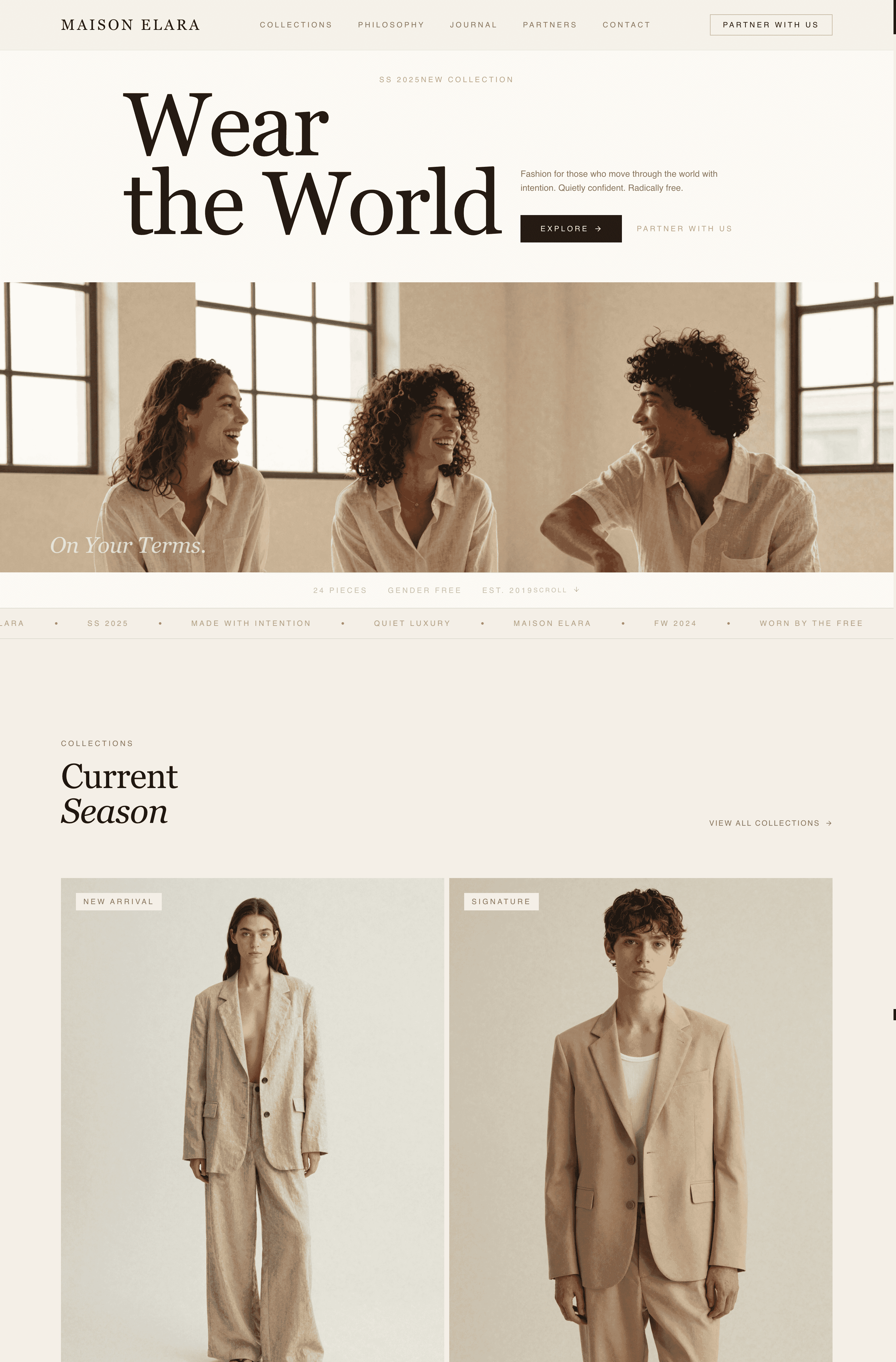
1. Lumière
Lumière is a sophisticated eCommerce website. It is designed specifically for the high-end jewelry market. With its refined color palette and modern, stylish visual identity, it elevates brand perception and helps increase conversion rates.
Built by the AI-powered website builder Wegic, the design prioritizes product presentation and user experience, ensuring a seamless shopping journey that strengthens brand identity while improving workflow efficiency.
It ensures your website adapts seamlessly to all screen sizes, delivering a consistent experience across desktop, tablet, and mobile devices. The website enables dynamic filters to help users quickly refine search results, improving navigation and product discovery. It is definitely one of the best ecommerce websites design.

Image by Lumière
2. HalfTea-K
This Oriental tea brand eCommerce website, professionally designed by the AI-powered website builder Wegic, features a calm and refined color palette combined with a minimalist visual style, making it an ideal choice for tea lovers and premium tea brands.
With its scalable and structured layout, the template enhances brand image while simplifying the shopping journey—ultimately helping to increase conversion rates. Powered by conversational editing capabilities, businesses can easily customize the website to showcase unique products and services, creating a personalized and engaging user experience.
The website's support for embedded or background videos adds a dynamic storytelling layer, creating a more engaging and immersive browsing experience. It is one of the best and simple ecommerce website examples.

Image by HalfTea-K
3. PETIQUE
This colorful and playful pet grooming website, professionally designed by the AI-powered website builder Wegic, features a vibrant color palette and lively visual style, making it the perfect choice for creating a warm, friendly, and engaging online presence.
With its scalable and structured layout, the template helps strengthen brand impact while improving workflow efficiency. Its conversational editing functionality allows for flexible customization, ensuring a smooth and personalized user experience—ultimately boosting conversion rates in the pet grooming industry.
It also automatically optimizes meta tags, simplifies URLs, and enhances site structure to improve search engine visibility and drive sustainable organic traffic growth.
Click the image below to start with Wegic!
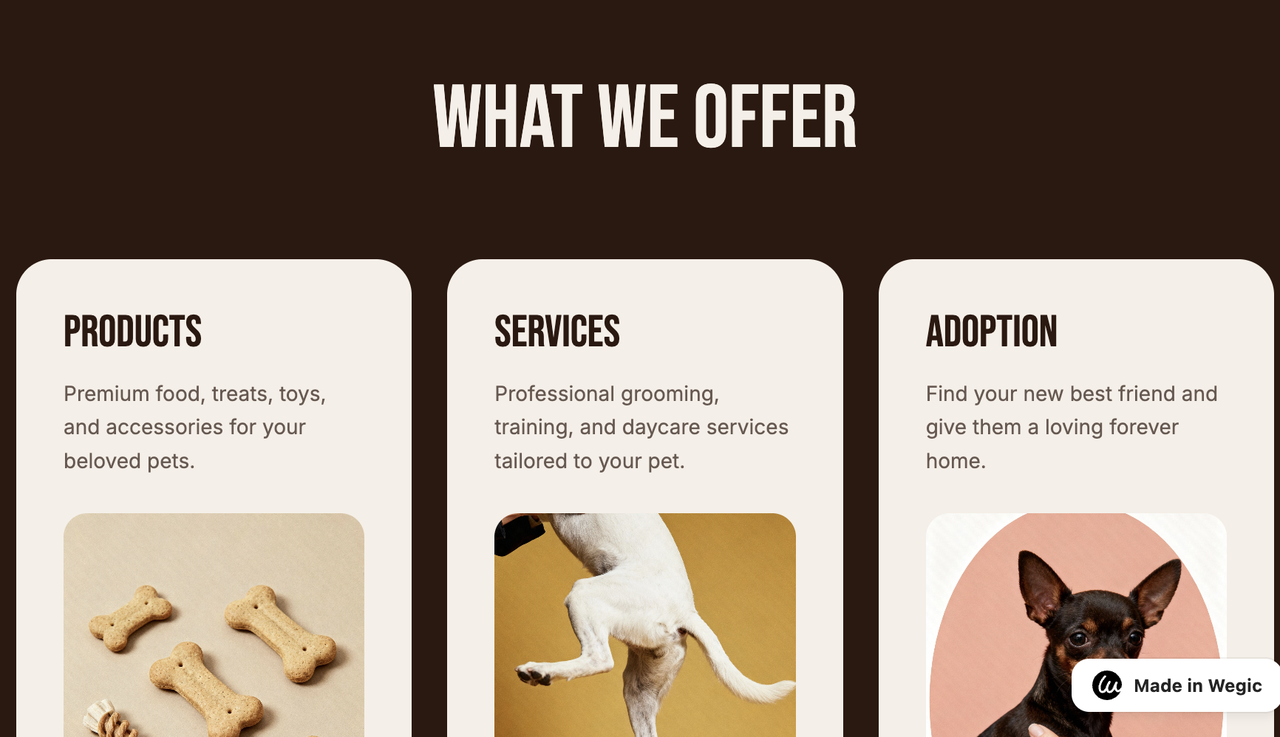
Image by PETIQUE
3 Simple Ecommerce Website Examples
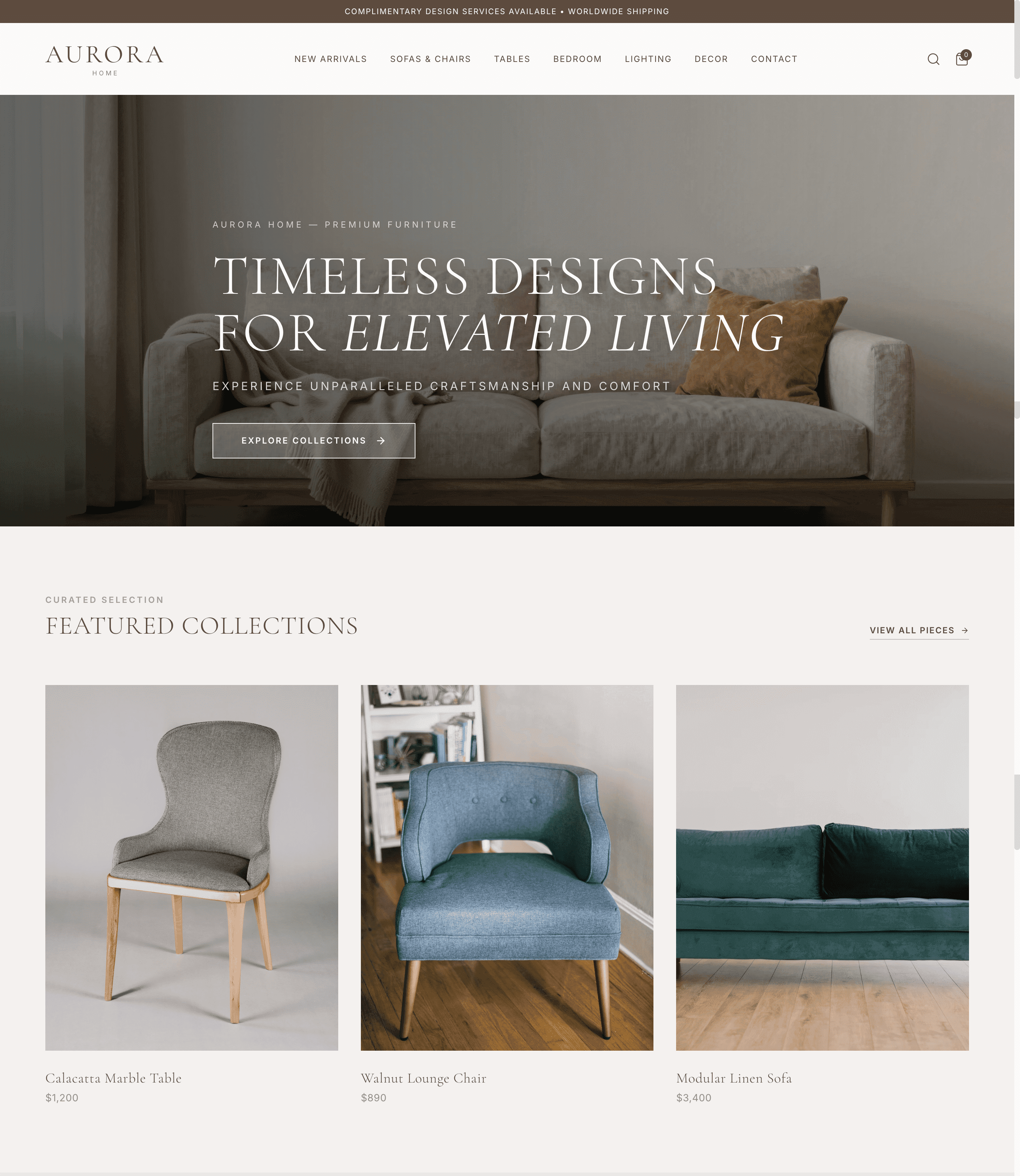
1. PetGuard
The website is designed with a clean color palette and modern visual style. It is built to elevate the brand image of technology-driven pet hardware companies while improving conversion rates.
Powered by the AI website builder Wegic, it features a scalable, structured layout and conversational editing capabilities, enabling flexible customization and streamlined workflows. This ensures businesses can efficiently build a strong online presence that appeals to both tech enthusiasts and pet owners. It is one of the simple ecommerce website examples.

Image by PetGuard
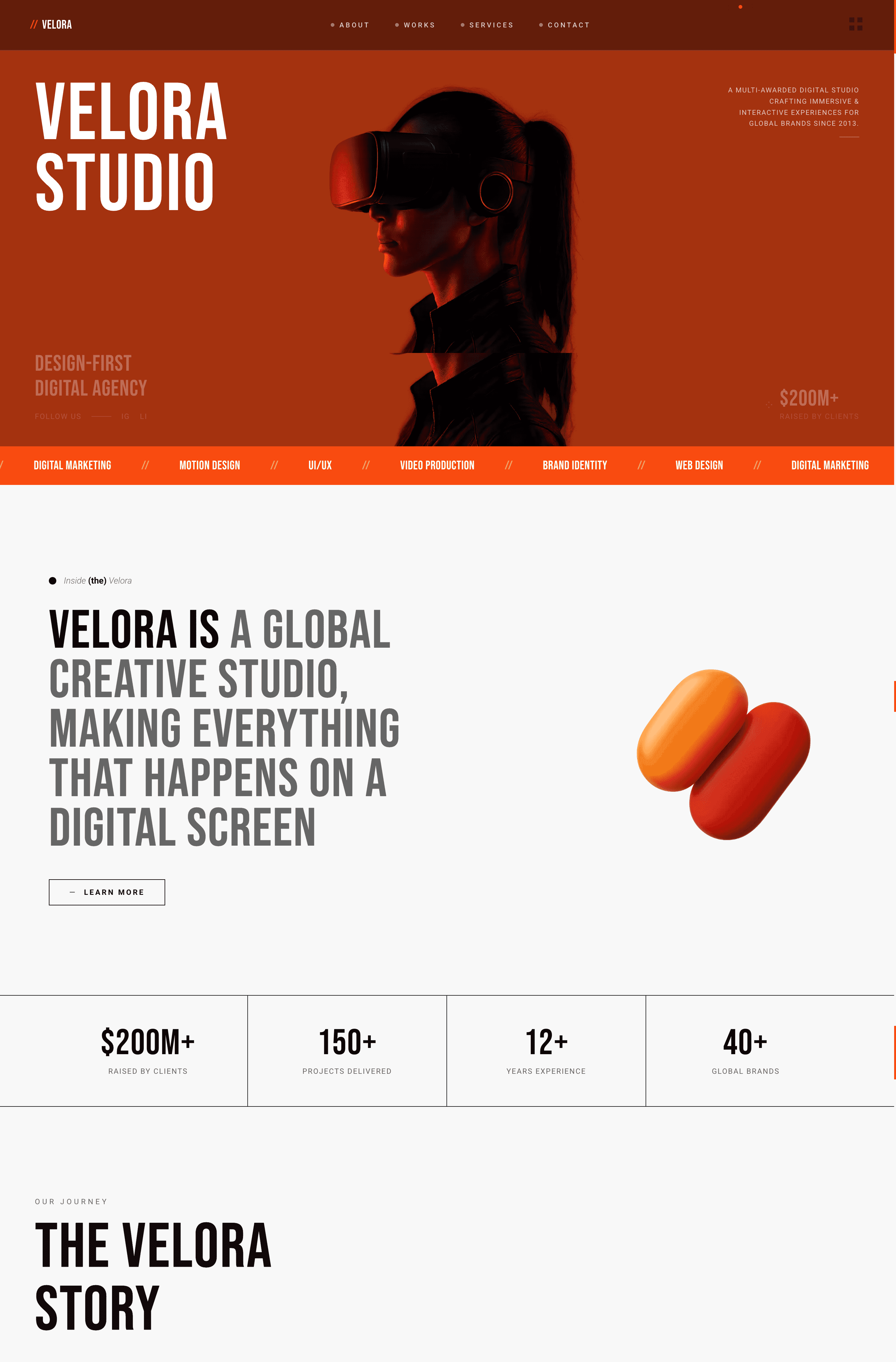
2. Kronen peptide
This scientific peptide eCommerce website is designed for the cutting-edge and highly specialized peptide industry. Featuring a clean, dark-toned color scheme and a structured layout, it enhances brand credibility while encouraging user engagement.
Built by the AI-powered website builder Wegic, the template leverages AI-driven generation and conversational editing capabilities to ensure scalability, efficiency, and flexible customization. It transforms complex peptide-related information into content that is easy to understand and visually engaging, ultimately boosting conversion rates.
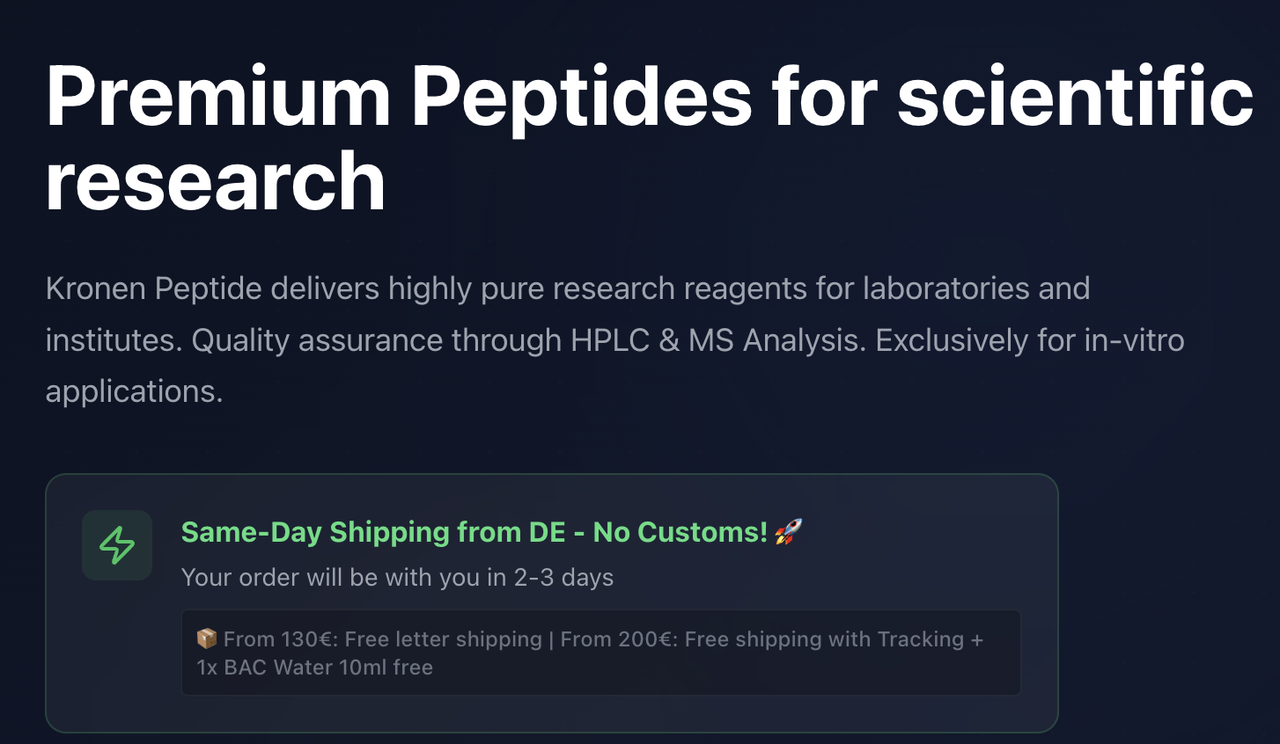
Image by Kronen peptide
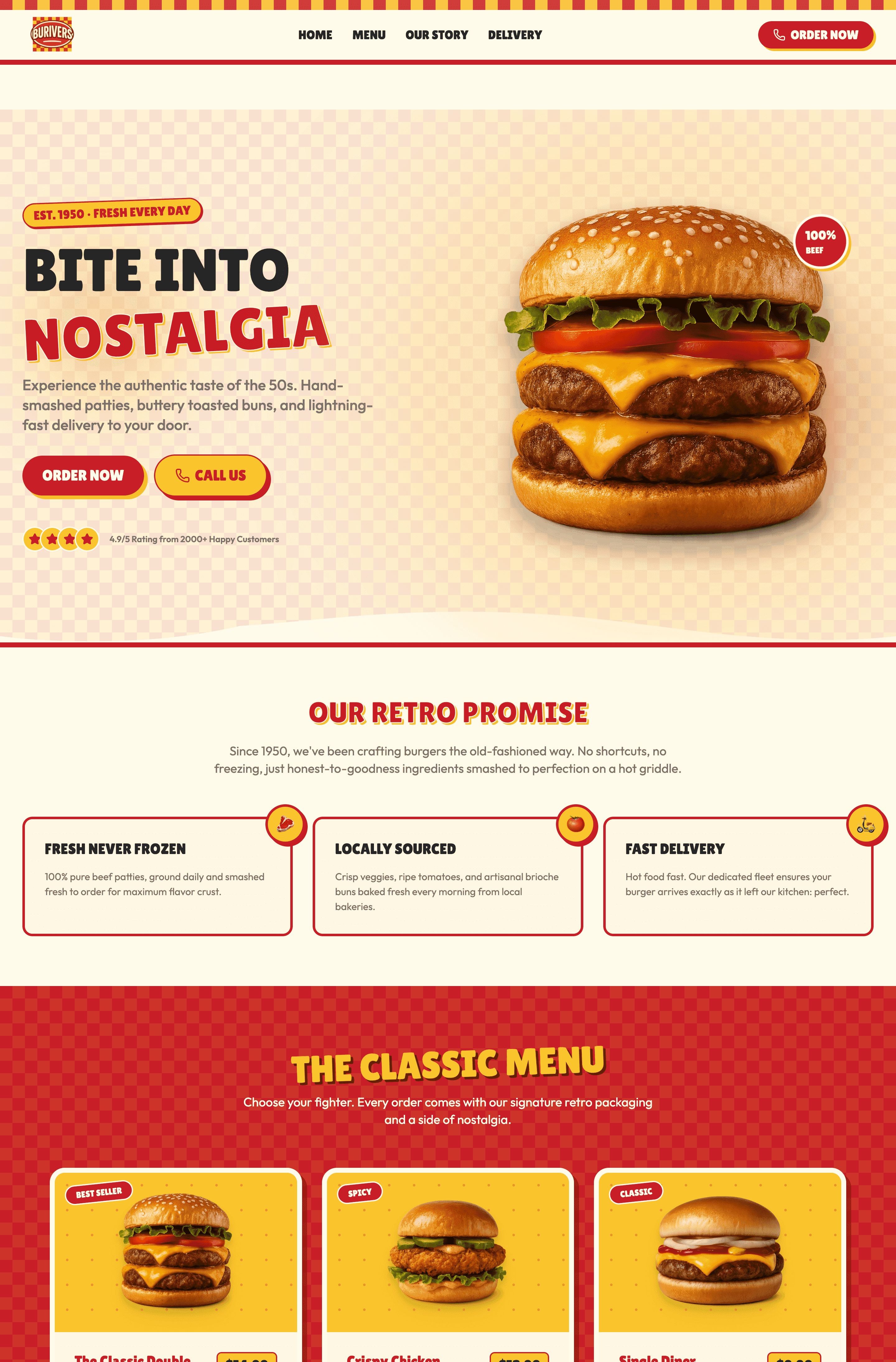
3. Burivers
This retro burger restaurant website template, professionally designed by the AI-powered website builder Wegic, features a vibrant color palette and nostalgic visual style, making it the perfect choice for creating a distinctive online presence for vintage-themed burger brands.
With its scalable, structured layout and AI-driven page generation, the template ensures a smooth and engaging user experience—helping to enhance brand impact and boost conversion rates. Its conversational editing functionality allows for flexible customization, making it an ideal solution for businesses looking to streamline workflows while effectively attracting customers. It is one of the creative and simple ecommerce website examples.
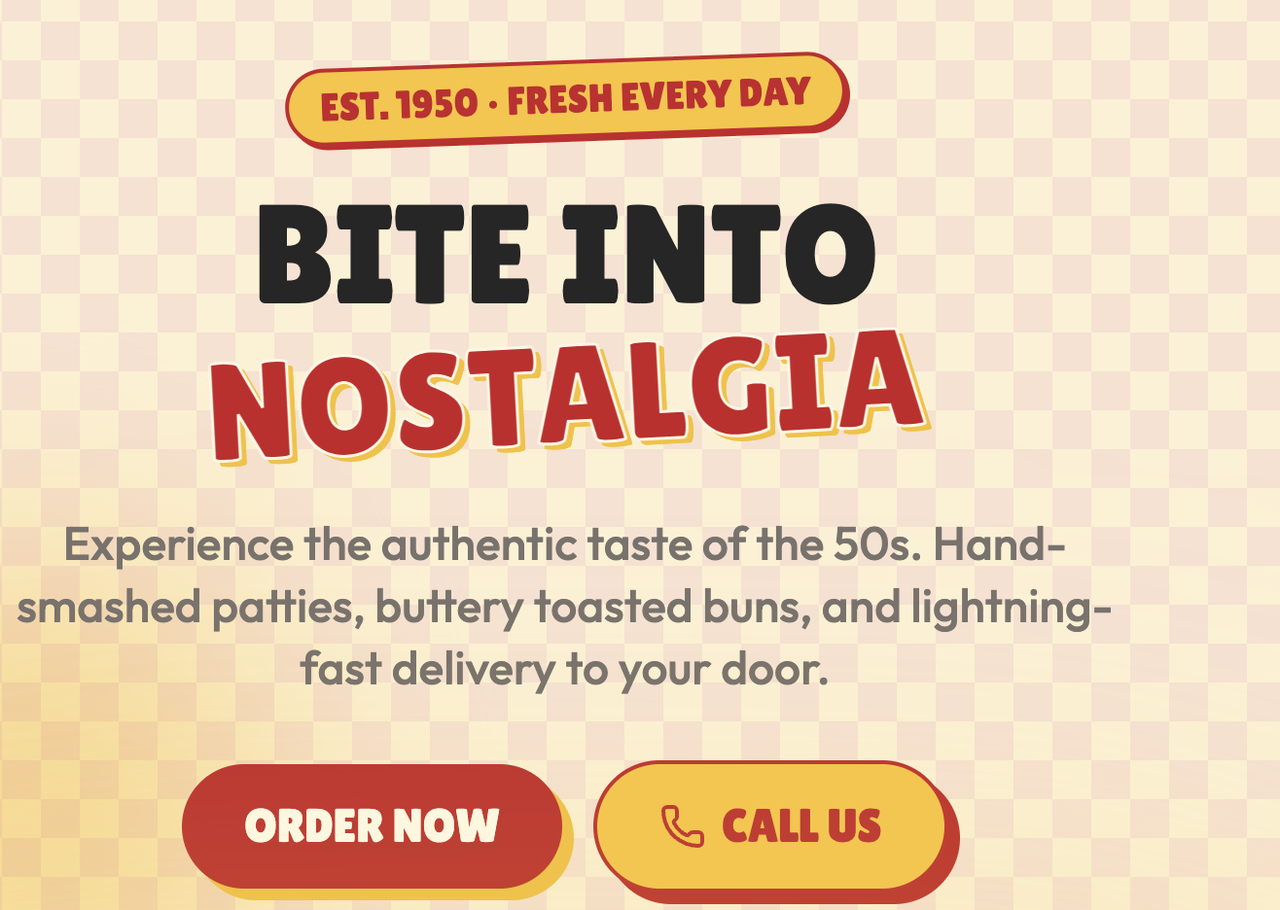
Image by Burivers
The Hybrid E-Commerce Strategy: Build the Front-End with Wegic
Looking at these magnificent ecommerce website examples, you might be eager to start selling. But here is the massive industry secret nobody tells you: perfecting a storefront theme on traditional ecommerce platforms is a nightmare.
While traditional backend platforms are fantastic for managing inventory and securely processing credit cards, their drag-and-drop frontend editors are notoriously clunky. Trying to manually design a promotional landing page often results in broken mobile layouts and hours of frustration.
Wegic introduces the ultimate hybrid strategy. Wegic acts as your continuous conversational AI design team to build your front-end product showcase. You create a breathtaking promotional landing page with Wegic in minutes, and simply link the "Buy Now" buttons to your secure checkout links.
Here is how smart dropshippers and brand owners are launching faster:
Phase 1: The Product Campaign Brief
Skip the confusing theme stores. Enter the Wegic interface and chat with Kimmy, your AI project manager. Describe your marketing campaign:
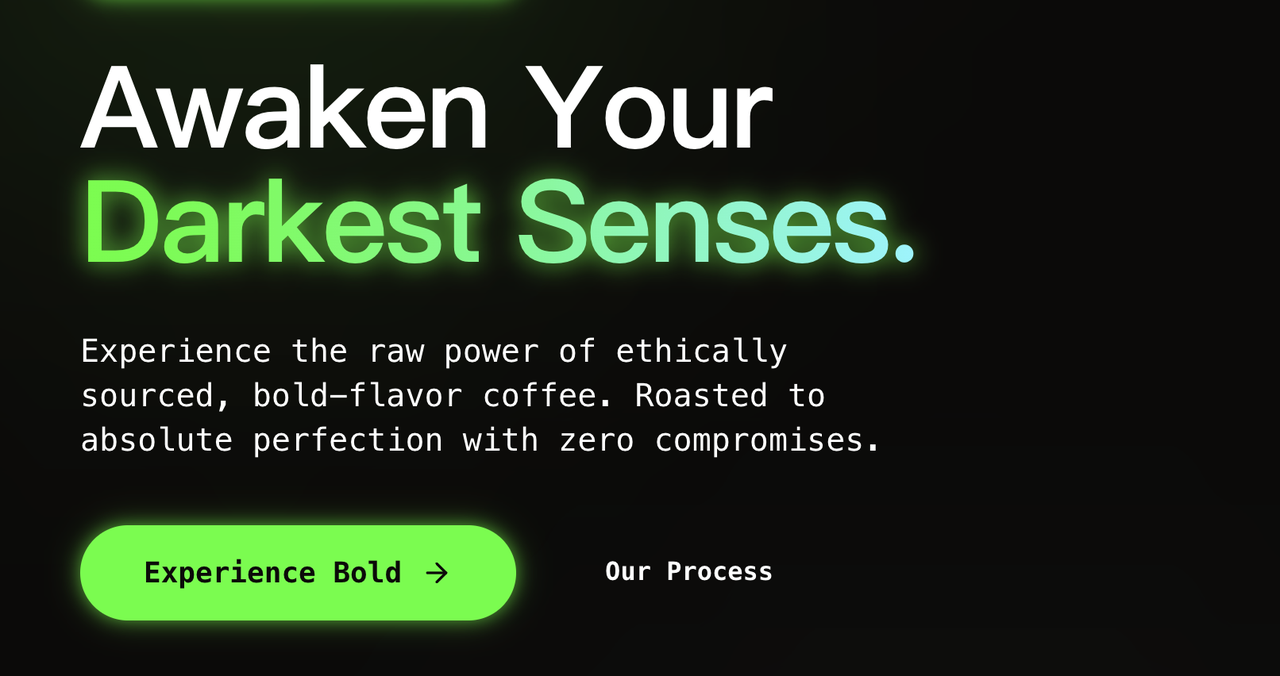
"I need a premium, minimalist product showcase website for my new organic coffee brand. Include a high-contrast hero image, a 3-column benefits section, and customer testimonials."
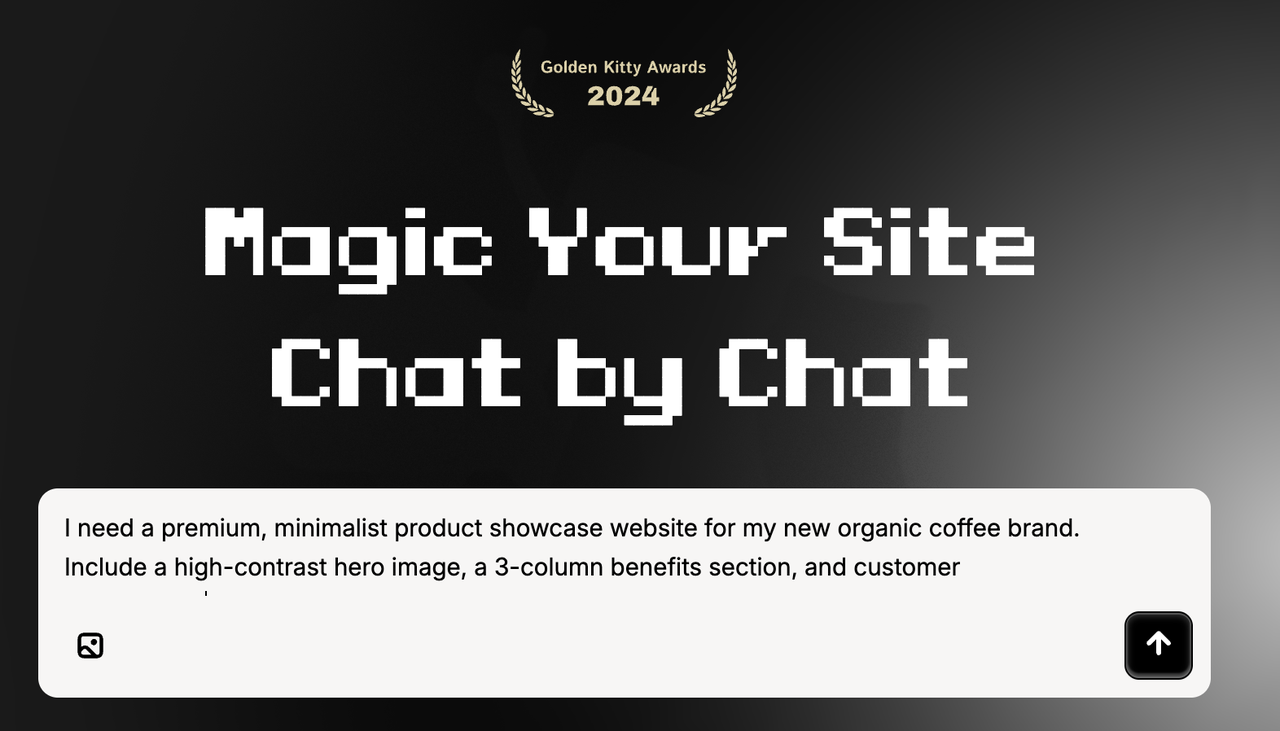
Phase 2: AI Assembly
In under 60 seconds, Wegic’s GPT-4o engine structures a fully functional, multi-page showcase prototype. The AI intrinsically understands modern ecommerce UX best practices, ensuring your Call-to-Action (CTA) buttons are highly visible and the layout is 100% mobile-responsive right out of the box.
Phase 3: Smart Edits
If you want to modify a section on a traditional e-commerce theme, you risk breaking the grid. In Wegic, you simply chat. Type:
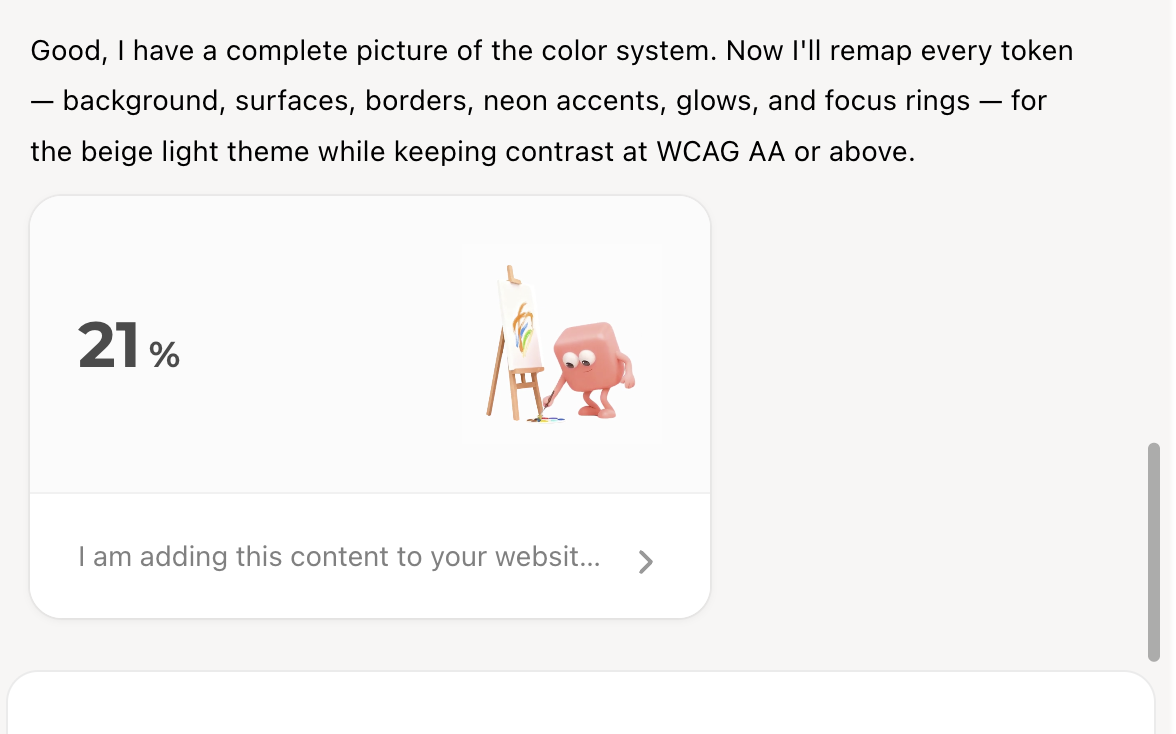
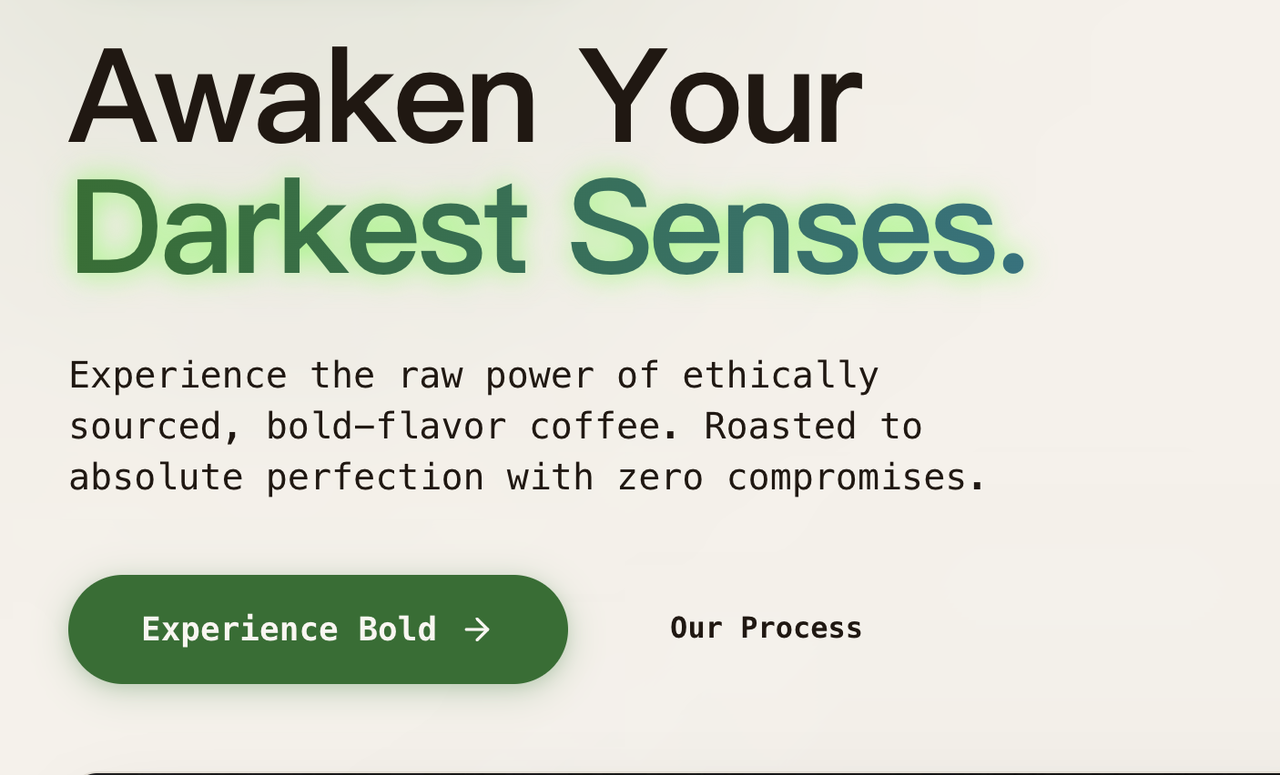
"Make the typography look more premium and change the background to a soft pastel beige."
Wegic provides options, explains its design reasoning, and applies the updates instantly.
Phase 4: Link Your Checkout
When your stunning showcase is ready, hit "Publish." Wegic handles the hosting immediately. Now, simply copy your direct checkout links from your payment provider and paste them into the "Buy Now" buttons on your Wegic site. You get the world-class, bespoke frontend design of Wegic, paired flawlessly with your secure backend logistics.
Conclusion
In the hyper-competitive world of online retail, your design is your most valuable salesperson. As we’ve learned from these incredible examples, maximizing sales requires eliminating user friction, building trust through visuals, and optimizing relentlessly for mobile shoppers.
You don't need to choose between a secure checkout and a beautiful, custom design. By leveraging an advanced AI website growth system like Wegic for your front-end marketing, you gain a virtual design team ready to execute promotional campaigns in minutes. Stop wrestling with complex theme editors. Experience Wegic’s conversational builder today and launch a product showcase that actually drives revenue.
FAQs
What are the key elements of the best ecommerce websites design?
The best ecommerce designs prioritize speed and clarity over flashy effects. They feature a clear value proposition above the fold, high-quality sensory product photography, highly visible "Add to Cart" buttons, and prominent social proof (like reviews or user-generated content) to build immediate trust.
Can Wegic replace my backend ecommerce platform?
No. Wegic is designed to create stunning front-end product showcase websites and promotional landing pages. It does not handle shopping carts, secure checkout, or real-time inventory management. The most successful hybrid strategy is to use Wegic to build high-converting marketing pages and link the "Buy" buttons directly to your secure checkout provider.
Why should I use simple ecommerce website examples for inspiration?
Simple ecommerce website examples often yield the highest conversion rates because they eliminate distractions. By focusing the visitor's attention purely on the product and a single checkout funnel, you reduce cognitive load and decision fatigue, leading to more impulse purchases.