McKinsey study showed that 70% of customers expect effective storytelling from companies. The secret lies in making your customer the hero of the story, not your brand. In this article, we'll walk you through 12 powerful StoryBrand website examples across different industries, show you exactly what makes them work, and reveal how you can build your own high-converting site using Wegic AI.
What Makes a StoryBrand Website Different
Before diving into examples, let's clarify what sets StoryBrand websites apart from typical business sites. Created by Donald Miller, the StoryBrand framework uses a seven-part structure borrowed from classic storytelling. Instead of talking about how great your company is, you position your customer as the hero facing a problem, and your brand becomes the trusted guide offering a clear plan to help them succeed.
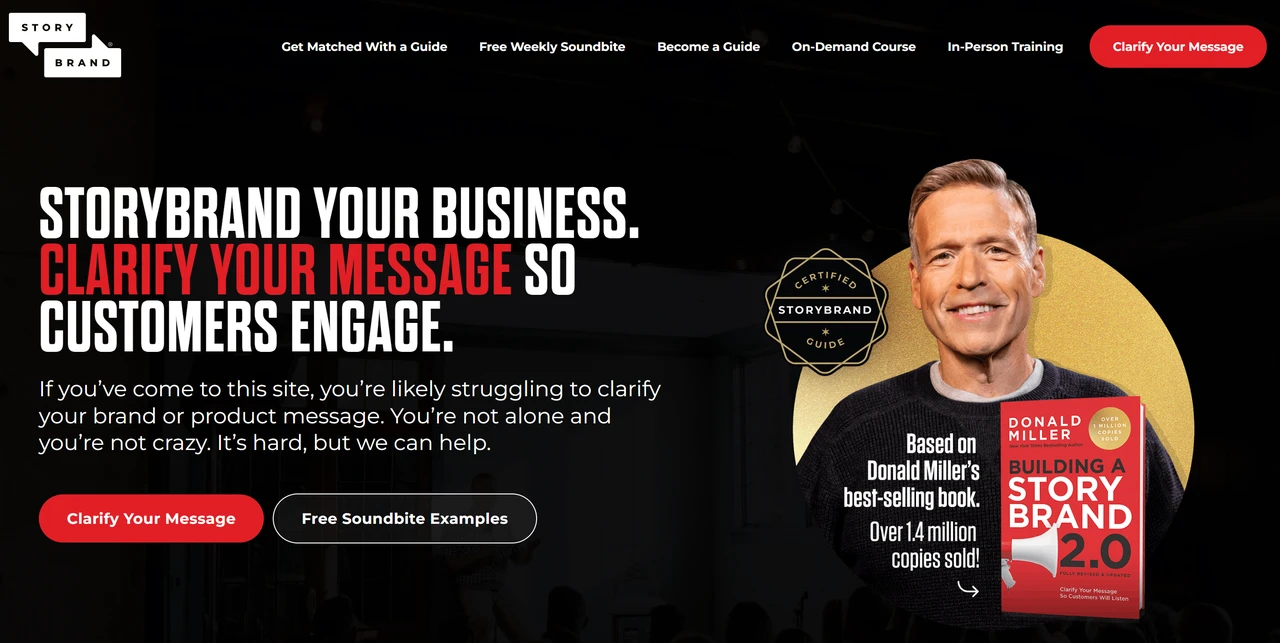
The framework flips traditional marketing on its head. Most websites fail because they focus on features, company history, and industry jargon. StoryBrand websites cut through the noise by answering three questions visitors ask within seconds of landing on your page:
- What do you offer?
- How will it make my life better?
- What do I need to do next?
When these questions get crystal-clear answers, confusion disappears, and conversions soar.
First, you identify a character (your customer) who wants something. Then you show the problem blocking them from getting it. You position your brand as the guide with empathy and authority. You present a simple plan, call them to action, help them avoid failure, and paint a picture of success. This structure has been proven to work across industries, from coaching to SaaS to e-commerce.
12 StoryBrand Website Examples Across Industries
Life Coaching Website with Clear Transformation Promise
Life coaches often struggle to communicate their value without sounding vague or overly abstract. The best StoryBrand coaching websites immediately identify the internal problem their clients face, feeling stuck, overwhelmed, or unfulfilled, and present coaching as the path to a breakthrough. One standout example positions the visitor as someone who wants to unlock everything they want in life but still wakes up dreading the day. The hero statement promises a specific outcome: "Evolving emotionally."
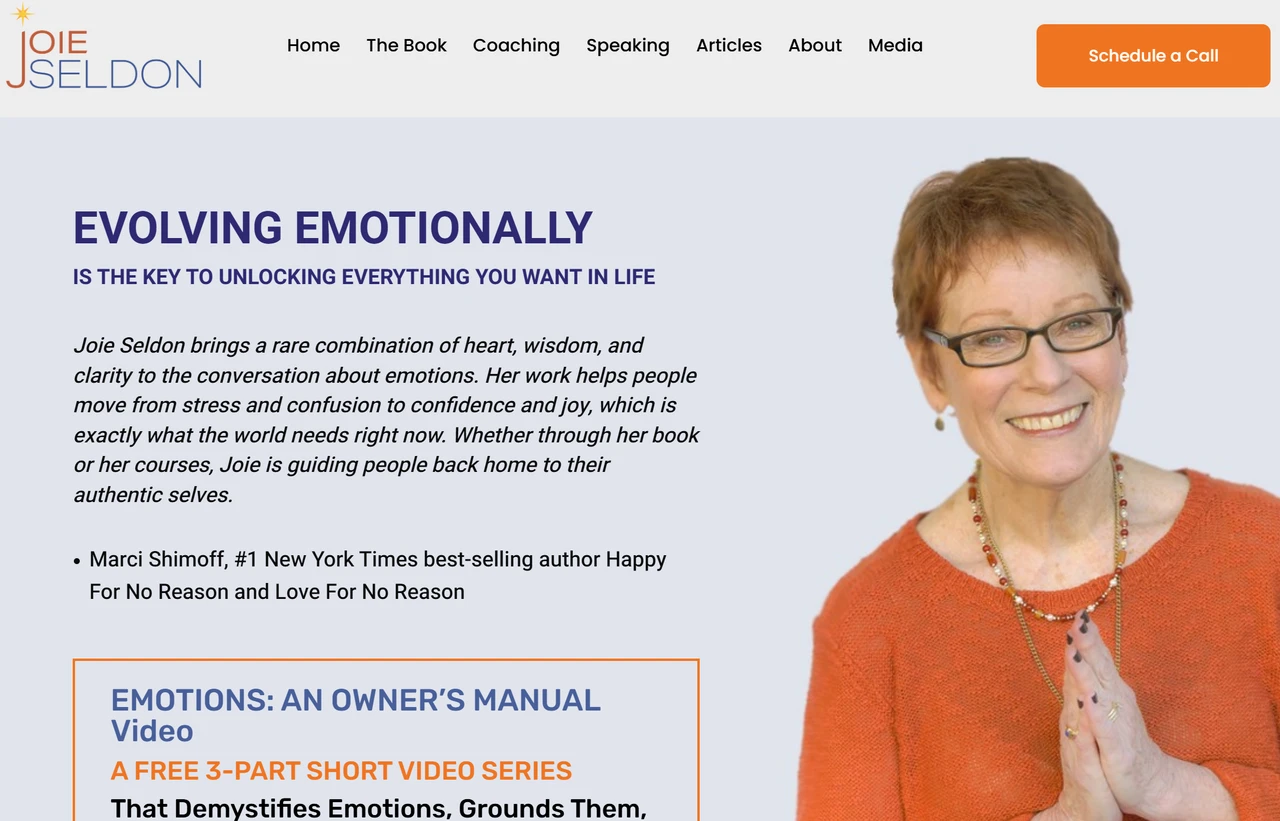
What makes this work is specificity. Instead of generic promises about "cure your frustration," the site speaks directly to the emotional pain point.
Business Consulting Site That Speaks to Executive Pain Points
Business consultants face a unique challenge: their ideal clients are busy executives who won't read long explanations. Effective StoryBrand consulting websites get straight to the problem: growth has stalled, teams are misaligned, or strategic clarity is missing. One excellent example opens with a question that immediately resonates with CEOs: "Leadership is better with a coach" This six-word hero statement captures exactly what leaders want.
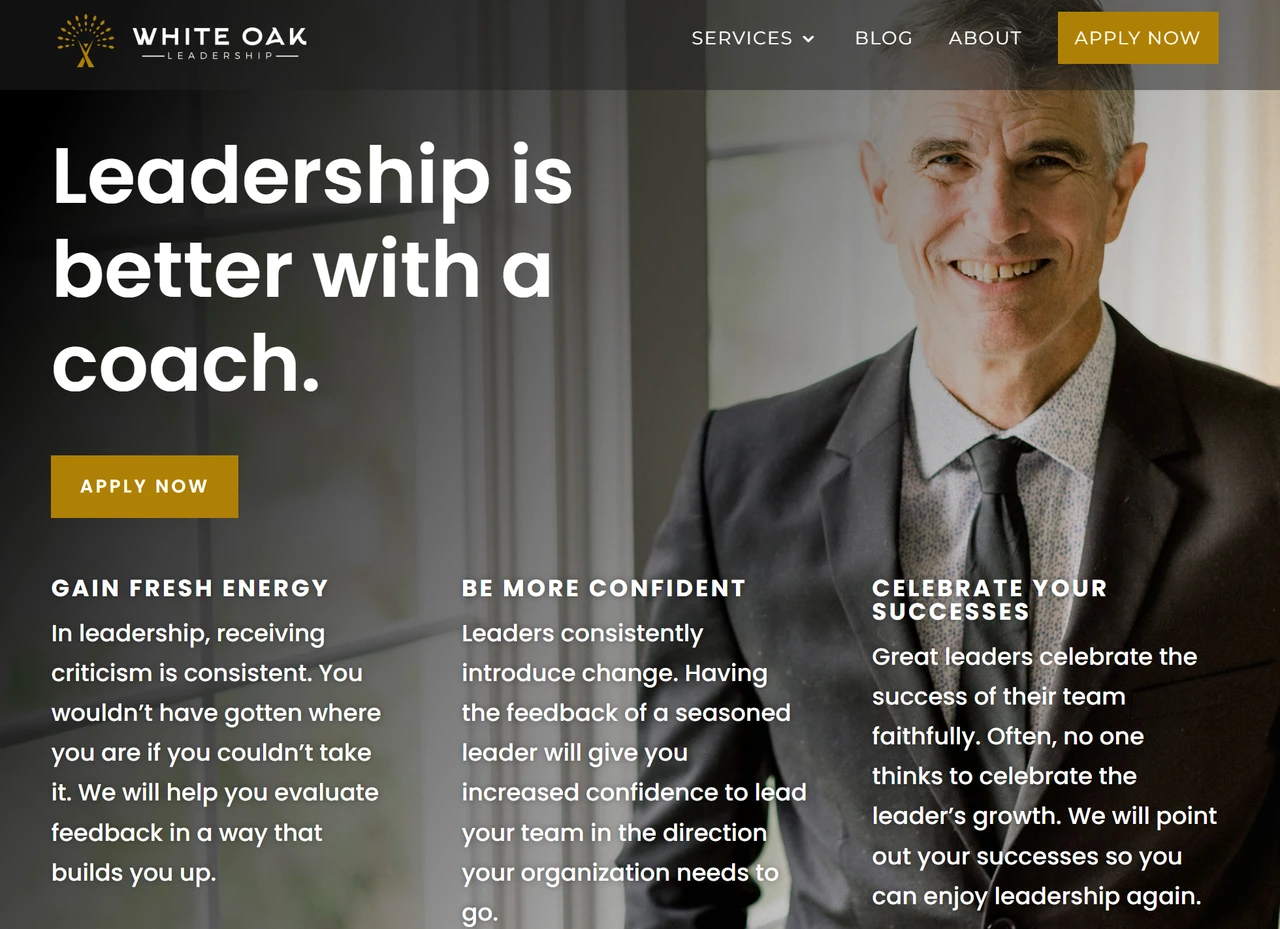
Rather than talking about synergistic frameworks or holistic approaches, it shows concrete results that previous clients achieved.
Music Site with Emotional Resonance
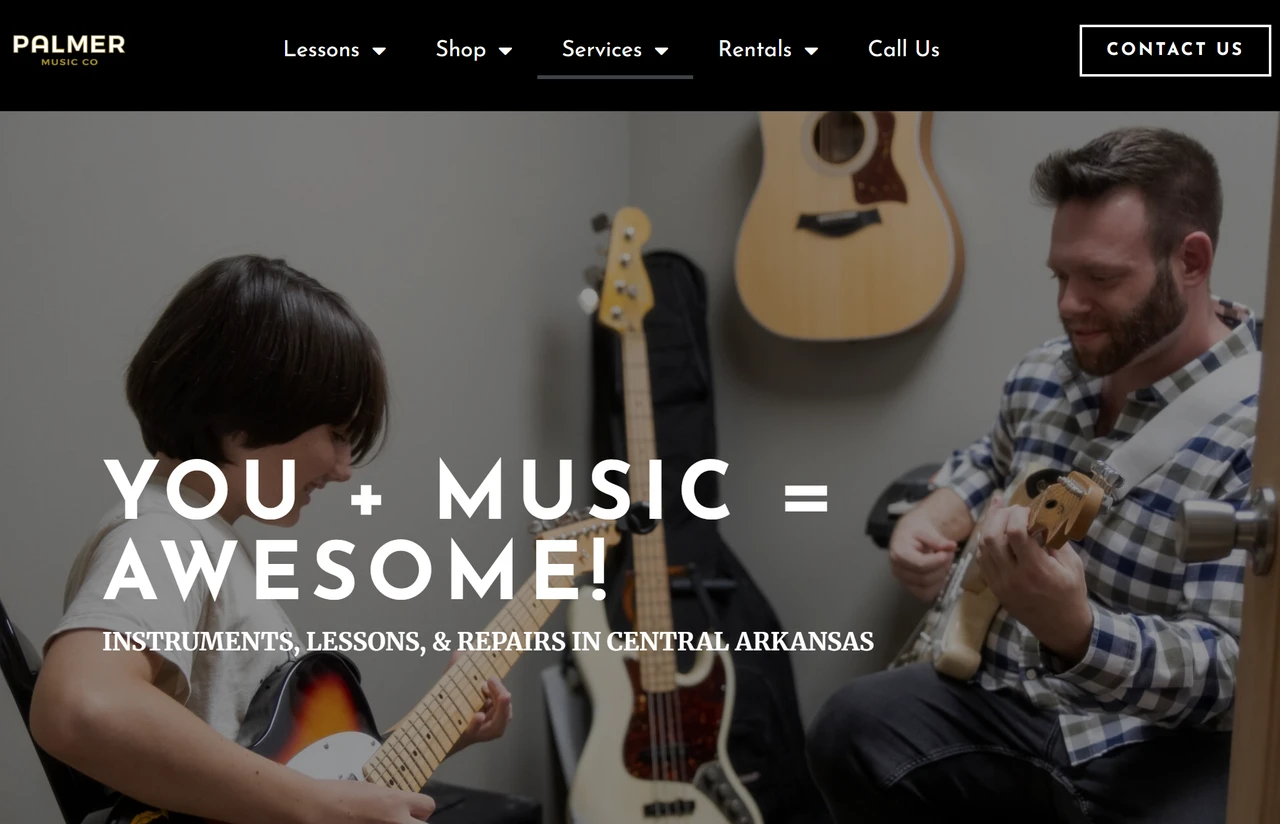
Music vendors sell memories and emotions, not just services. The best StoryBrand websites tap into what music lovers truly want: a timeless keepsake that captures the magic of rhyme. One standout site uses the hero statement: "YOU + MUSIC = AWESOME!" This wraps the entire value proposition into one elegant formula that speaks to the client's deepest desire.
IT Services Firm with Clarity Over Jargon
IT service providers often drown their websites in technical terminology that confuses rather than converts. Strong StoryBrand IT websites translate complex services into clear business benefits. Instead of talking about network infrastructure optimisation, it addresses free cybersecurity risk assessment that appeals to business owners.
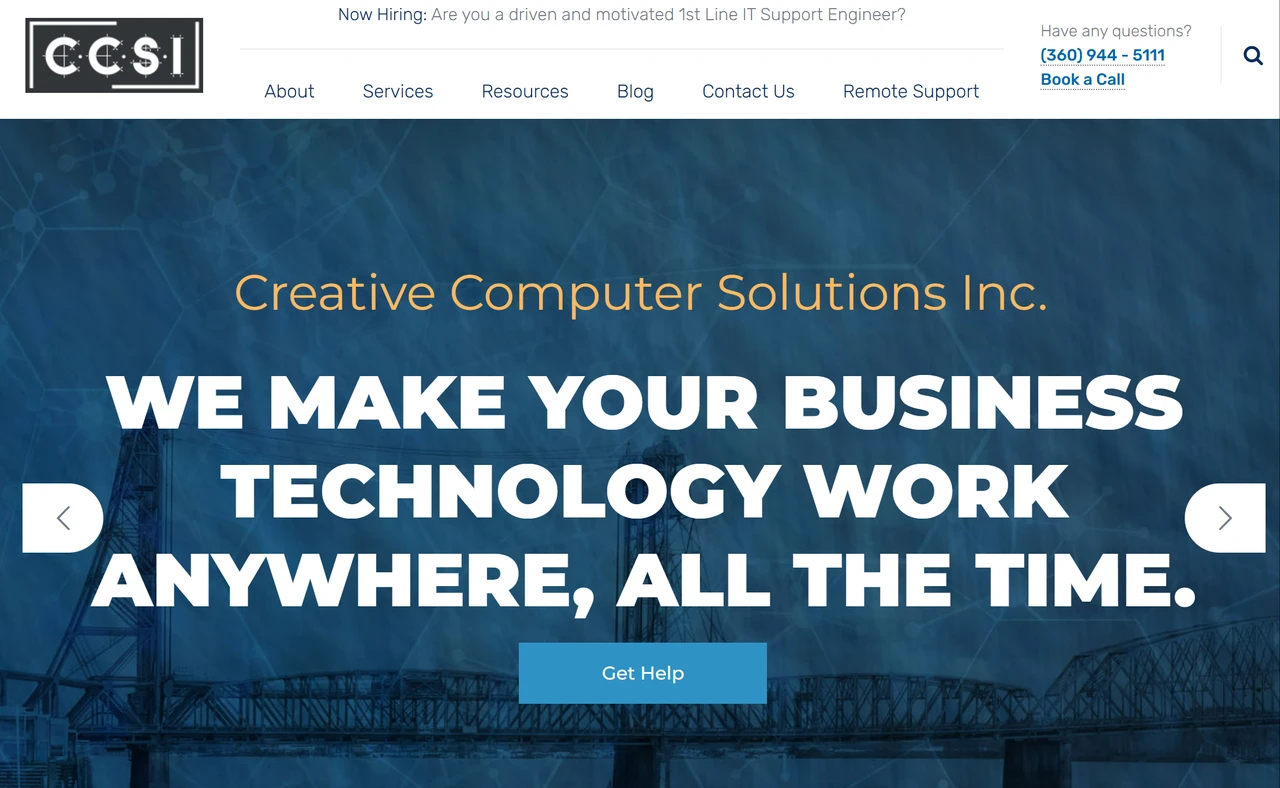
The solution section breaks down a potentially overwhelming service into three simple parts: data recovery and backup, managed services, and network security. Three words summarise its services: Recover. Run. Protect.
Financial Planning Website That Builds Trust
Financial advisors must overcome significant trust barriers: people are protective of their money and sceptical of sales pitches. Successful StoryBrand financial websites lead with empathy and demonstrate authority through credentials and transparent processes. The hero is someone who wants financial security but feels confused by conflicting advice and worried about making costly mistakes.
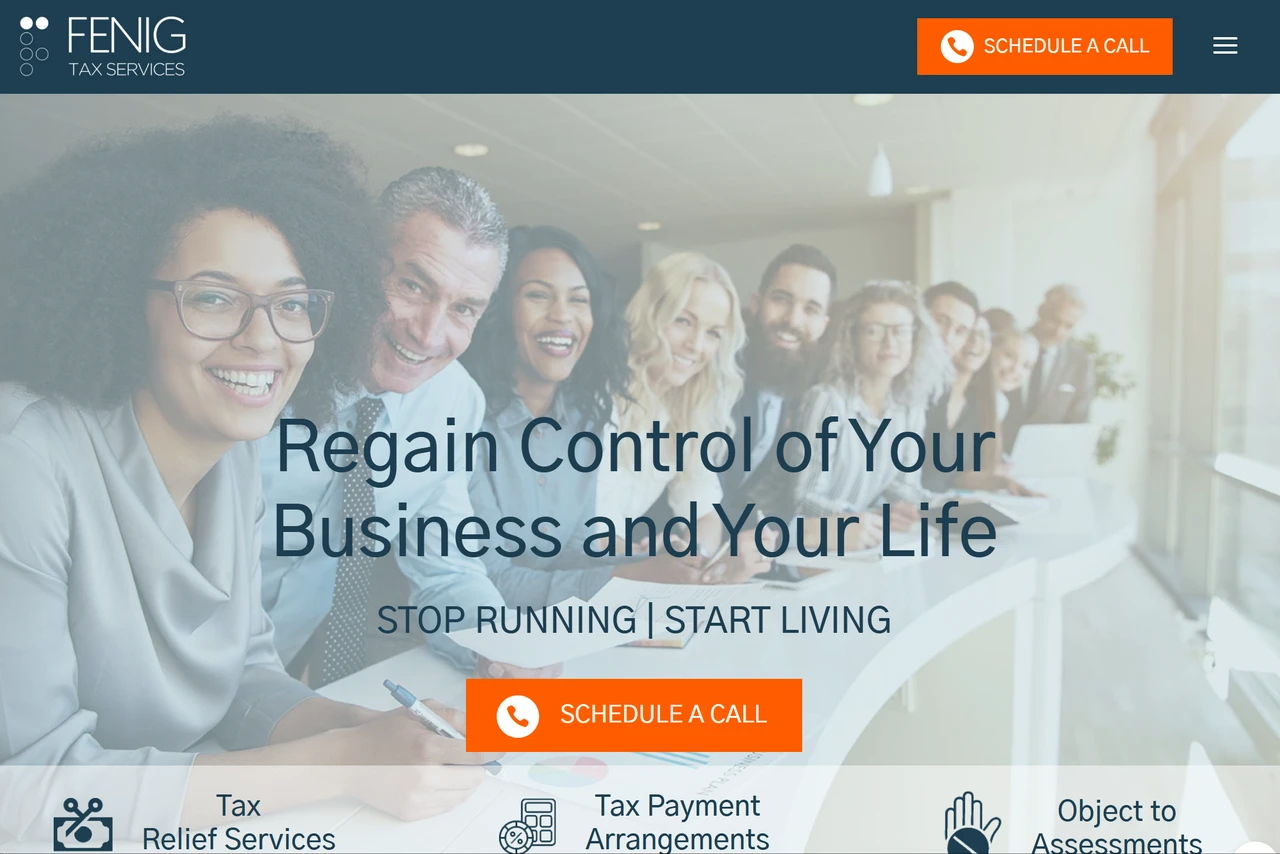
The problem section acknowledges both the external challenge (navigating complex financial decisions) and the internal fear (anxiety about the future, embarrassment about past money mistakes).
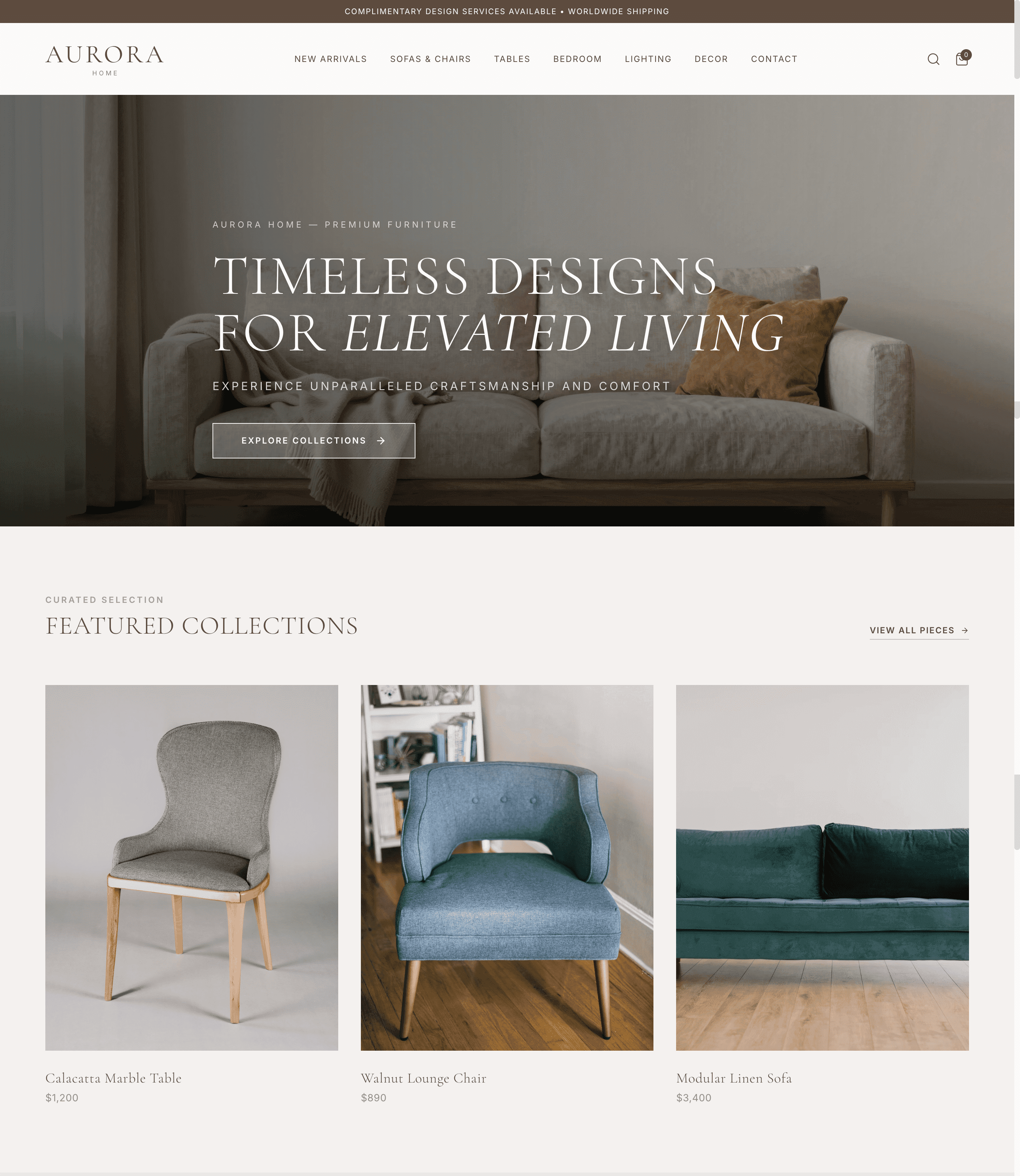
E-commerce Store with Story-Driven Product Pages
E-commerce sites can apply StoryBrand principles beyond the homepage. Product pages that tell stories convert better than those that simply list features.
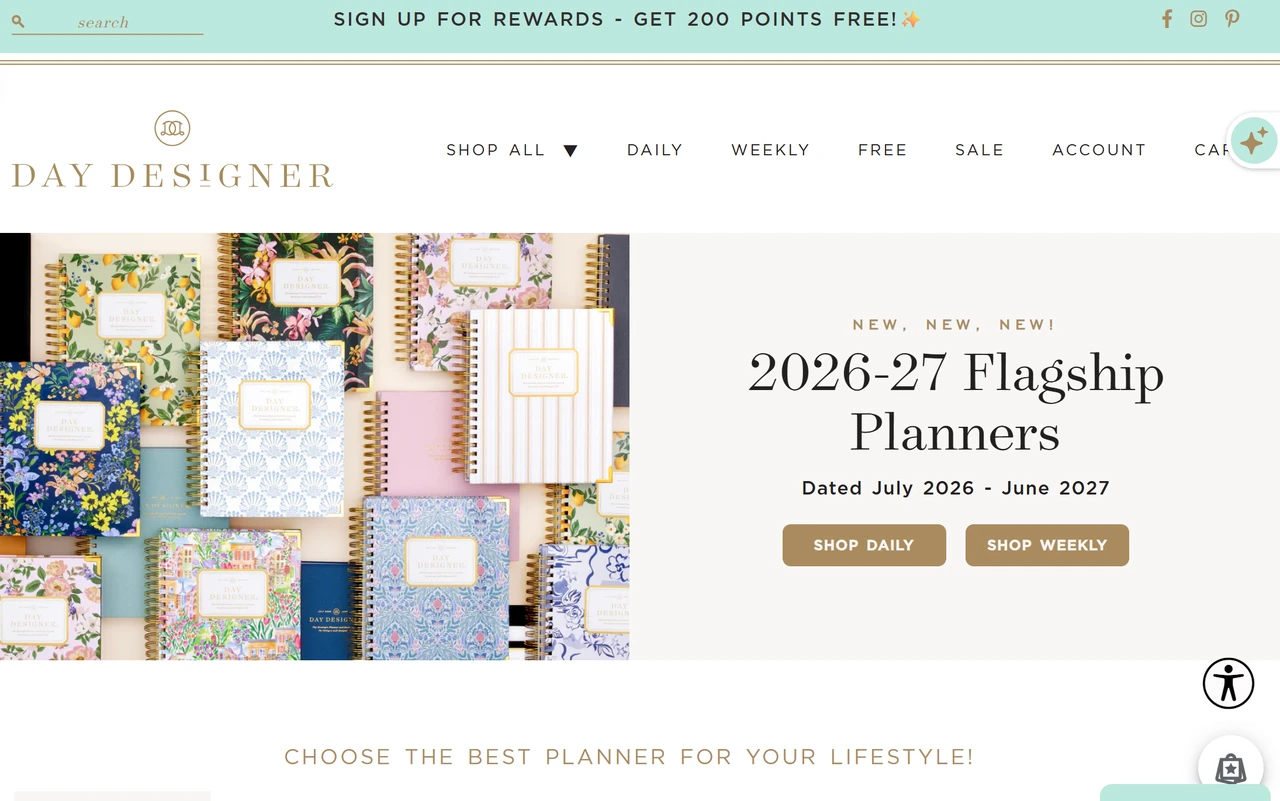
The product description then becomes the plan: explaining how this specific item solves the problem through sustainable materials, ethical manufacturing, and timeless design. Customer reviews function as success stories, showing real people who made the purchase and achieved the desired outcome. The call-to-action is clear and urgent: "SHOP NOW".
SaaS Platform with Clear Value Proposition
Software companies often make the mistake of leading with features rather than outcomes. Strong StoryBrand SaaS websites immediately clarify what the software helps you accomplish. The heroes are church families wanting to supercharge their growth and build deeper relationships with members. The villain is wasted time, complicated processes, or a lack of visibility into important metrics.
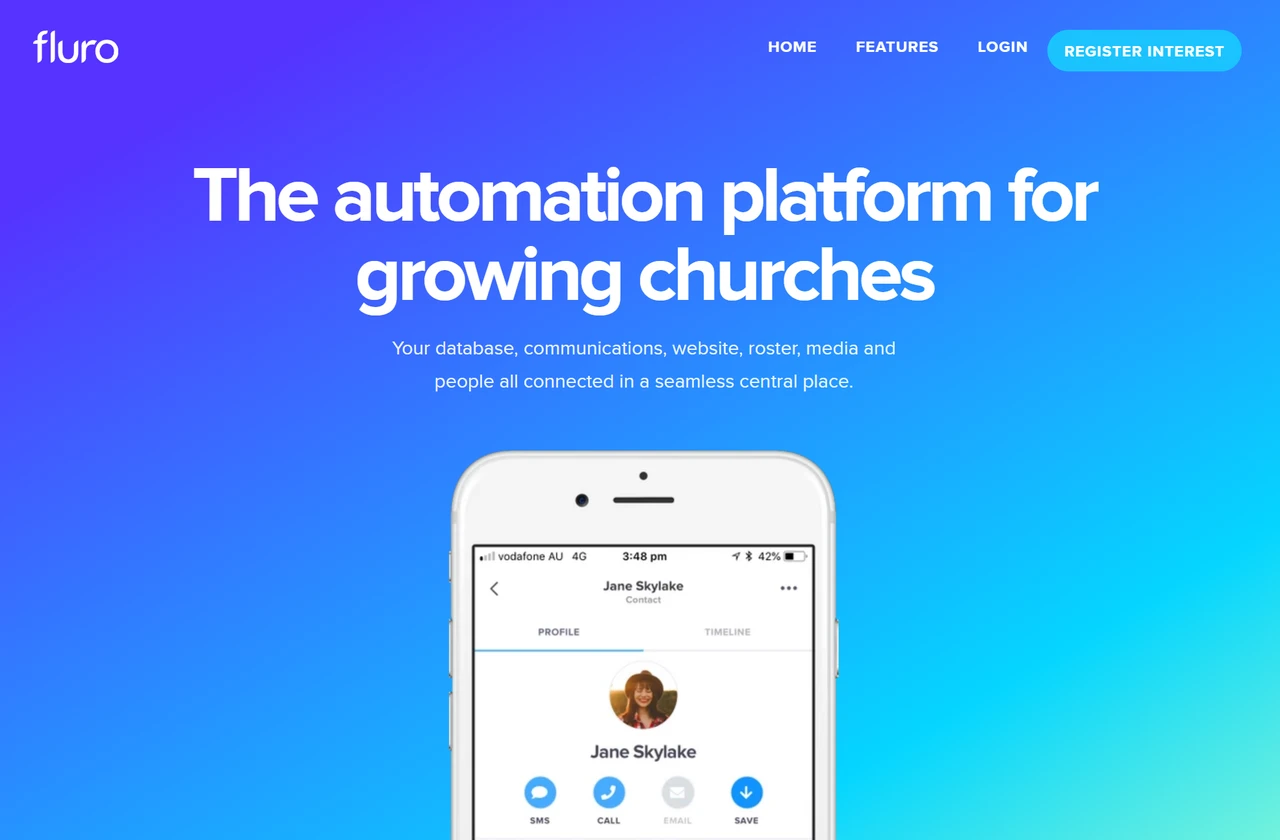
One excellent SaaS example opens with a hero statement that captures the core desire in simple terms. The plan typically involves a feature explanation, making it easy to experience the solution firsthand.
Real Estate Agent Site That Highlights Local Expertise
Real estate agents compete in crowded markets where many sites look identical. StoryBrand real estate websites differentiate by positioning the agent as a guide with deep local knowledge and proven negotiation skills. The hero is someone who wants to improve their space but can't find a contractor they can trust and worries about making a costly mistake.

The navigation bar shows what services NW Homes offers: the whole process of interior and exterior materials and designs. They even own podcasts for clients who can listen to their visions and solutions when driving their cars.
Nonprofit Website That Inspires Action
Nonprofits need to inspire both emotional connection and concrete action. StoryBrand nonprofit websites position the donor or volunteer as the hero who can make a difference. The organisation becomes the guide that channels their desire to help into effective impact. The villain is the social problem the nonprofit addresses: poverty, violence, lack of education, or whatever the mission targets.
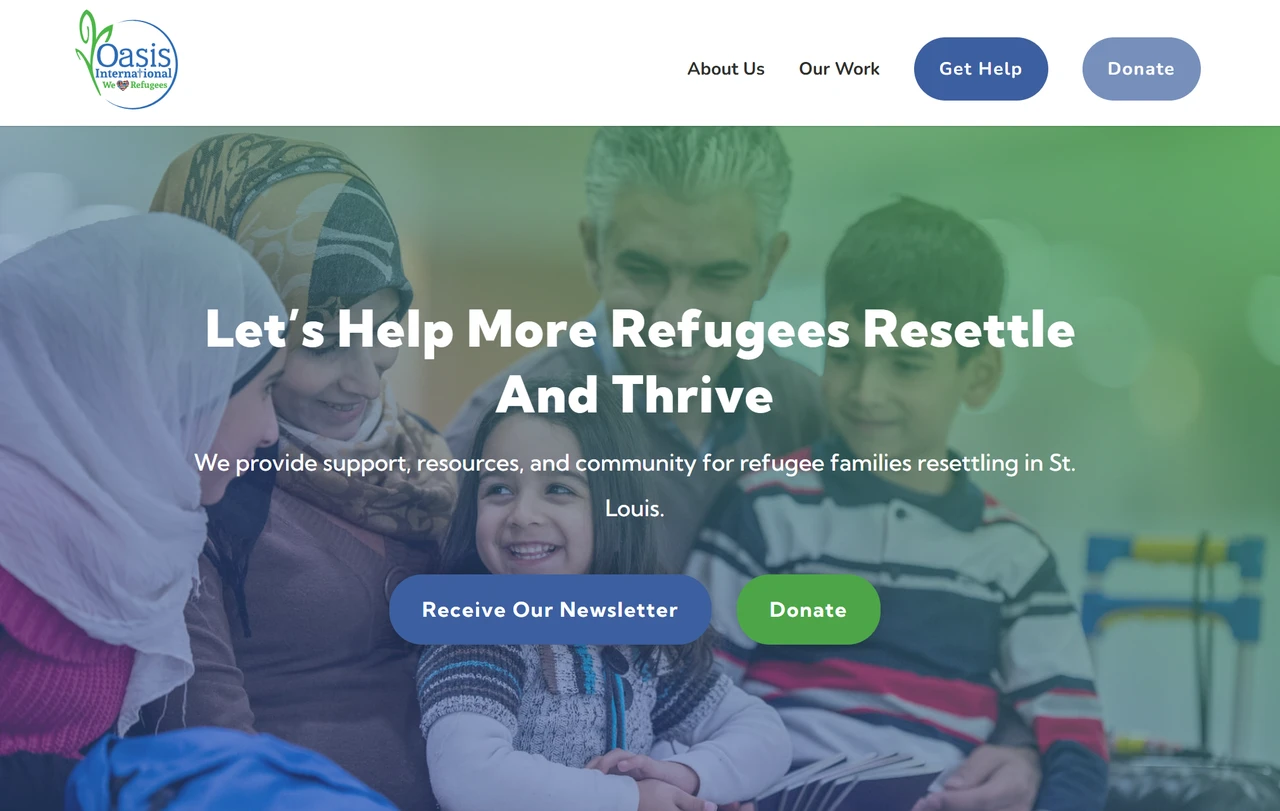
Rather than abstract statistics, they tell individual stories that help visitors connect emotionally. The plan shows exactly how donations or volunteer time translate into impact. The success section paints a picture of the transformed community or environment, while the failure section reminds visitors what's at stake if people don't act.
Professional Services Firm with Thought Leadership
Law firms, marketing practices, and other professional services need to demonstrate expertise while remaining approachable. StoryBrand professional services websites balance authority with empathy. The guide section establishes credentials through case results, professional recognition, and years of experience, but also emphasises the firm's commitment to clear communication and client support.
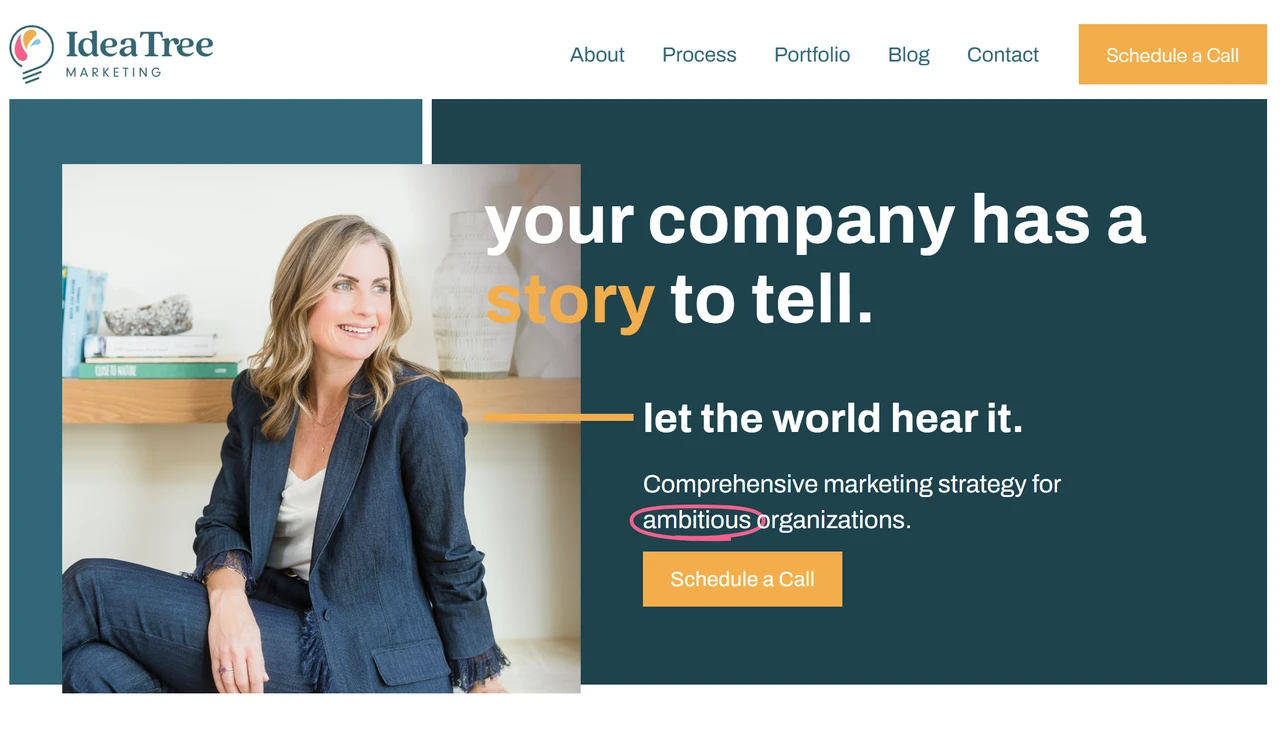
The plan demystifies the process, breaking it into understandable phases with clear expectations for each stage. This transparency reduces anxiety and builds trust.
Creative Artist Portfolio with Client-Centric Focus
Design and campaign marketing agencies often make their portfolios about showcasing their creative work rather than solving client problems. StoryBrand agency websites narrate artists' thoughts about their works.
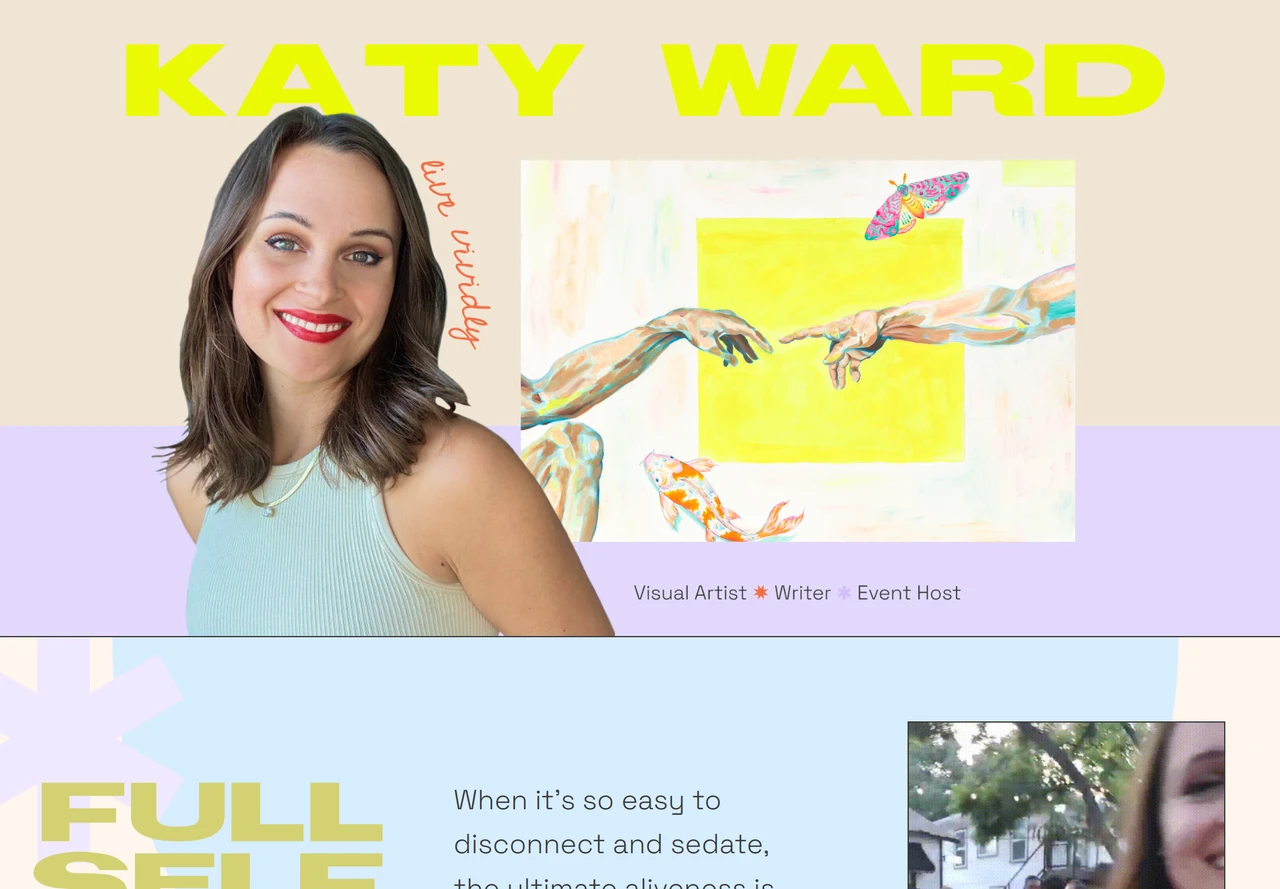
The portfolio section reframes each case study as a client success story. Rather than just showing beautiful designs, it shouts out artists' playful and peaceful route to expressing their real selves.
Health and Wellness Brand with Transformation Focus
Health and wellness brands sell transformation, not just products or services. StoryBrand wellness websites position the visitor as someone who wants to feel better, have more energy, or achieve specific health goals. The villain is whatever stands in the way: chronic pain, low energy, stress, poor nutrition, or lack of fitness.
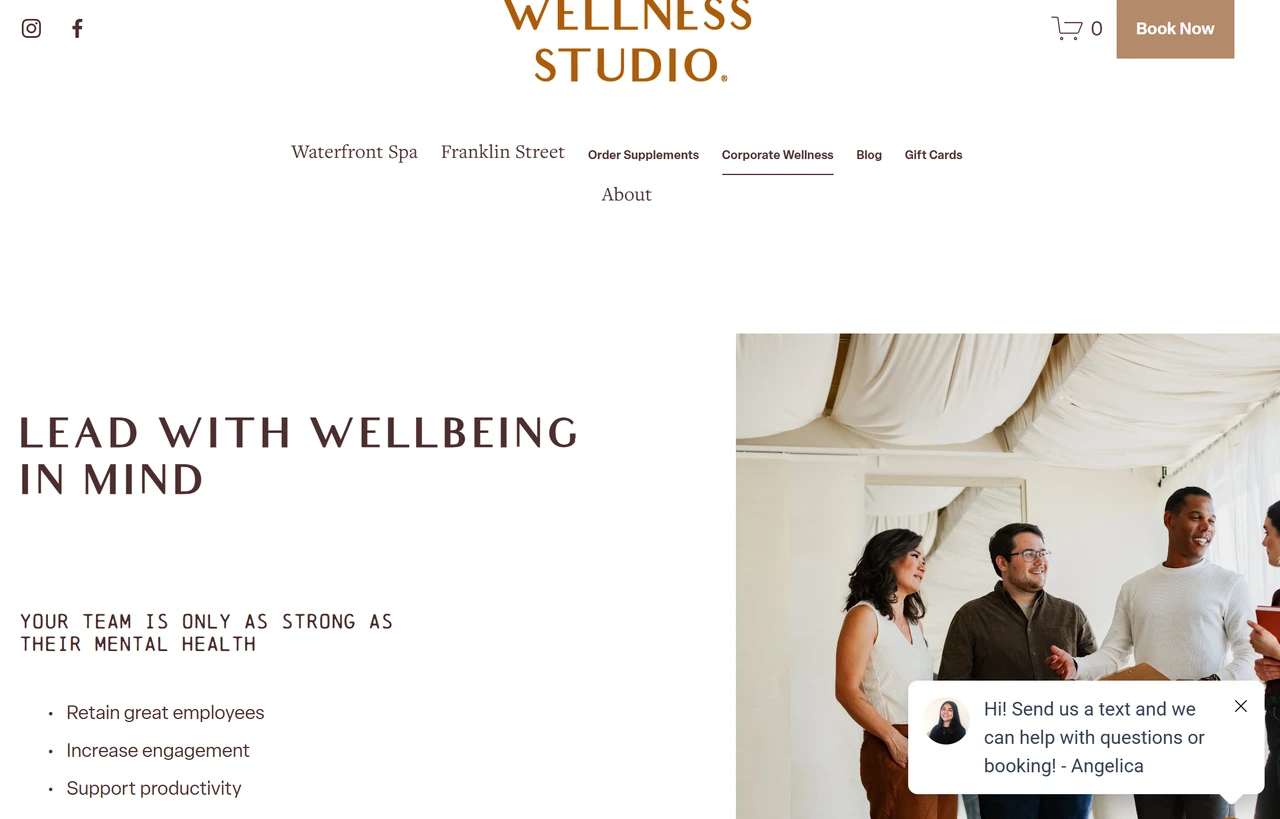
The problem section validates the visitor's struggles and frustrations with previous attempts to improve their health. The internal problem addresses feelings of defeat, self-doubt, or hopelessness that often accompany health challenges. The philosophical problem might be the belief that everyone deserves to feel vibrant and healthy. The guide section establishes credibility through certifications, client transformations, and scientific backing for the approach.
How to Build Your Own StoryBrand Website with Wegic
Now that you've seen what makes StoryBrand websites effective, you might be wondering how to create one for your own business. Traditional approaches involve hiring a StoryBrand-certified guide, working with a web designer, and investing significant time and money. But there's a faster, more accessible way to bring these principles to life: using an AI-powered website builder like Wegic.
Wegic functions as your AI website team, combining designer, developer, and manager in one conversational interface.
Step 1: Prepare Your StoryBrand Framework Elements
Before opening Wegic, clarify your seven StoryBrand elements. Identify your customer (the hero), their desire, the problem they face (external, internal, and philosophical), how you guide them, your simple plan, the call-to-action, and what success and failure look like. Write these out in clear, conversational language. This preparation ensures you can communicate your vision effectively to the AI.
Step 2: Start a Conversation with Wegic AI
Open Wegic and describe your website vision in natural language. You can say this:
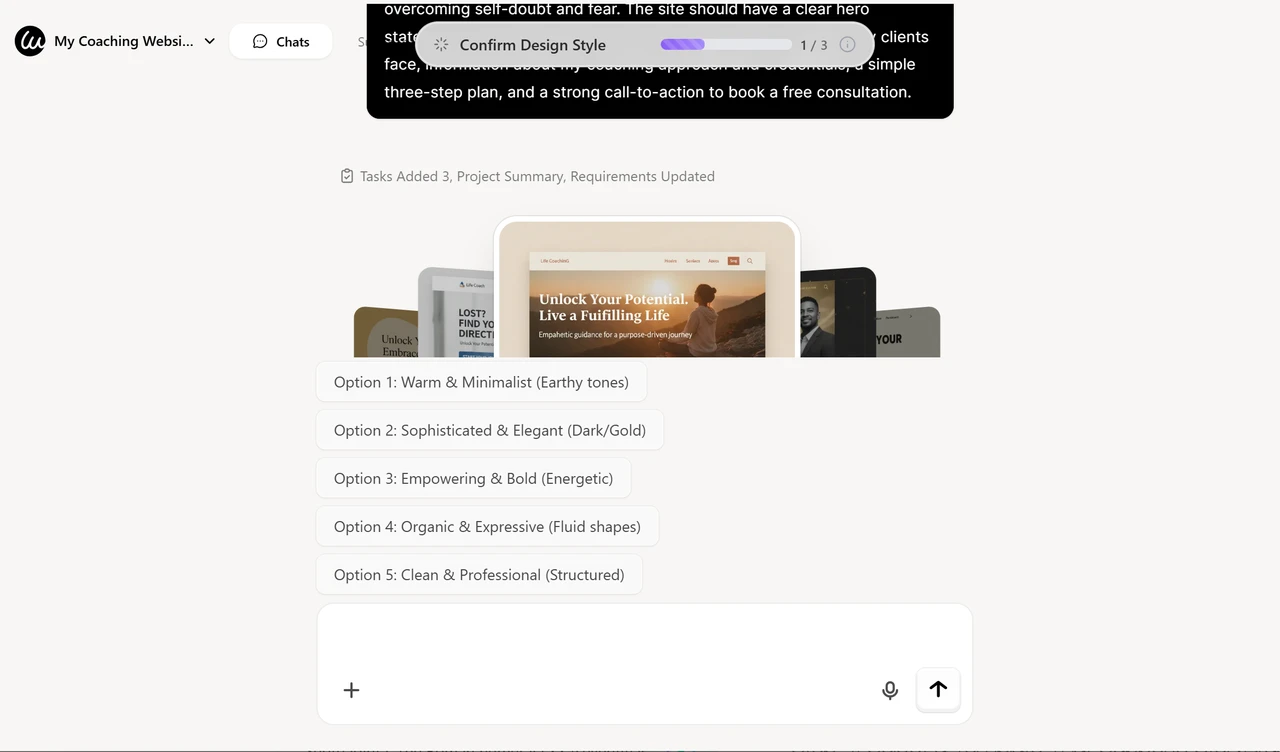
"I need a life coaching website that positions my clients as heroes overcoming self-doubt and fear. The site should have a clear hero statement on the homepage, a section explaining the problems my clients face, information about my coaching approach and credentials, a simple three-step plan, and a strong call-to-action to book a free consultation.
Wegic AI will immediately generate 5 options for coaching website design for you to pick.
Step 3: Provide Your StoryBrand Messaging
Once you make up your mind, Wegic generates the initial website structure, you can refine the copy by providing your specific StoryBrand messaging.
You can tell Wegic:
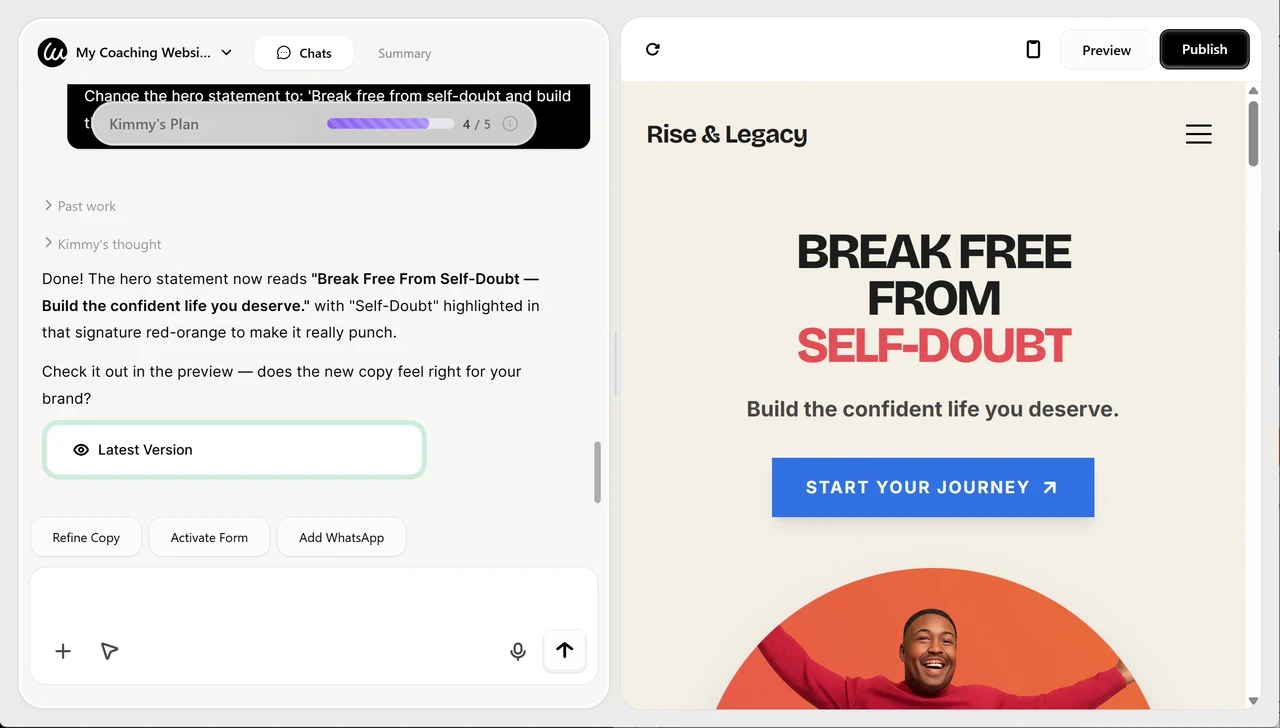
"Change the hero statement to: 'Break free from self-doubt and build the confident life you deserve.'"
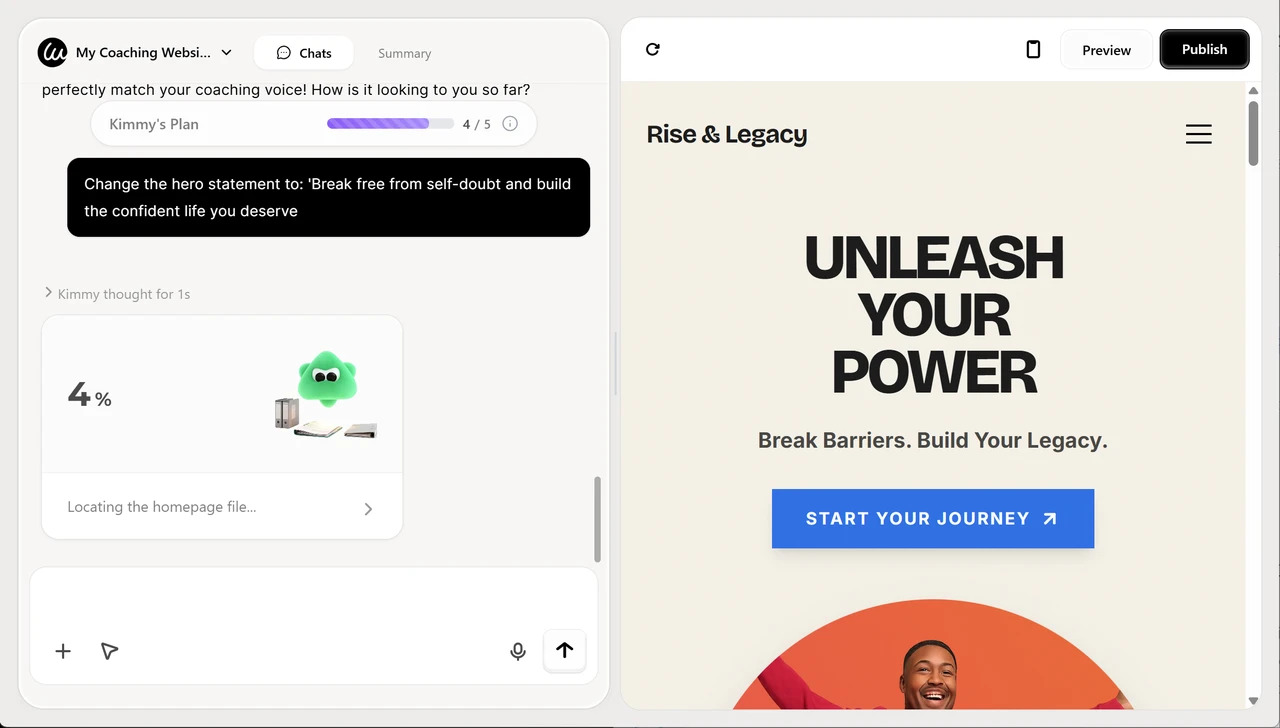
The AI will update the site in real-time, allowing you to see how your messaging looks in context.
Step 4: Customise Visual Elements to Match Your Brand
Once the structure and copy are in place, refine the visual design. Tell Wegic about your brand colours, preferred imagery style, and any specific design preferences. For example:
"Use calming blue tones, include authentic photos of real people rather than stock images, and make the call-to-action buttons prominent with contrasting colours."
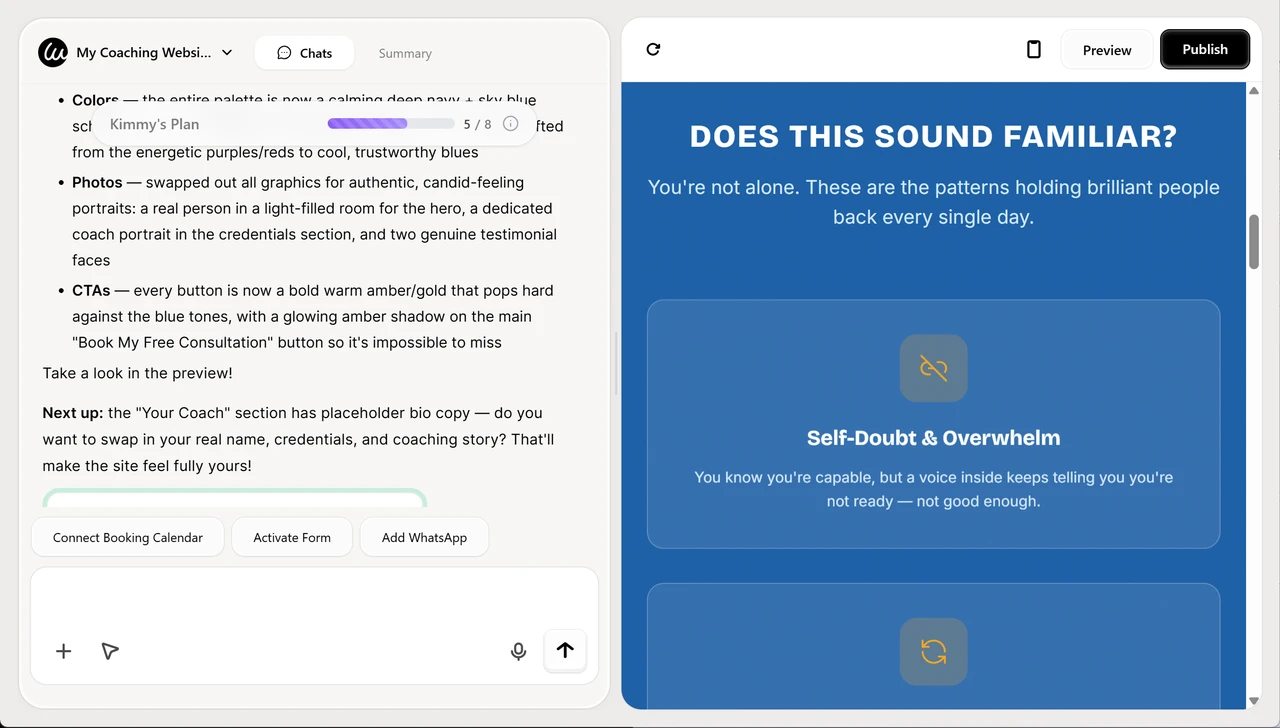
Wegic will adjust the design accordingly.
Step 5: Add Social Proof and Authority Markers
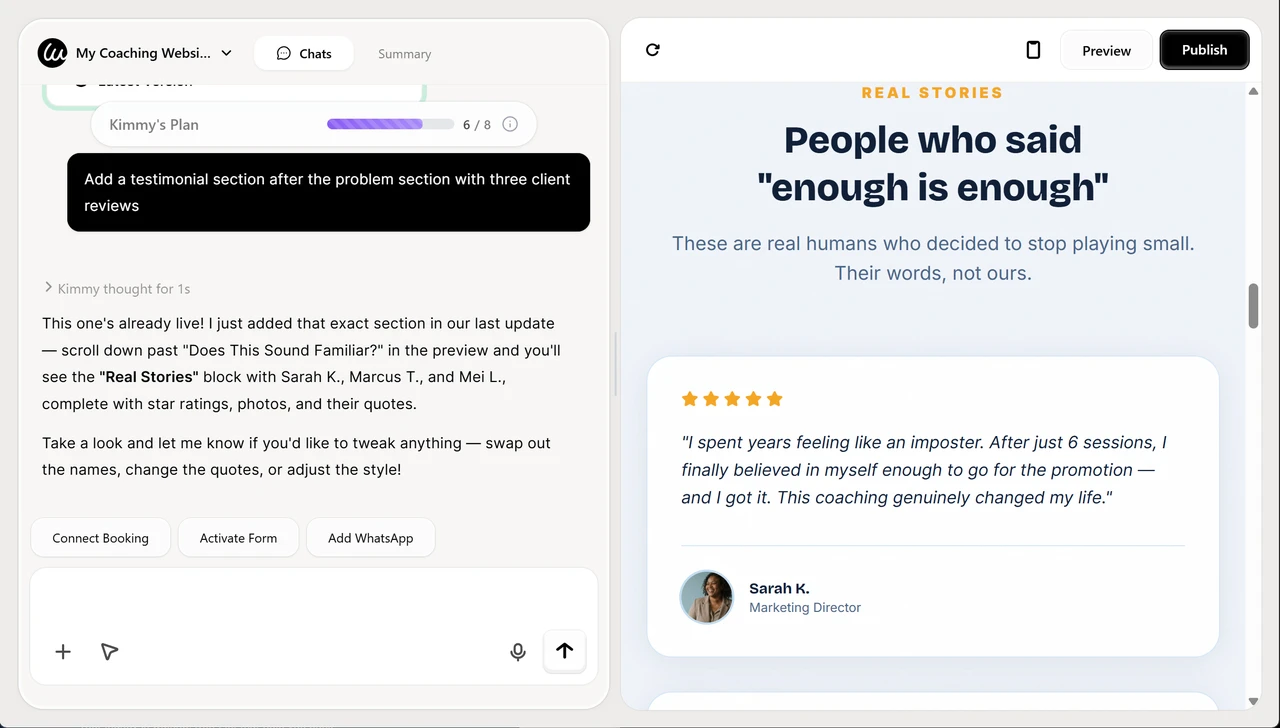
StoryBrand websites need credibility elements in the guide section. Upload client testimonials, certifications, case study results, or media mentions. Tell Wegic where to place these elements:
"Add a testimonial section after the problem section with three client reviews".
Step 6: Optimise Calls-to-Action Throughout the Site
Strong StoryBrand websites include multiple clear calls-to-action. Work with Wegic to place CTAs strategically:
"Add a 'Schedule Free Consultation' button in the hero section, another after the plan section, and a final one before the footer."
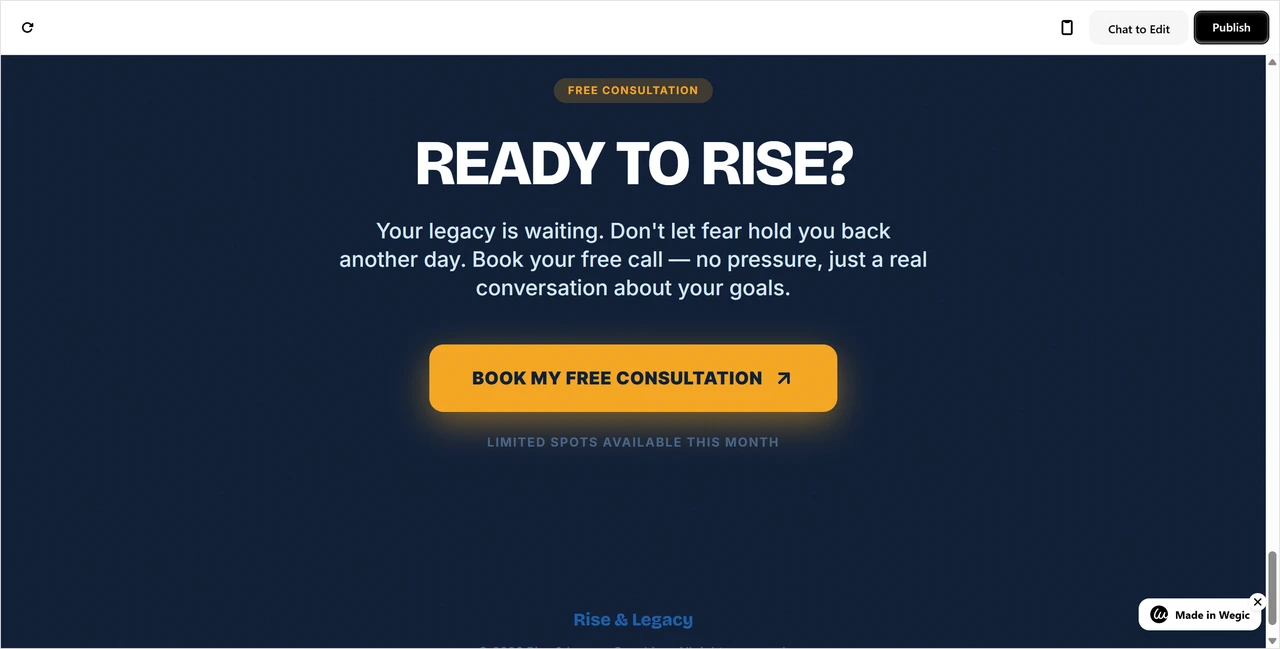
Make sure each CTA uses direct, action-oriented language that aligns with your plan.
Step 7: Review and Refine with Wegic's AI Assistance
Once the initial site is complete, review it against the StoryBrand checklist.
- Does it immediately clarify what you offer?
- Does it make the customer the hero?
- Is the problem clearly stated?
- Does it position you as a credible guide?
- Is there a simple plan?
- Are the calls-to-action clear?
- Does it show success and failure stakes?
Ask Wegic to make any adjustments needed to strengthen these elements.
Step 9: Publish and Test Your StoryBrand Website
Wegic allows one-click publishing, making your site live instantly. After launching, monitor visitor behaviour and conversion rates. Use insights to refine your messaging. You can return to Wegic anytime to make updates: changing hero statements, adjusting problem descriptions, or testing different calls-to-action. All through a simple conversation with AI.
Tips for Maximising Your StoryBrand Website Performance
Building a StoryBrand website is just the beginning. To maximise its effectiveness, apply these advanced strategies that separate good sites from great ones.
Lead with Outcome, Not Process
Many businesses make the mistake of immediately explaining how they work rather than what they help customers achieve. Your hero statement and opening section should focus entirely on the transformation or result. Save the process details for later on the page. Visitors need to know "what's in it for me" before they care about your methodology.
Use Specific Language Over Generic Claims
Replace vague promises with concrete specifics. Instead of "improve your business," say "increase qualified leads by 40%." Instead of "feel better," say "wake up with energy and end your day without exhaustion." Specific language creates vivid mental pictures and feels more credible than generic marketing speak.
Make Your Problem Section Comprehensive
Don't just address the external problem. The internal and philosophical problems create emotional resonance that drives action. A financial advisor shouldn't only talk about retirement planning (external) but also address the anxiety and shame people feel about their financial situation (internal) and the belief that everyone deserves financial security (philosophical). This three-level approach connects on a deeper level.
Show, Don't Just Tell, Your Authority
Rather than listing credentials, demonstrate expertise through valuable content. Include a blog with helpful articles, create a resource library, or offer a free tool or assessment. These elements prove you're a knowledgeable guide while also providing immediate value that builds trust and goodwill.
Create Friction-Free Calls-to-Action
Remove any barriers between the visitor and taking action. If your CTA is "schedule a call," integrate a calendar booking tool directly on the page rather than requiring email back-and-forth. If you're offering a download, don't ask for excessive information—name and email should suffice. The easier you make it to say yes, the more conversions you'll see.
Test Different Hero Statements
Your hero statement is the most important copy on your site. Test variations to see which resonates most strongly with your audience. Try different angles, some emphasising the desire, others highlighting the problem, and others focusing on the transformation. Use analytics to see which version keeps visitors engaged longer and generates more conversions.
Align Your Entire Site with StoryBrand Principles
Don't just apply StoryBrand to your homepage. Every page should follow the framework—service pages, about pages, blog posts, and even your 404 error page. Consistency reinforces your message and ensures visitors get clarity no matter where they land on your site.
Update Your Messaging as You Learn
Your first attempt at StoryBrand messaging won't be perfect. Pay attention to the questions prospects ask, objections they raise, and the language they use to describe their problems. Incorporate these insights into your website copy. The best StoryBrand websites evolve based on real customer feedback and behaviour.
Your StoryBrand Website Journey Starts Now
The StoryBrand framework has proven its power across industries, helping businesses clarify their message and dramatically improve conversion rates. The 12 examples we've explored show how this approach works for coaches, consultants, service providers, e-commerce brands, and more. The common thread is simple: make your customer the hero, position yourself as the guide, and provide a clear path to success.
With AI-powered tools like Wegic, you can create a professional StoryBrand website in a fraction of the time and cost. The technology handles the technical complexity while you focus on crafting the message that resonates with your ideal customers.
Your website clearly communicates your value and guides visitors toward action, it becomes a 24/7 sales machine. The question is: when will you implement it for your business?
Frequently Asked Questions
What is the StoryBrand framework, and why does it work for websites?
The StoryBrand framework is a seven-part messaging structure created by Donald Miller that positions your customer as the hero of a story and your brand as their guide. It works because it aligns with how humans naturally process information through narrative, making your message clear and memorable. Websites using this framework see higher conversion rates because they eliminate confusion and speak directly to customer needs rather than focusing on company features.
Can I create a StoryBrand website without hiring a certified guide?
Yes, you can absolutely create an effective StoryBrand website on your own. While certified guides provide valuable expertise, the framework itself is straightforward enough to implement independently. Using AI-powered website builders like Wegic makes the process even more accessible, allowing you to build a professional site without coding skills or design experience. The key is understanding the seven framework elements and applying them consistently throughout your site.
How long does it take to see results from a StoryBrand website?
Most businesses see measurable improvements within 30 to 90 days of launching a StoryBrand website. Some companies report immediate increases in time-on-site and lower bounce rates as visitors find the clarity they need. Conversion rate improvements typically become evident within the first month, with continued optimisation leading to even better results over time. The exact timeline depends on your traffic volume and how well you've implemented the framework principles.
What makes a hero statement effective on a StoryBrand website?
An effective hero statement immediately clarifies what your customer wants to achieve or what problem you help them solve. It should be concise, specific, and focused on the customer's desire rather than your company's capabilities. The best hero statements use simple language that your target audience would actually use, avoid industry jargon, and create an immediate emotional connection. Examples include outcome-focused phrases that paint a picture of success or transformation.
Do StoryBrand principles work for e-commerce sites or just service businesses?
StoryBrand principles work effectively for both e-commerce and service businesses. For e-commerce sites, you apply the framework to product pages and category descriptions, positioning the customer as someone who wants a specific outcome and the product as the tool that helps them achieve it. The key is focusing on transformation and benefits rather than just features and specifications. Many successful online stores use story-driven product descriptions that follow the hero-problem-guide-solution structure.
How can AI website builders like Wegic help implement StoryBrand frameworks?
AI website builders like Wegic streamline the StoryBrand implementation process by handling the technical and design aspects while you focus on messaging. You can describe your StoryBrand elements in natural language, and the AI generates appropriate page structures, layouts, and design elements. This approach dramatically reduces the time and cost of creating a StoryBrand website, making it accessible to small businesses and solopreneurs who might not have the budget for custom development or agency services.