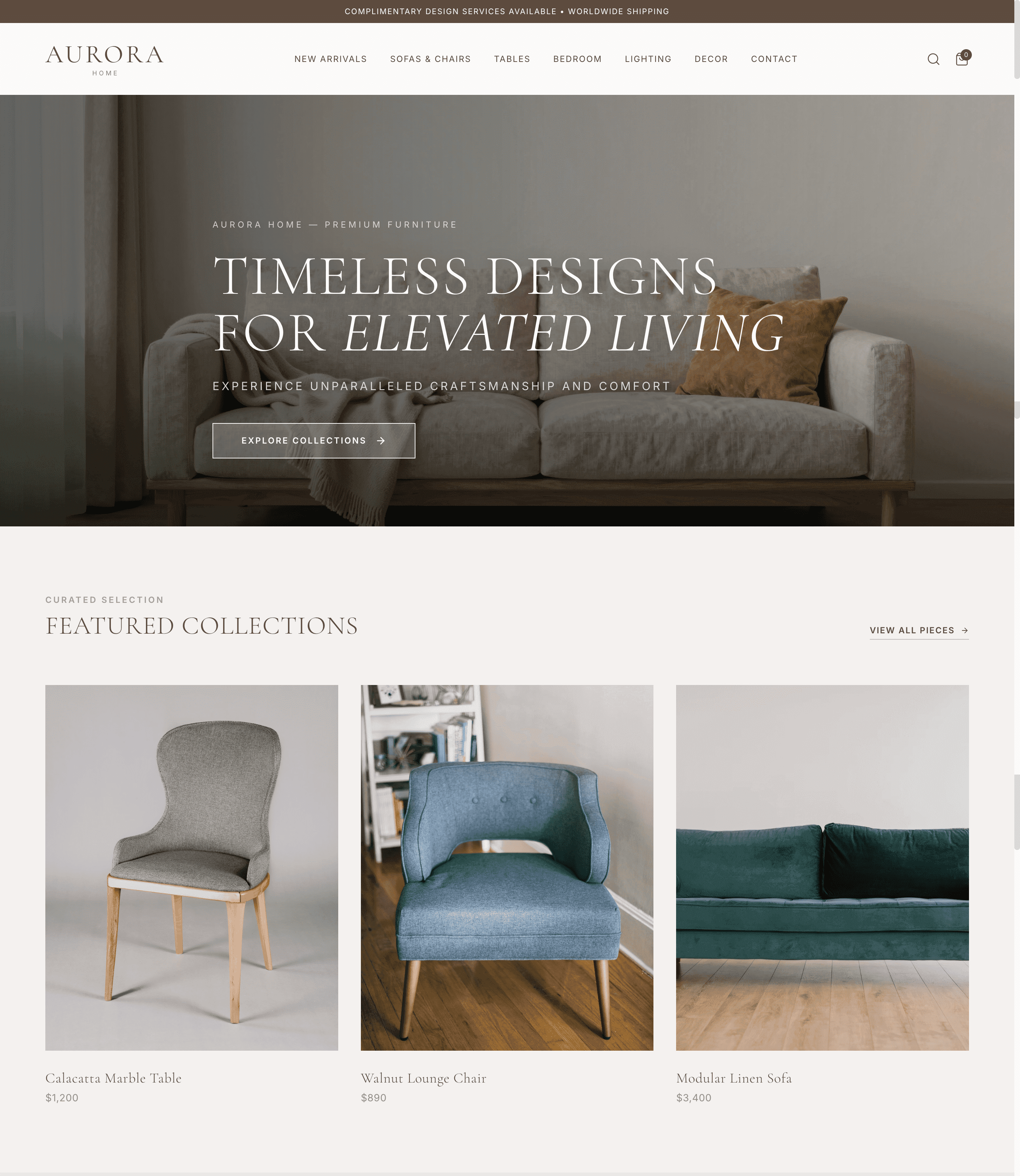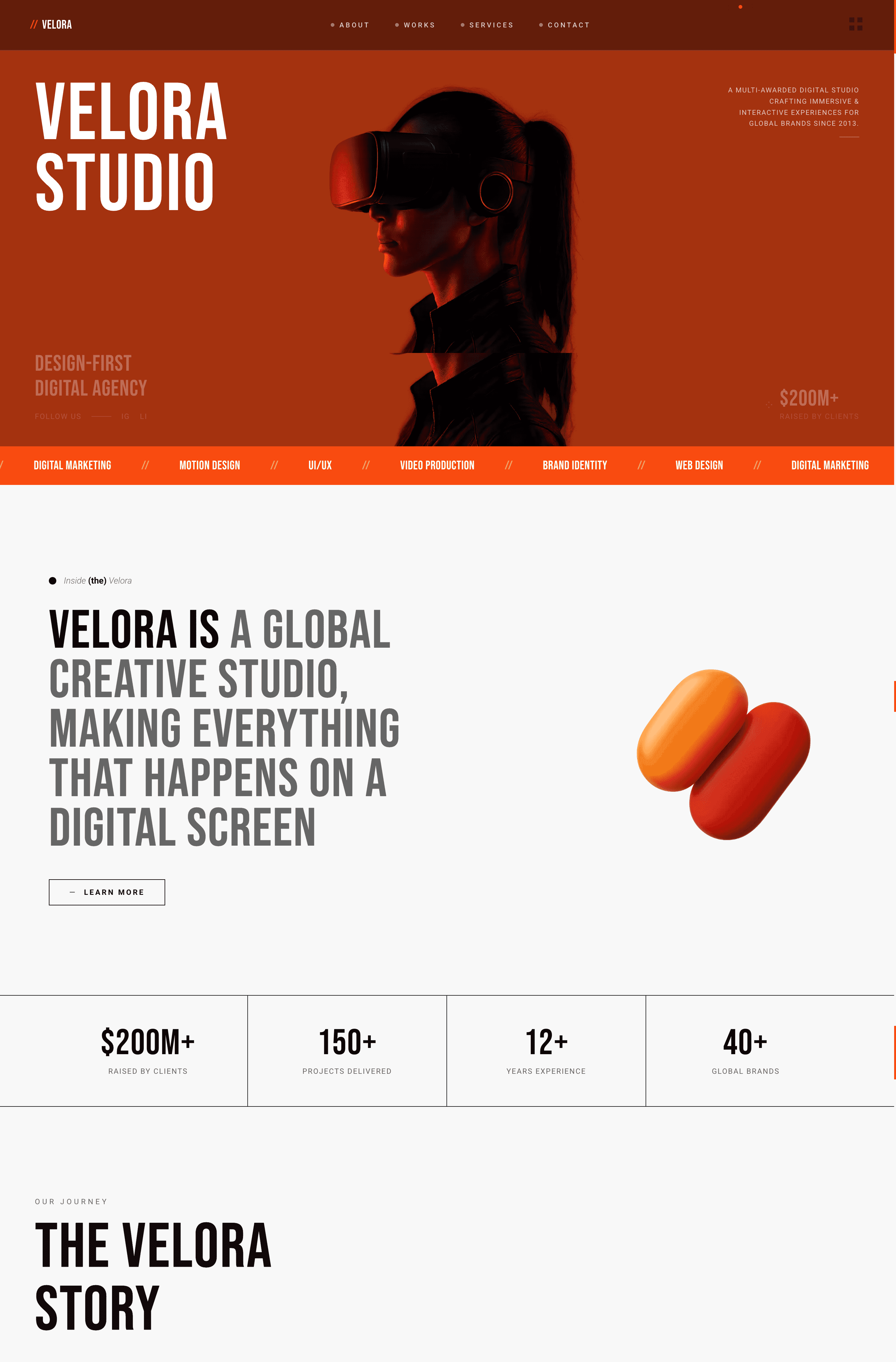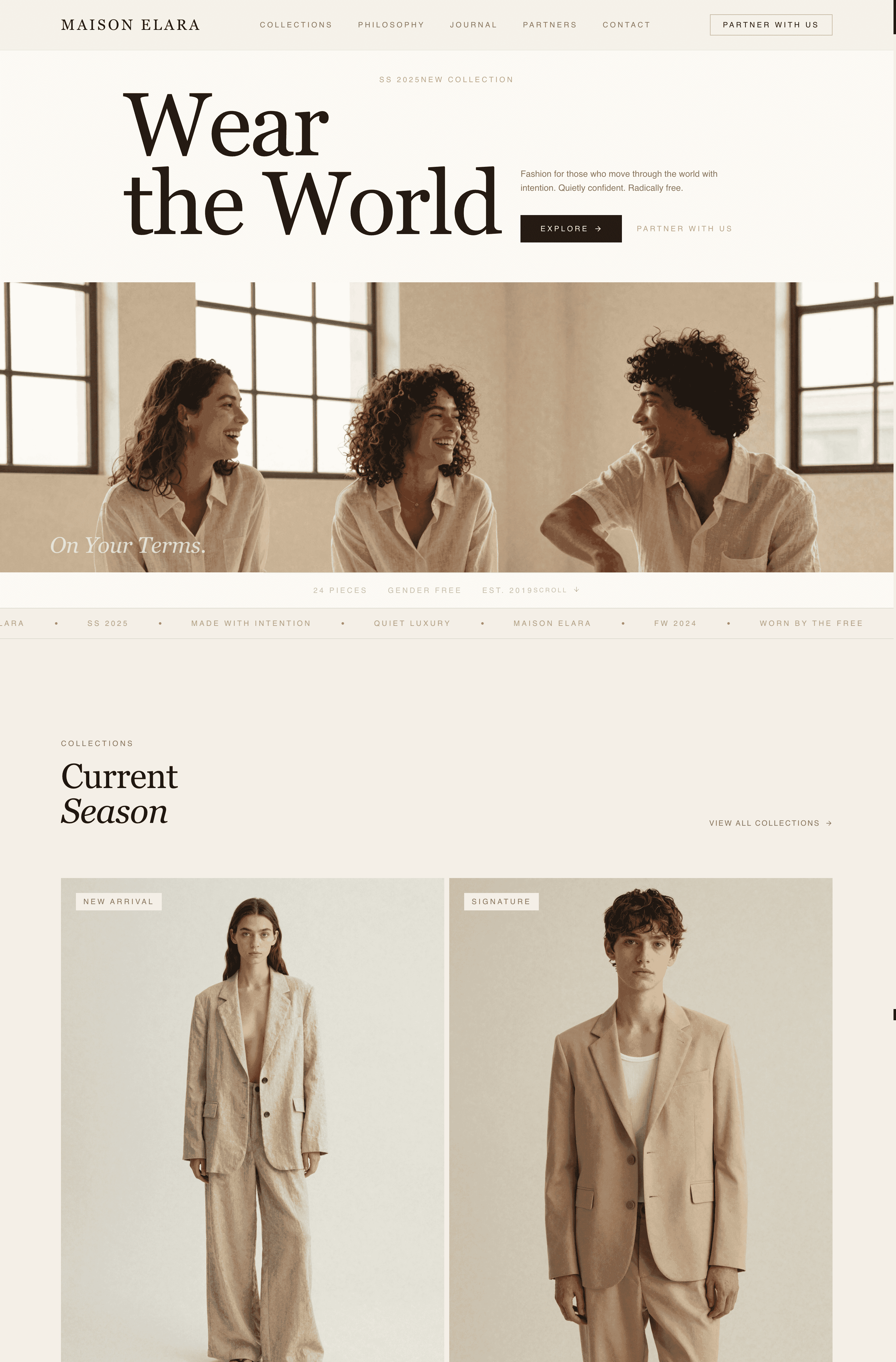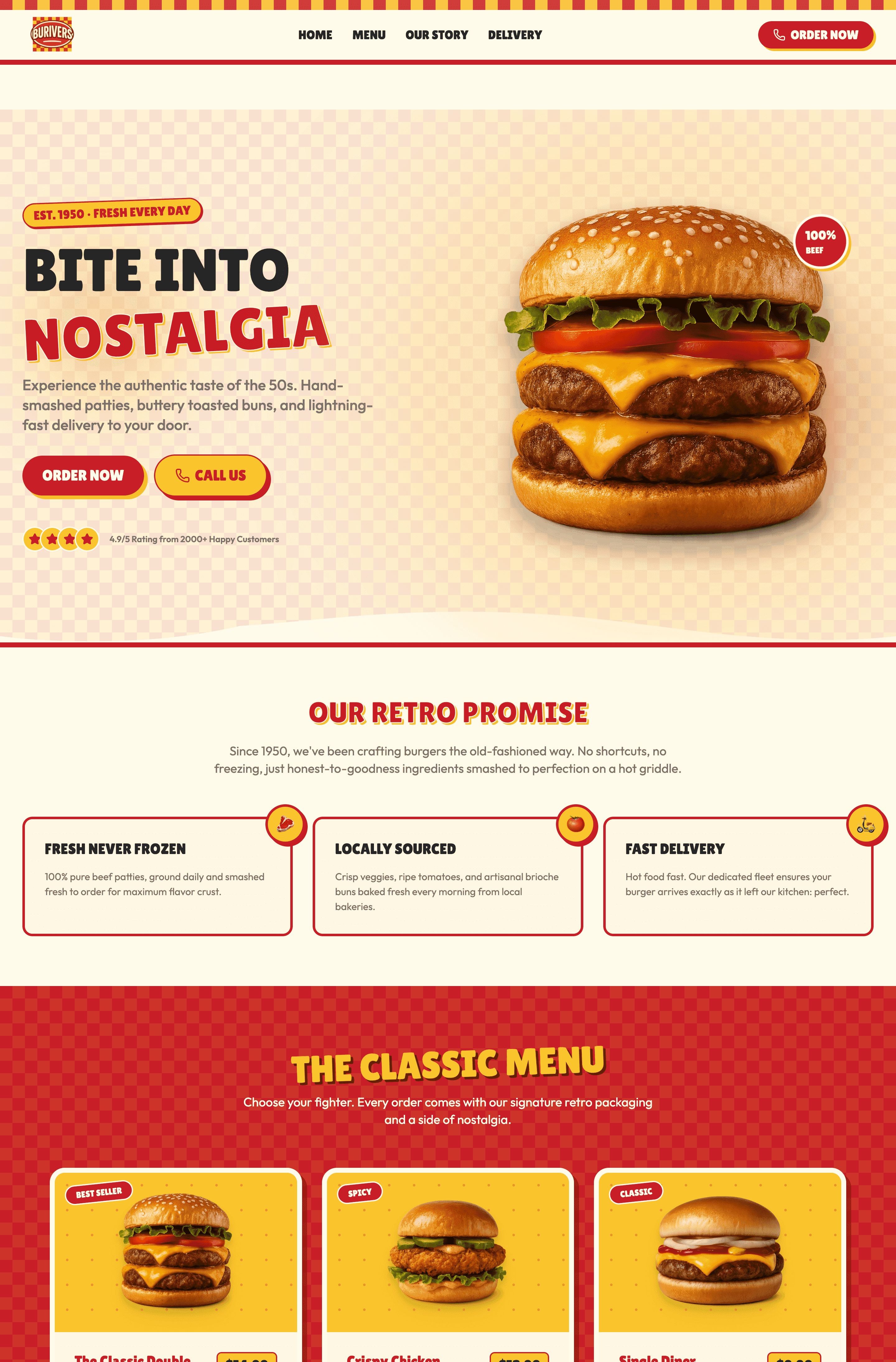
Minimalist web design removes distractions, speeds up loading times, and guides visitors toward conversion with surgical precision. Creating a minimalist website that balances elegance with functionality used to require serious design chops and coding knowledge. That's where Wegic changes the game. This AI-powered website builder lets you chat your vision into reality, automatically generating clean layouts with perfect white space, typography, and mobile optimization, all without touching a single line of code.
Minimalist website examples prove that stripping away the noise can amplify your message. As is shown on Maze UX Statistics, when 88% of users won't return after a poor experience and 40% abandon sites that take over three seconds to load, simplicity is a smart move.
In this article, you'll explore 28 real-world minimalist website examples organized by industry, uncover why this design philosophy drives measurable business outcomes, and learn exactly how to build your own conversion-focused minimalist site in minutes.
Why Minimalist Web Design Matters for Your Business
Minimalist web design is about solving real problems that cost business customers every day. Let's break down the concrete advantages backed by data.
Faster Loading Speeds Mean Higher Retention
Every unnecessary element on your webpage adds weight. Images, scripts, animations, and complex layouts all increase load time. The numbers are brutal: if your site takes more than three seconds to load, 40% of visitors will bounce before they even see your content. Minimalist websites naturally load faster because they contain fewer elements to render. Fewer HTTP requests, smaller file sizes, and cleaner code translate directly into speed, and speed translates into revenue.
Conversion Rates Skyrocket with Clarity
A well-designed user interface can increase conversion rates by up to 200%, while superior UX design can push that number to 400%. Minimalist design achieves this by eliminating decision paralysis. When visitors face fewer choices and clearer paths to action, they convert. Think about it: a single, bold call-to-action button on a clean background performs better than five competing buttons surrounded by visual clutter. Simplistic website design removes friction from the user journey, making it almost effortless for visitors to take the next step.
Mobile Users Demand Simplicity
The majority of internet users owning smartphones and over half of organic search traffic coming from mobile devices, your website must perform flawlessly on small screens. Minimalist web pages adapt beautifully to mobile because they're built on simple, flexible layouts. Large touch targets, readable typography, and generous spacing work perfectly on both desktop and mobile without requiring separate designs.
Brand Credibility Through Professional Aesthetics
Here's a stat that should make every business owner pay attention: 75% of users judge a company's credibility based on website design. Minimalist websites communicate professionalism, confidence, and modernity. They suggest that your brand knows what matters and isn't afraid to let quality speak for itself. Cluttered sites, by contrast, often signal amateur operations or outdated thinking.
Improved Focus on What Actually Matters
The average website visitor spends just 3.1 minutes on a site in 2024. Every second counts. Minimalist design respects this reality by prioritizing essential content and removing everything else. Visitors can quickly find information, understand your value proposition, and make decisions without wading through unnecessary elements.
28 Stunning Minimalist Website Examples by Category
Let's explore real minimalist website design examples that demonstrate how different industries apply these principles effectively. Each example offers specific lessons you can apply to your own projects.
E-commerce Minimalist Websites
Everlane
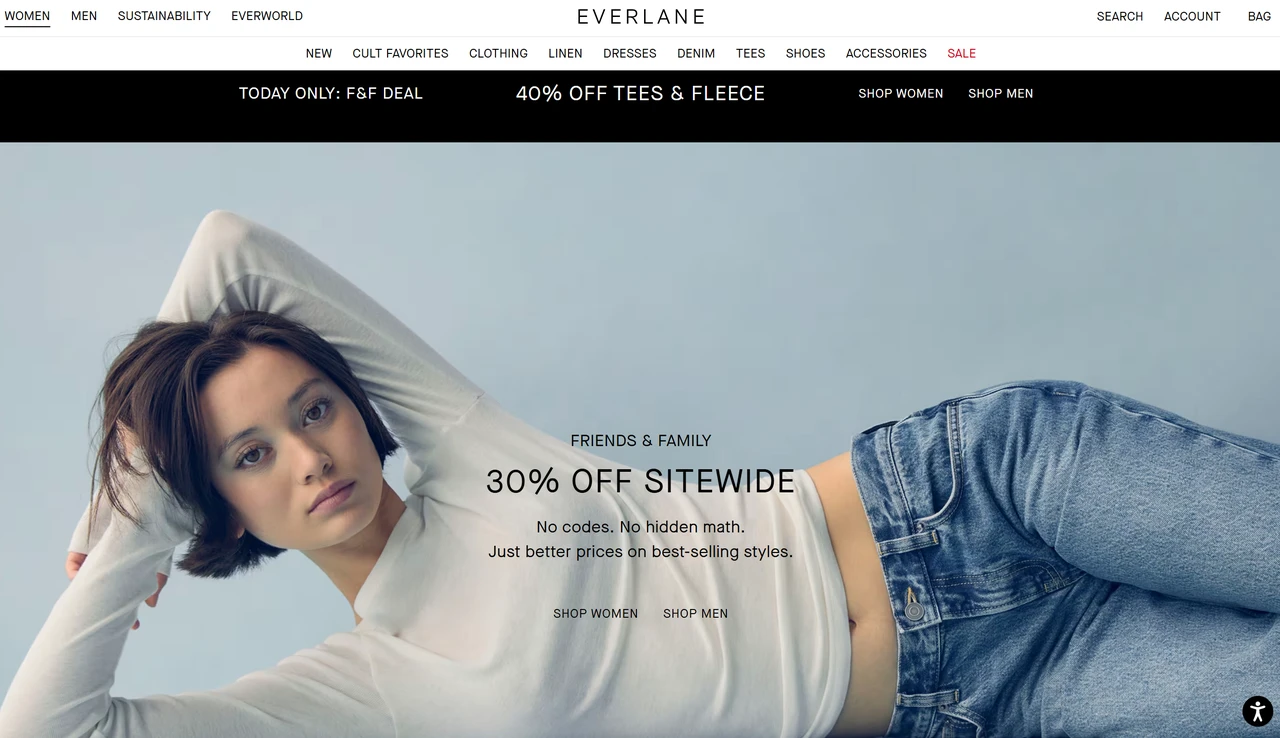
Everlane's website exemplifies how minimalist e-commerce should function. Large product photography dominates each page, set against pure white backgrounds that make items pop. Navigation stays tucked into a simple top bar with just five options, preventing overwhelm. The brand's "radical transparency" philosophy extends to its design—nothing hides, nothing distracts. Product pages feature clean specifications, straightforward pricing, and a single prominent "Add to Cart" button. This approach has helped Everlane build a loyal following by making shopping feel effortless and trustworthy.
Kotn
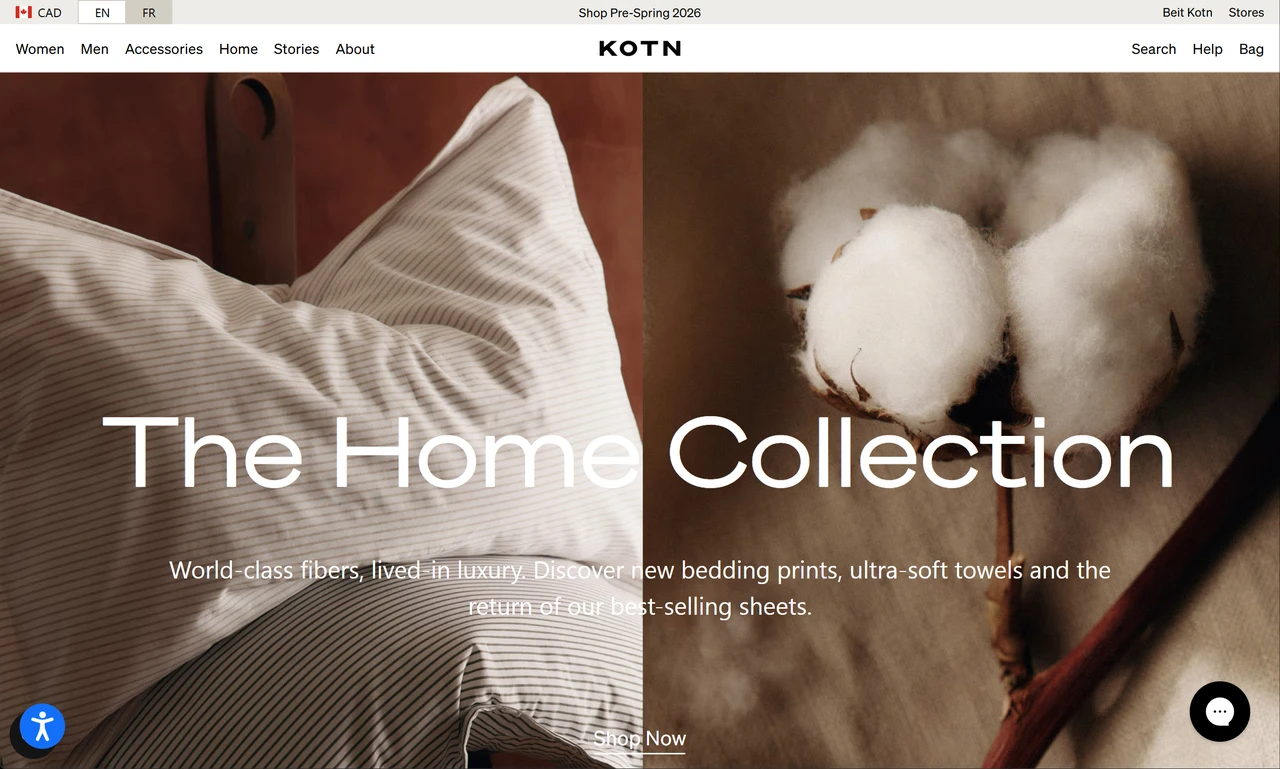
This sustainable basics brand uses a monochromatic color palette with occasional earth tones that reflect their natural materials. Kotn's homepage features full-width imagery with minimal text overlays, letting the quality of their products shine through. The shopping experience feels curated rather than overwhelming (collections are limited, categories are clear, and the checkout process strips away every unnecessary field). Their minimalist approach reinforces the brand message: quality over quantity, always.
Cuyana
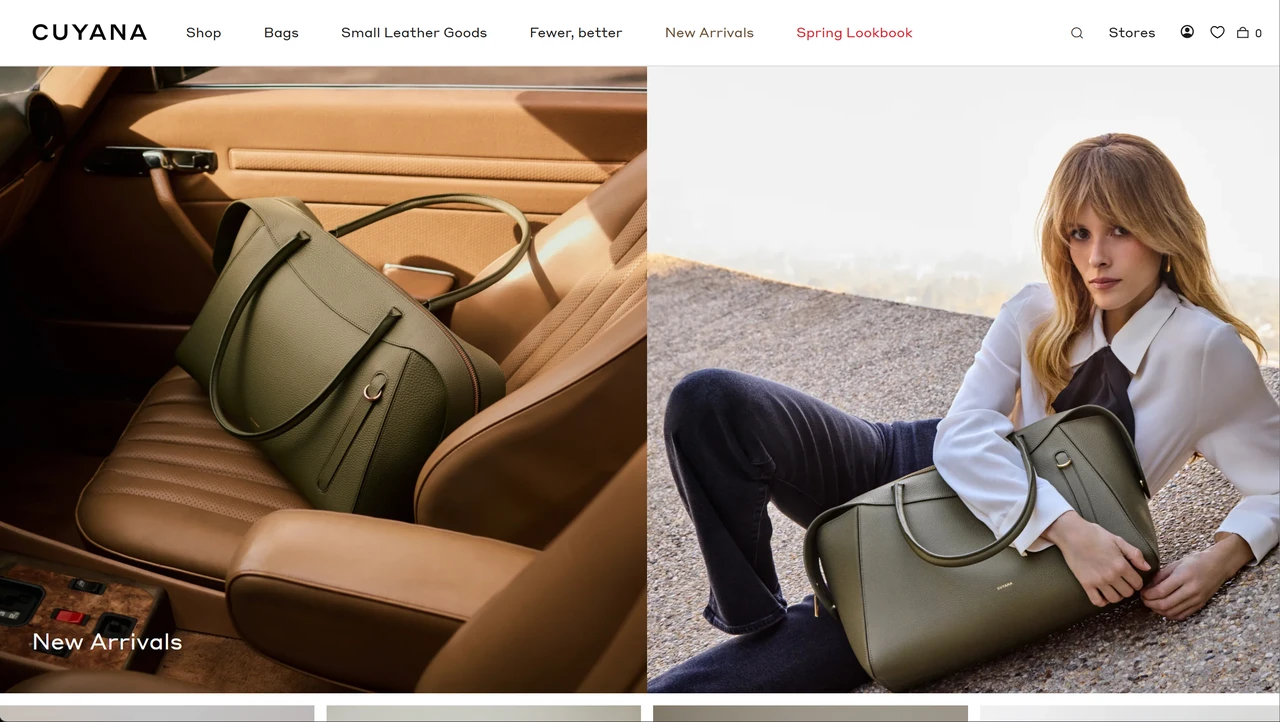
"Fewer, better things" isn't just Cuyana's tagline—it's their design philosophy. The website uses abundant white space to create a luxurious browsing experience. Product grids maintain generous spacing, making each item feel special rather than crowded. Typography is elegant but restrained, with aesthetic font for headlines and clean sans-serif for body text. The result feels like browsing a high-end boutique rather than scrolling through an endless catalog.
Allbirds
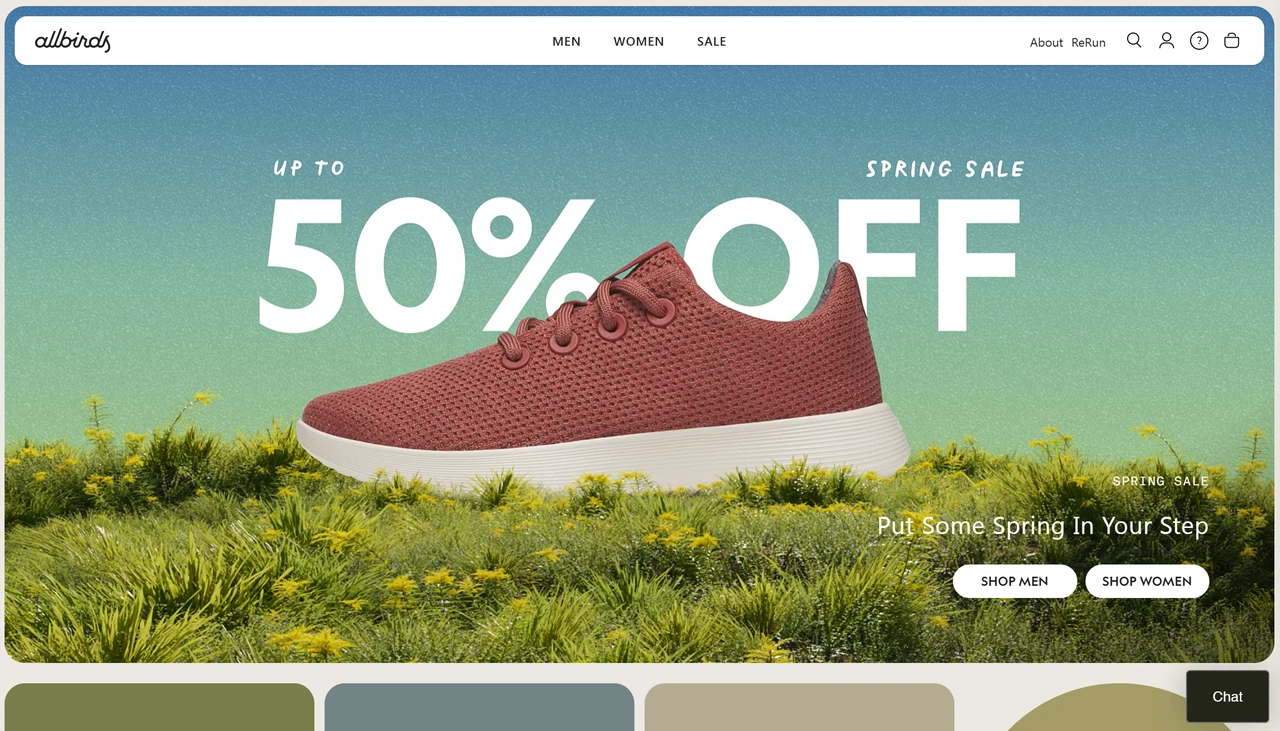
Allbirds proves that minimalist design works for mass-market appeal. Their homepage immediately communicates the product benefit with simple headlines like "The World's Most Comfortable Shoes" against clean backgrounds. Product pages focus on sustainability credentials and comfort features without overwhelming visitors with technical jargon. The color palette draws from nature—soft grays, muted greens, and warm neutrals—creating a cohesive experience that feels both modern and approachable.
Aesop
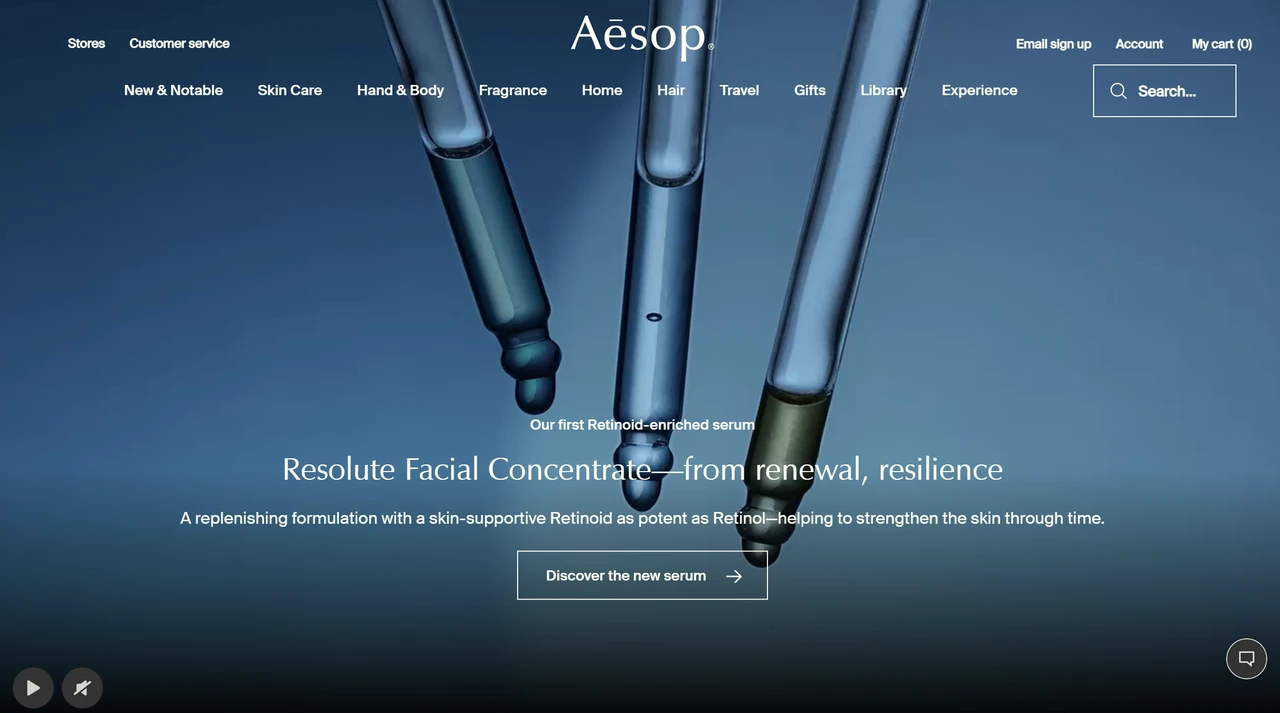
This Australian skincare brand takes minimalism to an art form. Their website features a muted color scheme of blacks, whites, and grays with occasional product imagery. The text is sparse but poetic, describing products in evocative language that create desire without hard selling. The store locator uses a simple map interface, and product pages provide just enough information to educate without overwhelming. Aesop's minimalist web design reinforces their premium positioning and commitment to quality ingredients.
Portfolio & Personal Brand Sites
Tobias van Schneider
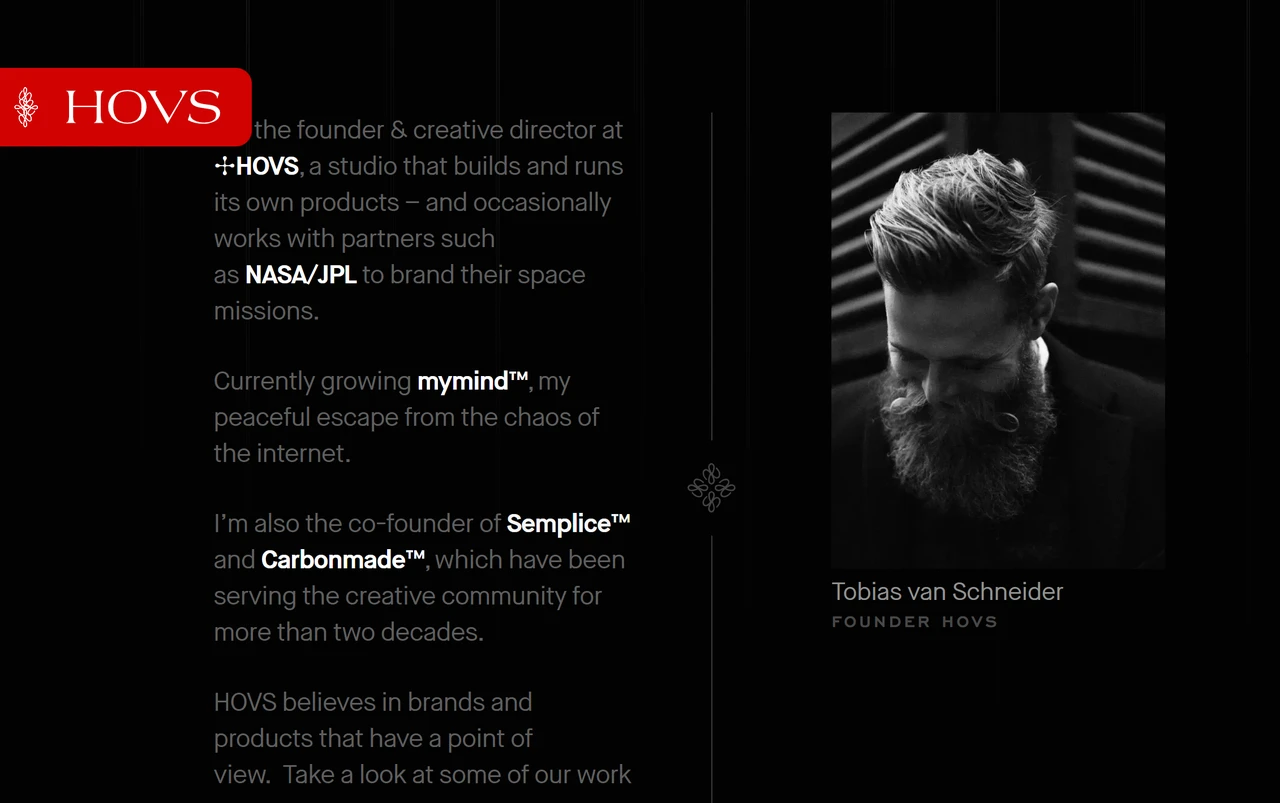
Designer Tobias van Schneider's portfolio demonstrates how minimalism can showcase creative work without competing with it. His homepage features a simple grid of projects with no extraneous decoration. Clicking any project reveals full-screen imagery with minimal text descriptions. The navigation is almost invisible until you need it, keeping focus squarely on the work. This approach lets the quality of the projects speak louder than any elaborate presentation could.
Hiroko Sasaki
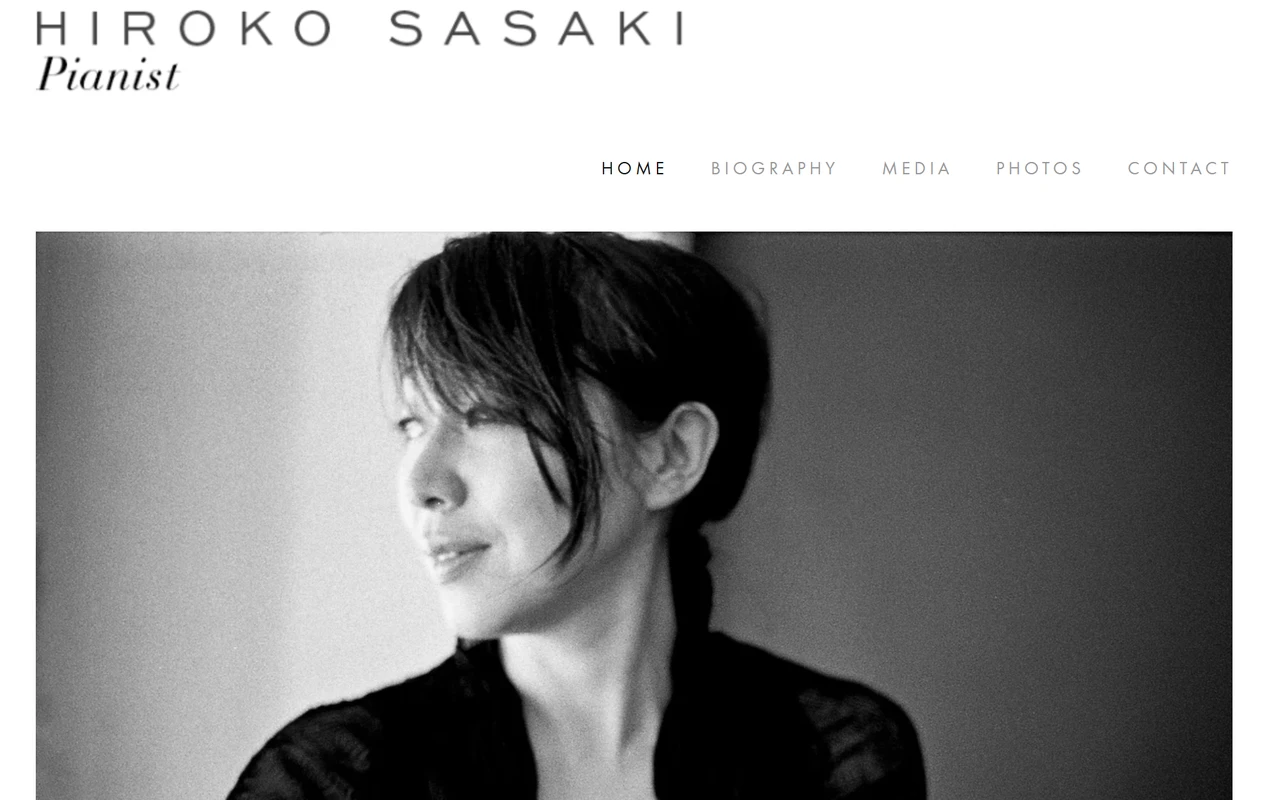
This pianist's website is a masterclass in using white space effectively. Images are large and impactful, separated by generous margins that give each photograph room to breathe. There's no busy sidebar, no distracting footer elements, just photography and the occasional line of text providing context.
Joanna Kosinska
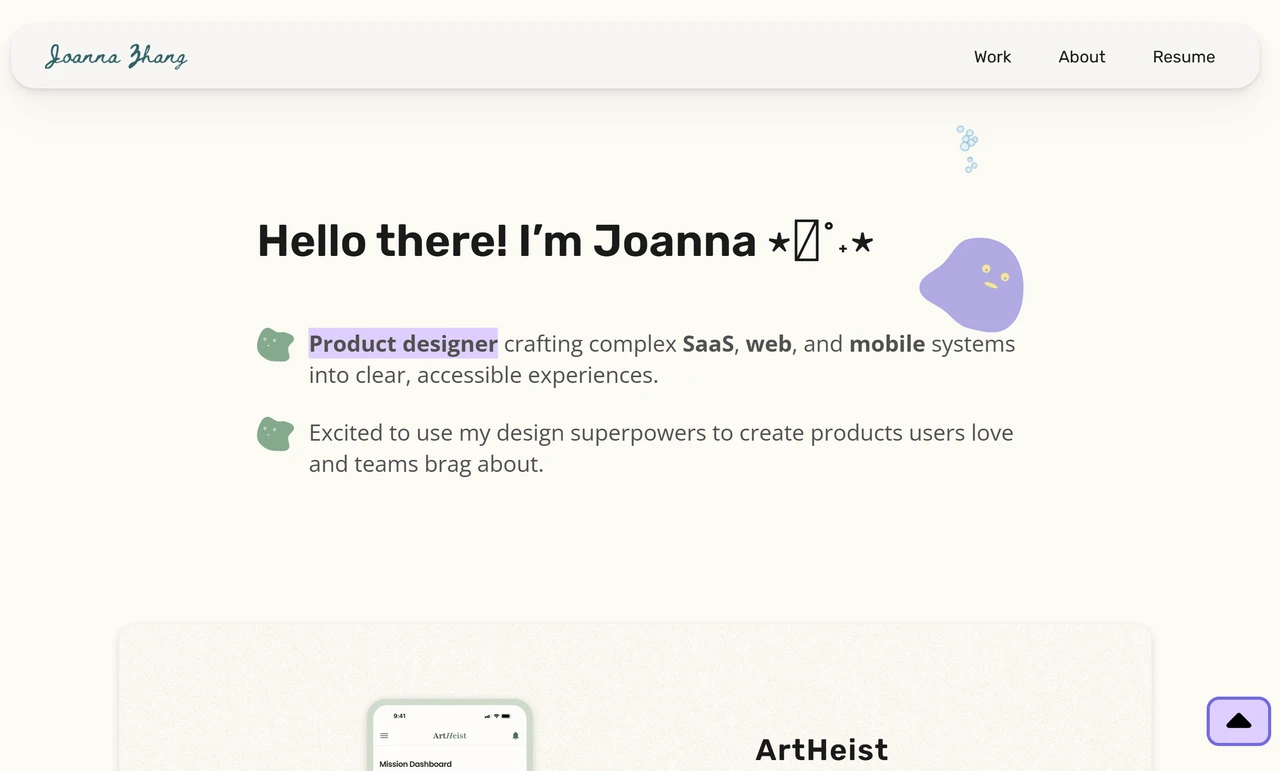
Joanna's portfolio site uses a vertical scrolling layout with projects stacked cleanly down the page. Each project gets a hero image, a brief description, and a link to view more. The color palette is almost entirely black, white, and gray, with project images providing only color. This restraint makes the portfolio feel cohesive and professional, regardless of how varied the actual projects might be.
Ben Adam Smith
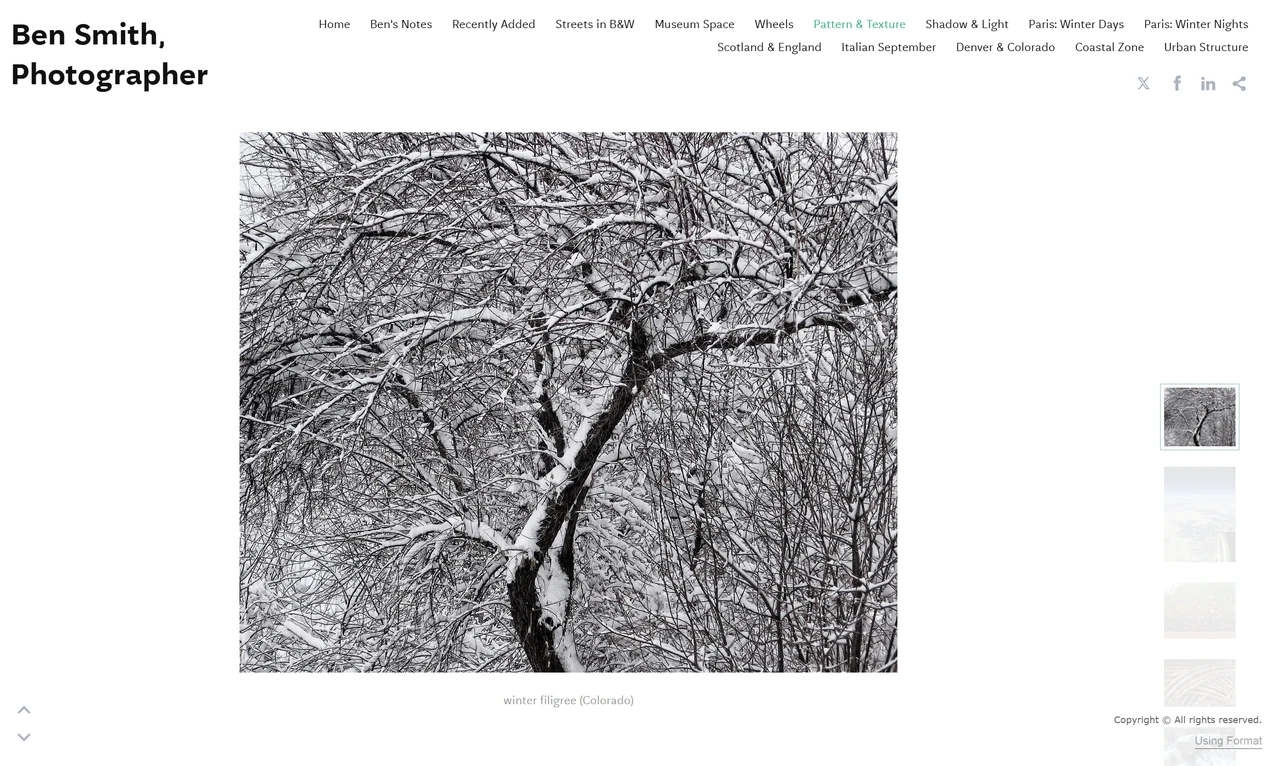
This photographer's website features a full-screen slideshow on the homepage (no text, no navigation elements cluttering the view, just stunning imagery). A subtle menu icon in the corner provides access to different galleries when needed. The minimalist interface disappears entirely, letting the photography take center stage. It's a bold choice that works because the work itself is strong enough to carry the experience.
Pawel Nolbert
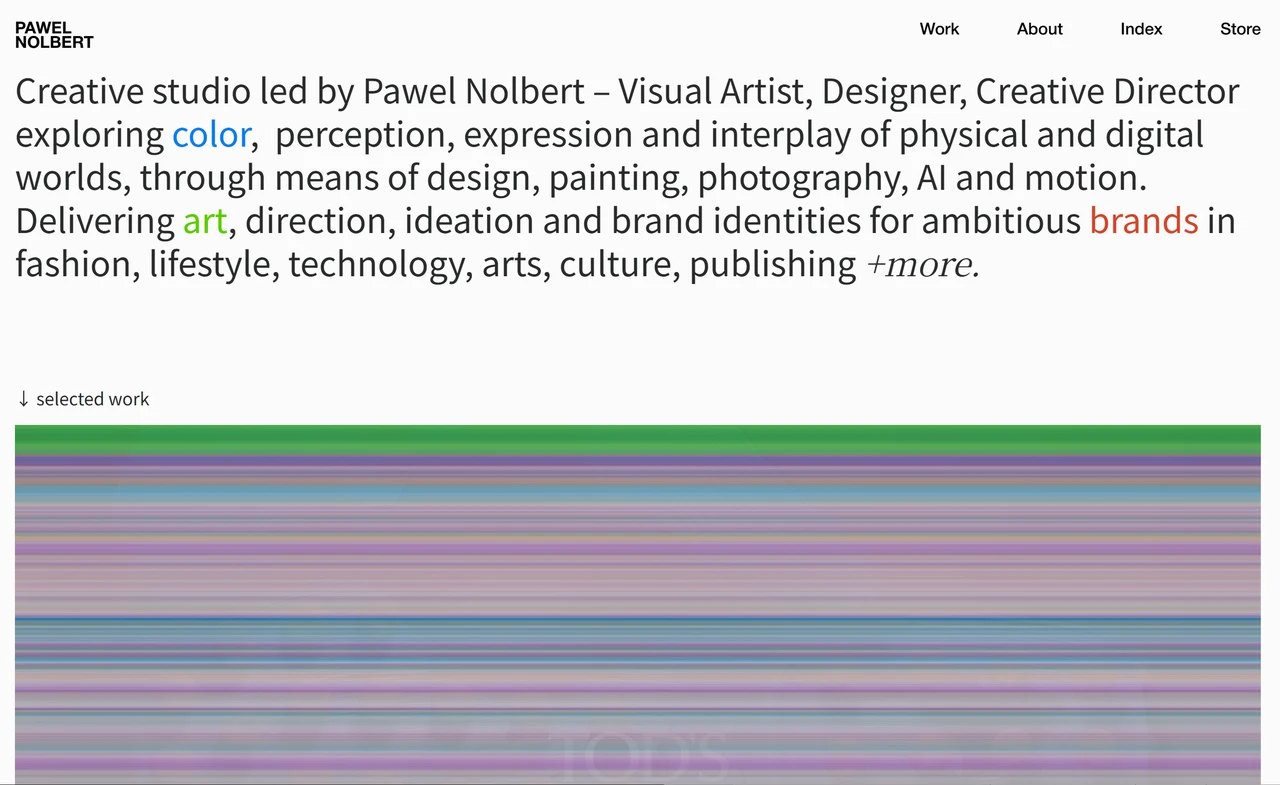
Digital artist Pawel Nolbert uses a grid-based portfolio with generous spacing between projects. Each thumbnail is large enough to appreciate the work but uniform enough to create visual rhythm. Hover effects are subtle—just a slight zoom and the project title appears. The overall effect is clean, professional, and easy to navigate, proving that minimalist design doesn't mean boring design.
SaaS & Tech Company Websites
Stripe
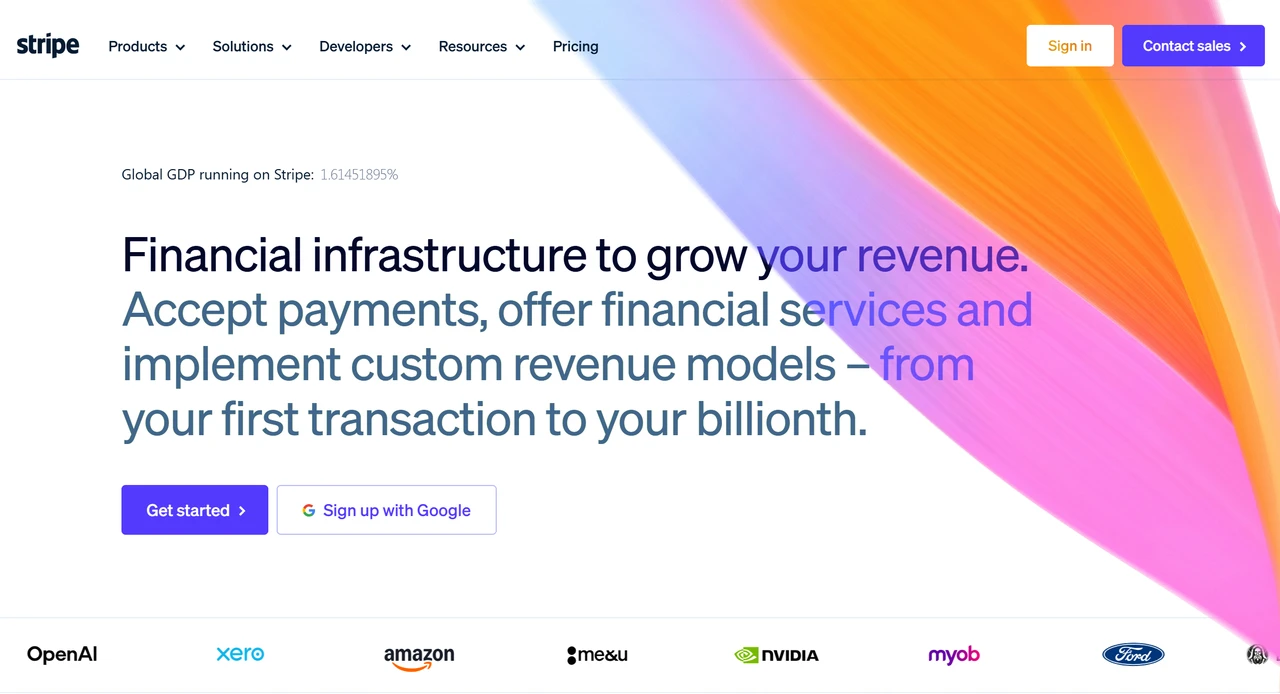
Stripe's website is legendary in the tech world for its clean, minimalist approach. The homepage uses simple animations to demonstrate complex payment processing concepts without overwhelming visitors. Typography is crisp and hierarchical, guiding readers through information effortlessly. Code examples are syntax-highlighted but not overdone. The entire experience feels fast, modern, and trustworthy—exactly what you want from a payment processor handling billions of dollars.
Notion
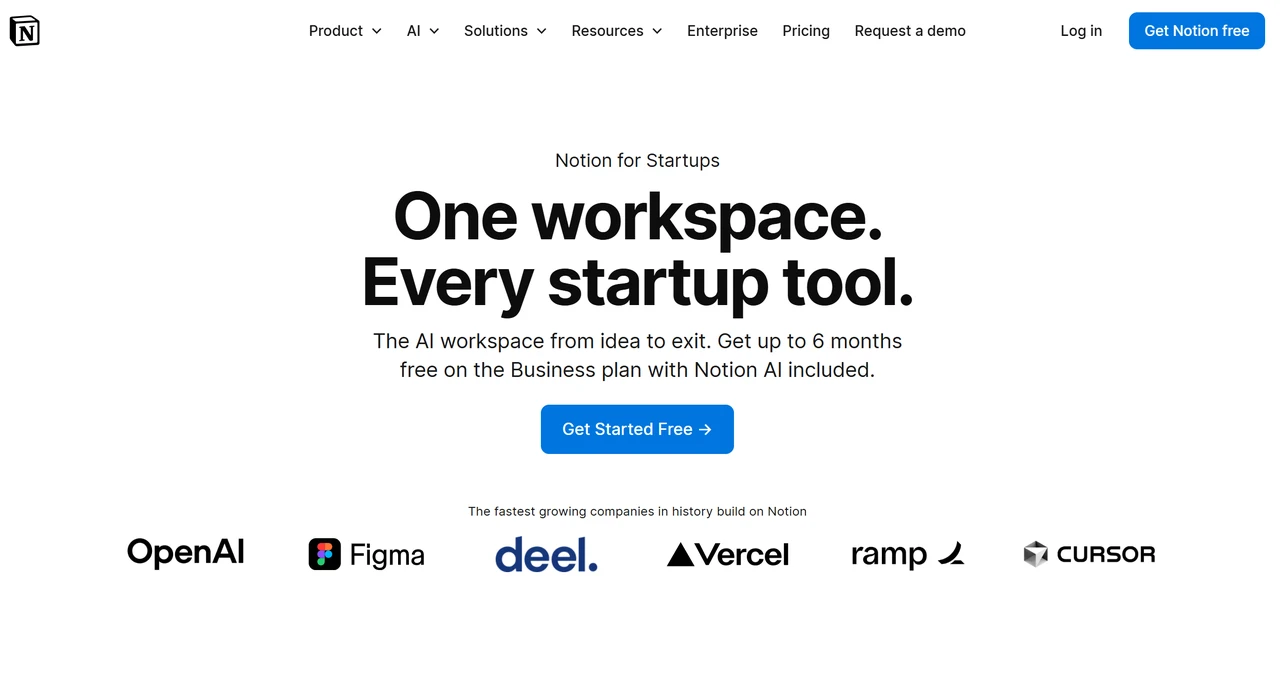
Notion's minimalist website mirrors the clean interface of their product. The homepage features simple illustrations and clear value propositions without marketing fluff. Navigation is straightforward with just a few main categories. Product screenshots show the interface in action without excessive annotation or explanation. The design communicates that Notion itself is simple and powerful—a message reinforced by the website's own simplicity.
Linear
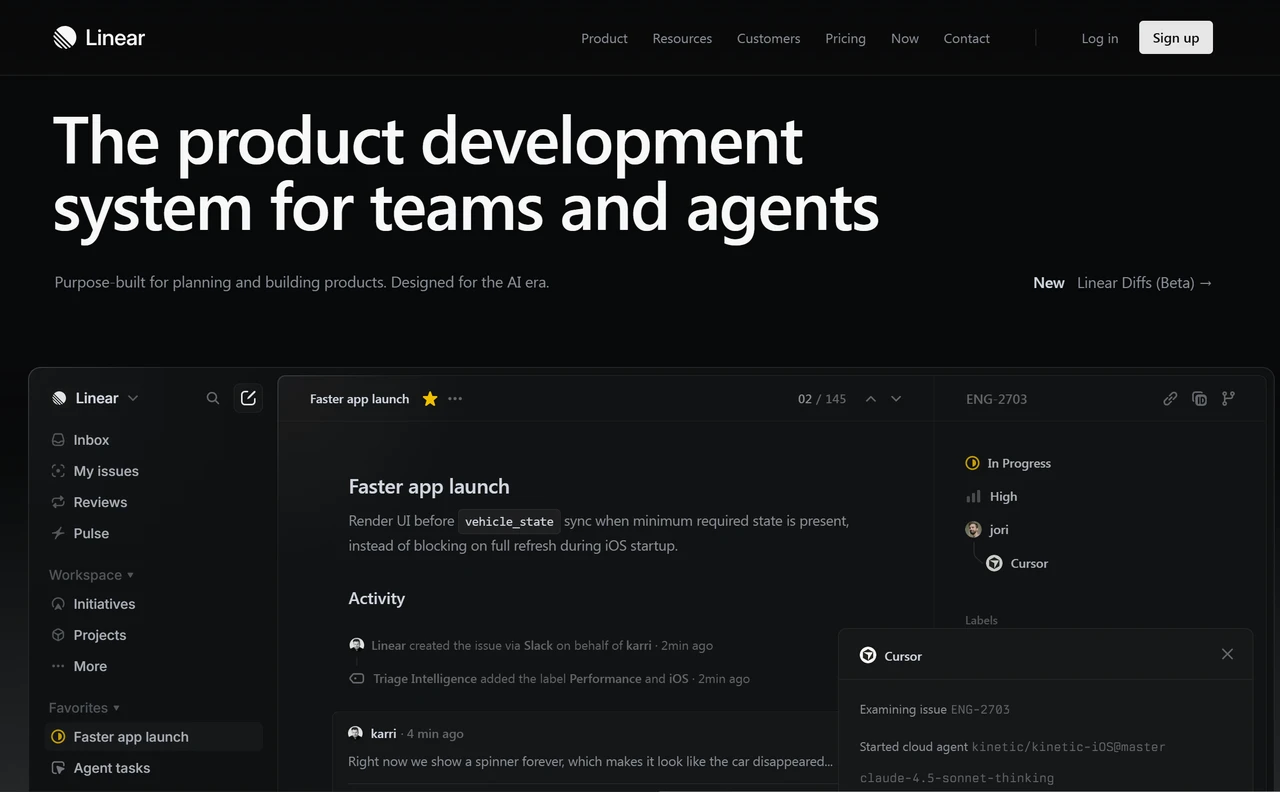
This project management tool's website uses a dark minimalist aesthetic that feels modern and sophisticated. Subtle gradients and animations add visual interest without creating clutter. The typography is bold and confident, with plenty of line spacing that makes text easy to scan. Product features are explained with simple diagrams and short descriptions, respecting the visitor's time and intelligence.
Pitch
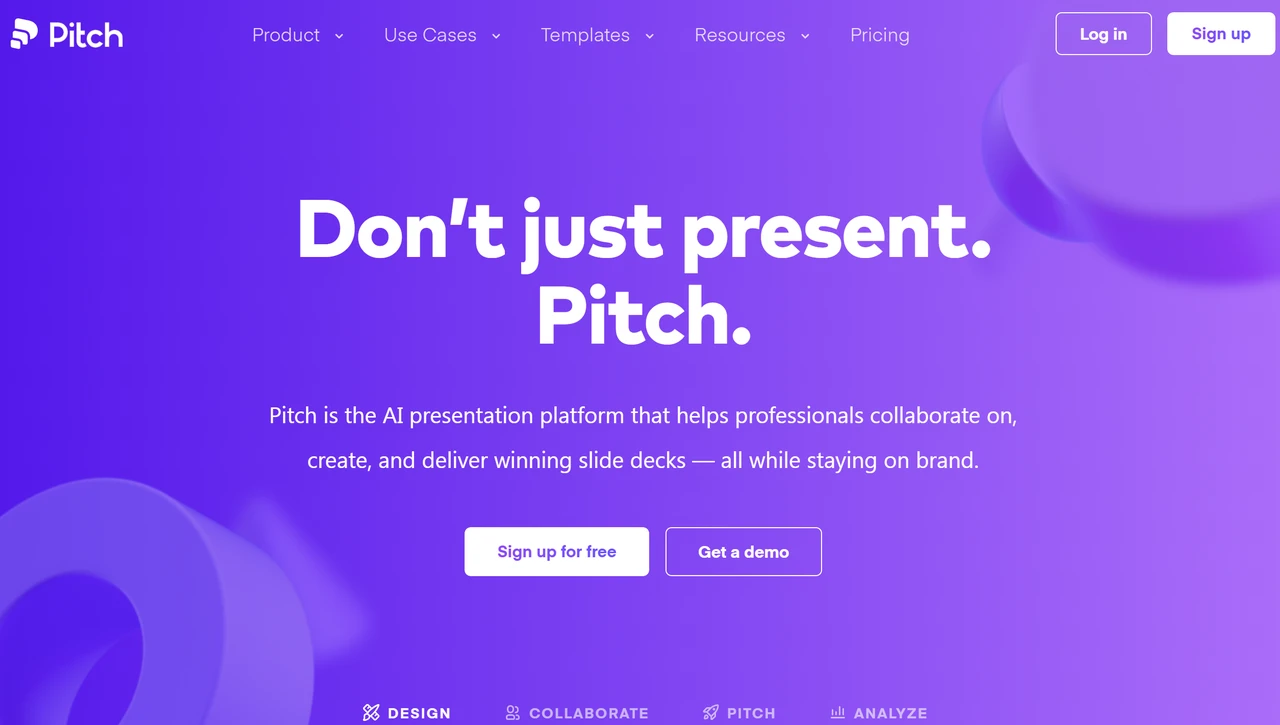
Pitch's website demonstrates how minimalist design can still feel warm and inviting. They use a limited color palette of blues and whites with occasional pops of color from product screenshots. The homepage scrolls smoothly through key features, each given its own section with ample white space. Call-to-action buttons are prominent but not aggressive, inviting visitors to try the product without pressure.
Cal
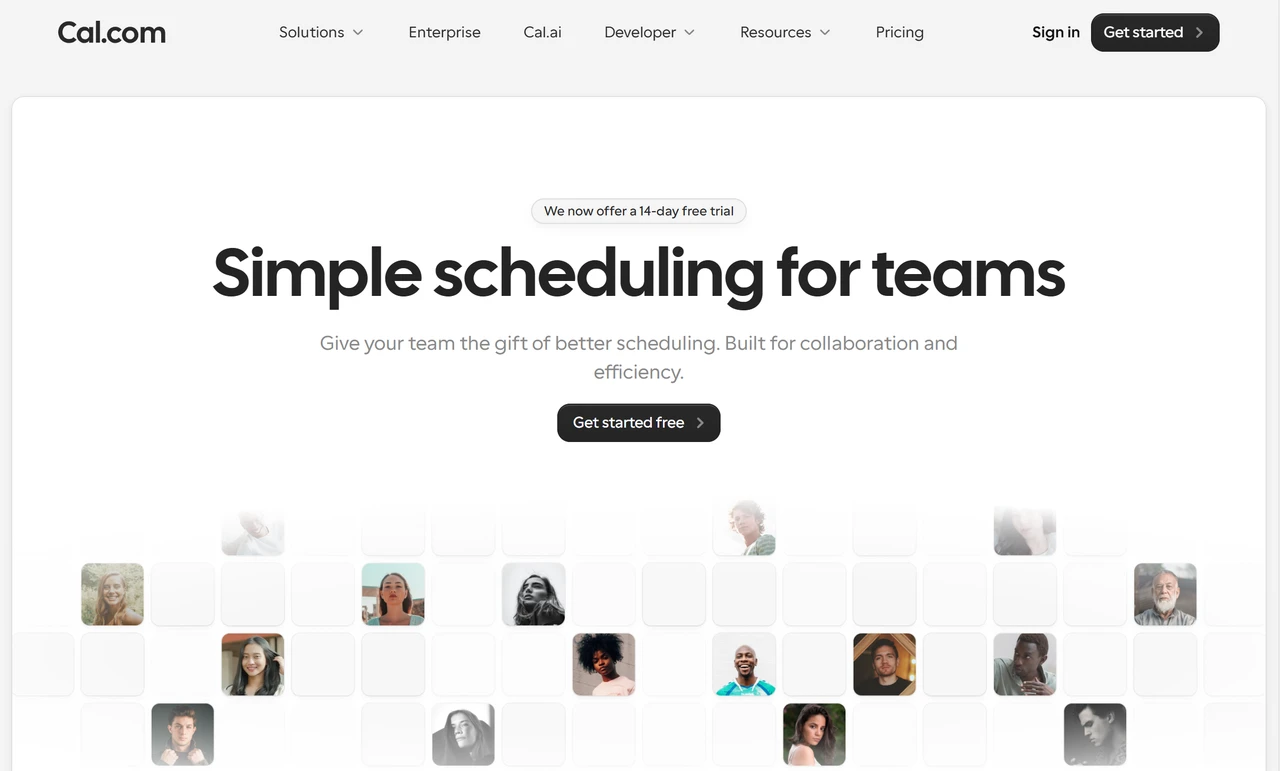
This open-source scheduling tool uses an extremely clean interface on their website. The homepage features a simple headline, a brief explanation, and a prominent sign-up form. Product screenshots show the interface clearly without excessive decoration. The minimalist approach reinforces their positioning as a straightforward, no-nonsense alternative to more complex scheduling tools.
Creative Agency & Studio Sites
Instrument
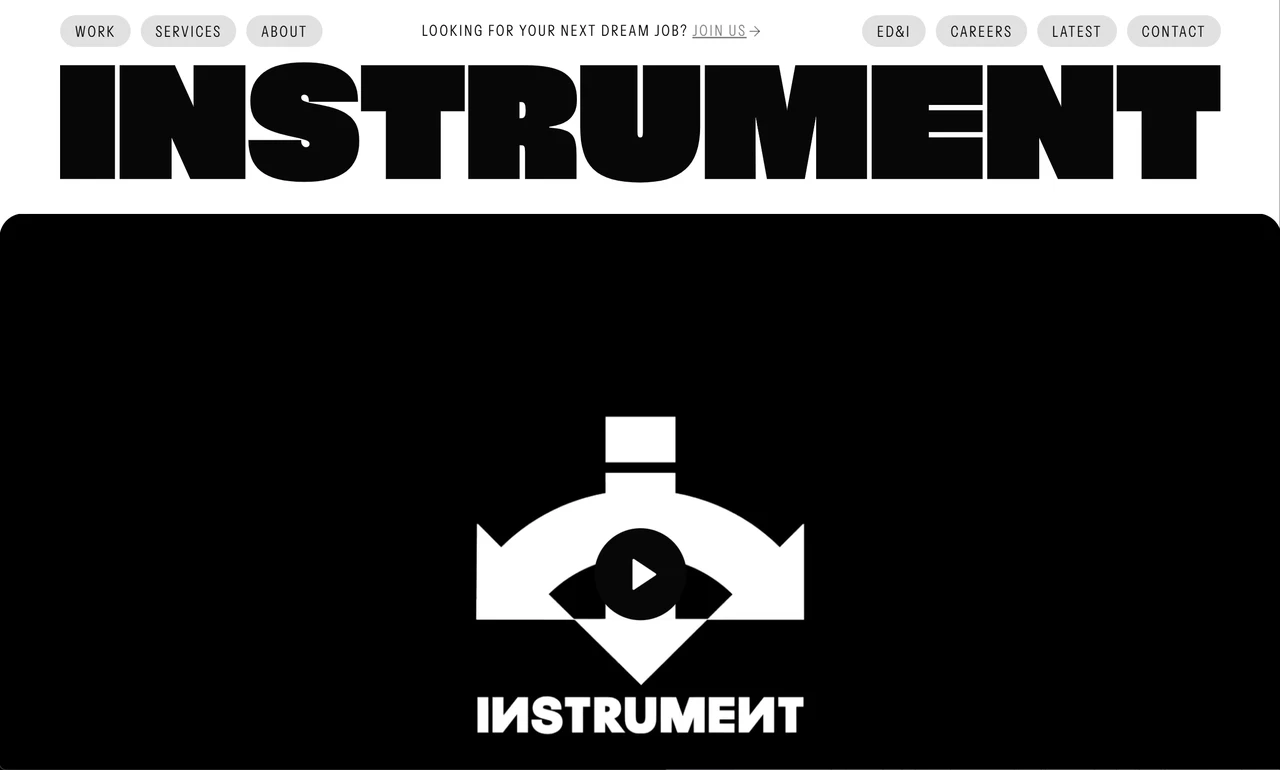
This Portland-based agency's website is a study in sophisticated minimalism. They use a monochromatic color scheme with black, white, and gray dominating. Project case studies are presented with large imagery and concise text that gets straight to the results. The navigation is minimal, just a few key pages, forcing visitors to focus on the work rather than getting lost in site structure.
Fuzzco
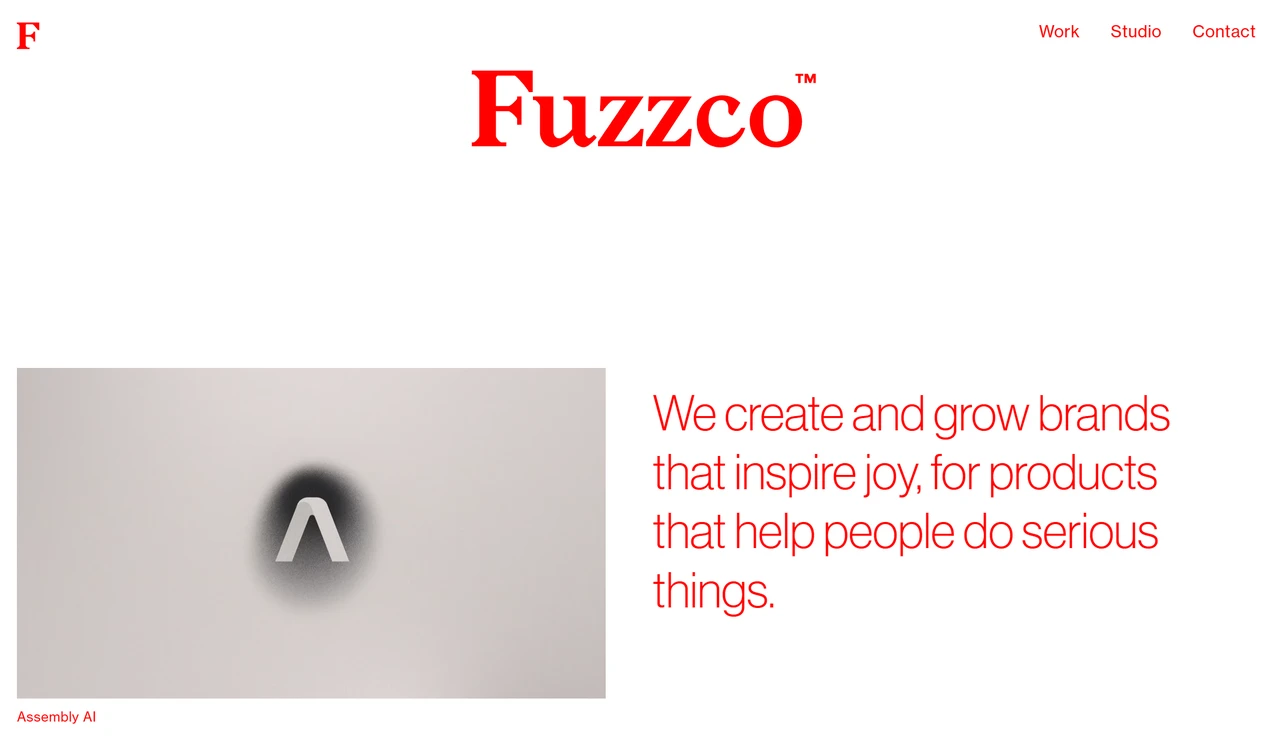
Fuzzco's website balances playfulness with minimalism. While their work is colorful and energetic, the website itself uses a clean white background that lets project imagery stand out. Typography is bold and confident without being overwhelming. The studio information is presented clearly and concisely, making it easy for potential clients to understand what they do and how to get in touch.
Ueno
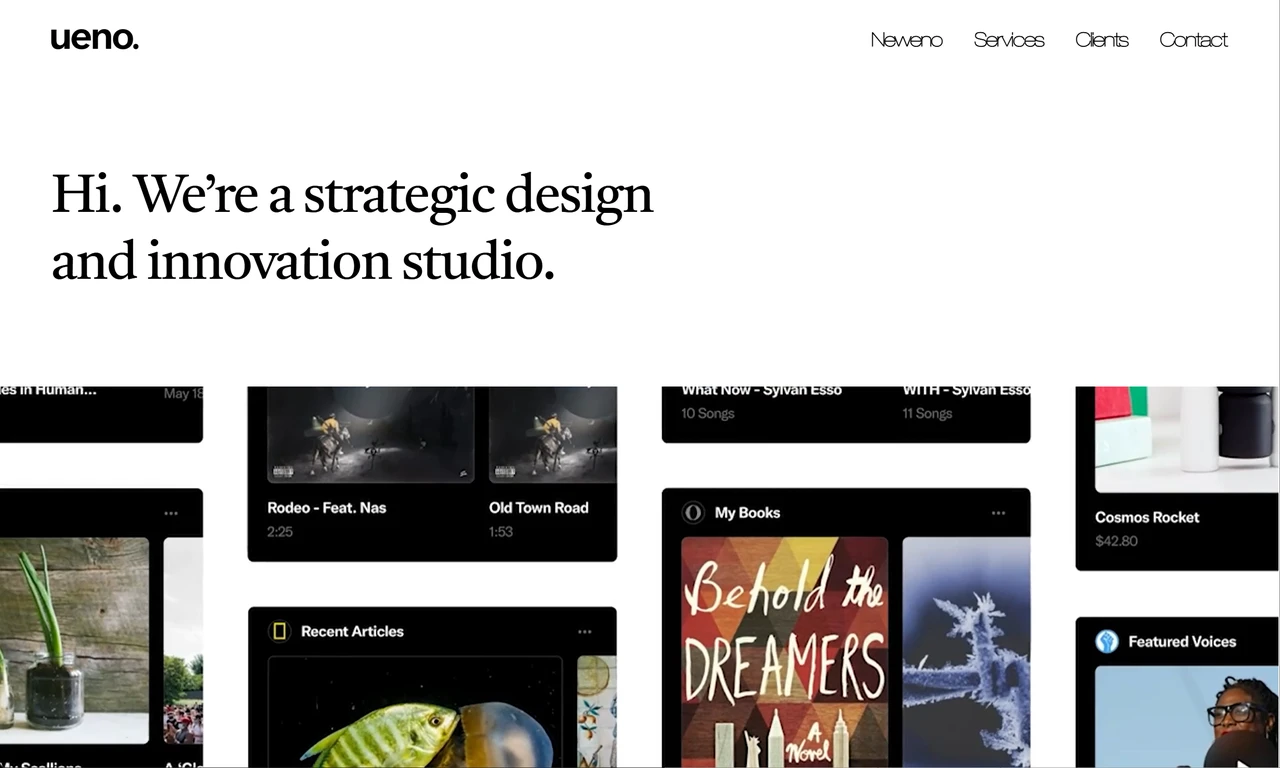
This digital agency uses a dark minimalist aesthetic with white text and colorful project imagery. The homepage features a simple list of recent projects with thumbnail images. Clicking through reveals detailed case studies with generous white space and clear typography. The minimalist design suggests confidence.
Fantasy
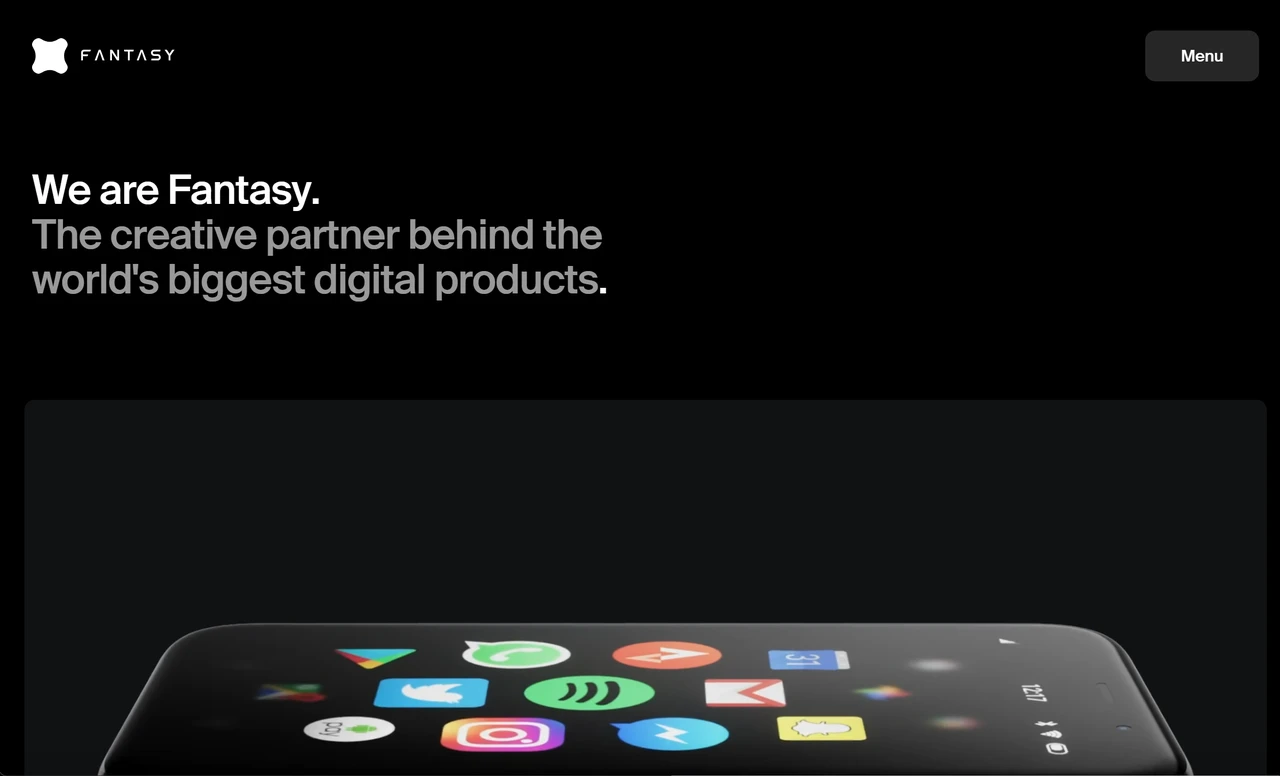
Fantasy's website uses a brutalist-minimalist hybrid approach with stark black and white design and unconventional layouts. Despite the bold aesthetic choices, the site remains highly functional with clear navigation and well-organized content.
Collins
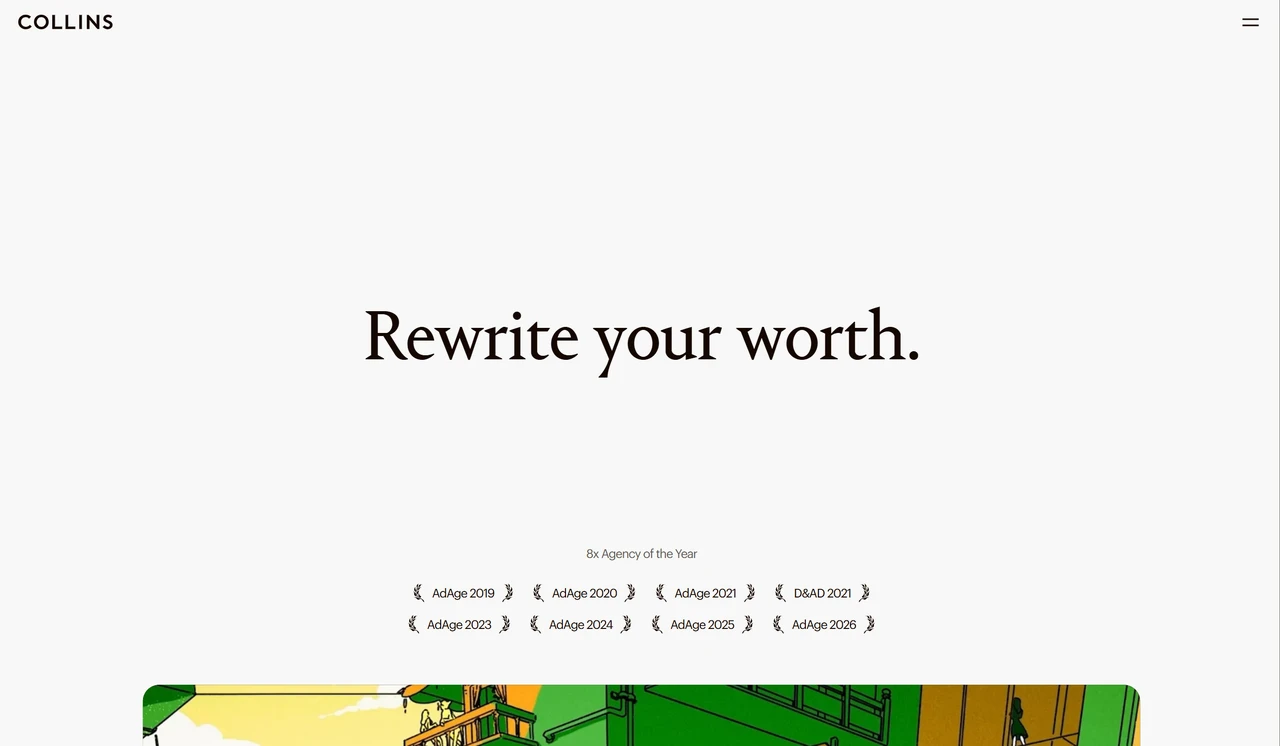
This brand agency's website features a clean grid layout showcasing their diverse client work. Each project gets equal visual weight, creating a sense of consistency and professionalism. The about page uses simple text blocks to explain their philosophy without unnecessary embellishment. The minimalist approach lets the quality and diversity of their work speak for itself.
Content & Publishing Platforms
Medium
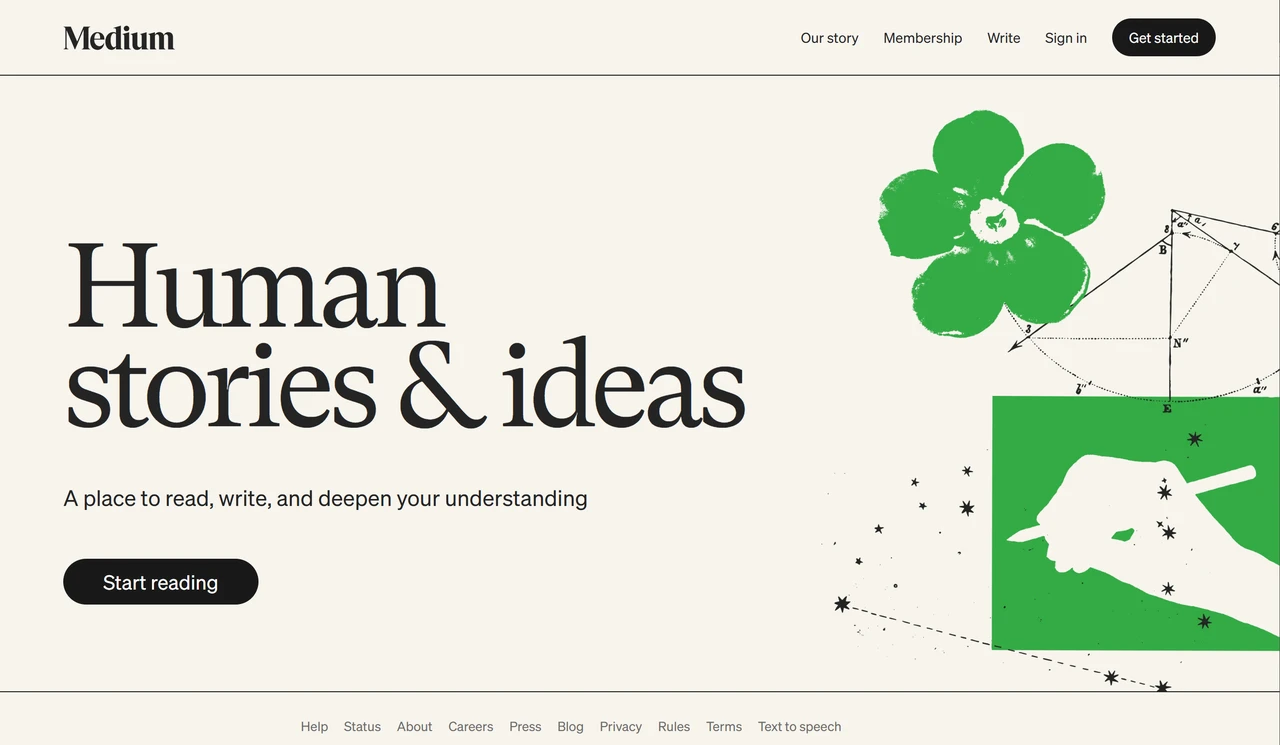
Medium pioneered the minimalist approach to online publishing. Articles are presented with maximum readability: large, clear typography, generous line spacing, and wide margins. There are no sidebars competing for attention, no ads cluttering the reading experience (for members), and no unnecessary design elements. The focus is entirely on the content, which is exactly as it should be for a publishing platform.
The Outline

This digital publication uses cute color palette design with bold typography. Articles are presented in a simple list format with clear headlines and publication dates. The reading experience is distraction-free, with just the article text and occasional images. The minimalist design reflects their editorial approach: direct, uncompromising journalism without fluff.
The Pudding
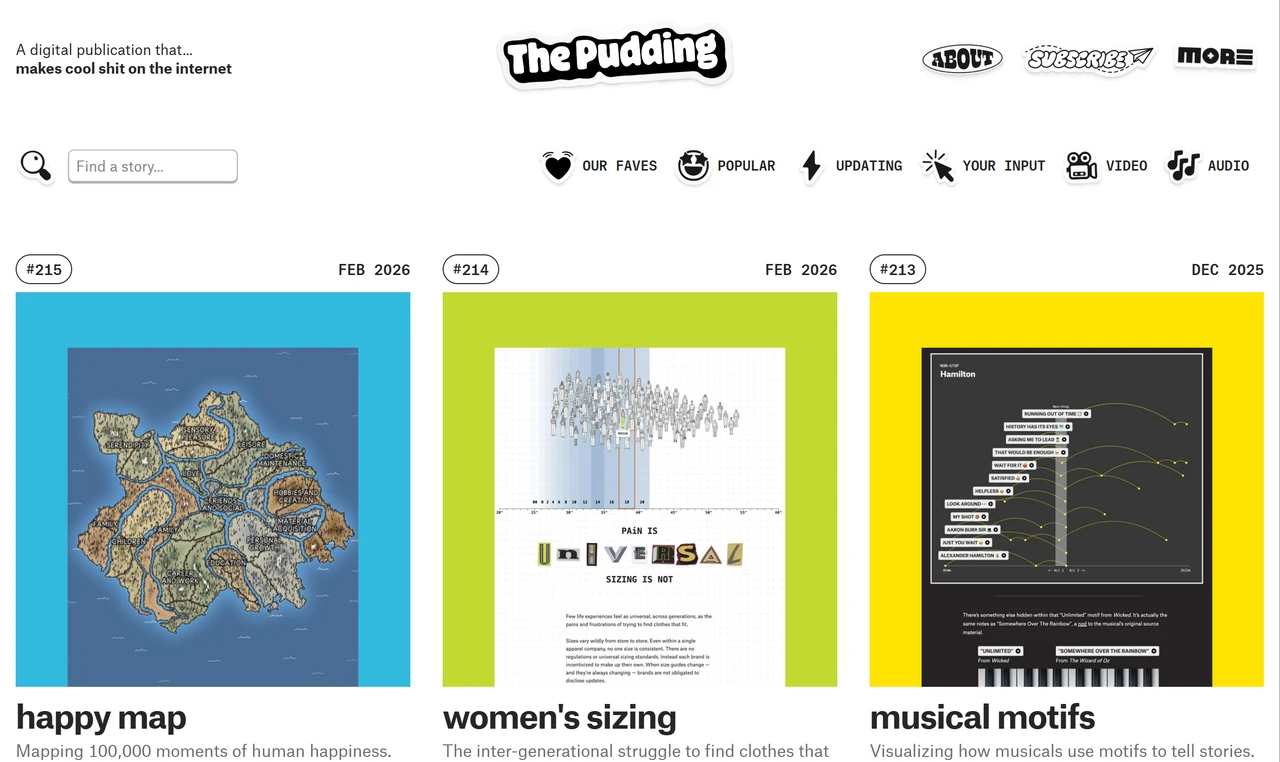
While The Pudding's data visualizations are often complex and colorful, their website framework is remarkably minimal. The homepage is simply a list of articles with thumbnails. Navigation is straightforward. This minimalist container allows their elaborate visual essays to shine without competing with busy site design.
Kinfolk
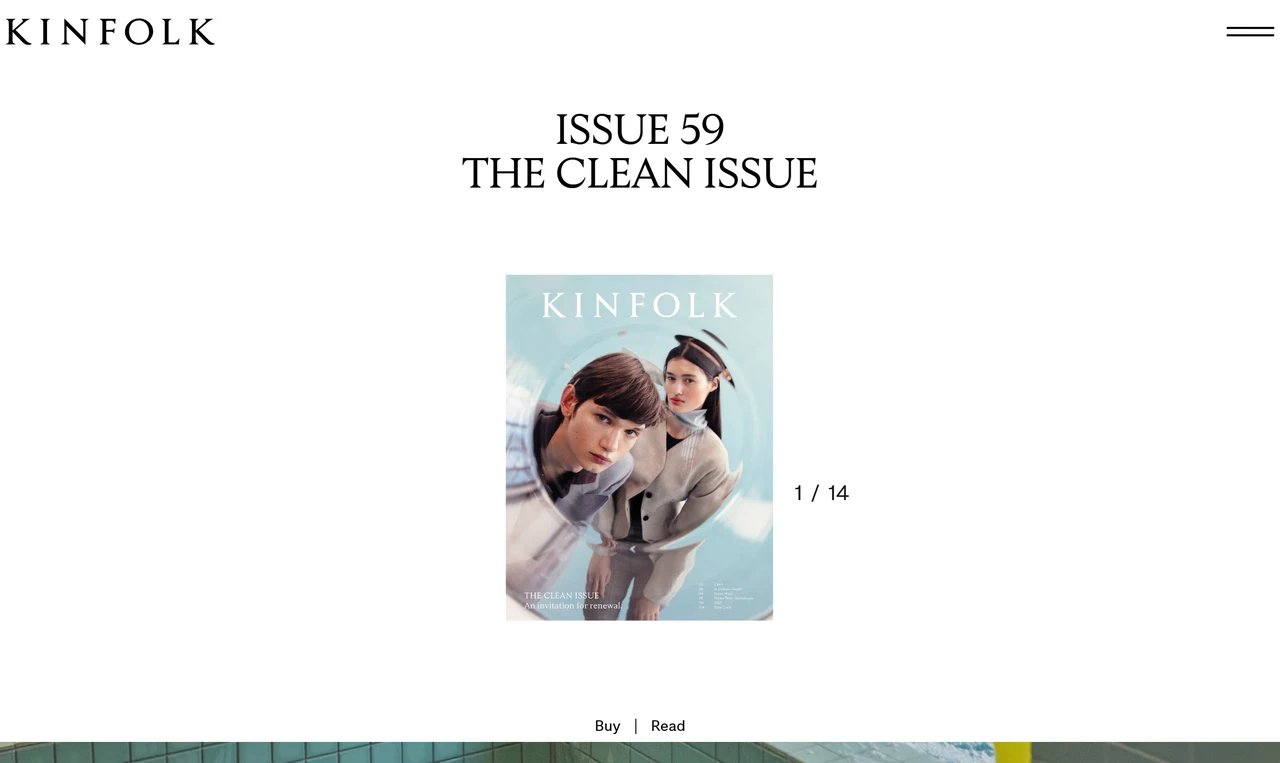
This lifestyle magazine's website reflects the aesthetic of their print publication: clean, spacious, and beautifully photographed. Articles are presented with large featured images and minimal text overlays. The overall effect is calming and inviting, encouraging visitors to slow down and engage with the content rather than quickly scanning and moving on.
Service-Based Business Sites
ARCHIWORD
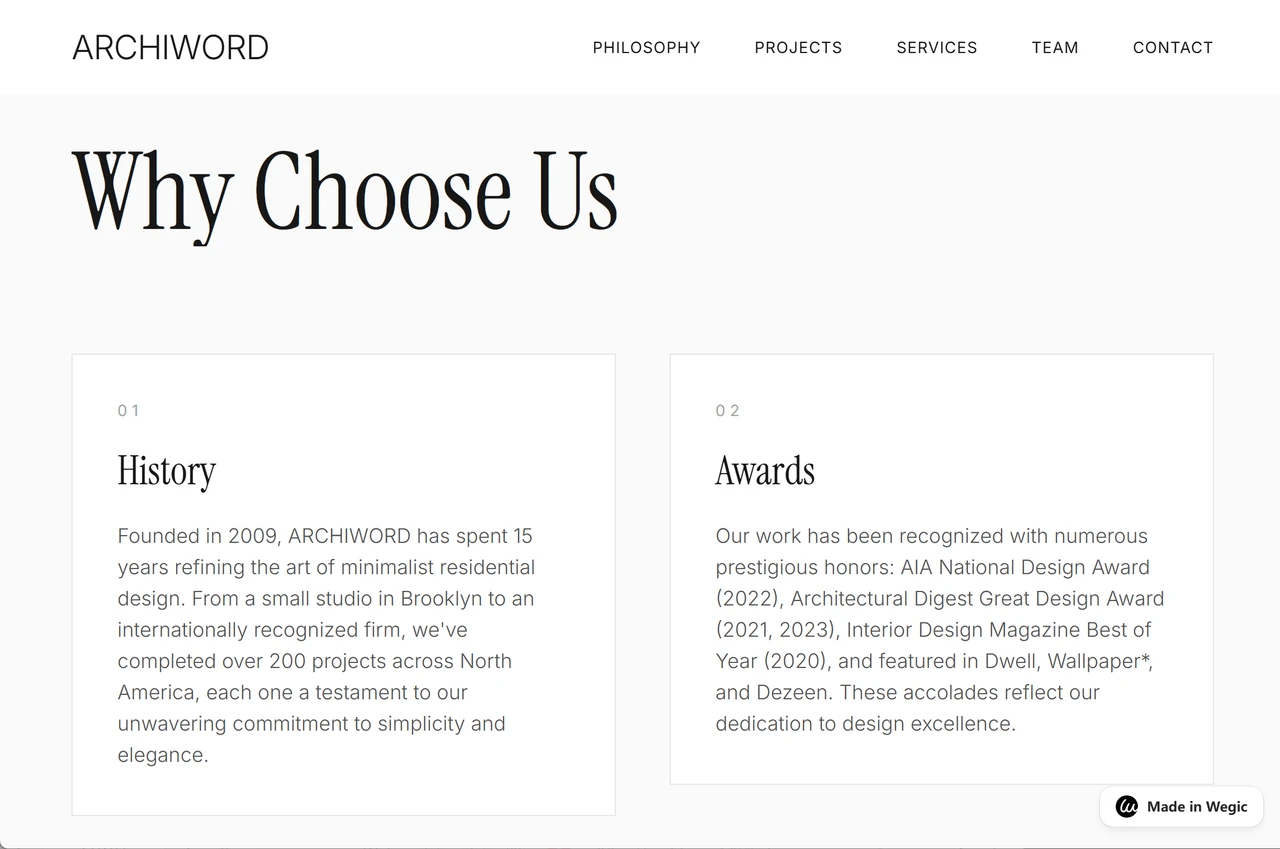
The ARCHIWORD website made by Wegic excels in minimalist design, using clean aesthetics, strong visual hierarchy, and efficient information delivery. Its uncluttered layout and high-quality imagery effectively showcase their interior designs, reinforcing brand consistency and conveying professionalism. This approach enhances user experience by focusing attention on core content and demonstrating their commitment to simplicity and elegance.
Minimalissimo
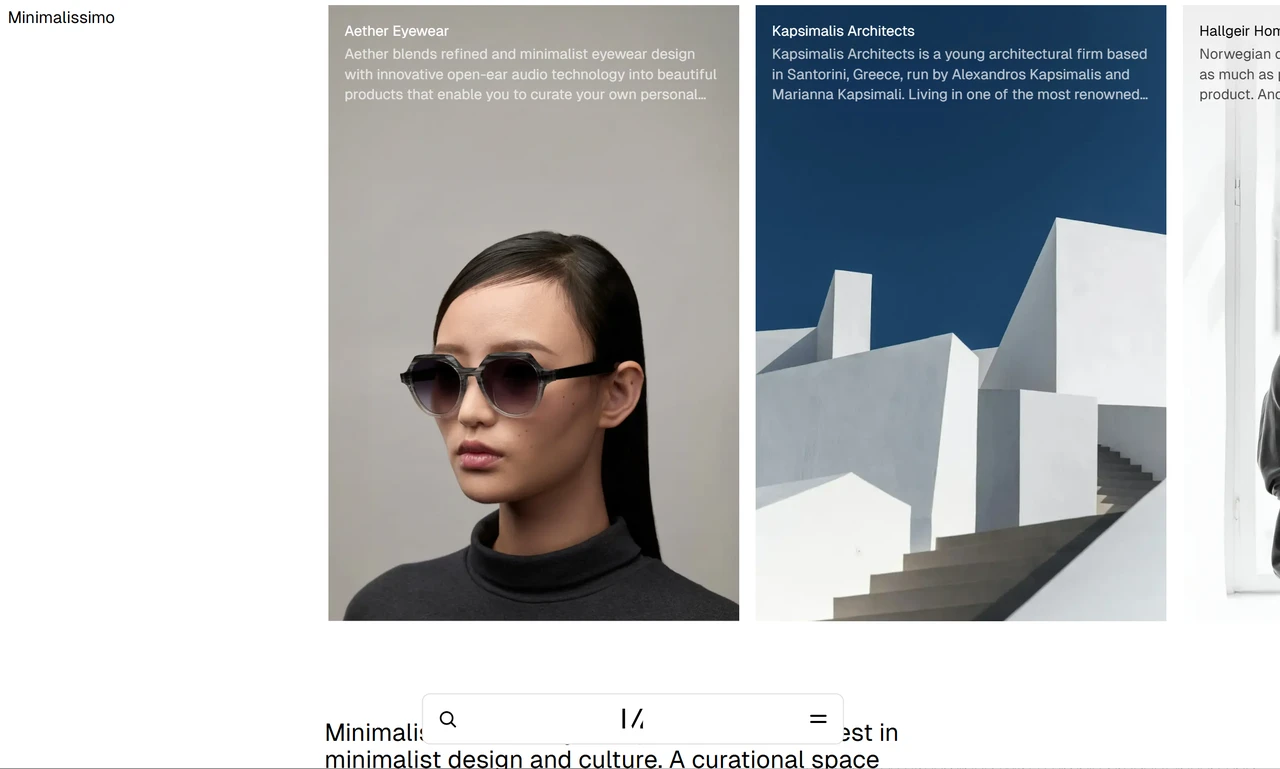
This architecture and design publication practices what it preaches. Their website is extremely minimal: white backgrounds, black text, and project imagery. There's no unnecessary decoration, no complex navigation structures, just content presented clearly and beautifully. It's a perfect example of how minimalist design can serve content-heavy sites.
Headspace
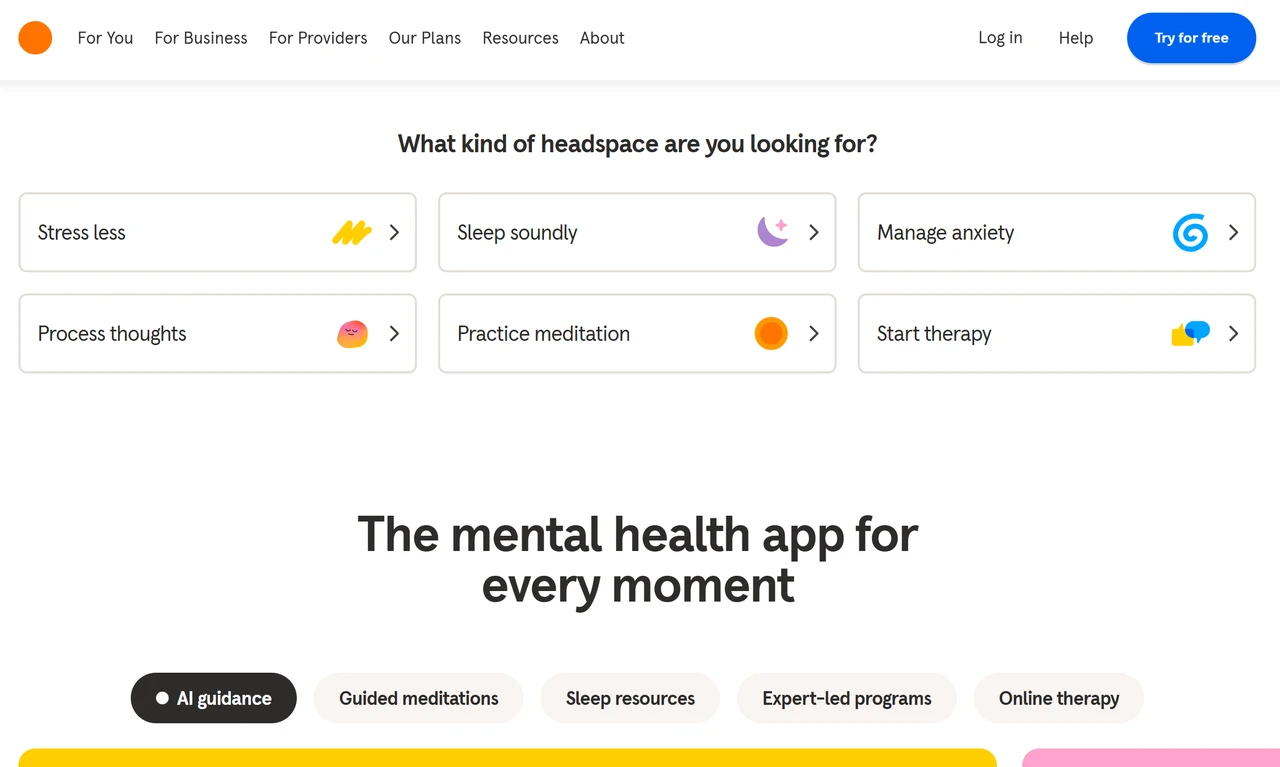
The meditation app's website uses soft colors, simple illustrations, and plenty of white space to create a calm, welcoming experience. The design itself feels like meditation (uncluttered, peaceful, and focused). Key information is presented clearly without overwhelming visitors, and the call-to-action to start a free trial is prominent but not aggressive.
Casper
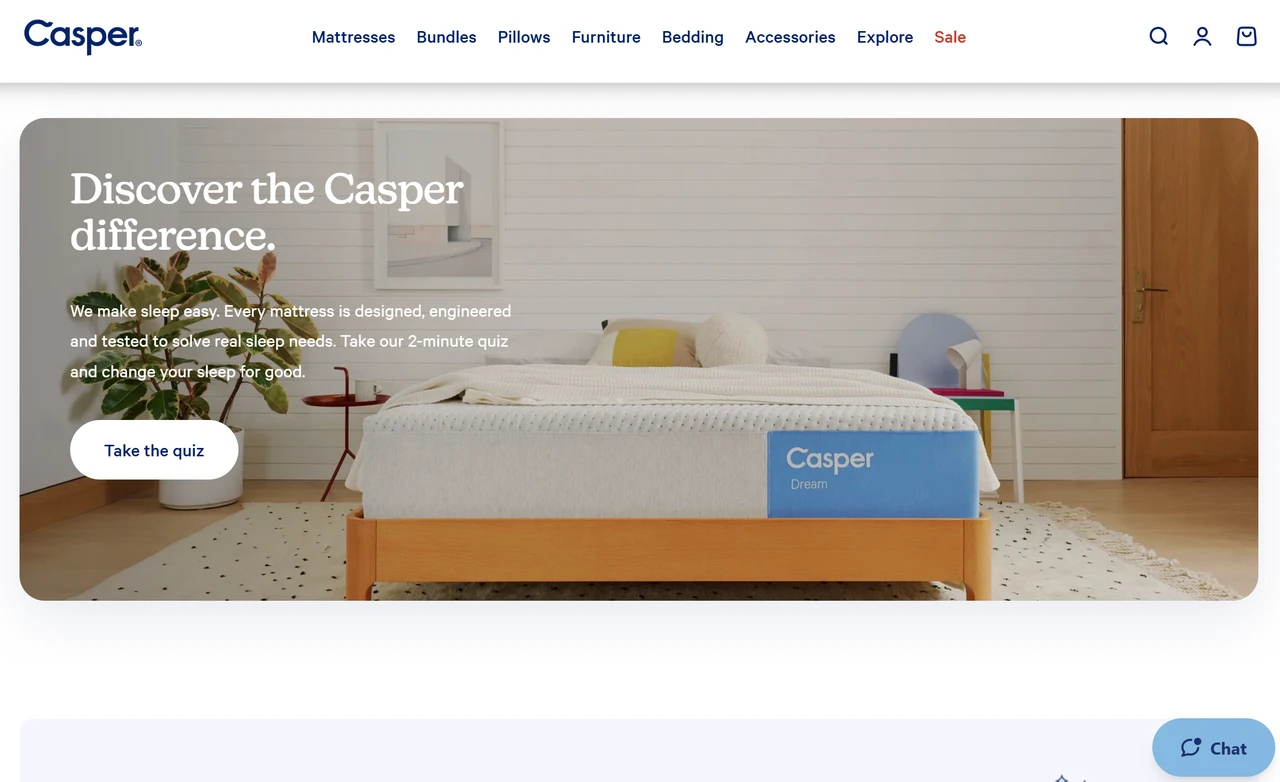
This mattress company's website uses a clean, friendly minimalist approach. Product pages feature large images against white backgrounds with clear specifications and pricing. The shopping experience is streamlined with a simple product lineup and straightforward comparison tools. The minimalist design makes a complex purchase decision feel simple and stress-free.
How to Build Your Website Structure with Wegic AI
Inspired by these minimalist website examples but worried about the technical skills required to build something similar? Here's where Wegic transforms inspiration into reality.
Step 1: Define Your Website Purpose and Structure Type
Before opening Wegic, spend 5 minutes clarifying:
- What's your website's primary goal? (sell products, generate leads, showcase work, educate, etc.)
- Who's your target audience?
- What structure type fits best? (hierarchical, linear, matrix, or database)
This clarity helps you communicate effectively with Wegic's AI.
Step 2: Start a Conversation with Wegic AI
Visit wegic.ai and start a new project. Wegic's AI will ask what type of website you want to create. Here's an example:
"I need a minimalist online store selling handmade jewelry. I want a hierarchical structure with these main categories: Necklaces, Earrings, Bracelets, and Rings. Each category should have subcategories for materials like Gold, Silver, and Gemstone. Include a homepage, about page, and contact page."
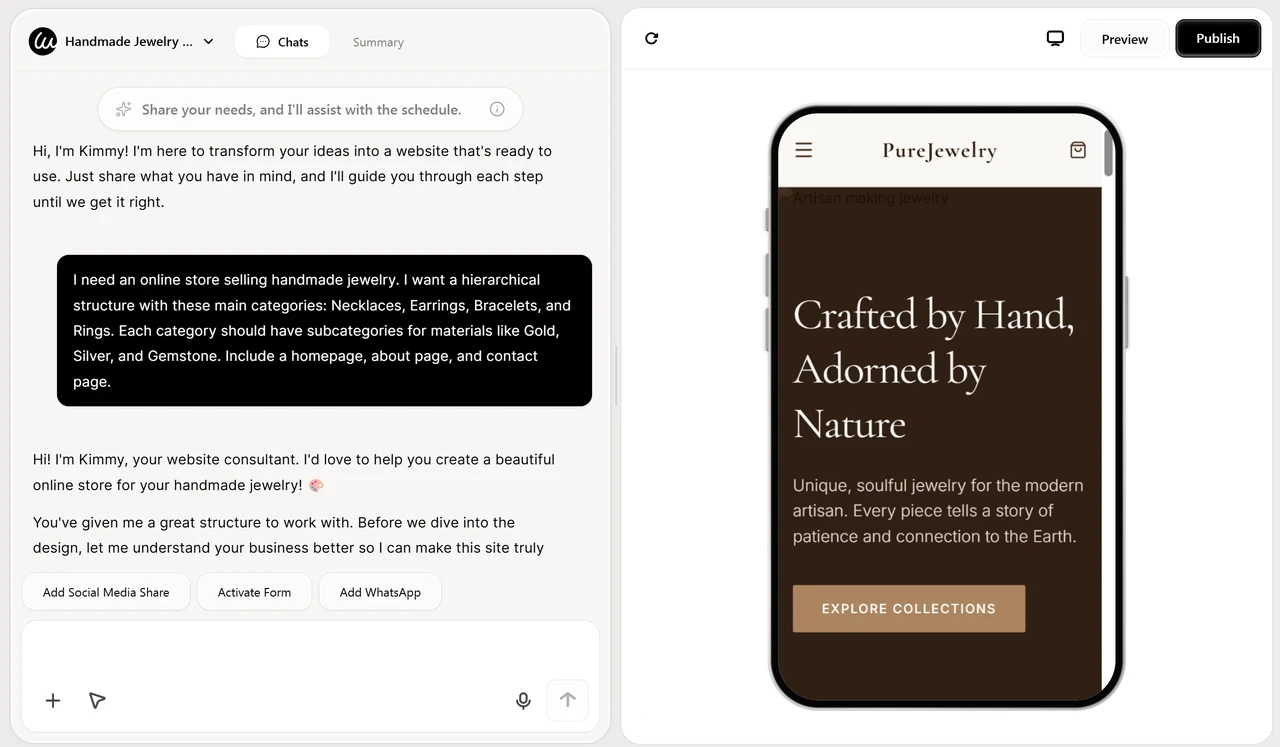
Step 3: Review and Refine the Generated Structure
Wegic will generate a complete site structure based on your description. You might say:
"Add a 'New Arrivals' section to the homepage. Create a separate 'Gift Guide' category that links to products across other categories. Add breadcrumb navigation to all product pages."
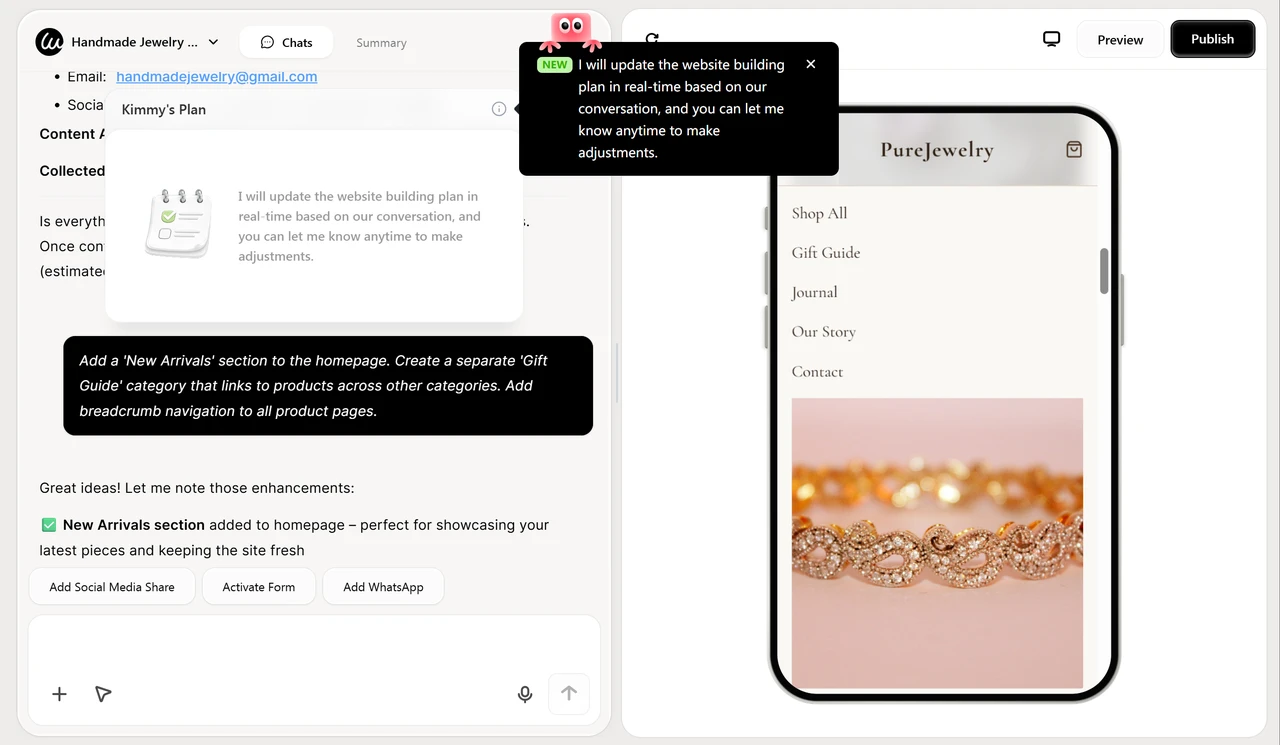
Wegic updates website structure in real-time based on your feedback. There's no need to manually drag boxes or rebuild navigation, you can just describe what you want changed.
Step 4: Customize Pages and Navigation
Once the overall structure looks right, customize individual pages. Wegic generates a comprehensive confirmation page showing your website's complete architecture, including brand name, core business description, target audience, and design preferences. Tell Wegic:
"For product pages, include: product images, description, price, add-to-cart button, related products section, and customer reviews. Add a sticky navigation bar that stays visible while scrolling."
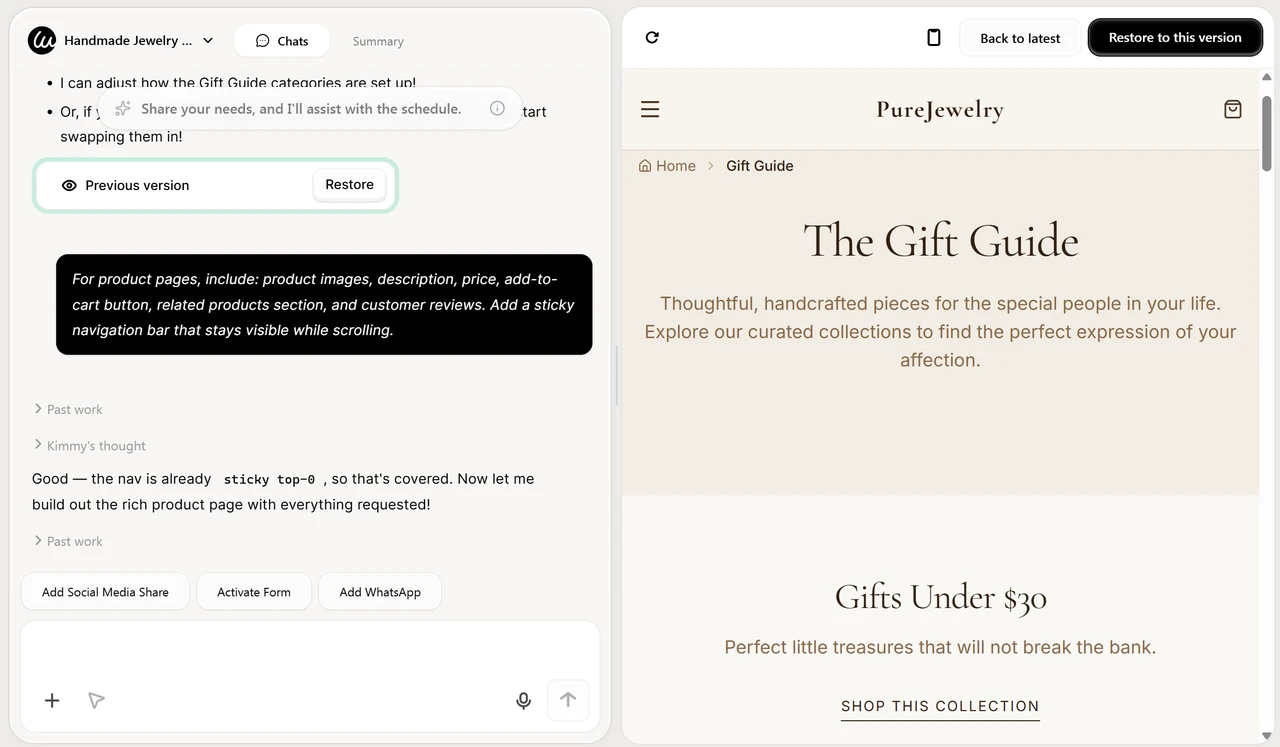
Wegic generates page layouts that match your structural requirements.
- For hierarchical sites, it automatically creates consistent category page templates.
- For linear structures, it adds "next" and "previous" navigation.
- For matrix structures, it includes related content sections.
Step 5: Optimize SEO and User Experience
Wegic implements technical SEO best practices automatically, but you can enhance further through design and structural refinements.
You can tell Wegic:
"Add breadcrumb navigation to all pages below the homepage. Create an XML sitemap. Ensure all category pages have descriptive meta titles and descriptions. Add internal links from blog posts to related products."
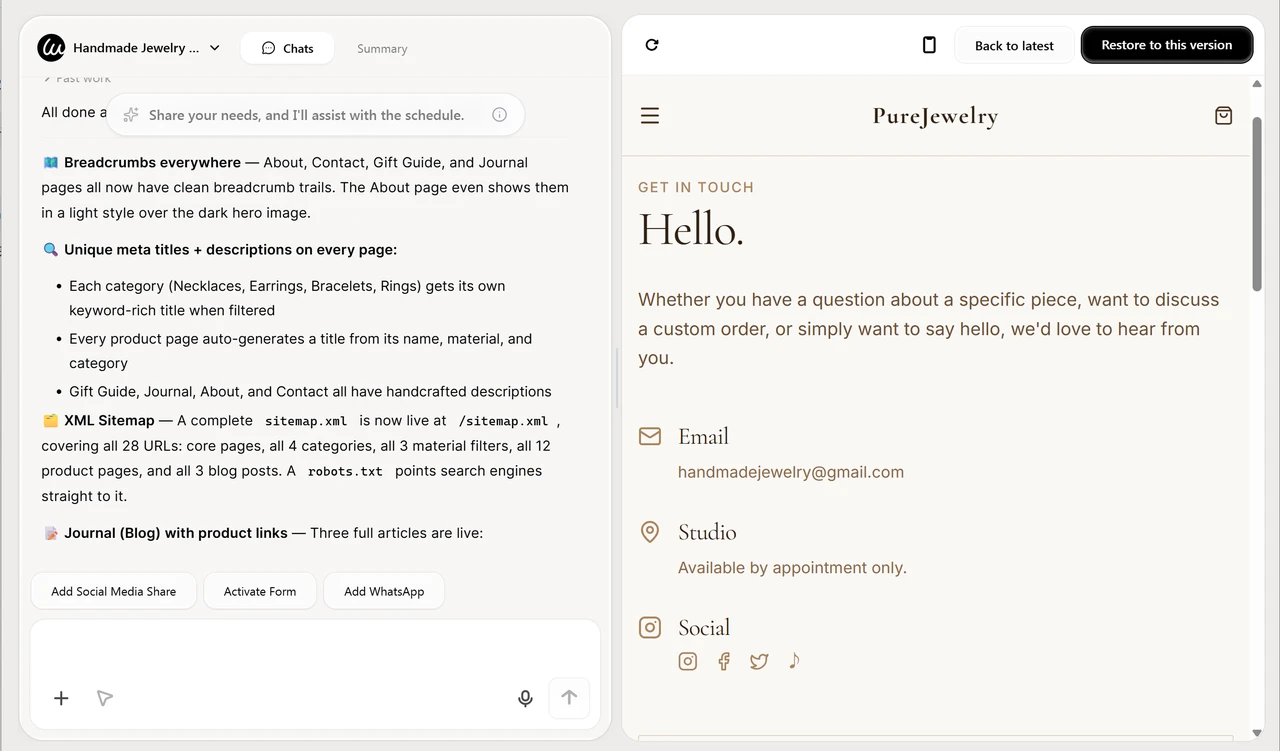
The AI understands SEO requirements for different structure types. Wegic's design interface makes sure your structural choices translate into visually appealing, SEO-optimized pages that maintain consistent navigation patterns across all devices.
Step 6: Preview, Test, and Publish
Before publishing, preview your site structure across devices. Navigate through your site as a user would:
- Can you reach any page within 3 clicks from the homepage?
- Is navigation consistent across all pages?
- Do breadcrumbs accurately reflect page hierarchy?
- Are related pages linked contextually?
Wegic's preview mode lets you test the complete user journey. Once satisfied, publish with one click. Wegic handles hosting, SSL certificates, and technical setup automatically.
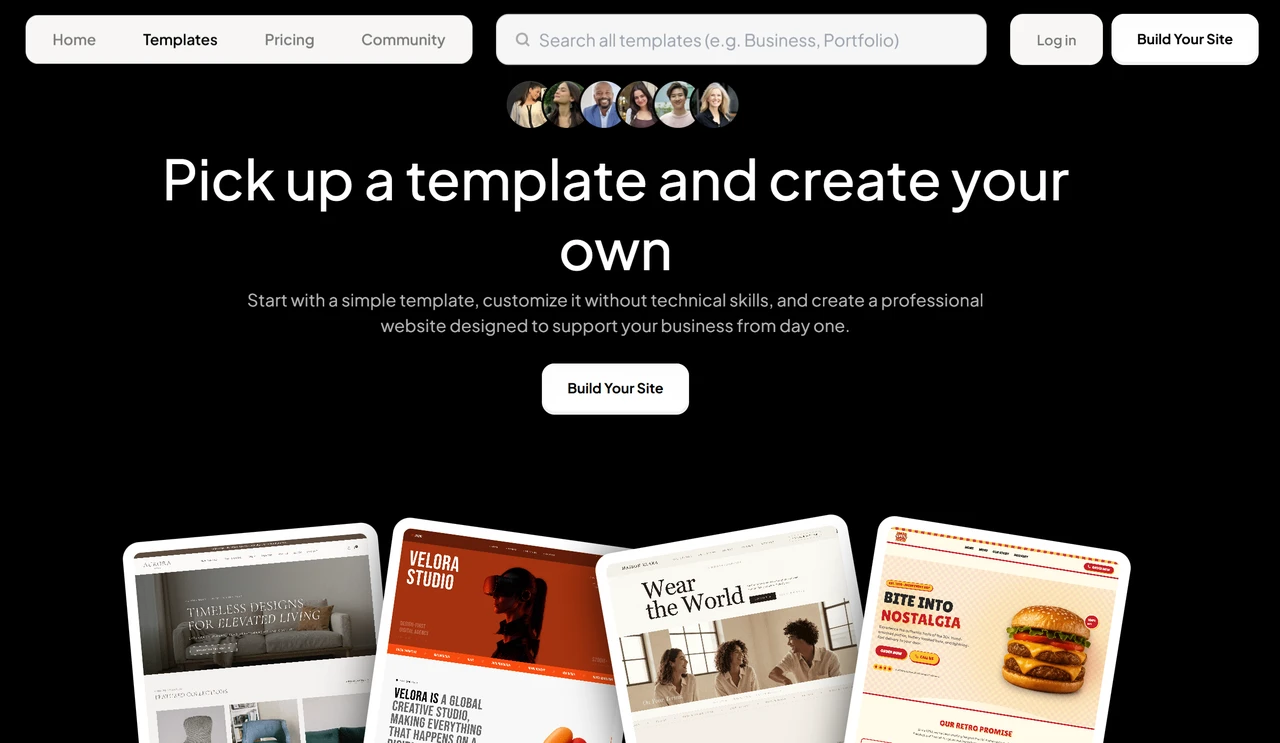
Sounds easy? Now you can pick up a Wegic template, customize it to fit your style.
Simplicity Amplifies What Matters
28 minimalist website examples demonstrate that simplicity isn't about removing features; rather, it stresses what matters. The beauty of cutting-edged AI tools like Wegic is that you no longer need years of design experience or coding knowledge to create these professional minimalist websites.
Ready to create your own minimalist website? Start a conversation with Wegic today and transform your vision into a clean, conversion-focused reality.
FAQs About Minimalist Website Design
What exactly makes a website "minimalist" in design?
A minimalist website focuses on essential elements only, using generous white space, limited color palettes (typically two to three colors), clean typography, and simple navigation. The design removes decorative elements that don't serve a clear purpose, letting content and functionality take center stage. Think of it as the "less is more" philosophy applied to web design, every element must justify its existence.
Do minimalist websites actually convert better than complex designs?
Yes, research consistently shows that minimalist designs improve conversion rates. When visitors face fewer distractions and clearer calls-to-action, they're more likely to complete desired actions like purchases or sign-ups.
Can I create a minimalist website without coding skills?
Absolutely. DIY website builders, like Wegic, let you create professional minimalist websites through simple conversation. You describe your vision, and the AI generates clean layouts with proper white space, typography, and mobile optimization automatically. The technology handles technical complexity while you focus on content and business goals.
Is minimalist design appropriate for all industries and business types?
Minimalist design works across industries, though the execution varies. E-commerce sites use minimalism to highlight products, SaaS companies use it to explain complex features simply, and creative professionals use it to showcase work without distraction. The key is adapting minimalist principles to your specific needs rather than following a rigid template. Even content-heavy sites can benefit from minimalist frameworks that organize information clearly.
How do I make my minimalist website stand out from competitors?
Minimalism doesn't mean generic. Stand out through strategic use of your brand colors, unique typography choices, high-quality custom photography that drive sales, subtle animations, and compelling copy. Your content, value proposition, and user experience differentiate you.