What is an Iterative Process: Definition, Benefits, Examples
Discover the power of the iterative process in this comprehensive guide. Learn how helps you refine ideas, reduce risks, and achieve better results.

Have you ever struggled to complete a task without having to try it 10 times? Straight out of the gate, we can aim for perfection on a website, app, or product design – too overwhelming. Currently living the struggle: like looking at a blank page and not knowing where to go from there. That is where the iterative process comes into play. What does it mean to iterate a process? I will elaborate in the next lines so stay with me! I assure you, it’s a game changer. The iterative process means you no longer need to sweat getting everything perfect on your first try, instead, you can apply incremental improvement over cycles of test, feedback, and refinement.
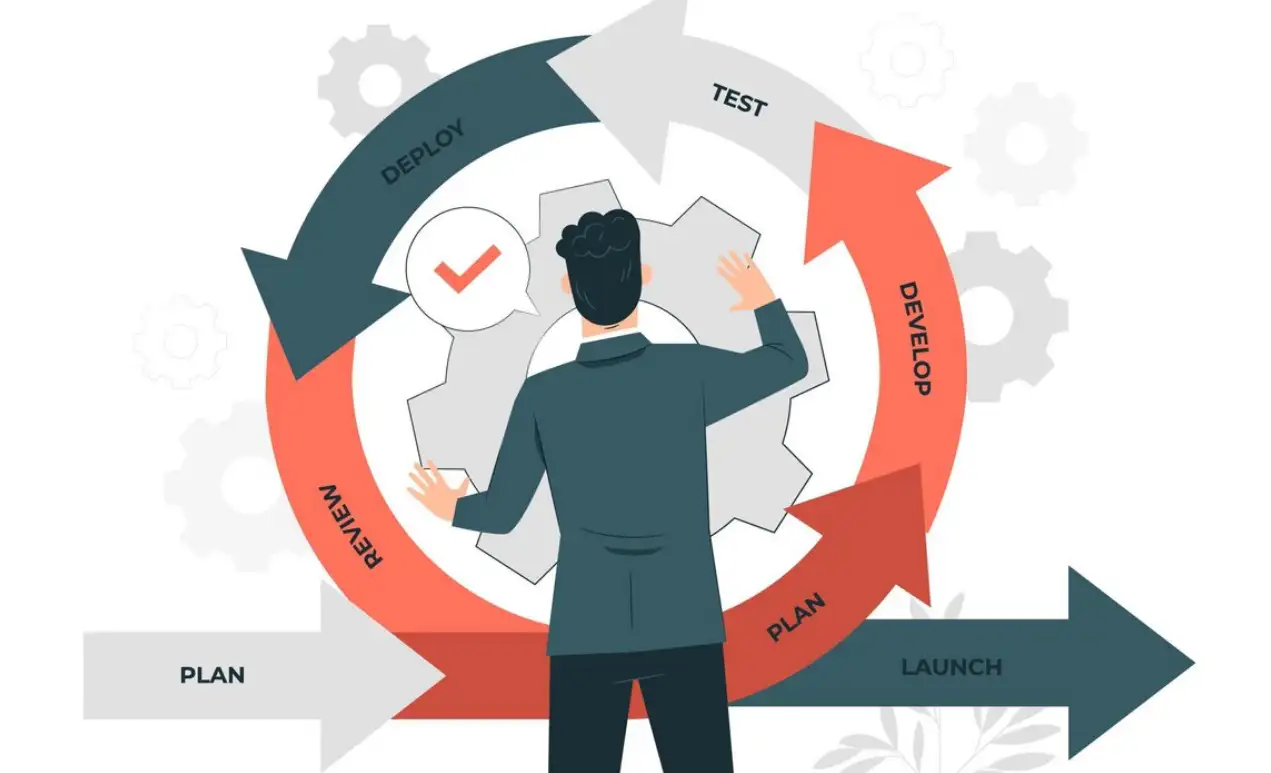
Image by storyset on Freepik
Picture this: a constant building thing bit by bit, becoming better with each step. What has been missing? Sound like it? So let's break down what happens when you use this method, why it works so well, and how you can use it to destroy your next project. One thing, you’ll get onto iteration in no time!What is the Iteration Process? And How Does It Benefit Your Workflow?
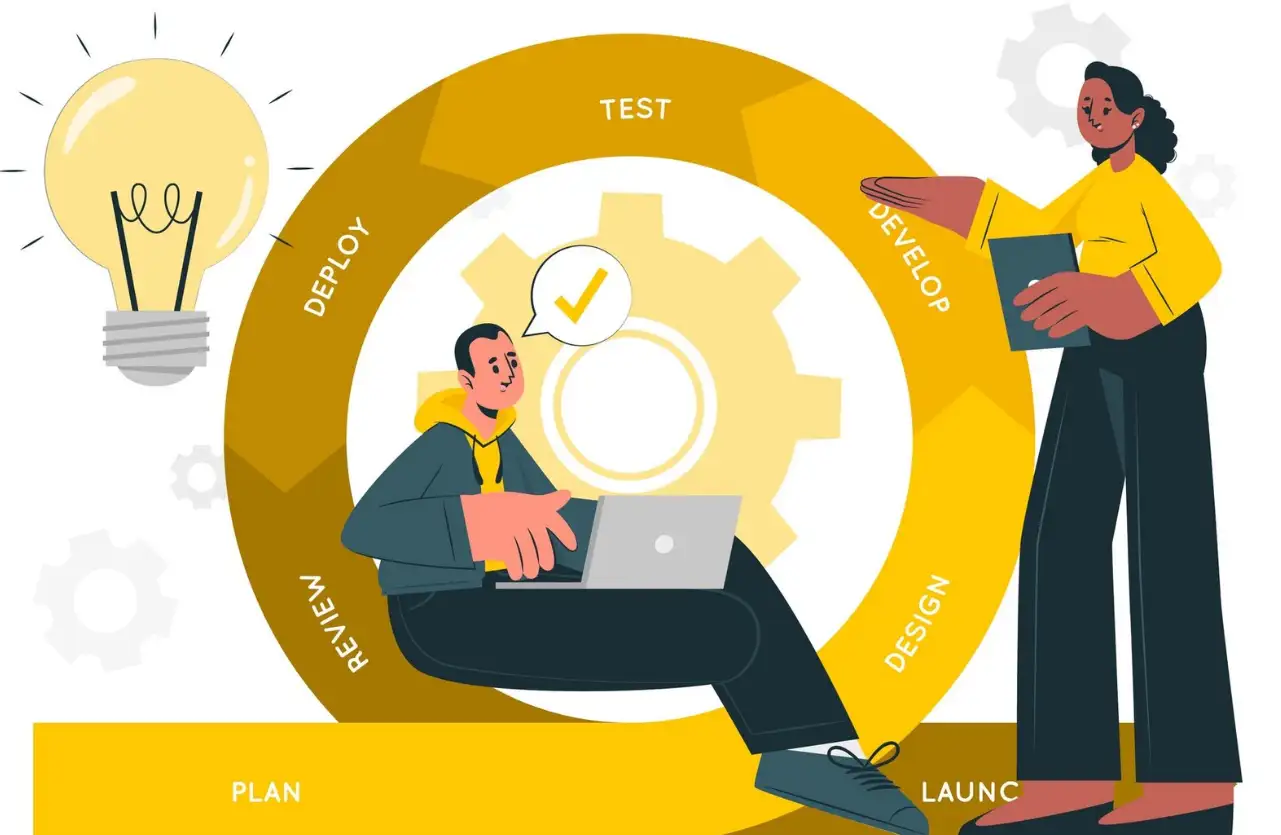
Image by storyset on Freepik
In essence, the iterative process is a way of developing things, building a thing testing it getting feedback and making a better thing. It repeats until you are satisfied with your final result and even then, it continues to repeat because that is how things are. It’s refining and polishing until you get something that shines. You have cycles. You iterate. You build bit by bit, instead of trying to create the perfect product right from the get-go.
One of the big benefits of the iterative process is that it lets you avoid risks. You’re able to catch mistakes early since you’re testing as you go. In addition, it is more flexible than conventional methods. So you’re constantly revising the project; if there’s information coming in or if you’re starting to sense a new customer need, you’ve got your team much more flexible to adapt than you would have with a steady process.
Another big win is efficiency. You’re building something, something that you’ve not worked your whole life to have 6 hours later and then realizing maybe it’s not going to work. This means instead that you’re working in smaller, manageable steps, moving along the way making sure that you each time approach the goal. It translates to a more productive experience, less wasted resources, and less time spent to solve problems. This is why so many companies, from tech giants to startups, rely on this to bring their ideas to life.
What Should the Design Thinking Process be Iterative?
If you have heard of design thinking, you’ll know it’s all about human-centred problem-solving. And guess what? The iterative process is its home. Why? Because seldom, if ever, is design perfect the first time. Something for people: A website, app, or product —when you’re creating it for them to use, you’ve got to make sure it works for them. How do you do that? You try, run, get feedback and make it better. You repeat all of it.
This gives design thinking a bit more fluidity, and a more dynamic process. You’re not stuck with one idea. Perhaps it will change with each attempt, keep trying anyway. It also inspires creativity. You're more willing to take risks or try something wild because you know there's going to be more than one opportunity to refine your work. In each cycle, you have the chance to get better and closer to what the users need.
Simply put, design thinking in an iterative way means constant improvement, ensuring what you’re building is bang on the mark.
What is the Cycle or Steps of the Iterative Design Process?
The iterative process feels like a new dance, each step is learned from the one before, and with each cycle, you are gaining more knowledge of the routine. It’s because creative teams follow a structured series of steps in the iterative process for constant refinement, and if you’ve ever wondered how they can so consistently produce better results, it’s because they do and if you’ve ever wondered. To help you understand why you should be using the iterative process for design and project development, let’s break down these steps so you can get your groove on.
Define Your Goals: What Are We Aiming For?
Image by freepik on Freepik
All iterative processes have a clear goal at the start. What if someone told you they were going on a journey, but you didn’t know where the journey was leading? This is the same thing. This is the first stage in which it’s important to decide what you want to achieve with the project. Whether you’re building a site, product, or app, clear, measurable goals are crucial. It also lets everyone on your team be on the same page as to what you want. It’s the train tracks laid before you even board the train. It ends up being something that you’ll iterate forever, not hitting your targets without a defined goal as it helps to guide you in the right direction.However, the caveat least: that your goals should be flexible enough to be adjusted by feedback. Don’t think with just one idea but do take some time to see the big picture. The joy of the iterative process is that it changes easily.. Trust me, I’m relieved because perfection at the outset is a myth!
Ideation and Brainstorming: Throw Ideas at the Wall (See What Sticks)
You know where you’re going now, it’s time to brainstorm how you’re going to get there. This stage is when you are supposed to let the creativity flow. Go with it — it’s a brainstorming bonanza; where no idea is too wild. Allow everybody to throw in their ridiculous idea. Now recall, this is the time to explore every possible solution. The iterative process is all about testing, failing, and improving.
By this time, you and your team will begin to condense these ideas into actionable plans. What is key here is that each idea you come up with must relate to the overarching goal you set for stage one. If it doesn’t fit, don’t be afraid to throw it away. Of course, there are so many opportunities you can tweak your ideas during the iterative process.
Prototype: Time to Get Your Hands Dirty
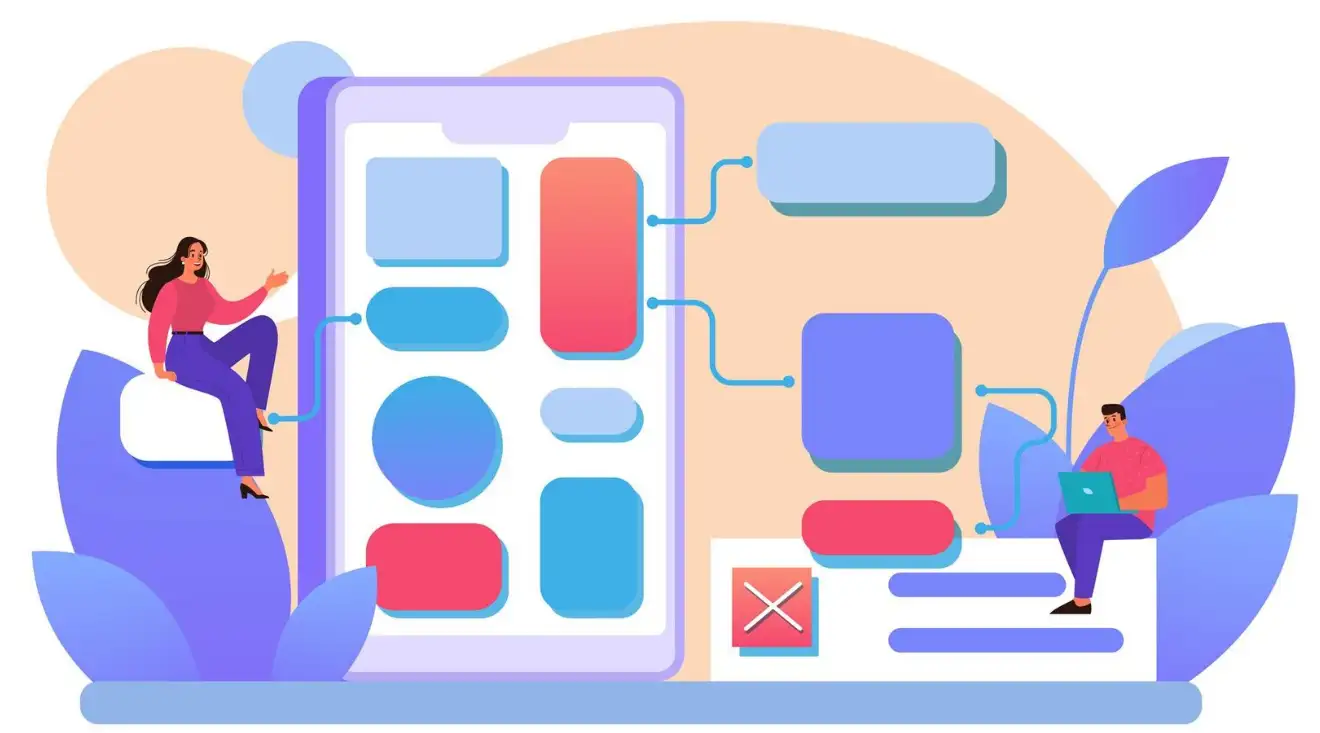
Image by vector4stock on Freepik
Once you’ve come up with a few amazing ideas, it’s time to pull something together: the first version, or prototype. This is your rough draft, your first go at making something to be seen and held. It’s not perfect—it’s supposed to not be! The whole idea of the iteration process is that the first iteration might just be the stepping stone. Depending on how complex the project is you could have a simple prototype such as a mockup or sketch, or a more advanced prototype like a model.During this step, you’re going to be focused on building something and testing that. It’s here to learn the whys and wherefores, see what things are, and start receiving feedback. It’s like a beta test: you’re not building the final product right, whatever you create now is not good enough, but it’s good enough to know if it’s going to be good.
Test and Gather Feedback: What’s Working and What’s Not?
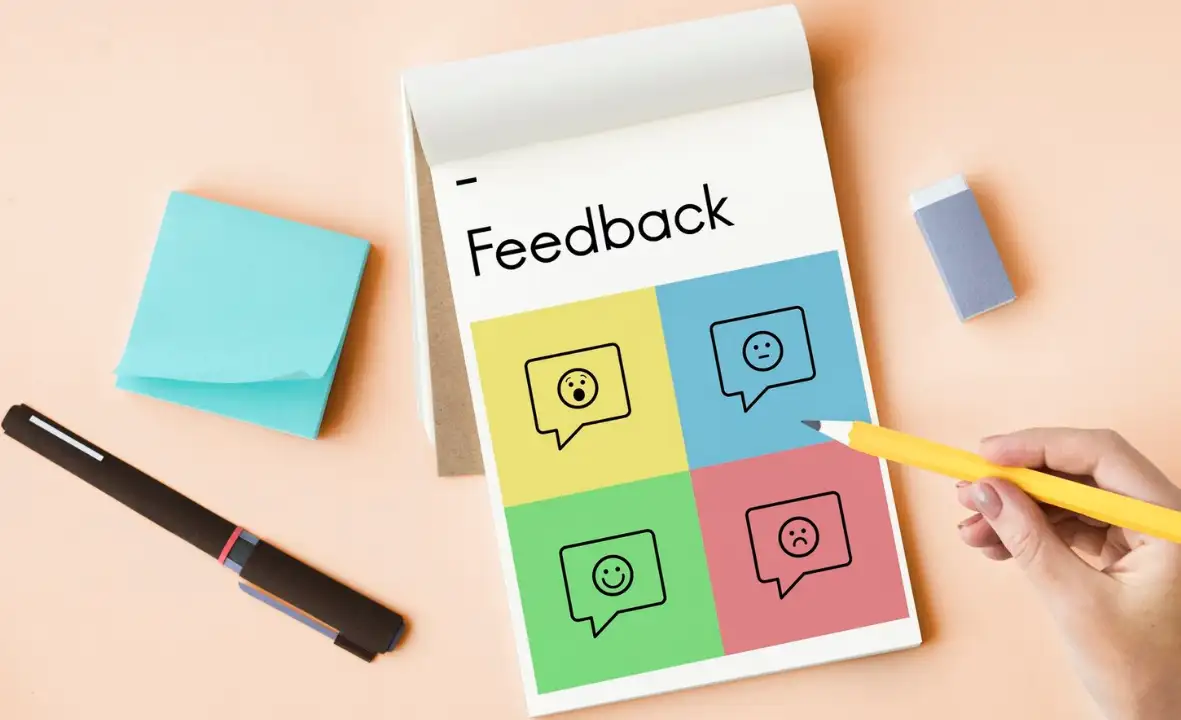
Image by rawpixel.com on Freepik
And now comes the fun part — putting your prototype to the test. Testing is valuable, and it comes as part of the iterative process. You’re looking to get feedback from as many different sources as you can. At this point, stakeholders, customers and even team members contribute to what works and what needs to be improved. The objective is to amass enough data so that you can find areas where you may be hurting, are strong, and spot opportunities for improvement. Real World Testing lets you find all the kinks you may have missed during development, testing software features, new designs, or product functionality.Feedback, especially critical feedback, must roll in. It’s the most effective way to succeed in the iterative process. But a fresh pair of eyes is often all you need to see something you’ve missed, and that is where those breakthrough moments happen that take your project forward. It’s not about beating somebody; it’s about being better together. The better the feedback you get, the bs is place where the iterative process is so interesting: you take what you learnt testing and use it to adjust your design, product, service, or project. This perhaps was just a near-perfect prototype and a few kinks had to be worked out. Perhaps that was to reveal huge flaws that needed to be torn to the ground. This step could happen either way though; taking your findings and running them through on your next iteration.
It is like Version 2.0 of this process. You’re building on what was before but with better insights and a more organized road map. And guess what? Once you’ve tuned your project it’s time to test again. Yep, that’s the iterative process, it is cyclical. Every time it goes through this loop, your project gets better: polished, and fine-tuned.
Repeat Until You Reach Your Goal: When Is It Good Enough?
You may be wondering, ‘How many iterations do I have?’ Well, that all depends on your goals and project. Some cases will require a few cycles before you achieve what you want. In other cases, especially with complex projects, there might be several iterations. The best part about the iterative process is that it’s customizable—you keep refining until you’re happy with the result.
The one thing to keep in mind though is that no iteration is lost. The closer you are to success, the more cycles of improvement you have. You’re still progressing even if you have to go back to the slab a plus or two times. After some iterations, you’ll eventually have something that you’ll be so proud to call the final product.
Examples of Iterative Processes
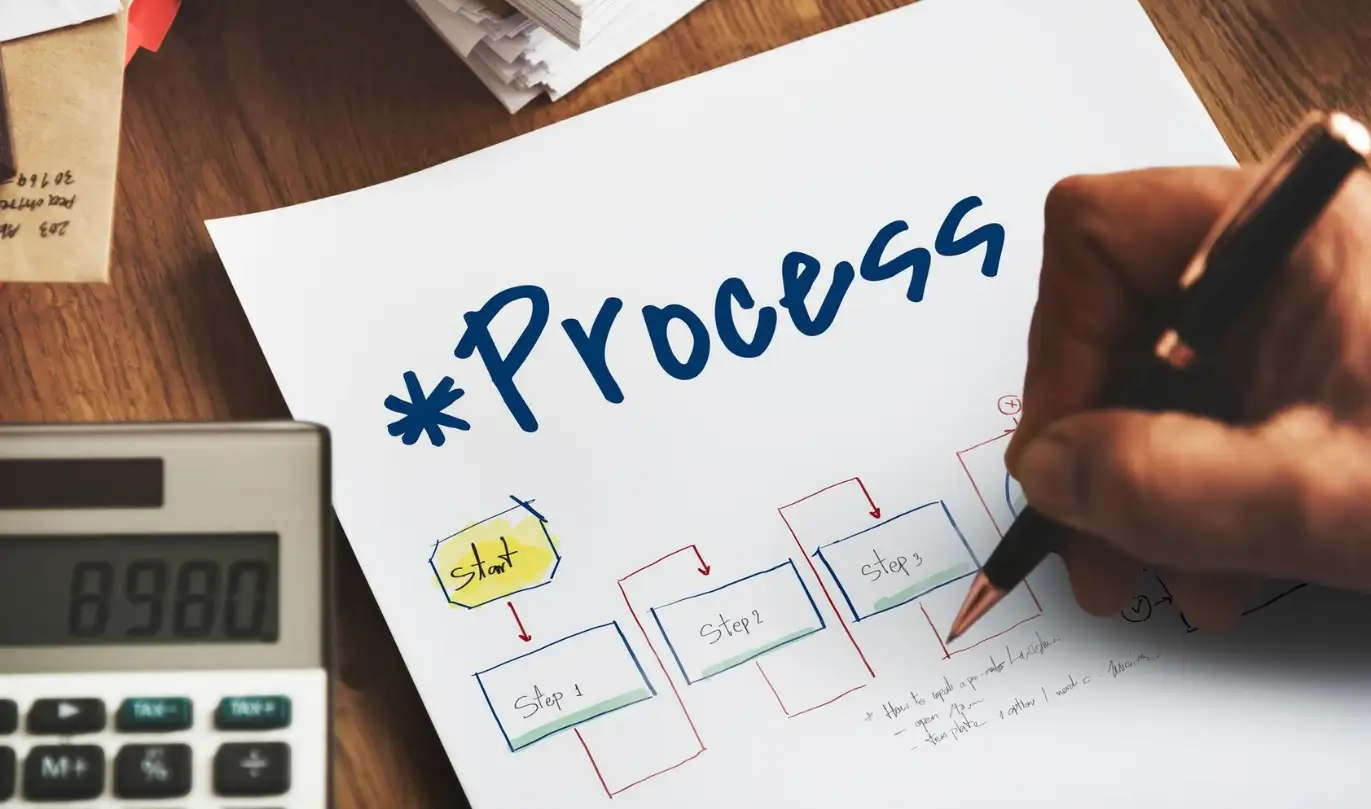
Image by rawpixel.com on Freepik
Next, we will see how the iterative process plays out in real-world situations. These examples might spark some ideas on how you can apply the same method in your projects:-
Website Development: The iterative process is used extensively by many web developers building new websites and additional features. Let’s pretend you’re building a new e-commerce site for example. Rather than creating the whole site and then launching it in one fell swoop, you might begin with the homepage design. You test it, get feedback from users and that’s how you improve it. Doing it this way means you’ve tested and optimized your way more or less in advance, so by the time you’ve gone live with the full site, it will be ready for user experience.
-
Product Design: When you have a way of developing a physical product like a new tool or gadget, you usually go through a few prototypes. They’ll create a version of the product, try it out with users who will use the product, get feedback and improve the design. Lastly, by doing so, they do not have to completely throw away the scoping should the product not turn out to be a masterpiece, yet still manage to achieve a decent result.
-
Marketing Campaigns: In fact, this process isn’t just for designers and developers, but also for marketers. Say, a marketing team can create two variants of an ad campaign, and run it to see which one gets more engagement. They will base their results on what they achieved and they’ll make the necessary changes and try it round again until they achieve the results they’re looking for.
-
App Development: As with web development, the world of application development is heavily based on iteration. In the beginning, it could be an app in its most bare-bones form that has only a handful of basic features. They get feedback, add new features, and improve on the same user needs.
Ready to Tackle the World with the Iterative Process?
Let’s just admit it—perfect things on the first try? Nearly impossible. What am I missing, you ask if you’re anything like me — spending hours staring at your project. But it is part of the beauty of an iterative process and it takes that pressure away. Instead of trying to do it perfectly, focus on doing it a little better today, offering some small amount of improvement every day, cycle by cycle, step by step.

Image by freepik on Freepik
You don’t know exactly what’s wrong or how to fix it? That’s the point! It’s an iterative process that works in trial and error: you refine your work as you go, get feedback, test, and yes, a little bit of creative magic. If you’re still not feeling as confident about jumping into an iterative process as you might like to, I understand. At first, it can feel unfamiliar. Trust me, this method gives you the power to make, test and tweak until you get them just right. There’s no more sleepless nights fretting to get it just right in one go.Instead, you have small, manageable items to work on. Practising less is also a stress buster and productivity booster in one. Hey, and when you’re fully prepared to roll this awesome iterative process out on your no-code website, you don’t have to help you through the process we’ve built an AI assistant at Wegic. It’s like having a digital co-pilot that will help you turn your ideas into reality, one iteration at a time. So why not give it a shot? We can iterate ourselves to the awesome!
Written by
Kimmy
Published on
Mar 17, 2026
Share article
Read more
Our latest blog
Webpages in a minute, powered by Wegic!
With Wegic, transform your needs into stunning, functional websites with advanced AI
Free trial with Wegic, build your site in a click!
What kind of website do you want to build?