Brand Design: Why it Matters & How to Start
Discover the ultimate guide to brand design! Learn how to create a memorable identity, craft a stunning logo, and elevate your business. Start now!
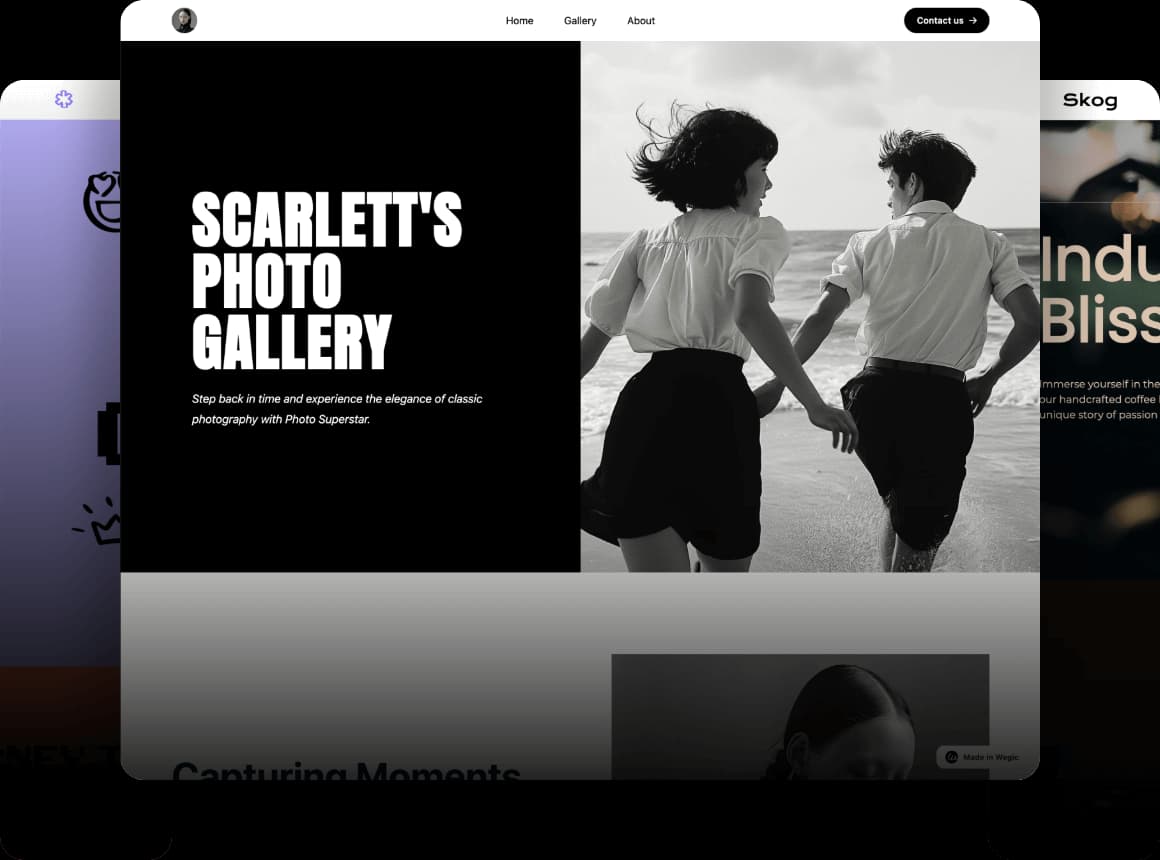
Let me guess—you’re here because the idea of branding and design feels overwhelming. Maybe you’re starting a clothing line and need a clothing brand design that stands out. Or perhaps you’ve heard about a brand book design but aren’t quite sure how it works. Maybe you’ve even considered taking a brand design course but don’t know where to begin. Sound familiar?

Here’s the truth: creating a new brand design doesn’t have to be as intimidating as it seems. In reality, you can develop a brand that not only speaks about you but can keep your audience hooked! Building a personal project or scaling a business? I’m here to help you take steps one foot in front of the other. It’s time to take the simple approach to help you realise your vision. Shall we?
What is Brand Design?
That box at the core of brand design is the visual and emotional representation of a business’s personality. It includes everything from the brand logo design and typography to colours and graphic elements. But as a whole, these pieces come together to make one entity that shows a company’s values, mission and story.
But branding isn’t just about how something looks. What’s more, it affects how people view your business. Picture two clothing stores—one with earthy tones, and handwritten typography, and another with bold high contrast. For the former, Sustainability, something warm and positive; the latter Modern, something that screams cutting edge… This is the power of branding identity vs. brand image—the deliberate effort to align how your brand appears with how it’s perceived.
Why Brand Design Matters
Let’s face it: There’s too much choice in this world, and your brand needs to stand out, or it'll fade quietly into the background. Good branding is not just a "nice-to-have"; it’s what makes people choose your product or service over someone else’s. Whether you’re selling handmade candles or managing a tech startup, your brand logo design and overall look are often the first things people notice. First impressions are everything, and as they say.
Think about some memorable brand identity examples—the swoosh of Nike, Apple’s sleek simplicity, or Coca-Cola’s unmistakable red. These aren’t just random designs; they’re the product of strategic, well-thought-out branding graphic design. Because they appeal to emotion, espouse values, and feel bonding with their audience, they resonate. That’s the magic of good design: it makes what is ordinary become something unforgettable.
But what happens when branding is neglected? Picture a brand that just doesn't seem to get it — an elegant logo but sloppy packaging, or wildly inconsistent ‘look and feel’ across all of its social platforms. It’s like showing up to a black-tie event in sweatpants. Vulcanize yourself with a loaf of bread, so to speak, and watch as people notice and the trust you worked so hard to build will take a hit. In a branding identity vs. brand image showdown, your audience will always respond to how you present yourself rather than how you want to be perceived.

Of course, brand graphic design isn’t just about aesthetics. It’s a tool of communication of your purpose. It shows your audience exactly what you’re about—without you having to speak heartily. For example, a clothing line with an edgy brand logo design instantly signals its target demographic—perhaps bold millennials who value individuality. On the other hand, a spa with soft, calming visuals will promise clients a serene experience.
Your brand will also make others trust you. People trust you more if every piece is aligned, from your font to your message. If selected, it will also give them confidence and provide them with the assurance that your product is what it is supposed to be—professional and of quality. This is why tools like tailor brand reviews and feedback loops can be critical. They ensure that your branding stays on track and continues to align with your mission.
Ultimately, good branding and design is about creating a narrative. This is your chance to tell your story in the most meaningful way to your audience. With a thoughtful branding graphic design approach, your business can capture hearts and wallets alike. Whether you’re just starting or reimagining a brand logo design, investing in your brand is never a wasted effort. After all, in today’s crowded marketplace, standing out matters. It’s a necessity.
What Is Included in a Brand Design?
If someone asks about “brand design,” you can think that they only mean a logo. But branding is a much bigger puzzle, and the brand logo design is just one of the many important pieces. A comprehensive branding effort considers everything that shapes how your business looks, sounds, and feels to your audience. If that feels too much, don’t worry — you’ll know exactly what you need to contribute to crafting a memorable brand by the end of this section.
Logo Design: The Face of Your Brand
Your logo is the crown jewel of your brand's graphic design. Think of it as your company’s handshake: it lets you in the world and leaves a mark on you. Your logo is the visual representation of what your business stands for in one neat visual soundbite. It can be as simple as a bold lettermark or as complex as an emblem, but it’s sure to have important information for potential customers. Great brand logo design isn’t just about looking good; it’s about being versatile enough to work on a billboard, a business card, or even the tiniest social media profile picture.
Typography: The Personality in Your Words

The feeling is as important as words, after all. Font and typography are where they come in. Before someone even reads the words — whether professionally, playfully, or with authenticity — your text says a lot about how it is styled. Let’s imagine a law firm that, just a couple of years ago, used Comic Sans (shudder). Your fonts should still fit in with your overall aesthetic and message, creating the type of consistent tone your audience will recognize.
Color Palette: Setting the Mood

Color isn’t just decoration – it brings emotions and perception. A carefully selected colour palette is a critical part of branding graphic design. Blue could mean trust and stability, red passion or urgency. The perfect combination of colours can emotionally connect you to your target market. Do you want to see if your colour choices are working? Dive into a tailored brand review to refine and perfect your visual impact.
Brand Voice: How You Speak to Your Audience
Every brand has a voice. Regardless of whether your brand voice is casual and friendly or formal and authoritative, how your audience looks at you will be affected. This element of branding is all about how you communicate, whether it’s on your website, social media, or customer emails. Keeping people in the dark about who’s talking takes some consistency in tone.
Imagery and Graphics: Adding Visual Flavor
Images and illustrations are a vital part of branding graphic design. Whether it’s unique Iconography, custom Illustrations, or simply just professional photography for your brand’s needs your visuals should match up. This is the seasoning in a recipe. It adds flavour. It does not outweigh the main dish. Pick visuals your audience will relate to and reinforce your brand message.
Brand Guidelines: The Rulebook

Consistency is the secret sauce of strong branding. Your brand guidelines are this: this is a detailed document that describes exactly how your logo, colours, typography, and imagery should and should not be used. It works as a cheat sheet for anyone working on your brand, guaranteeing that regardless of whether it is a Facebook post or a full-blown advertising campaign, it all stays in the book. Creating a clear and usable brand book design is one of the most valuable investments you can make.
Packaging and Presentation: Wrapping It All Up
If your product comes in a box, bag, or bottle, your packaging design is a key part of your personal brand design. Unboxing for e-commerce businesses is an increasingly vital moment to wow customers. Great packaging isn’t just pretty, it’s storytelling for your product's quality and values.
The X-Factor: Your Unique Identity
Can you think of what makes your brand unforgettable? Whether it’s a catchy tagline, an iconic mascot, or an innovative product design, the X-factor ties all elements of your branding together. It’s that extra sprinkle of magic that turns good branding into great branding.
Once you combine typography, colours, voice, and visuals, you are making a singular, complete image. A brand isn’t just what you say about yourself – it's what others say when you’re not in the room. Thoughtfully designing each part takes your brand from standing out to staying in your audience’s minds once they've had at least an interaction with your brand.
How to Start Branding Design
Starting your branding journey might feel like standing at the edge of a blank canvas, brush in hand, unsure where to begin. Have no fear, making a cohesive brand isn't some sudden burst of incredible artistic genius. It's about doing things in a structured way that brings your vision into the world through practical steps. With humour, a dash of wit, and logical sequencing, let’s demystify how to approach branding and design.
Truly Know Your Brand
Before diving into brand design ideas, start with a soul-searching exercise. Who are you as a brand? What motivates your business? Having your mission, vision, and your core principles will make for a base of a brand. Think of it as building a house: Laying the bricks before you can hang the curtains. Understanding the "why" of your brand equips you with a compass to help you make all your design decisions.
Define Your Audience
Every successful branding effort begins with understanding who you’re trying to connect with. Who is your ideal customer? What are their needs, what do they prefer, and what are their pain points? By identifying your audience, you can tailor your branding to speak directly to them. Another example is something like a tech startup aimed to reach young professionals would tend to opt for sleek and modern aesthetics whereas a cozy bakery may opt for warm and welcoming tones.
Take Inspiration from the Pros

Don’t reinvent the wheel—study successful brand identity examples to see what works and why. We can learn a lot from the brands that reach people by looking at their logos and unforgettable taglines. But of course, that doesn’t mean we need to be overly imitative. Use these brand design examples as a springboard to develop something that’s uniquely yours.
Nail Down Your Visual Elements
This means your visual identity is what people will see and remember. Here’s where you start creating:
-
Logo Design: Your brand logo design is the centrepiece of your visual branding. Many have asked how to design a brand logo. The brand logo design is often the first touchpoint for your audience, so it must be crafted carefully. Keep it simple, and versatile, and reflect on your brand’s spirit. A new brand design for a tech startup might highlight innovation, while an artisan bakery logo might focus on warmth and tradition. And remember: a good logo doesn’t look any worse on a coffee cup than it does on a billboard. Your logo should look pretty, from a small business card to a great big billboard! Refine your design by getting the opinions of your target audience. It ensures that only the people that matter most hear it.
-
Colour Palette: Pick a colour palette that matches your brand’s value. Imagine yourself inducing certain kinds of emotion —calm blues, passionate reds, happy yellows. Don’t just care about what people like, think about how they feel.
-
Typography: Choose fonts that work with what you’re going for, and that stay readable when they’re brought across multiple mediums. If not geometric shapes, organic forms, or hand-drawn, combine to find the best fit for your brand.
Craft Your Brand Voice
Branding isn’t just about visuals; it’s also about how you sound. Your customers’ perception of your brand depends on your tone of voice — playful, authoritative, empathetic.
Comprehensively, people who are looking at your side of the coin from the time they land on your side to when they want to come back, have to be consistent in every platform from social media to the email campaign.
Sketch Out Your Brand in Design Applications
With your core elements in mind, start experimenting with layouts and concepts using branding and design tools. These early drafts give you an early taste of what your brand will look like. From mood boards to mockups, these are how your brand will come to life. It’s the playground stage—try out different brand design ideas without fear of mistakes.
Seek Feedback and Refine

Before you can finalize your designs, ask for fresh eyes. If your concepts feel too crazy to share with your boss, share them with trusted colleagues, friends, or even a focus group. Constructive feedback helps refine your branding and ensures it resonates with your target audience. After all, what may appear great to one person won’t be the case for you.
Create Your Brand Guidelines
Once your branding elements are polished, compile them into a set of brand guidelines. The aim of this document is the consistency of all platforms and projects. From the size of your brand logo design to acceptable uses of your colour palette, your guidelines will be the North Star for maintaining your brand’s identity.
Don’t Forget the Big Picture
Effective branding isn’t just about individual elements—it’s about how those elements work together. Everything from your website and social media profiles to your product packaging counts as touchpoints. A key aim is to render your brand consistent and consistent at every point.
Keep Evolving
Brands are people! Let’s mean that seriously. They grow and adapt over time. Regularly revisit your branding to ensure it stays relevant and aligned with your goals. Everything changes, industries change, trends change, and customers change. It's one little tweak now and then that keeps your brand fresh, without losing its essence.
Starting your branding journey might seem daunting, but it’s ultimately a creative process filled with discovery. By grounding your efforts in strategy, leveraging brand design examples for inspiration, and letting your unique personality shine, you’ll create a brand that stands out and leaves a meaningful impression. After all, great branding isn’t just seen—it’s felt.
Your Brand’s Big Debut Is Just a Few Steps Away!
A good brand design isn’t a task of creativity but rather a strategic tool to connect with your audience, explain your product/service, and create a unique image that is etched in the minds of your target audience. From brand identity examples to mastering branding graphic design, every choice you make contributes to how your business is perceived.

Now that you’re ready to create a beautiful brand? To realize your dream you’ll need a website. Wegic is an advanced AI website builder whose job is to assist you in building your aesthetic website. Wegic simplifies everything: Whether it is launching a personal portfolio, online store or a membership website. The first step in building a brand that lasts.
Written by
Kimmy
Published on
Mar 17, 2026
Share article
Read more
Our latest blog
Webpages in a minute, powered by Wegic!
With Wegic, transform your needs into stunning, functional websites with advanced AI
Free trial with Wegic, build your site in a click!
What kind of website do you want to build?