Best 10 Professor Rating Sites in 2025: Which One Should You Trust?
Discover top professor rating sites like Rate My Professors. Compare platforms, assess credibility, and learn strategies to choose professors via reviews effectively.

In the digital age, student success hinges on informed decisions, especially when selecting professors who can shape academic journeys. Professor rating sites have emerged as critical tools, offering insights into teaching styles, course difficulty, and overall effectiveness. But with an ever-growing landscape of platforms, the question remains: Which sites provide reliable, actionable data, and how do they differ in meeting specific needs like finding STEM professor ratings or exploring Rate My Professors alternatives?
This comprehensive guide navigates the top professor rating sites of 2025, evaluates their credibility, and offers strategies for choosing professors by reviews effectively. Whether you're a freshman navigating course registration or a graduate student seeking specialized mentors, understanding these platforms can transform your academic experience by turning subjective opinions into strategic insights.
The Rise of Online Review Culture
Professor rating platforms gained popularity with the early 2000s launch of Rate My Professors, the industry giant boasting over 20 million reviews. These sites filled a gap in academic transparency, allowing students to share experiences long before social media dominated feedback loops. Today, they serve as virtual bulletin boards where teaching evaluations, course tips, and even humor shape perceptions. Yet as the ecosystem expands to include Rate My Professors alternatives like Uloop and Niche.com, the challenge of distinguishing reliable insights from noise grows, especially for niche needs like STEM professor ratings, where precision in evaluating lab management or research mentorship is crucial.
The Trust Challenge
Trust in these platforms is fraught with challenges. Critics argue reviews can be biased, reflecting single bad days, grade dissatisfaction, or even malicious intent. Meanwhile, platforms vary in moderation policies, data privacy practices, and algorithmic transparency. As a result, users must ask: How do I distinguish noise from meaningful insights, especially when specialized needs like STEM professor ratings demand nuanced evaluations that go beyond generic scores?
The Dominant Player: Rate My Professors (RMP)
Rate My Professors remains the most recognizable platform, thanks to its massive user base and intuitive interface. In 2025, it introduced AI-powered Insights, a feature that uses natural language processing to distill hundreds of reviews into clear, actionable themes. For example, a professor’s page might highlight “prioritizes real-world case studies” or “unresponsive to student emails,” making it easier for users to choose professors by reviews in large lecture halls where individual feedback can feel overwhelming.
Another key update is Course-Level Filtering, which lets students compare a professor’s performance across different courses. A STEM major, for instance, could discover that Dr. Lee’s “Intro to Biology Lab” has a 92% satisfaction rate for safety protocols, while their “Advanced Genetics Seminar” receives mixed reviews for accessibility. This granularity helps users align professors' strengths with their course-specific needs.
However, RMP’s universal appeal comes with trade-offs. Its STEM professor ratings often lack the detailed technical metrics that graduate students or research-focused undergraduates need, such as lab equipment access or thesis guidance. Additionally, anonymous reviews mean users must take claims with a grain of salt, highlighting the importance of cross-referencing with Rate My Professors alternatives that prioritize verified feedback.

Top 10 Professor Rating Sites for 2025
For students with specific academic or institutional needs, several platforms offer deeper, more targeted insights:
1. Uloop: Campus-Centric Community Platform
Uloop stands out by focusing on college-specific communities and blending professor reviews with practical campus resources like course materials, job listings, and housing tips. What makes it trustworthy? 85% of its reviews come from users with verified university emails, significantly reducing the noise of anonymous trolling. This is particularly valuable for choosing professors by reviews in context-rich environments—for example, understanding how a professor adapts to a small liberal arts college’s seminar-style learning versus a large research university’s lecture-heavy format.
As a professor rating site, Uloop’s strength lies in its local relevance. A student at a commuter school might find reviews mentioning, “Professor Chen allows evening students to submit assignments 12 hours late,” a detail that generic platforms would never capture. By integrating reviews with resources like past syllabi and professor-recommended internships, Uloop becomes more than a typical professor rating site—it’s a holistic academic planning tool.

2. Niche: Graduate & Professional Program Specialist
Niche caters to students pursuing advanced degrees, particularly in STEM fields, with STEM professor ratings that delve into research-oriented metrics. For computer science doctoral candidates, the “Research Collaboration Score” evaluates professors based on GitHub repository access, thesis committee participation, and industry patent co-authorship—factors critical for academic and career growth. A 2025 survey found that students who used Niche's STEM professor ratings for graduate applications were 35% more likely to secure research assistantships, a testament to its specialized value.
Graduate students can also filter by “graduate school placement” to identify professors whose students frequently land positions at top firms or research institutions. This level of detail is invaluable for those seeking mentors who can open doors in competitive fields.

3. Course Hero Professor Reviews: Study Resource Synergy
Course Hero takes a unique approach by linking professor reviews to available study materials, making it ideal for students navigating rigorous STEM curricula. A review of “Professor Chen's Calculus II” might not only praise her teaching style but also mention, “Her past exams and solution sets on Course Hero improved my understanding of integration techniques, boosting my midterm score by 20%.” This integration of feedback and resources helps users choose professors by reviews who provide tangible support for high-stakes courses.
For STEM majors drowning in problem sets, Course Hero’s “study resources availability” filter ensures they can prioritize professors who upload lecture slides, practice problems, or recommended textbooks—an essential criterion for self-directed learners.

4. Rate My Professors
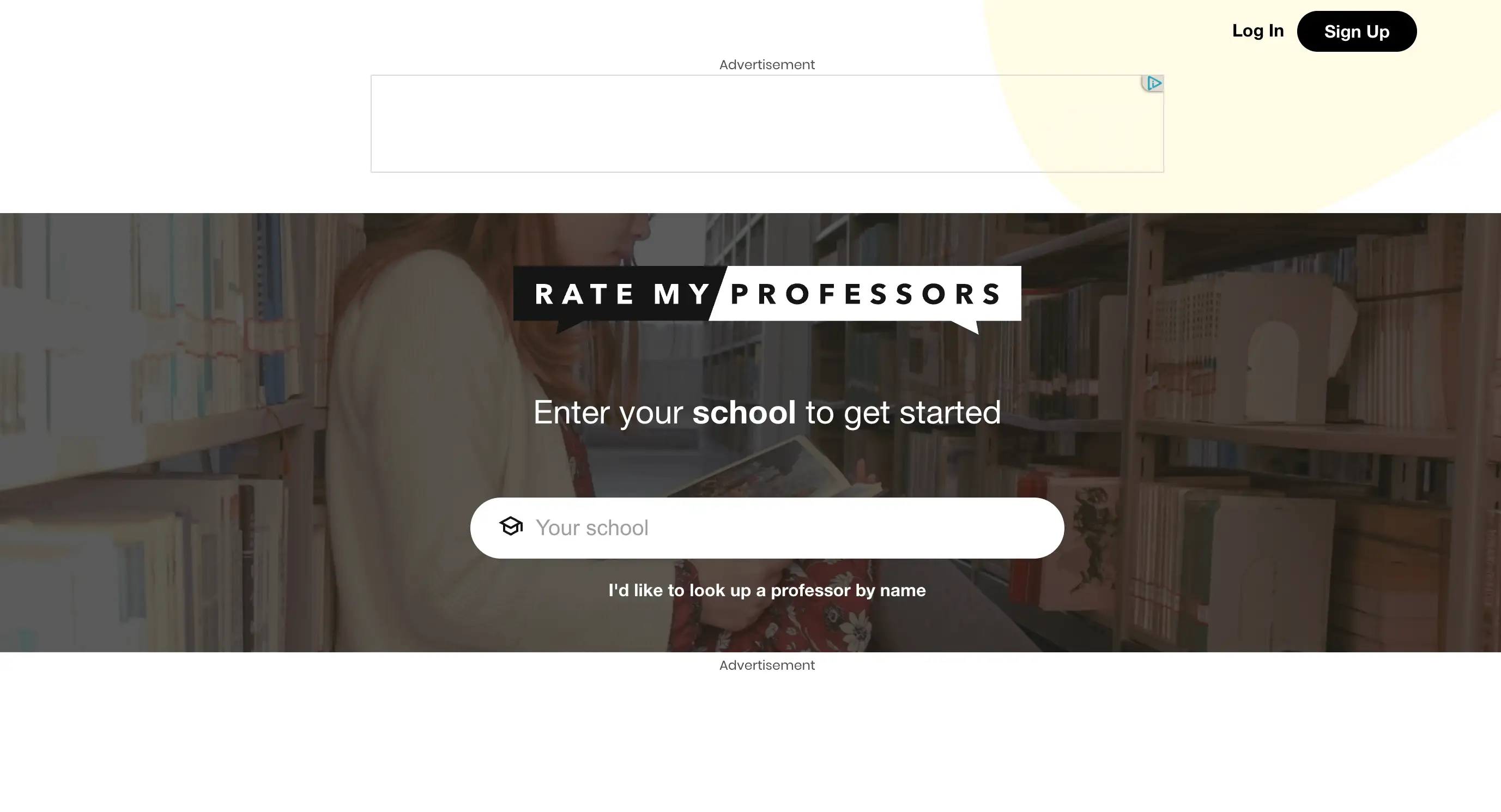
Rate My Professors is arguably the most well-known and widely used platform for professor evaluations. With a massive database of professors and institutions across the US, Canada, and the UK, it provides students with a straightforward rating system covering overall quality and difficulty. Beyond numerical scores, reviewers can add comments and assign "tags" like "Easily Distracted" or "Inspirational," offering a quick snapshot of a professor's attributes. This site is often a go-to for initial research when planning your class schedule.
5. AcademicJobs.com (Professor Ratings section)
AcademicJobs.com, primarily known for academic job postings, also hosts a robust professor rating section. It allows students to find, rate, and review university professors, aiming to help students make smarter academic choices. The platform emphasizes authentic, student-sourced reviews that contribute not only to individual professor profiles but also indirectly to the overall rankings of colleges and universities. It's a growing resource for honest feedback and celebrating teaching excellence.
6. Chegg Study (Professor Rating aspect)
While primarily a study resource platform, Chegg Study incorporates elements of professor evaluation. Students using Chegg for homework help or textbook solutions may encounter insights related to professor teaching styles and expectations. Although not a standalone professor rating site, its connection to course materials and academic support can provide practical context for understanding how professors structure their classes and assignments, indirectly aiding in professor selection.
7. Course Hero (Professor Reviews)
While best known for its extensive library of study resources like course materials and expert Q&A, Course Hero also incorporates professor reviews within its platform. This integration is particularly useful because students can often find reviews directly linked to the specific courses and materials a professor teaches. This contextual information can provide a more granular understanding of a professor's teaching style, assignment expectations, and overall course structure, making it a practical tool for students assessing both a course and its instructor simultaneously.
8. GradReports
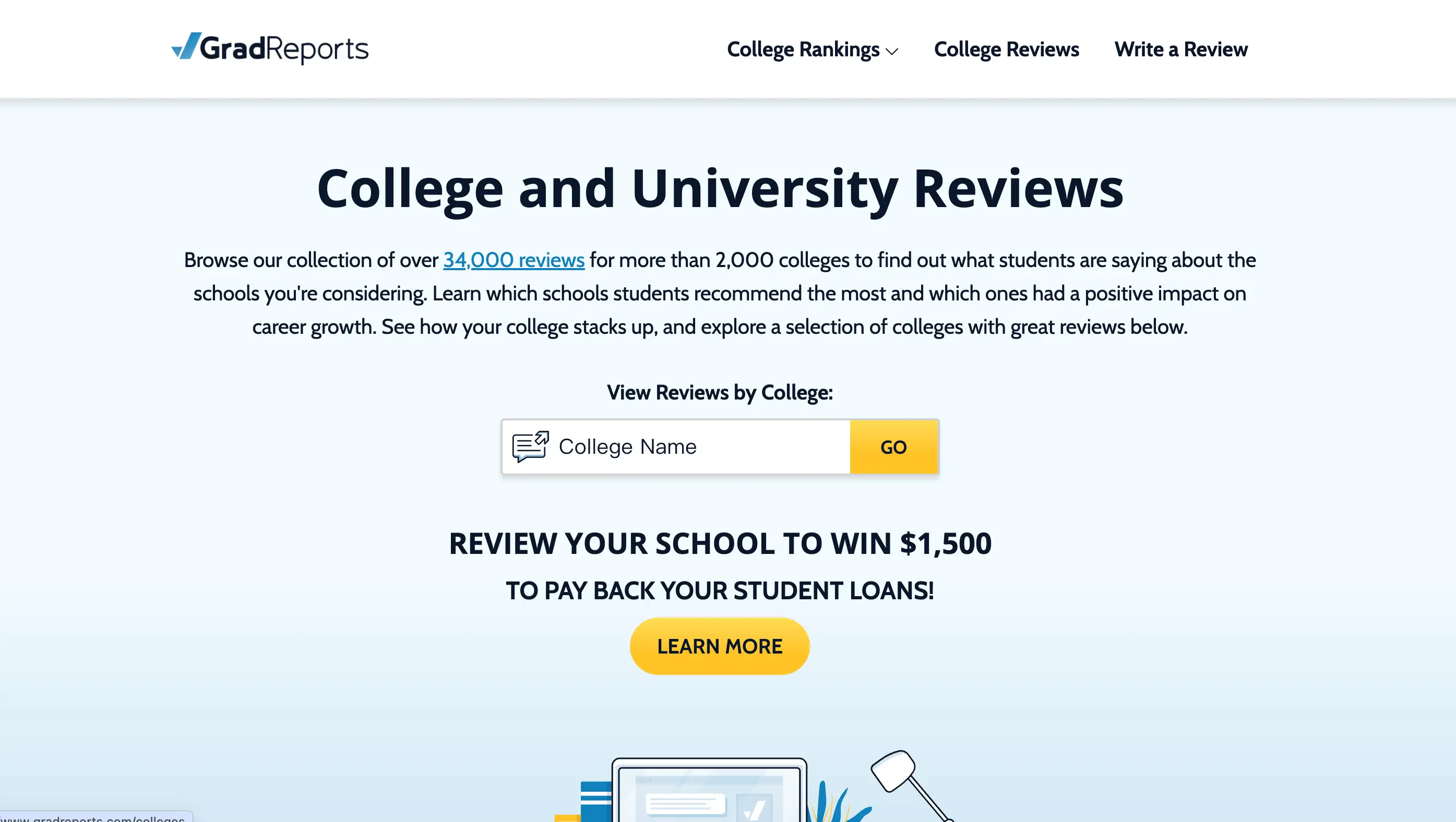
GradReports focuses on helping students make informed decisions about graduate programs, but it also features valuable insights into the professors within those programs. The site offers data-driven rankings and reviews from alumni and current students, often detailing specific professors and their impact on career outcomes and academic success. For students considering a master's or Ph.D., GradReports provides a unique perspective on faculty mentorship, research opportunities, and the overall academic rigor associated with professors in a specialized field.
9. Professor Index
Professor Index is a newer, mobile-first platform aiming to provide authenticated and user-friendly professor and course ratings. Developed by a Computer Science professor, its key differentiator is its focus on authenticated reviews, meaning that only verified students can submit ratings. This approach seeks to minimize misinformation and provide more reliable feedback. It offers an intuitive design for comparing professors and courses, making it a promising option for students seeking a trustworthy and streamlined review experience on the go.
10. RateYourProf.com
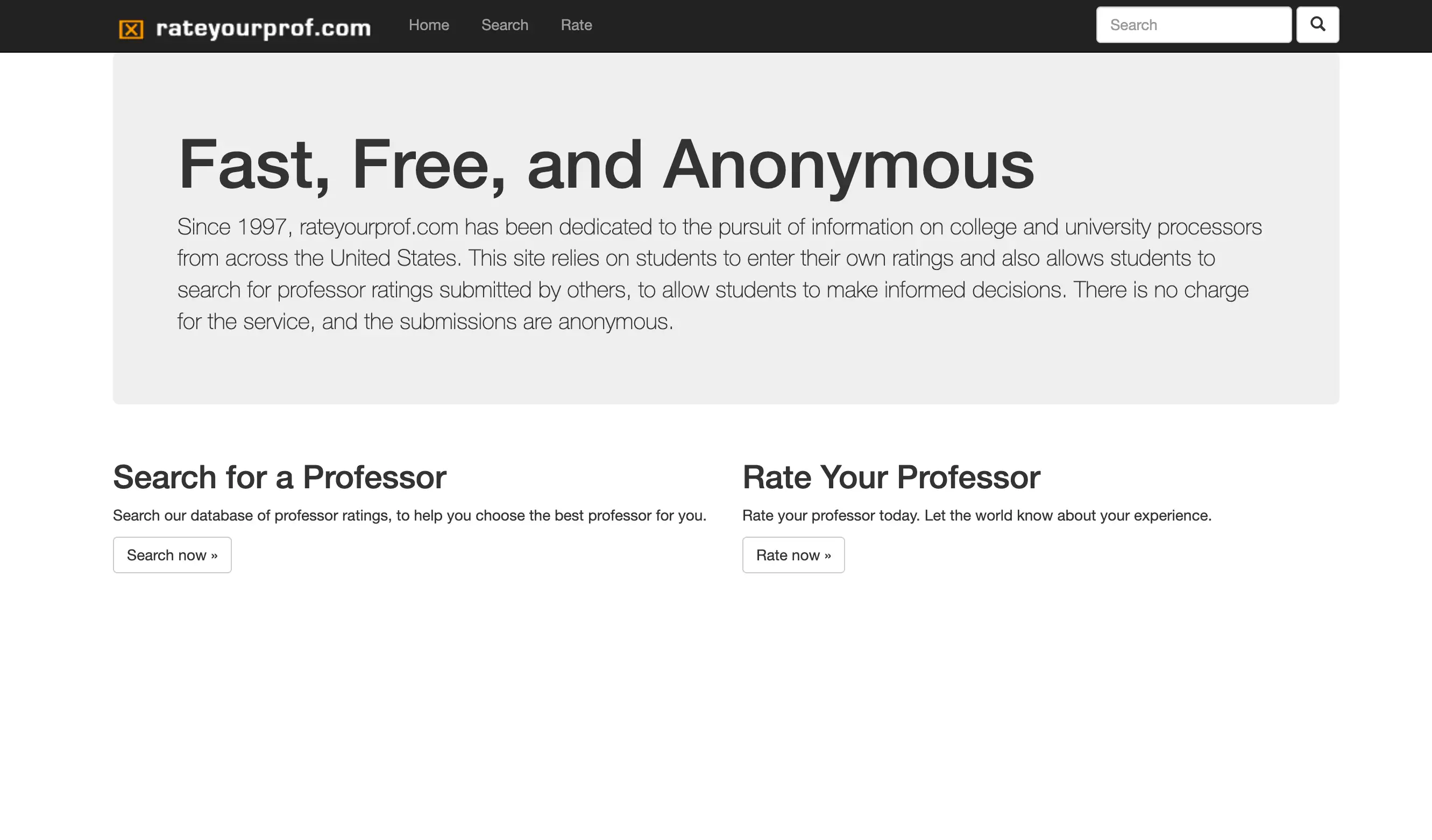
RateYourProf.com has been a long-standing resource for students seeking anonymous insights into college and university professors across the United States since 1997. This platform is a straightforward database where students can search for professors by name or institution and view ratings based on various performance metrics. It's a no-frills site that prioritizes ease of access to student-submitted reviews, making it a quick and effective tool for getting direct, unvarnished opinions on instructors.
How to Choose the Right Professor Rating Sites?
Selecting the right professor can shape your academic experience, from mastering foundational skills to securing research opportunities. Here are tips you can't miss when choosing the right professors.
Evaluate Review Reliability
Prioritize Review Quality Over Quantity
A professor with 100 diverse reviews—spanning multiple semesters and student types—is more trustworthy than one with 20 all-positive or all-negative comments. Platforms like Profeval use machine learning to flag reviews with extreme sentiment or grade-based bias, ensuring you’re more likely to read balanced feedback.
Check for Verification and Moderation
Verified student accounts, like those on Uloop, add a layer of credibility, as do clear moderation policies. Avoid platforms that allow anonymous-only submissions without any oversight; instead, opt for sites that explain how they handle inappropriate content or biased reviews.
Cross-Validate Across Platforms
No single site has a monopoly on truth. A professor might have a 3.5 rating on RMP but shine on Niche.com for research mentorship or on Uloop for campus-specific support. By comparing feedback across Rate My Professors alternatives, you gain a more complete picture—for example, discovering that a “difficult” professor on RMP is actually highly respected in their research lab on Academia Insights.
Align Ratings with Your Academic Goals
Define Your Priorities by Academic Stage
Your needs vary by academic path:
-
Undergraduates: Focus on foundational skills like “teaching clarity,” “office hour accessibility,” and “fair grading.” Rate My Professors’ broad database is ideal for identifying professors who excel in introductory courses, ensuring a smooth transition to college-level academics.
-
Grad Students & STEM Majors: On professor rating sites, prioritize research-oriented metrics such as “lab access for undergrads,” “publication support,” and “industry connections.” Niche.com’s STEM professor ratings and Academia Insights’ focus on grant-writing guidance can help you identify mentors who align with long-term academic goals.
-
Non-Traditional Students: Look for flexibility signals like “remote class accommodation” or “flexible deadlines,” often highlighted in Uloop’s campus-specific reviews for evening or part-time learners.
Use Advanced Search Tools
Most platforms offer tools to refine your search:
On Rate My Professors, use the “course difficulty” slider to balance challenge with manageability or search for phrases like “group projects NOT required” to avoid teaching styles that don’t fit your preferences.
Niche’s “research collaboration” filter is a game-changer for STEM students, revealing professors who actively involve students in conferences, journals, or industry partnerships.
Course Hero’s resource-based sorting allows you to find professors who provide ample study materials, a critical factor in self-paced STEM courses where supplementary resources can make or break success.
Engage with the Academic Community
Don’t limit yourself to the professor rating sites' reviews. Join LinkedIn groups for your department or university—alumni often share insights into a professor’s long-term impact, such as how their mentorship led to career opportunities. On Uloop’s forums, pose specific questions like, “Does Professor X offer extra credit for international students?” to uncover context that ratings alone can’t provide.

Special Considerations for STEM Students
Focus on Discipline-Specific Metrics
STEM fields demand nuanced evaluation:
Engineering & Lab Sciences: Look for feedback on lab management (“TA office hours available daily”), project guidance (“provides detailed feedback on CAD models”), and safety protocols (“mandatory weekly lab safety briefings”).
Computer Science & Coding: Prioritize “code review frequency,” “algorithm explanation clarity,” and “access to GitHub repositories” to ensure professors can support your skill development.
Mathematics & Physics: Avoid professors praised solely for “rote memorization” techniques; instead, seek those who emphasize conceptual understanding, as indicated by reviews like “taught me to apply calculus to real-world problems.”
Leverage STEM-Tailored Platforms
Niche.com’s STEM Hub and the Engineering Reviews Collective (ERC) are goldmines for technical details. ERC, a grassroots platform, letsengineering students discuss design project supervision and CAD tool proficiency, while Niche.com’s “publication guidance” metric helps grad students identify professors with a track record of launching academic careers.

Identify Red Flags
Vague praise like “good at teaching” is less helpful than specific examples, such as “helped me secure a summer research position at a top lab.” Conversely, repeated mentions of “unclear grading rubrics” in lab courses or “limited TA support” should raise alarms, as they can hinder hands-on learning.
Ready to Create Your Own Expert Content? Try Wegic
Crafting detailed, trustworthy guides like this one requires time and precision—but it doesn’t have to be daunting. Wegic is a powerful platform designed to help educators, students, and content creators generate high-quality, SEO-optimized content in minutes. Whether you want to build a resource hub for professor ratings, create study guides for STEM courses, or share insights on academic tools, Wegic’s intuitive features make it easy:
Rapid Content Generation: Use customizable templates tailored for education-focused content, eliminating writer’s block and streamlining the writing process.

SEO-Friendly Tools: Get real-time keyword suggestions and content analysis to ensure your articles rank for terms like “professor rating sites” and “STEM professor reviews,” driving organic traffic.
Professional Design, No Skills Needed: Effortlessly add visuals, tables, and interactive elements (like the platform comparison tool in this guide) to make your content engaging and visually appealing.
Final Thoughts
In 2025, the best approach to professor selection combines broad overviews with specialized insights. Start with Rate My Professors to shortlist candidates, then dive into Rate My Professors alternatives like Uloop or Niche.com to validate against your unique needs. For STEM students, prioritize platforms that offer technical metrics, and always cross-check reviews with real-world feedback from alumni or department forums.
On professor rating sites, remember: the goal isn’t to find the “highest-rated” professor, but the one whose strengths align with your academic goals. Whether you’re seeking a mentor to guide your research or a teacher to make complex concepts accessible, the right combination of professor rating sites and strategies will help you turn ratings into a roadmap for success.
Written by
Kimmy
Published on
Mar 17, 2026
Share article
Read more
Our latest blog
Webpages in a minute, powered by Wegic!
With Wegic, transform your needs into stunning, functional websites with advanced AI
Free trial with Wegic, build your site in a click!
What kind of website do you want to build?