Bringen Sie Ihr Portfolio als Lichtdesigner mit KI zum Leben
Zeigen Sie, wie Sie Räume, Atmosphäre und Erlebnis durch Licht verwandeln. Erstellen Sie eine professionelle Website, auf der Kunden Ihre stärksten Projekte erkunden, Ihren Designansatz verstehen und sehen können, wie Ihre Expertise zu ihrem nächsten Projekt passt.
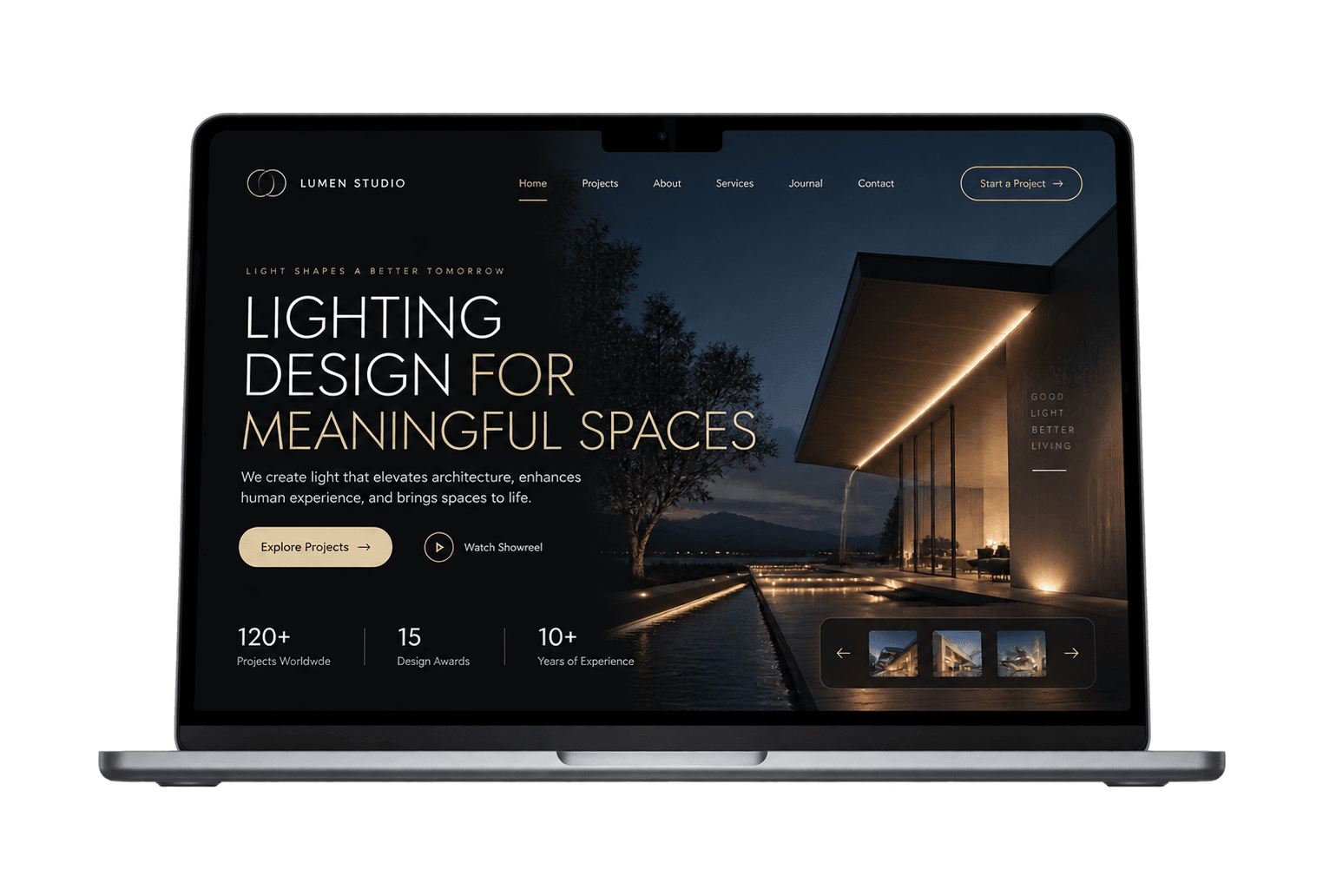
Beginnen Sie mit einer Leinwand, die das Licht führen lässt
Entdecken Sie Vorlagen für Portfolio, Architektur, Innenraum und kreative Profis und passen Sie dann Komposition, Typografie, Bildskalierung, Abstände und Projektpräsentation an Ihre eigene Lichtästhetik an.
Lassen Sie Kunden Ihre Arbeit erleben, bevor sie Sie kontaktieren
Führen Sie mit visuellem Eindruck
Organisieren Sie die Arbeit nach Fachgebieten
Erzählen Sie die Geschichte hinter dem Licht
Zeigen Sie Licht unter verschiedenen Bedingungen
Machen Sie Zusammenarbeit sichtbar
Bauen Sie eine erkennbare Design-Identität auf
Verwandeln Sie ein schönes Portfolio in bessere Projektgespräche
Wenn ein potenzieller Kunde die Arbeit mag, stellt sich als Nächstes die Frage, ob Sie für sein Projekt geeignet sind. Nutzen Sie die Website, um visuelle Inspiration mit praktischen Gründen für eine Zusammenarbeit zu verbinden.
Klären Sie Ihre Beleuchtungsdienstleistungen
Erklären Sie das Design, die Beratung, die Konzeptentwicklung, die Spezifikation, die Koordination oder andere professionelle Dienstleistungen, die Sie tatsächlich anbieten, damit Kunden verstehen, wo Sie einen Beitrag leisten können.
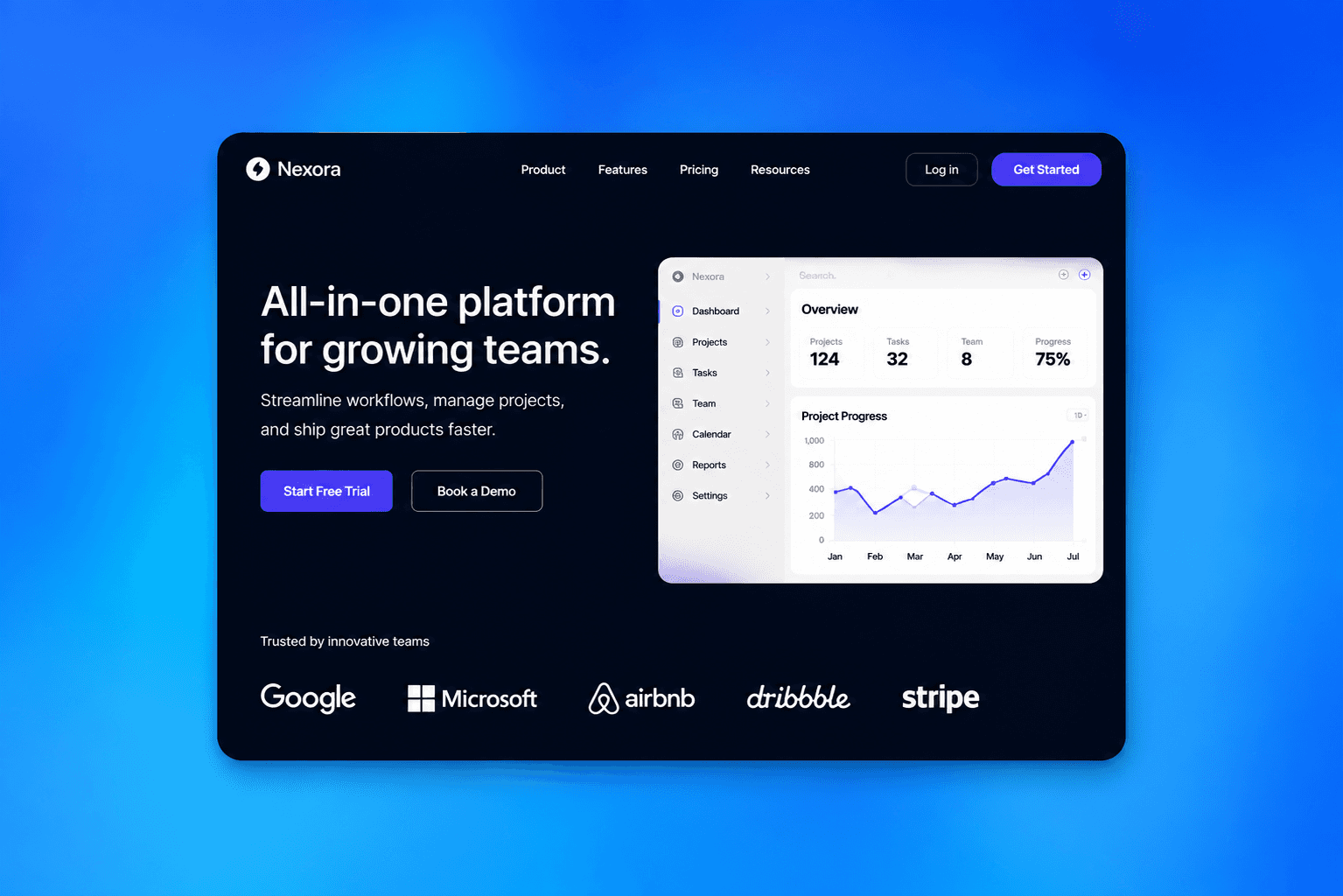
Zeigen Sie, wie Sie Projekte angehen
Skizzieren Sie Ihren tatsächlichen Prozess von der Entdeckung und Konzeptentwicklung bis hin zu geeigneten Design-, Koordinations-, Dokumentations- oder Umsetzungsphasen, ohne dabei unnötige technische Details einzufügen.
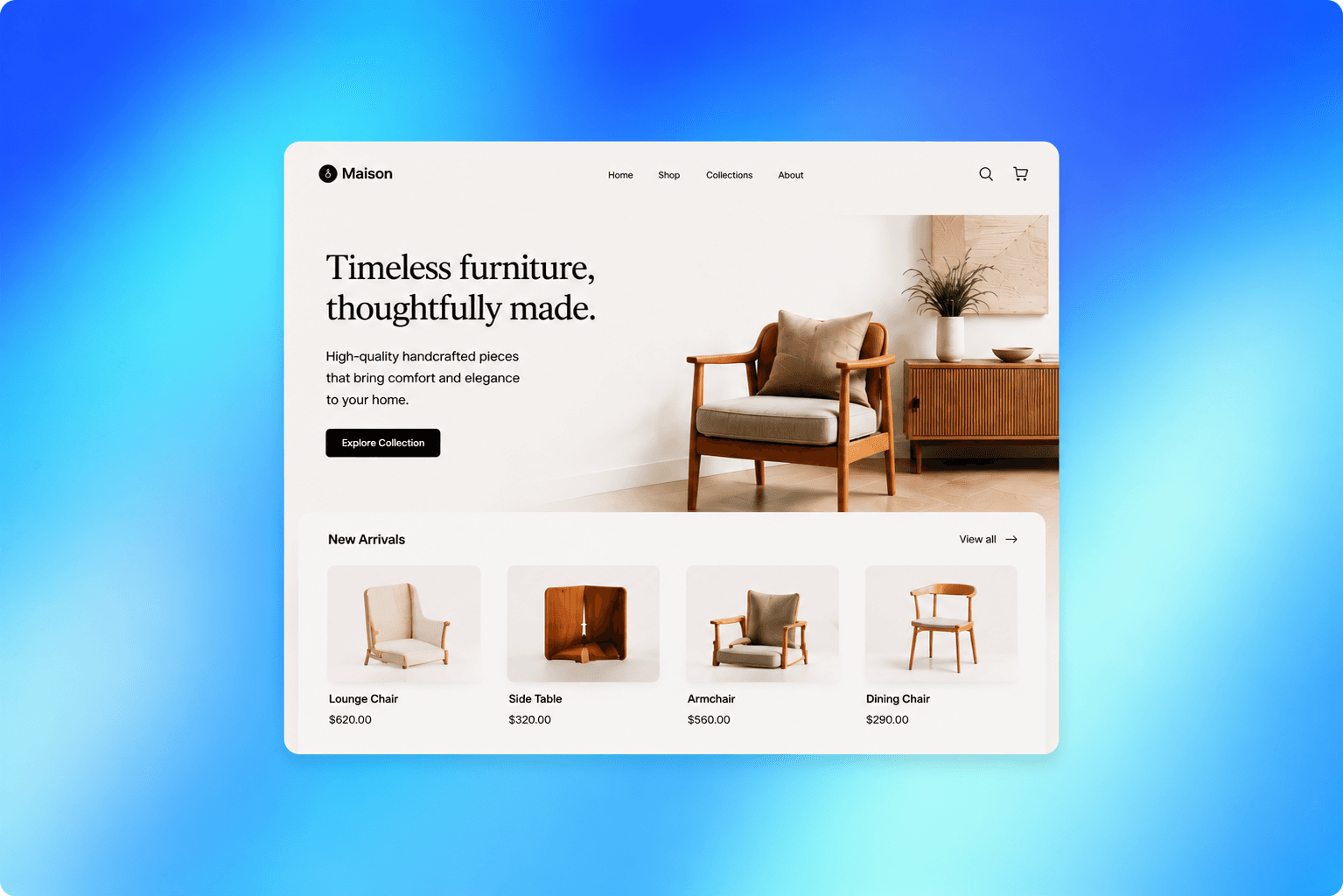
Bauen Sie professionelle Glaubwürdigkeit auf
Präsentieren Sie relevante Erfahrungen, echte Auszeichnungen, Veröffentlichungen, Qualifikationen, Ausstellungen, bemerkenswerte Kooperationen oder ausgewählte Kunden, wo es angebracht ist, um Ihrem Portfolio einen stärkeren professionellen Kontext zu verleihen.
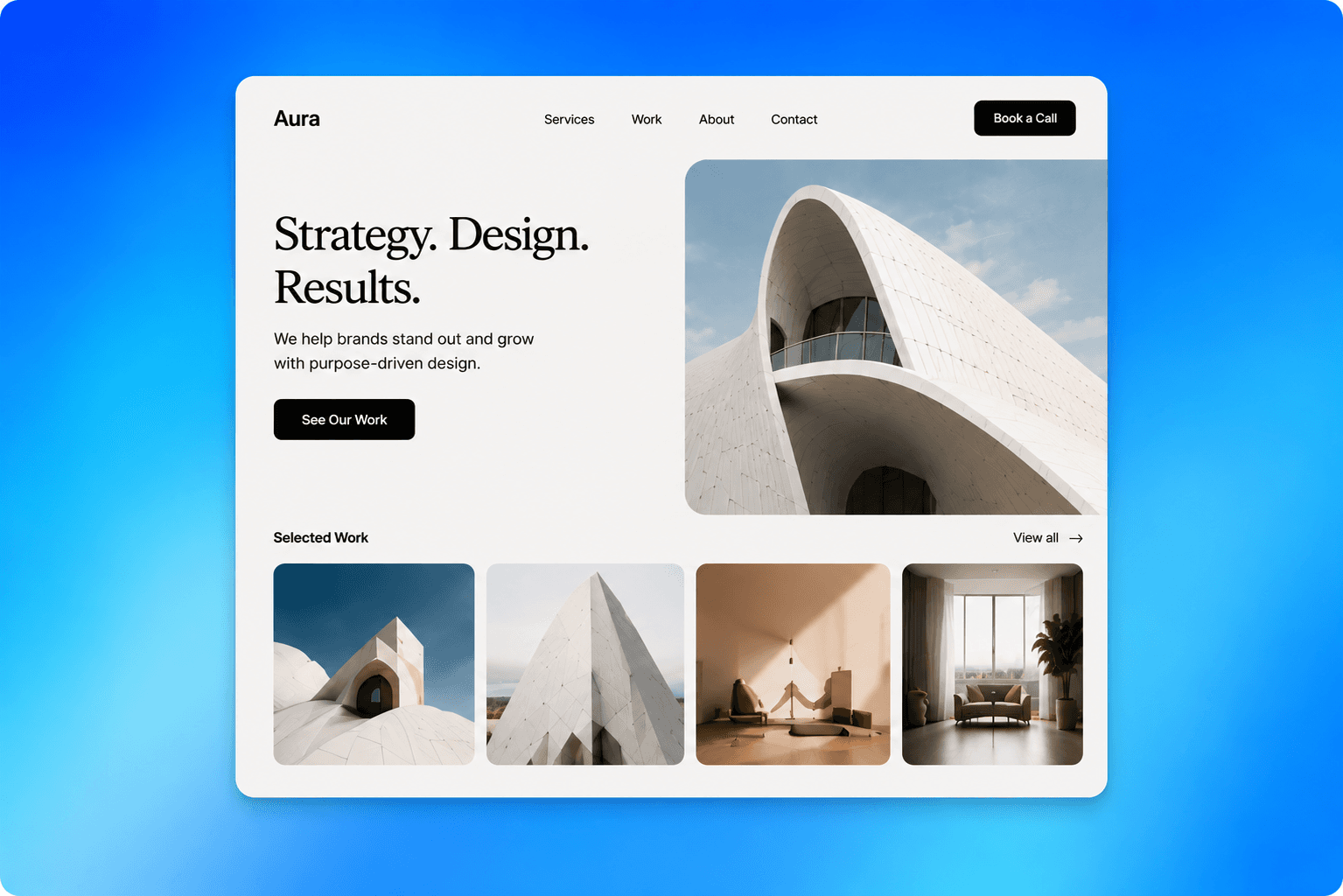
Erfassen Sie das richtige Projektbriefing
Verwenden Sie unterstützte Anfrageformulare, um Projekttyp, Standort, Umfang, Zeitplan, Kontaktinformationen und andere nützliche Details zu erfassen, bevor Sie ein potenzielles Kundengespräch beginnen.
Geben Sie großartiger Lichtarbeit die Präsentation, die sie verdient
Mein altes Portfolio zeigte fertige Fotografien, aber kaum die Gedanken dahinter. Jedes Projekt mit mehr Kontext zu versehen, macht es Architekten und Kunden viel einfacher zu verstehen, was ich tatsächlich beigetragen habe.
Beleuchtungsprojekte können in der Gastronomie, im Wohnbereich und im Außenbereich völlig unterschiedlich aussehen. Die Organisation des Portfolios nach Projekttypen hat mir geholfen, diese Vielfalt zu zeigen, ohne dass sich die Website unzusammenhängend anfühlt.
Wie man eine Website für Lichtdesigner mit KI erstellt

Definieren Sie Ihre Designpraxis
Erzählen Sie Wegic von Ihren Licht-Spezialgebieten, Projekttypen, ästhetischer Ausrichtung, beruflichem Hintergrund, Dienstleistungen, Zielkunden und der Art von Arbeit, die das Portfolio anziehen soll.

Erstellen Sie Ihre Projektgeschichten
Ersetzen Sie Beispiele durch Ihre echten Fotografien, Projektbeschreibungen, Designkonzepte, Rollen, Mitarbeiter, Dienstleistungen, Anerkennungen und andere berufliche Informationen, deren Veröffentlichung Sie genehmigt haben.

Kuratiere das Erlebnis und veröffentliche
Priorisieren Sie Ihre stärksten Projekte, verfeinern Sie die Bildgröße und den Seitenrhythmus, überprüfen Sie die beruflichen Informationen auf Genauigkeit, fügen Sie einen geeigneten Anfrageweg hinzu, verbinden Sie Ihre Domain und veröffentlichen Sie.

Häufig gestellte Fragen
Was sollte eine Website für Lichtdesigner enthalten?
Eine starke Website kann ausgewählte Projekte, hochwertige Projektbilder, Beleuchtungsspezialitäten, Projektkontext, Designansatz, Dienstleistungen, beruflichen Hintergrund, echte Anerkennungen, Mitarbeitende und Kontaktinformationen enthalten.
Wie sollte ich ein Portfolio für Lichtdesign organisieren?
Organisieren Sie die Arbeit entsprechend der Art und Weise, wie potenzielle Kunden Sie bewerten. Je nach Ihrer Praxis kann das Projekttyp, Branche, Beleuchtungsdisziplin, Standort oder eine sorgfältig kuratierte Auswahl hervorgehobener Arbeiten bedeuten.
Was sollte jede Projektseite für Lichtdesign zeigen?
Erwägen Sie, fertige Bilder, Projektkontext, Ihre Rolle, Designkonzept, relevante Herausforderungen, Mitarbeitende und andere Informationen einzubeziehen, die Besuchern helfen, Ihren Beitrag zu verstehen.
Sollte ich technische Beleuchtungsinformationen einbeziehen?
Fügen Sie technische Details hinzu, wenn sie Ihrem Zielpublikum helfen, das Projekt zu verstehen. Ein professionelles Portfolio profitiert in der Regel davon, visuelles Storytelling mit ausreichend technischem Kontext zu verbinden, um Fachwissen zu demonstrieren.
Kann ich separate Seiten für architektonische und andere Beleuchtungsprojekte erstellen?
Ja. Wenn dies echte Bereiche Ihrer Praxis sind, können dedizierte Sammlungen oder Seiten Kunden helfen, relevante Arbeiten zu finden, und Suchmaschinen einen klareren Kontext zu Ihrer Expertise geben.
Kann ich Architekten und Fotografen auf Projektseiten nennen?
Ja. Genaue Projektangaben können wichtigen beruflichen Kontext bieten. Stellen Sie sicher, dass Sie die entsprechenden Rechte besitzen, um Projektbilder und anderes Material von Dritten zu veröffentlichen.
Wie kann eine Website für Lichtdesigner Kunden anziehen?
Eine klare Spezialisierung, eine starke Projektauswahl, nützlicher Fallstudienkontext, professioneller Nachweis, durchsuchbare Projektseiten und ein offensichtlicher Anfrageweg können relevanten Interessenten helfen, Ihre Arbeit zu bewerten.
Kann ich ein Portfolio für Lichtdesign ohne Programmierung erstellen?
Ja. Wegic AI kann die erste Website generieren und Ihnen erlauben, deren Projektseiten, Portfolio-Struktur, professionelle Inhalte, Bilder und Design durch Gespräche zu verfeinern.
Entdecken Sie weitere Design-Portfolio-Websites

Postproduktionsspezialist-Website-Builder

Java-Entwickler-Website-Builder

Fachkrankenpflegerin / Fachkrankenpfleger-Website-Builder

3D-Animator-Website-Builder

Geo-Informationsanalyst-Website-Builder

2nd hand-Website-Builder




Lassen Sie Ihre Beleuchtung über das Foto hinaus sprechen