Build Your Ethical Store Website with AI
Create a store where customers can understand not only what you sell, but how it’s made and what your values actually mean. Bring products, materials, sourcing, makers, and verifiable impact information into one transparent shopping experience.
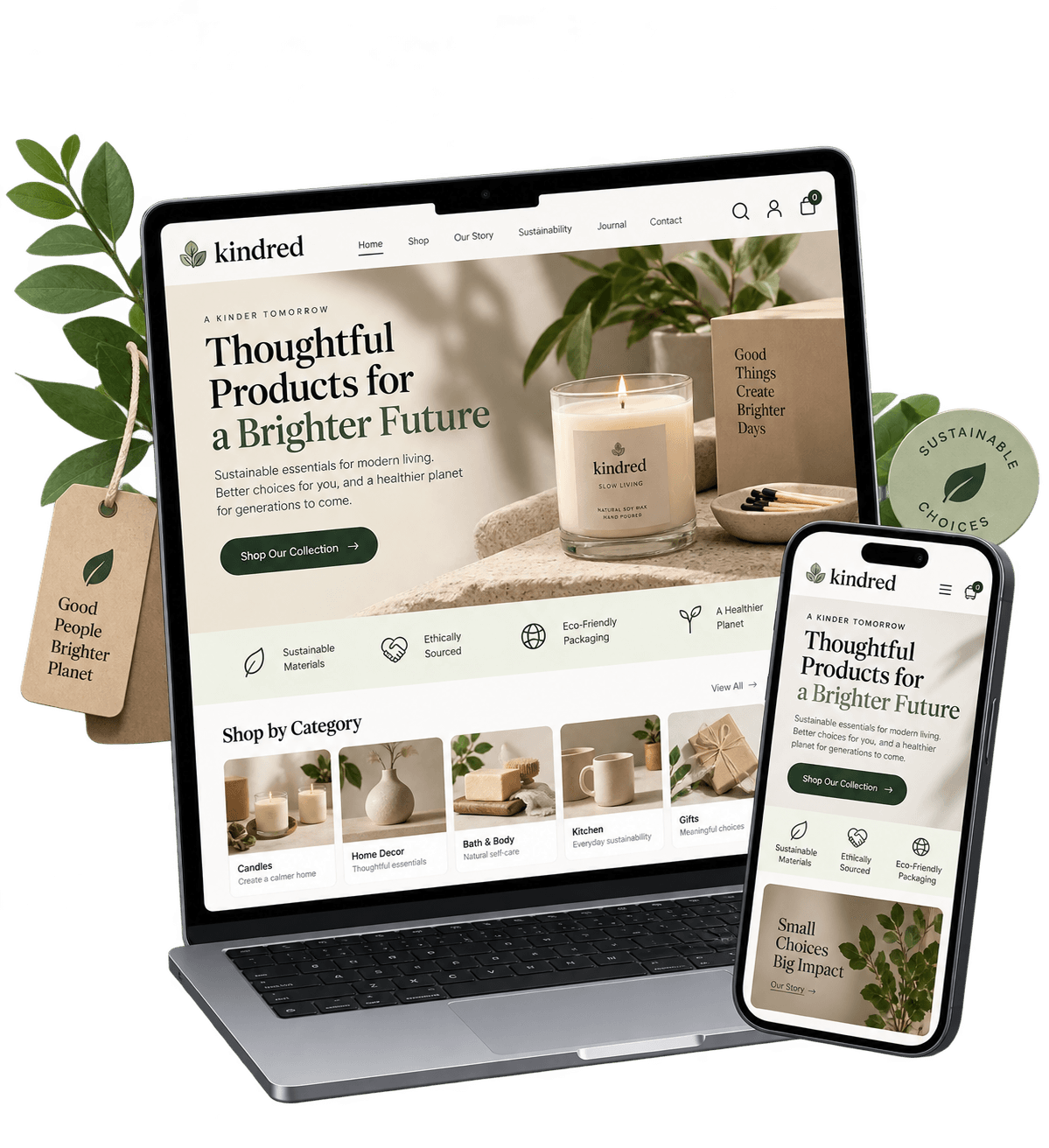
Give Customers Evidence Behind Every Ethical Choice
Shoppers interested in ethical products often look beyond appearance and price. Help them understand where products come from, what they’re made of, who makes them, and which claims they can actually verify.
Trace Where Products Come From
Explain genuine sourcing locations, suppliers, farms, workshops, factories, or other relevant origins when that information is available and appropriate to disclose.
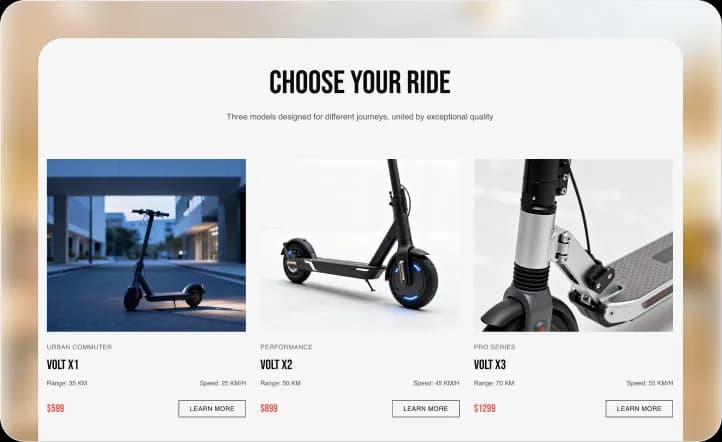
Explain Materials Clearly
Show what products are actually made from, including relevant recycled, organic, renewable, certified, reclaimed, or conventional materials without turning vague sustainability language into a substitute for facts.
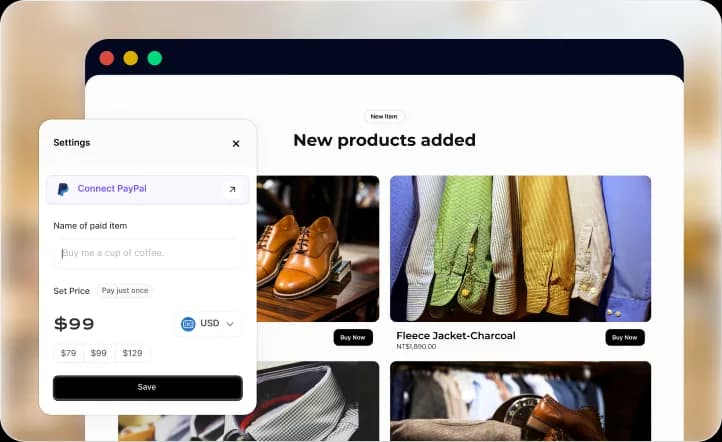
Introduce the People Behind Them
Share genuine information about makers, craftspeople, producers, or manufacturing partners where appropriate so customers can better understand the human side of your supply chain.
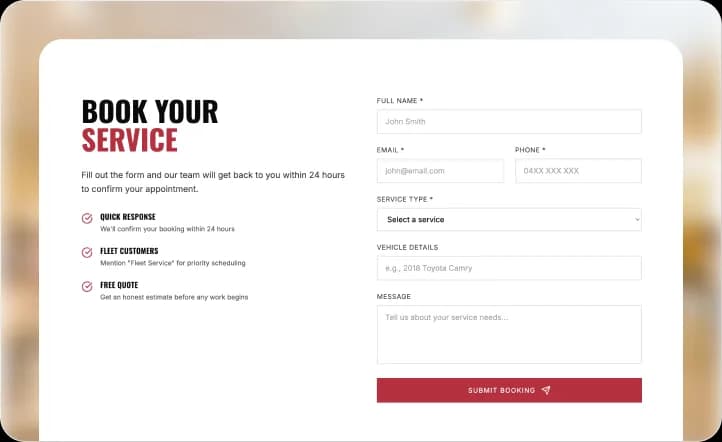
Back Up Your Claims
Present applicable third-party certifications, standards, audit information, policies, or other verifiable evidence rather than relying solely on broad labels such as “green” or “ethical.”
Put Impact in Context
Explain genuine environmental or social initiatives with enough context for customers to understand what has actually been achieved, what is measured, and where work is still ongoing.
Find a Storefront That Puts Products and Principles Side by Side
Responsible Brands Are Making Their Values Easier to Verify
I didn’t want sustainability to live in one paragraph on our About page. Connecting materials and sourcing information directly to the products gives customers much more context while they’re deciding what to buy.
Turn Shared Values into Purchase Confidence
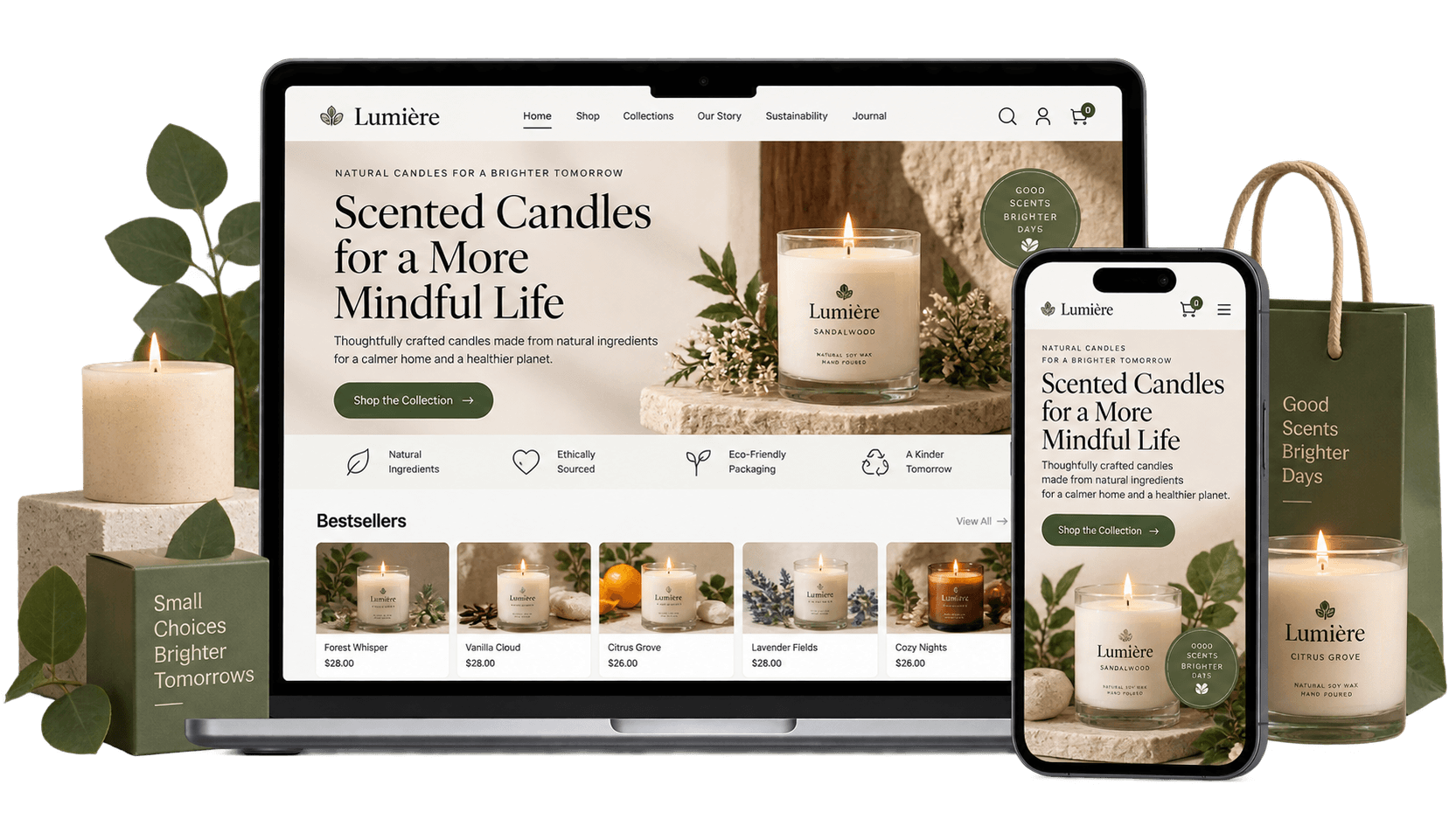
Ethical intent can attract a shopper, but the product still has to fit their needs. Connect responsible practices with the practical information people need to make a confident purchase.
Tell the Story Product by Product
Bring relevant materials, sourcing, production, care, durability, certifications, and other product-specific information onto the pages where customers actually make purchase decisions.
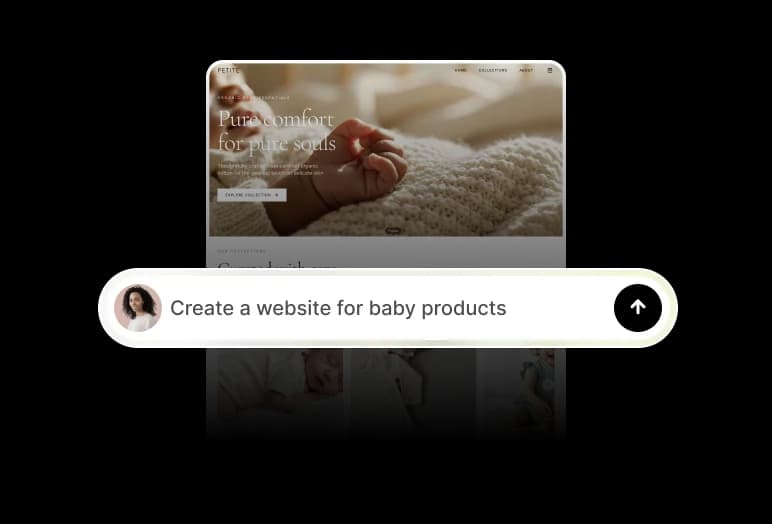
Make Products Easy to Compare
Organize genuine attributes such as material, production method, certification, category, or other meaningful criteria so customers can explore products according to what matters to them.
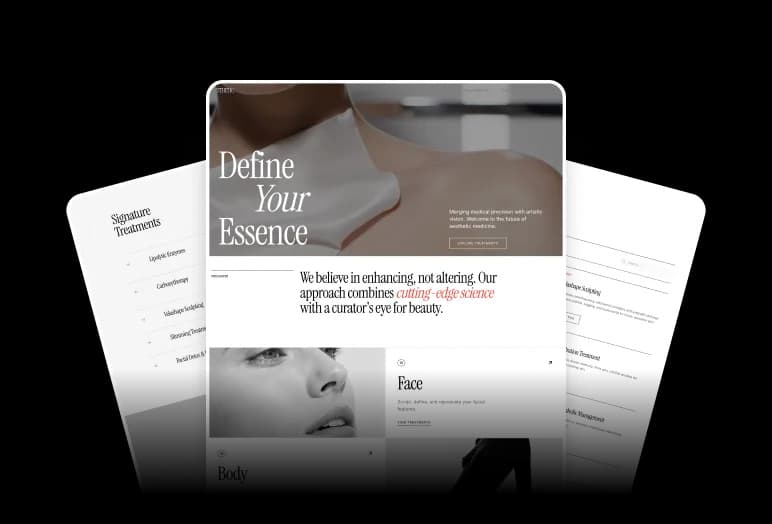
Explain Price with Context
Where useful, explain genuine factors behind pricing such as materials, craftsmanship, production methods, small-batch manufacturing, or sourcing rather than assuming customers understand the difference.
Extend the Product Lifecycle
Provide relevant care, repair, reuse, refill, recycling, take-back, or disposal guidance when your products and business genuinely support those options.
Keep Responsible Shopping Simple
Connect transparency and product education with a straightforward supported cart and checkout journey so buying according to personal values doesn’t create unnecessary shopping friction.
How to Create an Ethical Store Website with AI
Define What Ethical Means for Your Brand
Tell Wegic what you sell, how products are sourced and made, the principles you follow, your target customers, genuine certifications, and the evidence available to support your claims.
Build Transparency into the Store
Add your real products, imagery, materials, sourcing information, production details, makers, certifications, pricing, care guidance, policies, and relevant impact information.
Connect Values with Shopping
Organize product discovery around useful attributes, configure supported cart and payment functionality, review every ethical claim for accuracy, connect your domain, and publish.
Frequently asked questions
What should an ethical store website include?
Alongside normal ecommerce information, consider explaining genuine sourcing, materials, production practices, makers, certifications, product care, brand standards, and relevant environmental or social initiatives.
How can I show that my products are ethically made?
Use specific, verifiable information about actual sourcing and production practices. Relevant certifications, standards, supplier information, manufacturing details, or other evidence can provide stronger context than broad ethical claims.
Should ethical information appear on product pages?
Yes, when it relates specifically to that product. Customers shouldn’t have to leave a product page and search through a general sustainability statement to understand its relevant materials or sourcing.
Can I organize products by ethical attributes?
Yes, provided the categories accurately reflect your products. Relevant filters or collections could be based on genuine materials, certifications, production methods, or other meaningful attributes.
How should I talk about sustainability without greenwashing?
Prefer specific, supportable facts over broad environmental claims. Explain what a claim covers, avoid implying benefits beyond available evidence, and update information as your practices change.
Can I show certifications on my store?
Yes, when your business or products genuinely hold them and you’re permitted to display the relevant marks. Clearly indicate what each certification actually applies to.
Can I tell customers about product care, repair, or recycling?
Yes. If applicable, care instructions and genuine repair, refill, reuse, take-back, or end-of-life guidance can help customers understand the product beyond its initial purchase.
Can I build an ethical ecommerce website without coding?
Yes. Wegic AI can create the initial website and help you refine its product content, transparency information, brand story, design, and supported ecommerce functionality through conversation.
Explore More Responsible Store Ideas

English Food website builder

Espy website builder

Energy Drink website builder

Engine website builder

European Beauty website builder
