Build Your Digital Payments Website with AI
Turn complex payment technology into a website businesses can understand. Present how your payment solution works, who it’s built for, supported payment experiences, integrations, and the information customers need before getting started.
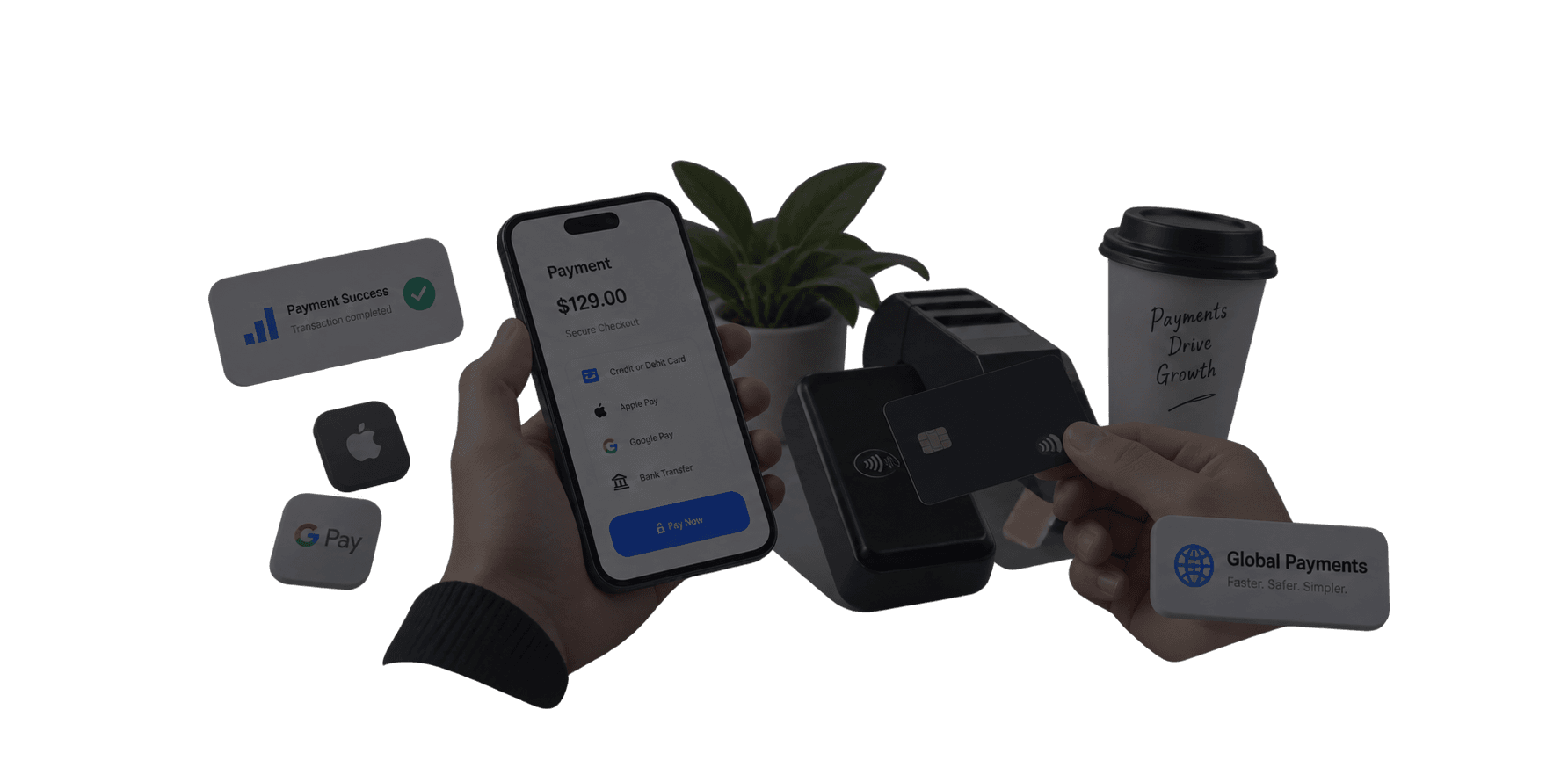
Explain Your Payment Platform Before Businesses Have to Ask
Explain the journey from customer checkout through payment processing, confirmation, and other relevant stages so businesses can understand where your solution fits.

How to Create a Digital Payments Website with AI
Define Your Payment Solution
Tell Wegic what your payment product does, which businesses it serves, supported payment methods, markets, integrations, positioning, and the actions prospective customers should take.
Build the Buyer Journey
Structure the website around payment solutions, use cases, product capabilities, integrations, pricing where appropriate, developer information, and the questions businesses evaluate before choosing a provider.
Add Verified Details and Launch
Replace generated examples with accurate product, pricing, integration, security, compliance, company, and support information, then review the website, connect your domain, and publish.
Start with a Design Built for Complex Fintech Products
Explore fintech, SaaS, technology, and business website templates, then adapt the visual hierarchy, product storytelling, technical content, and conversion paths around your digital payment solution.
Give Businesses the Confidence to Take the Next Step
Payment infrastructure sits close to money and customer transactions, so product capability alone isn’t enough. Buyers also need evidence, transparency, and practical information before moving forward.

Present only verified security practices, certifications, compliance information, fraud-prevention capabilities, or other safeguards your organization actually provides, with links to deeper resources where appropriate.
Make a Complex Payment Product Easier to Evaluate
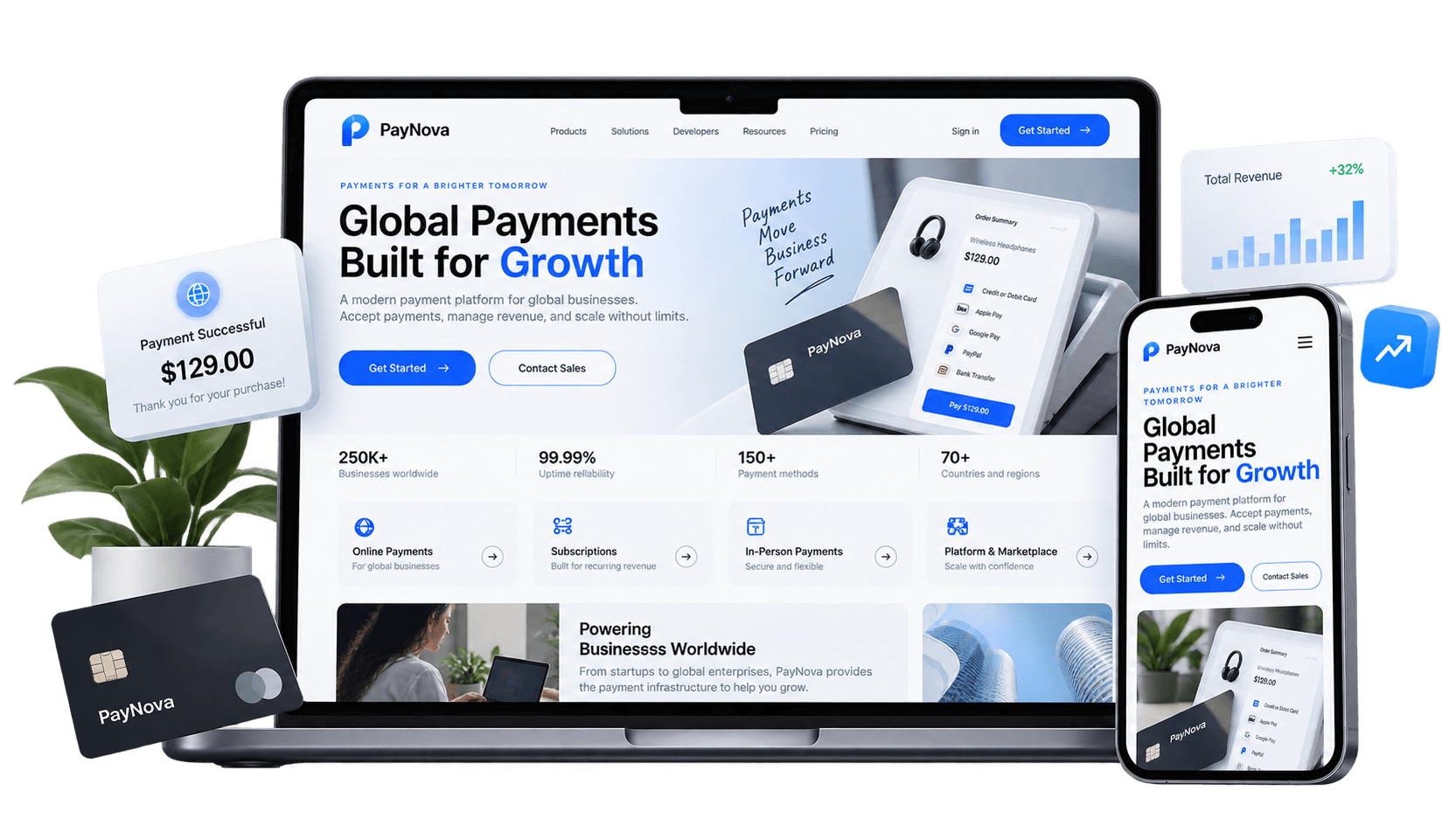
Our product could support several payment scenarios, but the old website made everything sound overly technical. Organizing the experience around use cases, payment methods, integrations, and developer information made the platform much easier for prospects to understand.
Frequently asked questions
What should a digital payments website include?
A strong website can include payment solutions, supported payment methods, business use cases, integrations, developer resources, pricing where appropriate, verified security and compliance information, company details, FAQs, and onboarding or contact paths.
How should a payment company explain its product online?
Start with the customer problem and payment journey, then explain relevant capabilities, methods, use cases, and integrations before introducing deeper technical infrastructure.
Should I create separate pages for different payment solutions?
If your platform genuinely supports multiple solutions, dedicated pages can provide deeper information for areas such as online payments, recurring payments, marketplaces, or other relevant payment scenarios.
Can I create pages for different industries or business types?
Yes. Genuine use-case pages can explain how your payment solution fits ecommerce, SaaS, platforms, retail, or other customer segments you actually serve.
Should a digital payment website include developer documentation?
For API- or integration-led products, clear paths to documentation, SDK information, plugins, testing resources, and implementation guidance can be important to technical evaluators.
How should I present payment security information?
Use factual, verifiable information about the security practices, certifications, compliance standards, and safeguards your organization actually maintains. Avoid unsupported claims such as “100% secure.”
Can I show payment processing fees on my website?
Yes, when appropriate. Transparent transaction fees, plans, custom pricing conditions, or sales-contact requirements can help businesses understand the commercial model.
Can I build a digital payments website without coding?
Yes. Wegic AI can generate the marketing website and help you refine its pages, content, design, and supported website functionality without requiring you to build the frontend manually.
Explore More Fintech Website Ideas

Influencer Marketing website builder

Environmental website builder

Family Services website builder

Jewelry Design website builder

Life Coaching website builder